
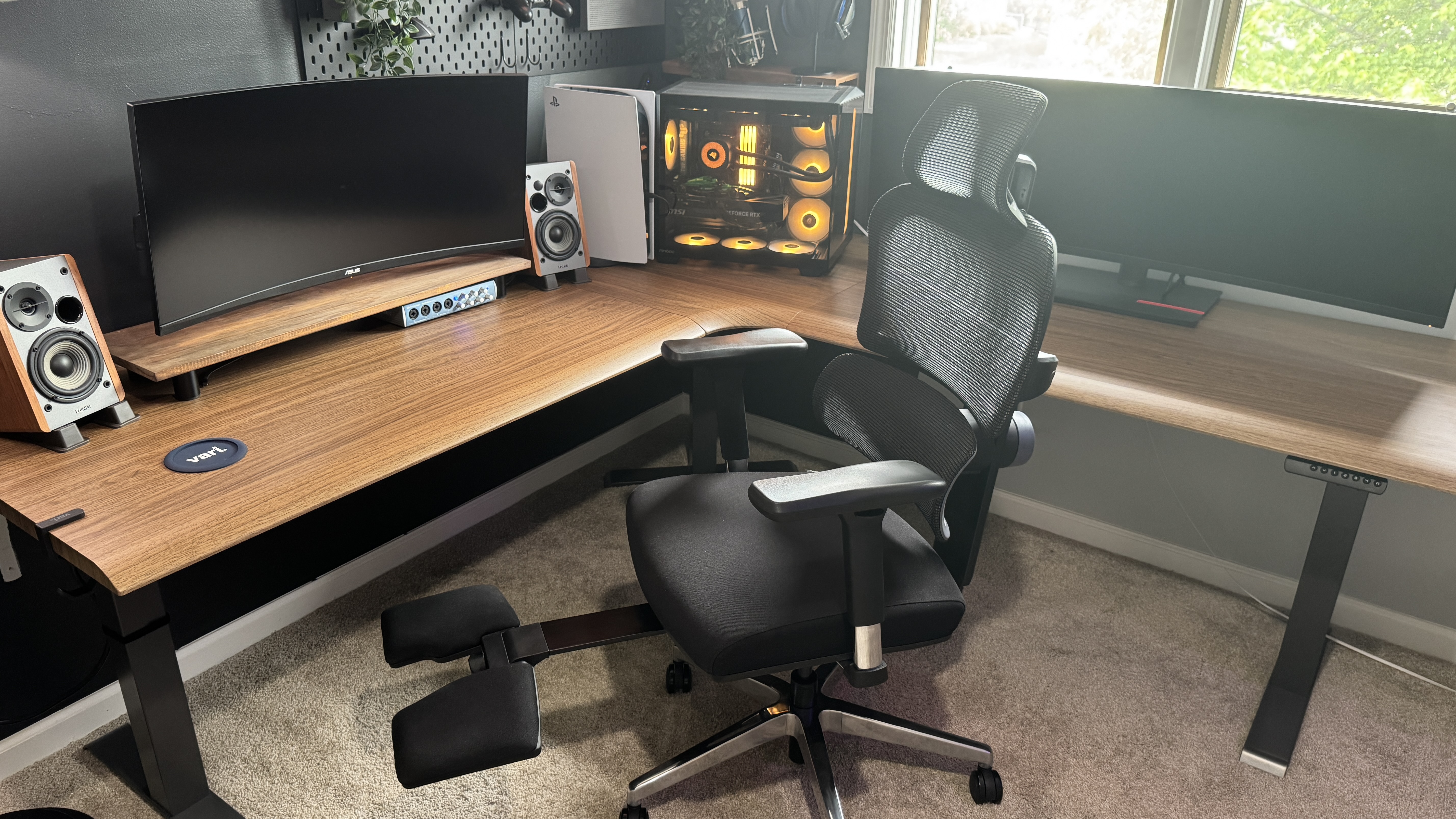
Office furniture has changed from being purely functional to something that actively shapes how people work, collaborate, and stay comfortable throughout the day.
Chairs, desks, lighting, and modular layouts now play a role in everything from posture to productivity, especially as hybrid work and flexible office layouts become standard across industries. What once counted as basic furniture is now expected to support long hours of screen time while adapting to constantly changing work environments.
Designing modern office furniture means accounting for how people actually behave rather than how they are supposed to behave. Workers lean forward during long calls, shift positions throughout the day, and rely on quick adjustments that don’t interrupt their workflow.
Article continues below
Ease of setup
Vari’s origins grew from a practical need rather than a large-scale product roadmap. The company began with a single sit-stand desk converter built to help relieve back discomfort, but that early success quickly led to wider ambitions around workspace design.
Over time, the company expanded into seating, storage, conference furniture, and modular office systems, creating full environments rather than just standalone products. Its approach mirrors the way workplaces themselves have evolved, moving toward adaptable layouts that support both focused work and collaboration.
Ease of setup has remained a recurring theme throughout Vari's product development, with features intended to reduce assembly time while maintaining structural strength across desks, chairs, and larger furniture systems.
Having tested many of the best standing desks and best office chairs, over the years, I wanted to better understand what separates thoughtful engineering from simple convenience.
So, I spoke with Jason McCann, co-founder and CEO at Vari, about the misconceptions surrounding ergonomic design, the hidden engineering behind fast assembly, and how workspace furniture is evolving beyond individual products into complete systems.
- Consumers often confuse 'plush and soft' with 'ergonomically good' for chairs, or they assume simply buying a standing desk cures back pain. When it comes to designing office chairs and standing desks, what’s the biggest misconception people have about what they actually need, and how does Vari design around that?
The biggest misconception we hear all the time is that people think standing all day is best, when in reality, movement is what’s key.
A standing desk allows you to stand when you want to and pairing that with an ergonomic and supportive chair, allows you to sit when you need to. What’s most important is listening to your body and reacting to what it needs.
- Vari has a reputation for standing desks that can be assembled in minutes with minimal tools. From an industrial design perspective, how much hidden engineering and cost goes into making a heavy, commercial-grade piece of furniture 'idiot-proof' to build?
One of the biggest selling points of the very first VariDesk was that it arrived fully assembled, ready to use out of the box.
While that’s not feasible with full desks, we created the first electric standing desk you and a friend could assemble in less than 5 minutes. To do this, we designed our patent-pending slide-and-lock method for attaching the legs, which has carried through to all the desks we make.
Most of our desks come with the frame already pre-installed, and the models that don’t still have the desktop come pre-drilled.
And if a tool is required, we include that as well. We are regular people too, so our instructions are clear, easy to follow, and often supported with assembly videos when it makes sense.
- The office furniture market is currently flooded with white-label standing desks and $100 mesh chairs that look virtually identical to premium models in photos. From a manufacturing perspective, what are the invisible corners being cut on these budget models that people won't realize until six months after purchase? What’s the one specific mechanical detail that immediately tells them whether they are sitting at a quality piece of engineering or a cheap imitation?
On most of our desks, we use 1.25-inch tops for durability, which are thicker than the standard 1 inch or less for lower quality desks that you see in the market.
We use a thicker gauge steel in our 3-stage legs for both greater durability and greater height range and adjustment, while others settle for 2-stage legs. And we test to BIFMA standards, which includes thousands of height adjustment cycles with weight to simulate real world usage.
It’s those reasons we’re proud to stand behind our Vari desks with a limited lifetime warranty.
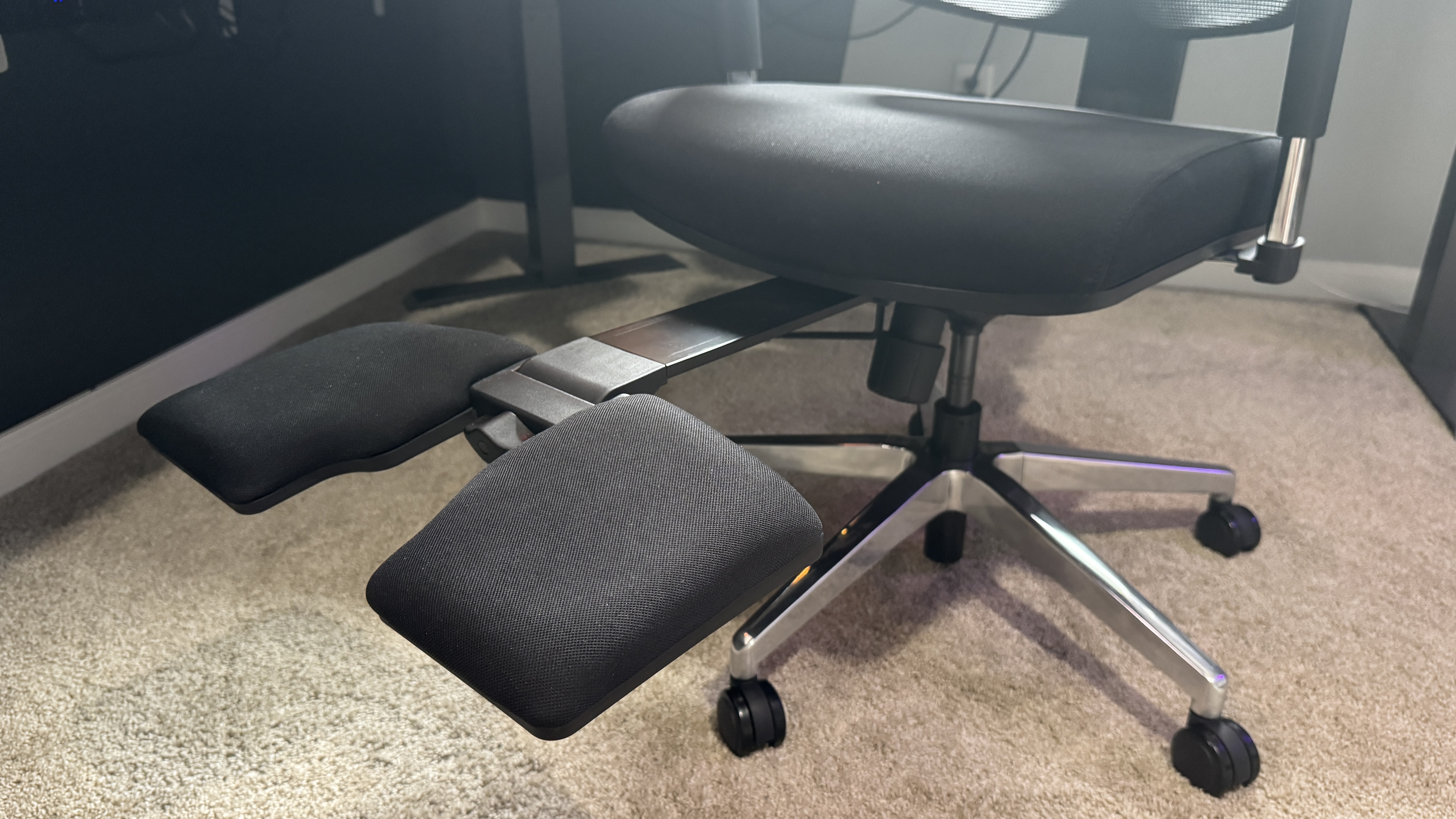
Our seating options feature quality fabrics, durable foams (including TEMPUR-Material from Tempur-Pedic), and carry quite a few awards as a result.
For example, our Task Chair is certified by the World Federation of Chiropractic, while our new Align Chair is a Red Dot Design Award Winner for 2025.
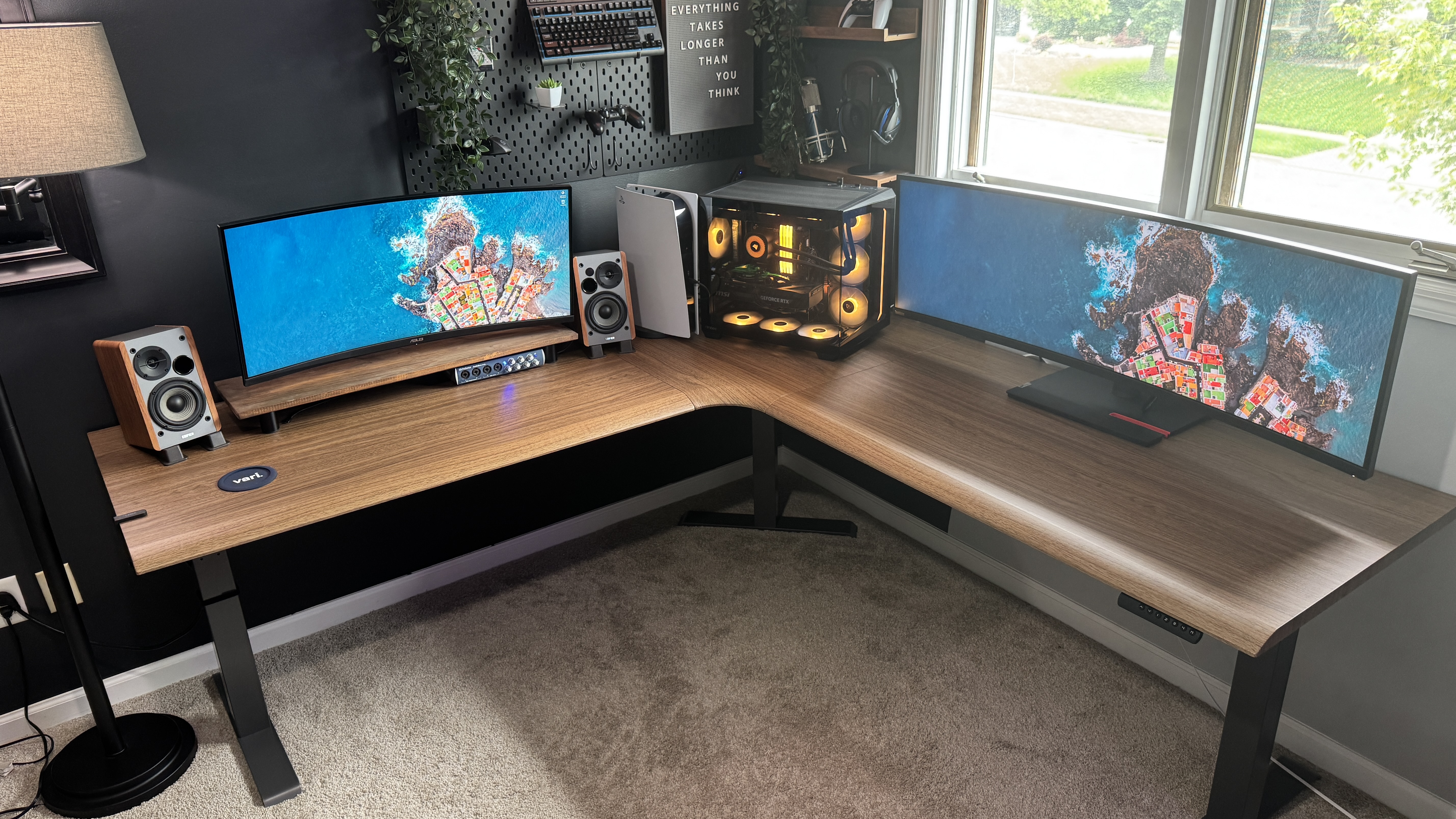
- Ergonomic chairs are designed for perfect posture and standing desks are marketed with users standing perfectly upright. But in reality, we slouch in our chairs, and after 20 minutes at a standing desk, we lean half our body weight onto the front edge. How does Vari’s design team accommodate how people actually behave - engineering chairs and desks that don't punish slouching or won't wobble when the afternoon slump creeps in?
We believe that different people have different seating needs, whether it’s a workhorse office chair like the Task Chair or a more “active sitting” approach like our CoreChair or Active Seat that allows you to engage your core.
There’s no one-size-fits-all office chair, so we try to meet folks where they are with different chairs designed for different needs.
When you listen to your customer, chances are they’ll tell you what they really need!
- My biggest issue with the standing desks my team reviews is the complete lack of cable management solutions. I know routing cables on a desk that physically moves up and down is an engineering nightmare, but why is cable management still treated as an afterthought in this industry, and how is Vari designing a desk that actually kills the clutter?
Our desks come with complimentary cable management wraps to get customers started right out of the box.
These are designed to allow the cables to move alongside the desk as it raises and lowers. For more “complicated” needs, we offer a Cable Management tray that’s designed to fit a power strip, but also tuck away most cords, so that you only have a single visible cord feeding into it.
And for corporate office settings, we have products like our Power Beams and QuickFlex Cubes that can accept integrated power for a sleek look at scale.
- Finally, every industrial design team has a 'holy grail'. If you had absolutely no limitations regarding motors, physics, or manufacturing costs, what is the one fundamental flaw of the modern standing desk that Vari would permanently eradicate tomorrow? What is the ultimate evolution of the standing desk?
There are a few things we’ve considered “holy grails” that we’ve actually managed to accomplish – desks that carry a full lifetime warranty, the ComfortEdge that eliminates hotspots in the wrists and hands, and of course our patented assembly I mentioned earlier.
As for what’s next, we’re focused on the future of work and the role our desks, chairs, and other products play within it.
We’re designing solutions that support both focused, individual work and spaces built for connection and collaboration. As AI, robotics, and the evolution of work continue to reshape the world, we’re excited to embrace these changes.
While I can’t say exactly what’s coming, I can tell you we’re excited to bring more than 100 new products to market in 2026!
Follow TechRadar on Google News and add us as a preferred source to get our expert news, reviews, and opinion in your feeds. Make sure to click the Follow button!
And of course you can also follow TechRadar on TikTok for news, reviews, unboxings in video form, and get regular updates from us on WhatsApp too.




 English (US) ·