

Nioh 3 releases early next year, marking the long-awaited return of Team Ninja’s engagingly tough soulslike action series. The developer briefly switched tracks in 2023 with the excellent Wo Long: Fallen Dynasty, which applied a similar demonic mythological premise to the Three Kingdoms era of China. But for many, Nioh 3 will be the return many fans have been waiting for since 2020 and the release of Nioh 2.
I recently went hands-on with Nioh 3 at a preview event, and my impressions so far have been largely positive. At the same time, I was able to sit down with the game’s producers, Kohei Shibata and Fumihiko Yasuda, to learn more about its development, the team’s approach to difficulty, the balance of the new combat styles, and more.
It takes two (stances)
I opened the interview by asking about the most important changes and improvements the team wanted to make for Nioh 3. There were two key aspects that stood out here.
“There are really two elements that we looked to improve with this game,” said Shibata. “We really wanted to evolve the action elements compared to the first two games.
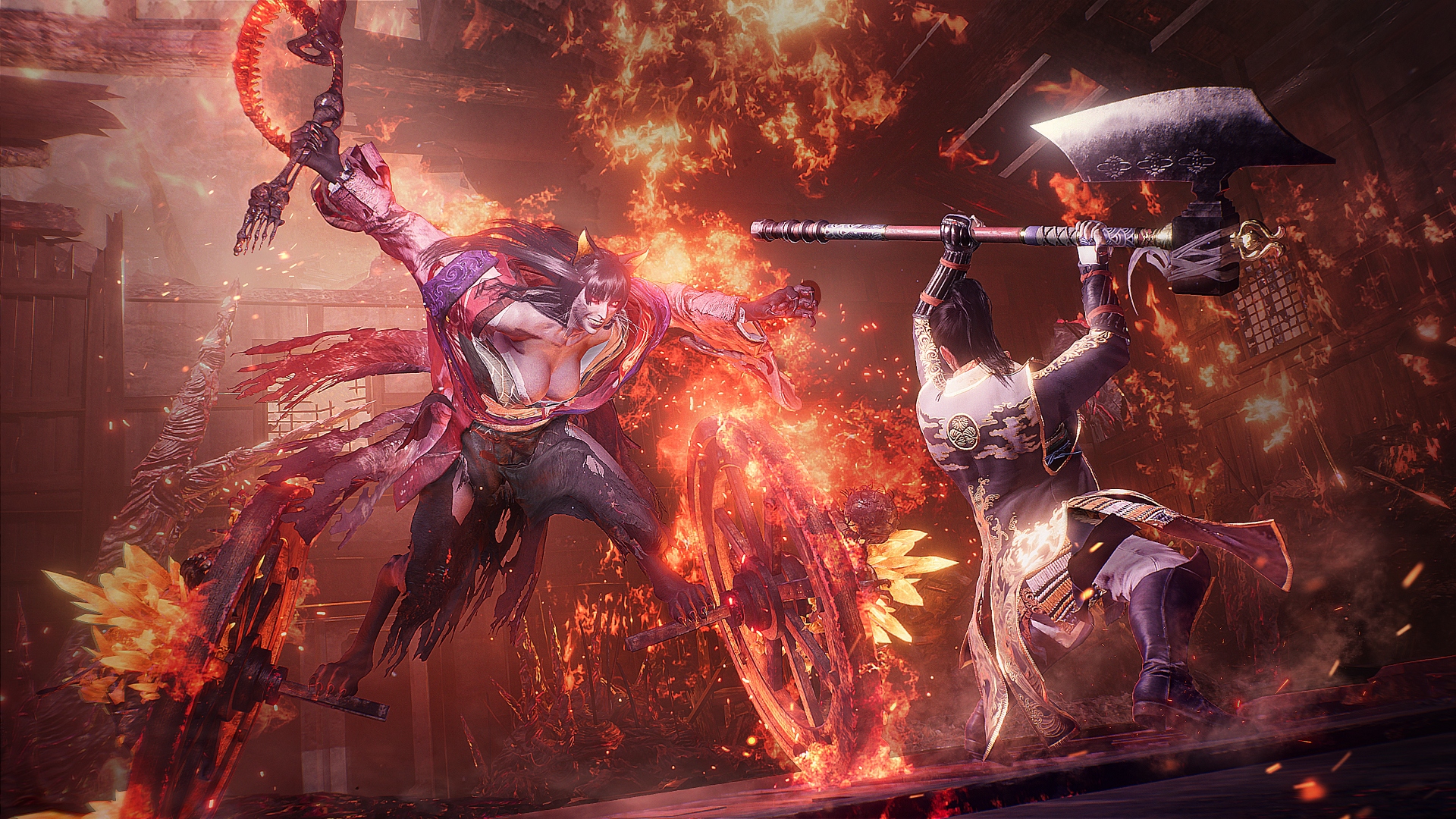
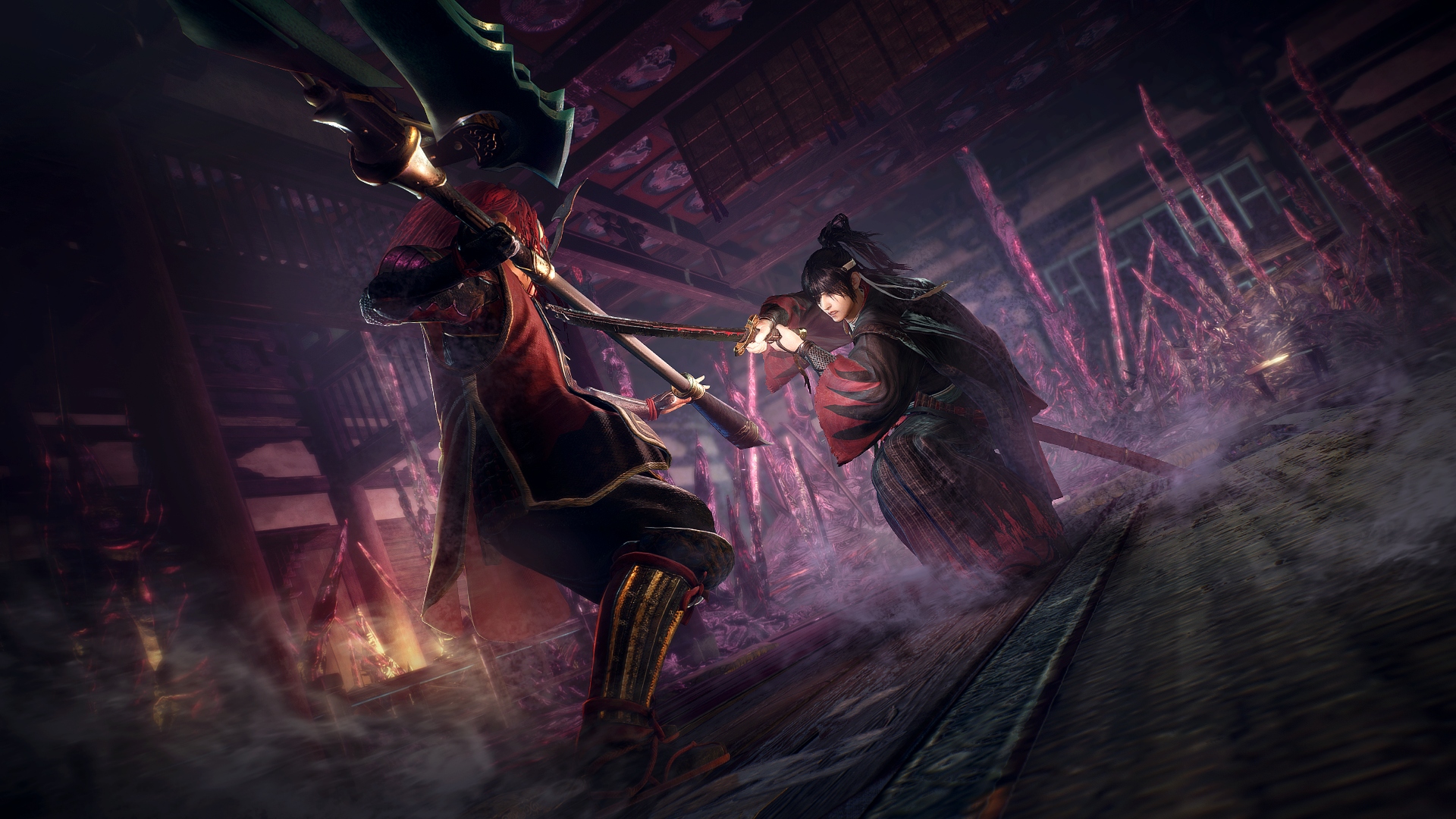
“In this game, we wanted to look at different action styles. We retain the Samurai style, which has been - and still is - the ‘feet on the ground’ fighting style. But now we also have Ninja style, where you have a lot more speed, and a focus on speediness and immediacy with your actions.”
“The second element,” he continued, “would be the open field level design. In the past, Nioh was based on individual missions. But with an open field, it gives you a lot more opportunities for exploration and greater strategic options to the player.
“For example, in the past, if there was a boss that you weren’t able to defeat, you didn’t have much choice outside of replaying that stage. Now with an open field format [in Nioh 3], you can decide, ‘maybe I’ll take a different route,’ or ‘maybe I’ll do a different mission first, then I’ll go back and defeat that boss.’ So players are given a lot more options as to how they want to approach the game, and I think we were able to really widen the freedom of opportunity for players, as well.”
In order to inform the gameplay and system changes of Nioh 3, I asked if, in the six years since Nioh 2’s release, the team had taken inspiration from other Team Ninja and Koei Tecmo projects.
“Yes, titles like Ninja Gaiden 4 and Wo Long: Fallen Dynasty were developed in parallel with Nioh 3,” responded Yasuda. “And that open world or open field element of Rise of the Ronin was also being developed in parallel with Nioh 3.
“So there is inspiration taken from our own games. And some of the team members [working on Nioh 3] have been working on those other games as well, so there is definitely some inspiration we’ve taken from those other titles.”
A new challenge
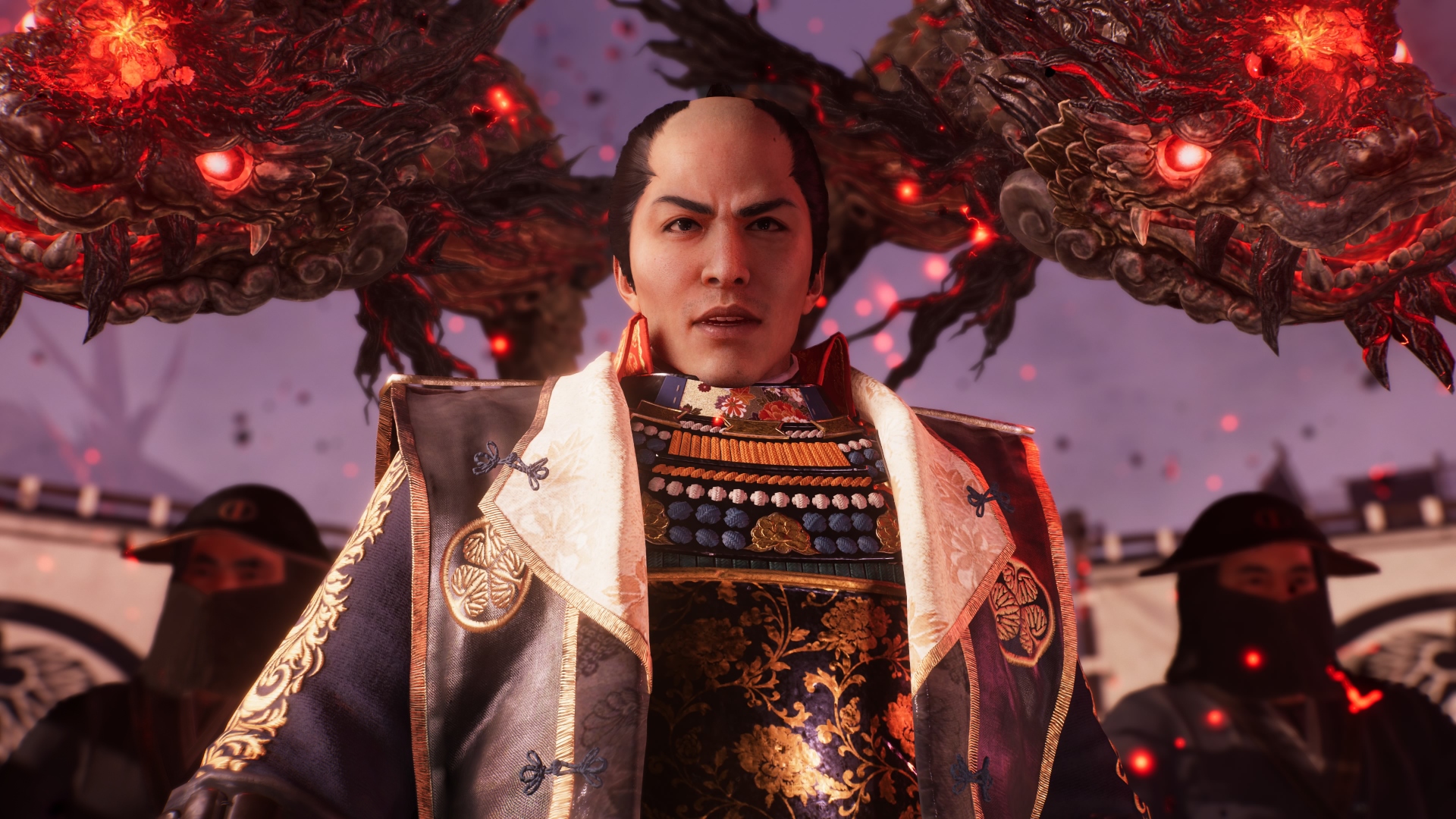
The Nioh games are hard, even by soulslike standards. Even basic enemies can be unpredictable, hit like a truck, or even work in tandem with other foes to surround the player. Late game challenges such as Twilight missions and New Game Plus runs also often require absolute mastery of the series’ systems.
With Nioh 3, players have even more to work with. Whether that’s the style switching between Samurai and Ninja, or even just the ability to both jump and crouch, we’re a lot more agile and adaptable in this third game. On that note, I asked if Nioh 3 will still present a serious challenge to players even when their characters are more capable than ever before.
“In terms of difficulty and the strength of enemies,” Shibata said, “I think that has remained the same [as the first two games]. But since there’s a lot more freedom this time, it gives players a lot more opportunities to find the best way to defeat these enemies. For example, players can choose to only play as Samurai, or maybe they only want to play as Ninja, or they can switch between the two. But in terms of the base difficulty level, the way enemies are, that’s remained the same. It retains that high level of difficulty.”
Later, I wanted to know if the team had ever considered adding easier difficulty options, potentially for players who want to enjoy the story or try out different builds with reduced stress involved.
“It’s something we’ve never considered for the Nioh series,” Shibata replied confidently, “one of the core series elements is really giving you that sense of accomplishment. That’s something that we really value for this game.”
Shibata reiterated that the open field format and the new strategies it affords players should help them to better prepare themselves for Nioh 3’s toughest challenges in a more freeform manner.
He then talked about difficulty options being added depending on the context of any particular Team Ninja game: “In terms of Team Ninja in general, take Stranger of Paradise: Final Fantasy Origin. We’re attracting fans of that IP, so we want to make sure that it’s a game those fans can get into.
“And with the Ninja Gaiden series, we’ve always had the various difficulty levels there. So if it works for the series, it’s something that we do consider. But for the Nioh series, we’ve stuck with just a single difficulty level.”
Pro performance
I also wanted to ask the team about PS5 Pro-specific features, given that the build of the game at the preview event was running on Sony’s premium machine.
“So since it is a PS5 Pro enhanced game, you can make use of PSSR,” Shibata explained. “And in terms of framerate, that’s obviously the biggest difference between the PS5 Pro and base PS5.”
Shibata didn’t elaborate on the performance difference between PS5 Pro and base PS5 here. I’m happy to report that I didn’t encounter anything in the way of frame drops during my preview session. Though during the Alpha demo on my base PS5 at home, I do remember experiencing the occasional dip in overall performance. Granted, that was an older build of the game, so things could have improved between then and now, but certainly something to keep in mind when the game launches.
He explained that the team has largely opted for a light touch when it comes to the DualSense’s exclusive features.
“There are some things,” he said. “When you’re using a bow and arrow, when you’re pulling back on the bow [with the trigger], you can feel that reaction. But we’re also making sure not to overdo it with haptic feedback. As an action game, it needs that sense of speed and responsiveness. If we rely too much on haptics, it can make the experience less responsive for players, so we’re making sure that we get the right balance there, as well.”
An adventure for the ages?
Lastly, I wanted to touch on the setting of Nioh 3. While still set in Japan, around a similar time frame to the first two games, things are a little different. Nioh 3 will, in part, involve a time-travel element for its plot, and we’ll be hopping back and forth between several different periods of Japanese history.
“In terms of each time period, there’ll be certain things you’re able to do. By going into the past, there are things that you do that can change the future. Then, you may be able to find that you can go back into the past and find things that you weren’t previously able to do in that period.”
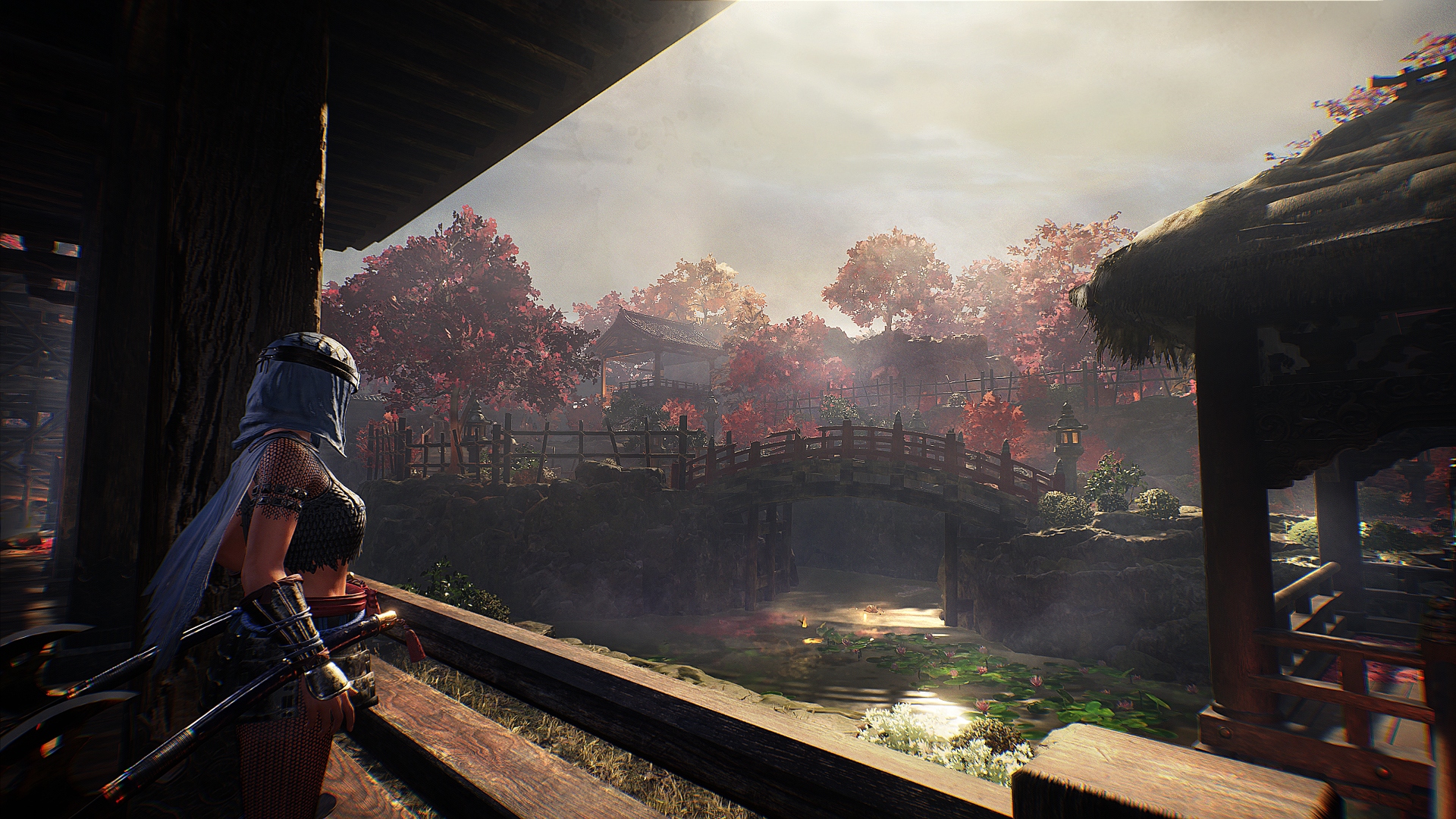
Shibata explained that time travel will be used for gameplay as much as it is for Nioh 3’s story, saying: “Each era you visit will look different. One could be engulfed in flames, while another will be more of an ice world.
“As an example, the Heian period will be engulfed by snowstorms, which didn’t happen in actual history (laughs), but for the purpose of this game, we’ve chosen to show it like that. And for the changes in various areas, for those who are well-versed in Japanese history, they can probably tell the differences by the way that the buildings or structures look in the world.
“But I think for most people worldwide who aren’t familiar with Japanese history, the different environments and conditions help players to more easily identify that they are in different time periods.
“In that Heian period, for example, we will have traps or elements that are unique for that ice-covered world. And so, the way you need to progress through each era also changes, because you’ll need different strategies to confront the various different environments.”
It’s all sounding impressively visually diverse compared to the first two Nioh games. But we won’t see the full scope of things until Nioh 3 launches on February 6, 2026, for PlayStation 5 and PC.
Follow TechRadar on Google News and add us as a preferred source to get our expert news, reviews, and opinion in your feeds. Make sure to click the Follow button!
And of course you can also follow TechRadar on TikTok for news, reviews, unboxings in video form, and get regular updates from us on WhatsApp too.






 English (US) ·