

Published Aug 23, 2026, 3:00 PM EDT
Faith Roswell is a Senior Writer on Screen Rant's Classic TV team. Since earning her degree in Creative Writing over a decade ago, Faith has written articles on film and TV from a variety of different angles. Faith now combines her knowledge of psychology with her love of monster movies to give more insight into what makes the best ones.
You may have read her Screen Rant lists and features covering horror, sci-fi, and fantasy, or read her Amazon Top 10 book, "Movie Monsters of the Deep."
Faith has had an extensive career as a writer, appearing on BBC live radio, researching true crime for Rotten Mango podcast, and writing for publications including Mental Floss, Atlas Obscura, and The Daily Jaws before beginning here at Screen Rant.
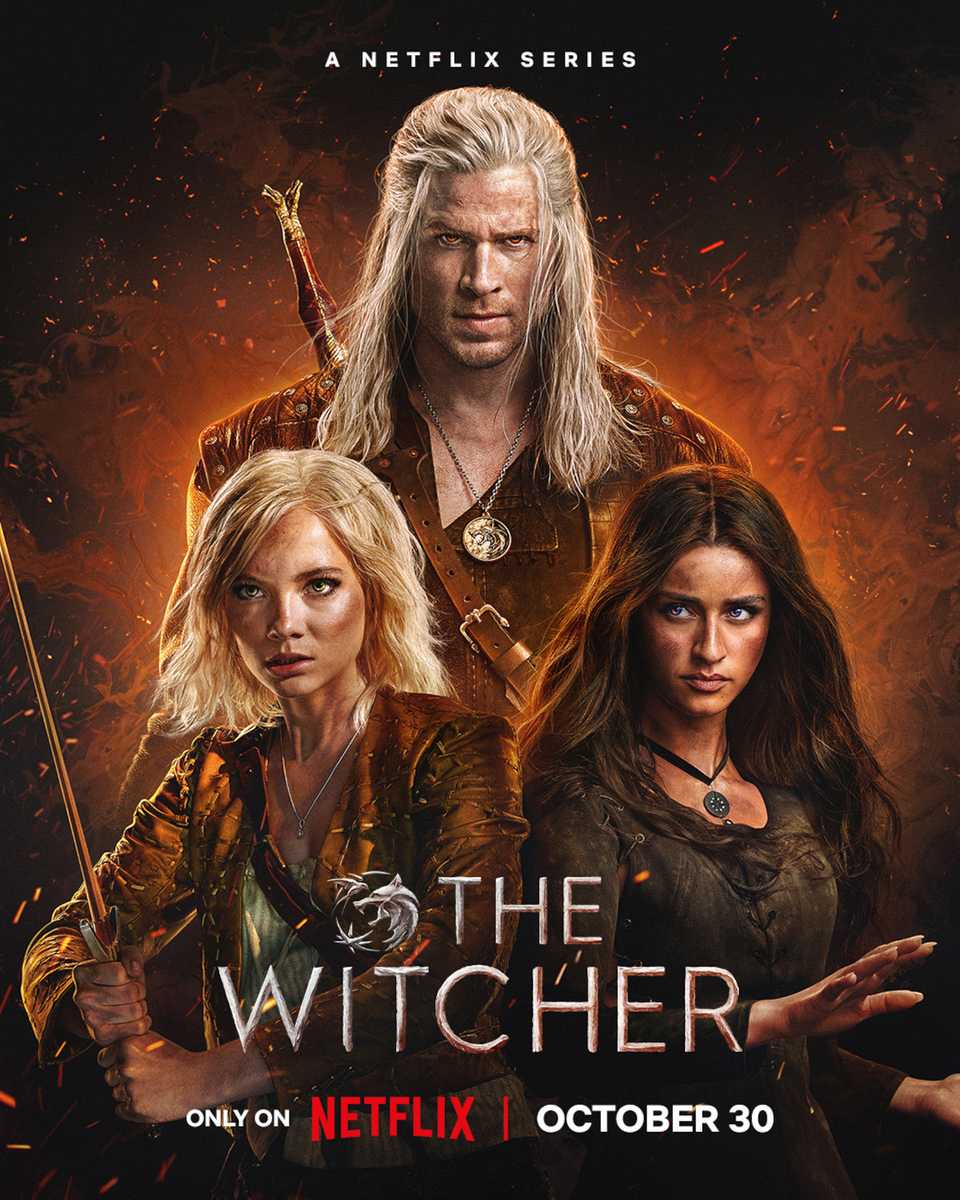
The Witcher TV series has had a complicated relationship with Rotten Tomatoes scores, polarizing audiences and critics for much of its run after the first season, but the show has dropped to a new low in audience approval. The four seasons of The Witcher have undergone major upheaval, but the first season got off to a solid start, with Rotten Tomatoes critics deeming it 68% positive, while audiences were much more impressed, rating it 88%. This was a significant achievement for an adaptation of a story with such a passionate and involved fanbase, but things fell apart shortly afterward.
Had the showrunners begun by reflecting the tone of the books and aesthetic of the video games rather than faithfully telling the story, this could have instantly revealed whether the strategy was going to work, and allowed them to change the approach for the next season if necessary, as many other TV shows have done. Instead, the inexplicable decision to veer away from a promising formula meant that The Witcher was already losing fans by the end of season 2. This reportedly included the show's most important fan, Henry Cavill himself.
Henry Cavill announced that he was leaving The Witcher before season 3 premiered and speculation was rife over his departure. Cavill had regularly expressed his love of the original books and video game adaptation, and had repeatedly reassured fellow fans that the show would remain true to these. However, the writers and showrunner Lauren S. Hissrich did not share his vision, with SFF Gazette reporting that Hissrich had intentionally avoided bringing in writers familiar with the books and that The Witcher writer Beau DeMayo saw "bad morale," with "some of the writers... actively mocking the source material."
The Witcher's Decreasing Audience Score On Rotten Tomatoes Explained
 Image via MovieStillsDB
The first season of The Witcher was largely faithful to the source material, the fantasy novels of author Andrzej Sapkowski, and as a fan of the franchise, Henry Cavill gave a career-defining performance as Geralt of Rivia. It was expected that season 2 would build on the success of the first season, but while critics were significantly impressed, rating it 95% positive and describing the show as a worthy Game of Thrones replacement, fans were less so, giving it a 55% positive rating after noticing one major issue. The Witcher was drastically deviating from its source material.
Henry Cavill was reportedly campaigning for changes behind the scenes in order to make Geralt more book-accurate, as The Witcher TV show changed book characters like Yennefer with no apparent reason, and the show's focus on invented storylines began to replace the established character arcs. This might have been the showrunners attempting to capture the spirit of the source material rather than replicate the saga entirely, but while this has worked in the case of shows like Arcane, even the geography of The Witcher appeared to make no sense, and the series began to lose viewers.
It has been suggested that Cavill left the show due to significant creative differences, despite claims that The Witcher season 3 would be more faithful to the books. With his performance arguably carrying the show, the fact that he had markedly less screen time in the show's third season did not help bring back previously-lost viewers, or ease the upcoming transition to Liam Hemsworth taking over as Geralt. While critics still praised the series, it was noted that it seemed to be torn between the books and forging its own path, and this left The Witcher at a crossroads.
|
Season |
Year |
Rotten Tomatoes critics' rating |
Rotten Tomatoes audience rating |
|
1 |
2019 |
68% |
88% |
|
2 |
2021 |
95% |
55% |
|
3 |
2023 |
79% |
22% |
|
4 |
2025 |
61% |
20% |
Many TV shows have course corrected after failed seasons, and gone on to succeed. The Witcher, with Liam Hemsworth in the central role and facing a choice between the first season's approach and continuing along the new path, could have been saved had it gone back to the drawing board. Instead, it forged ahead, leaving both audiences and critics unimpressed. ScreenRant's Felipe Rangel noted that "Liam Hemsworth is a serviceable Geralt, but after Henry Cavill's departure, much of the magic is gone," and season 4 of The Witcher had its lowest Rotten Tomatoes score in the history of the show.
The Witcher Season 5 Has No Choice But To Embrace The Show's Changes

The Witcher appears to have lost some confidence, with reviews describing shaky writing, disjointed plots, and continued departures from the source material. This includes significant changes to Yennefer's arc that were already extremely unpopular. From a narrative point of view, this was to give Yennefer more screentime as she is absent from portions of the books, but this has involved storylines that fans have pointed out to be wildly out of character. While Liam Hemsworth's Geralt has become the center of the complaints, fans might have been more willing to give him a chance if not for the existing issues.
While it is likely that The Witcher could have been saved after Henry Cavill's exit by taking the entire storyline in a more faithful direction, the showrunners doubling down on their divisive creative choices puts the fifth and final season in an interesting position. Bringing Henry Cavill back and restarting the show after the events in season 1 is not an option, and this leaves season 5 with no choice but to embrace the changes already made. This may not please The Witcher's remaining viewers, but there have been flashes of genius when the show truly commits to its decision.
Why Fans Shouldn't Give Up On The Witcher Season 5 So Soon

Despite barely resembling the source material, season 4 of The Witcher has captured Andrzej Sapkowski's storytelling in some key scenes, proving that a show can successfully reflect the spirit of a book even if it is not a direct adaptation. "The Joy of Cooking" might have been one of the more experimental episodes of the series, but the "story within a story" approach is something that Sapkowski has used to great effect. The way in which the characters brought their voices to their respective stories was a smart way to develop them as people without unnecessary exposition and clunky dialogue.
This episode could be the key to saving The Witcher. While Yennefer's story has still departed from canon due to her being a statue in the books, the other characters' journeys have slowly begun to move in the direction they took in the source material. These tributes to Sapkowski's storytelling might have come slightly too late, but they are appreciated, and the final season could redeem the show if details like this come more often. Season 5 of The Witcher will not end like the books, but it should reunite with them as "The Joy of Cooking" briefly did.
The Witcher was Netflix's most-watched original series launch, until it was overtaken by Squid Game and Bridgerton.
If The Witcher's creative team could take notes from the reviews, the story could end and be judged as a whole rather than a series of disjointed parts and disagreements, and right now the reviews are not all bad. Despite its 20% positive audience rating on Rotten Tomatoes, season 4 has been praised for its action and for Hemsworth's take on Geralt even though Cavill made the character his own. If the story could be brought back together with more respect for Sapkowski's books, season 5 would be the perfect opportunity to give The Witcher the ending it deserves.
Source: SFF Gazette
Release Date December 20, 2019
Network Netflix
Showrunner Lauren Schmidt Hissrich
Directors Stephen Surjik, Charlotte Brändström, Edward Bazalgette, Loni Peristere, Louise Hooper, Bola Ogun, Alex Garcia Lopez, Gandja Monteiro, Sarah O'Gorman
Writers Haily Hall, Clare Higgins, Javier Grillo-Marxuach, Jenny Klein, Tania Lotia
-

-

Anya Chalotra
Yennefer of Vengerberg


 English (US) ·