
 3 weeks ago
27
3 weeks ago
27
GoPro announced a new GP3 image processor a couple of weeks ago, promising twice the pixel-processing power of its prior system-on-a-chip (SoC) and improved image quality. After showcasing the new chip’s prowess with sample photos, GoPro today released a new video, and the next generation of GoPro is looking very good so far.
The still images released a few weeks ago and included again in this story already looked very good, outpacing the image quality expected from compact action cameras. In motion, the quality is perhaps even more impressive, as the technological challenges of motion picture are that much higher than still photography.
Although GoPro is keeping some of the nitty-gritty details of its next-generation AI-enhanced GP3 processor under wraps for now, the company is making ambitious promises. The GP3 is more power-efficient and thermally stable than the GP2, resulting not only in “industry-leading runtimes in the most demanding environmental conditions,” but also in better image quality.

“These advancements position GP3 to usher in a new era of professional-level image quality, low-light performance, resolution and frame rates for small form-factor camera markets, including action cameras, 360 cameras, vlogging cameras, and ultra-premium, compact cinema-grade cameras,” GoPro says.
GoPro users will have to wait a bit longer to learn more about the “next generation of GoPro camera” that the company used to capture its example photos and the new video clips above, but it is clear that AI is playing a significant role in improving its output.

The GoPro GP3 processor features a specialized AI Neural Processor Unit (NPU), which drives video pixel processing and low-light image enhancement. This enhanced processing works alongside dedicated processing cores that perform scene recognition and subject detection, ensuring that camera settings and AI processing are applied in bespoke ways depending on the scene.
Although a lot of attention is given to bigger, better image sensors — GoPro has not yet said anything about a next-generation image sensor, by the way — improved processing can have a dramatic impact on photo and video quality. Especially for a GoPro camera, which must remain very small and lightweight, major image-quality gains may be best realized through more robust processing. Like a smartphone, GoPro cannot simply throw a massive sensor and a big lens into its cameras, as that would undermine their usability for the target audience. There is a delicate balance between making imaging pipelines physically larger while keeping the camera compact.
That said, in an ideal world, all else equal, a new GoPro would sport a bigger sensor than the GoPro Hero 13, which has a 27-megapixel Type 1/1.9 CMOS, but there is much more to image quality than bigger sensors. Companies can meaningfully improve image quality by upgrading software and increasing processing power, without changing the sensor itself. The more powerful a processor, the more performance it can extract from the sensor.

Based on what GoPro has shared so far, it seems the GP3 delivers significantly better noise reduction and sharpening than before. None of the sample shots have the classic “over-processed” look visible with many relatively small image sensors. The photos and footage looks sharp, but not too sharp, and the noise reduction is not heavy-handed.
In recent years, GoPro has focused more of its efforts on making its products work inside high-end cinematic workflows. With GP3, the company is doubling down on this goal. There is a notable focus on delivering industry-leading resolutions, frame rates, and most importantly, image quality.

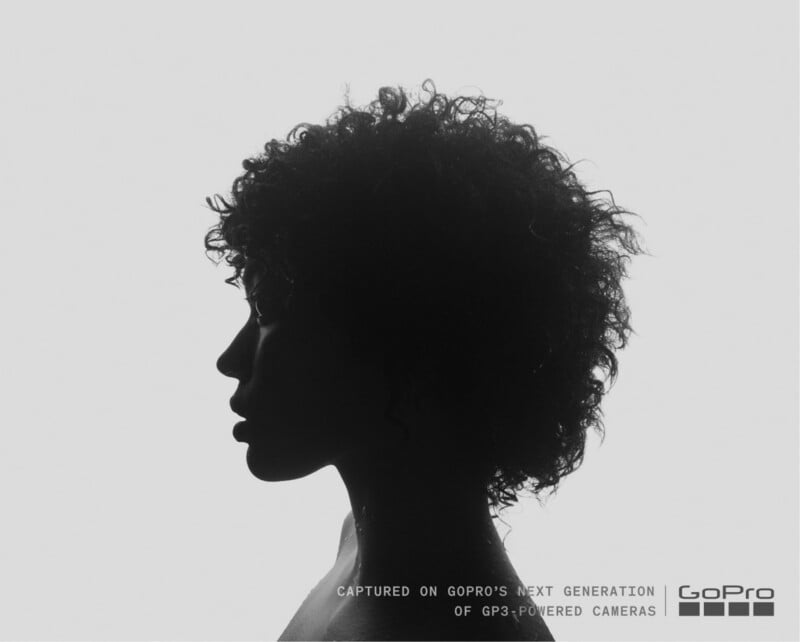
“GP3’s bleeding-edge, cinema-grade performance will enable GoPro to enter the ultra-premium end of the imaging market this year, serving the needs of a new, higher-end market segment that can grow GoPro’s business and brand,” says Nicholas Woodman, GoPro’s founder and CEO. “We’re excited for GP3 to empower GoPro as both an innovator and disrupter as we look to grow our business through market-leading technology and performance.”
Whether GoPro’s next generation of cameras will deliver on all these promises remains to be seen, but the signs so far are undoubtedly positive. GoPro needs a win, and it will try to do so in Q2 2026 when it debuts new GP3-powered GoPro cameras.
Image credits: GoPro






 English (US) ·