
Polaroid Go Gen 3: Two-minute review
Cards on the table: I love Polaroids. I’m of the right generation to have grown up with these instant-film wonders on holidays and at parties, and I was thrilled when the brand was properly revitalised in 2017 under new ownership. From the early OneStep cameras to more recent efforts like the Polaroid Flip (which I currently own), I’ve used a lot of nu-Polaroid’s offerings, and I was thrilled to try out the Polaroid Go Gen 3.
The Go series are Polaroid’s range of super-small instant cameras. They use their own dedicated ‘Go’ film, producing prints measuring 66.6mm x 53.9mm with an image area of 47mm x 46mm (for context, a full-size I-Type print measures 107mm x 88mm with an image area of 79mm x 77mm). They still have that Polaroid look, that lo-fi charm, that iconic square format. They’re just smaller.
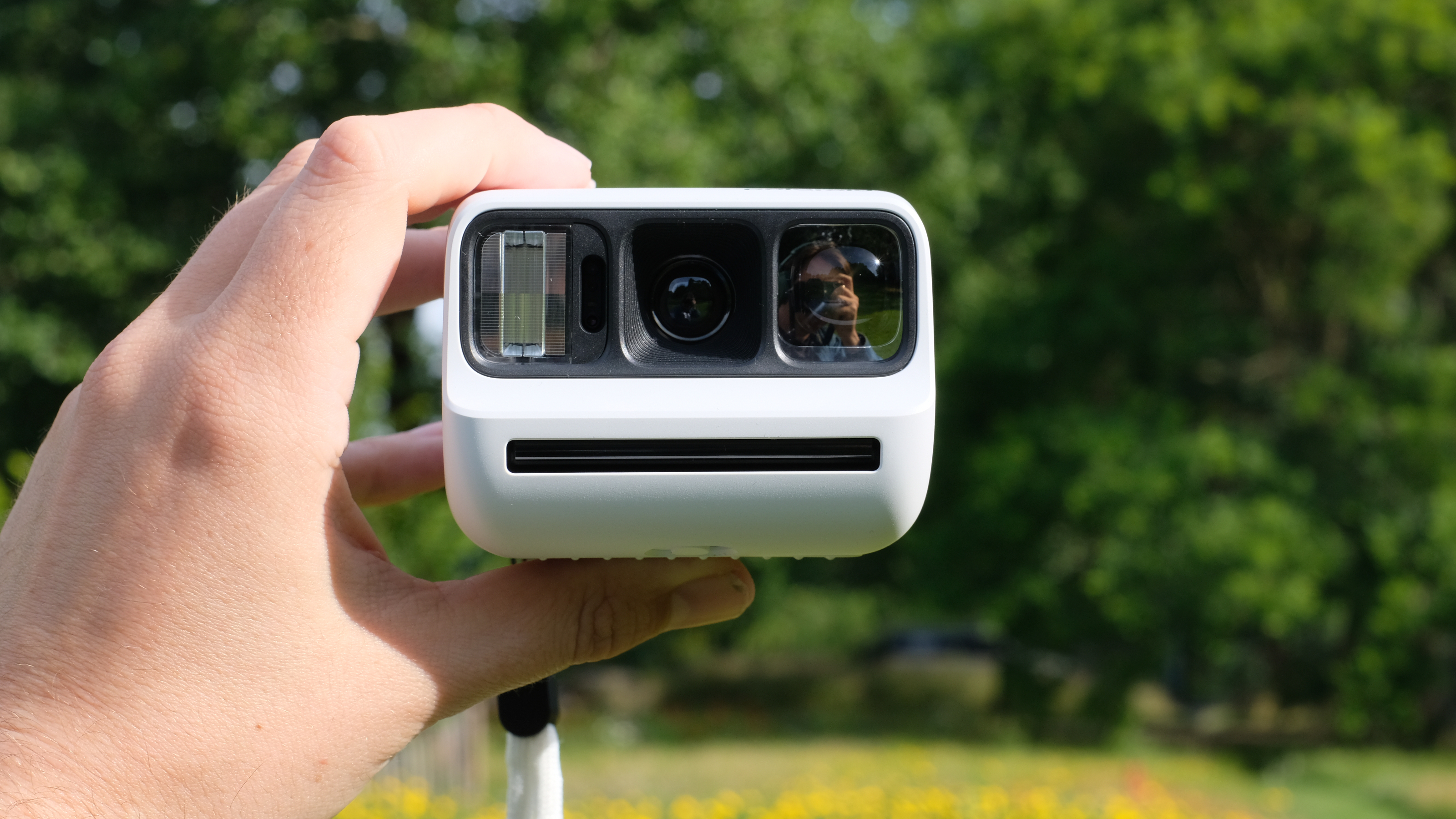
The Go Gen 3 is the smallest camera the series has yet produced. It is clearly pitched at a younger crowd — festival-goers, beach-enjoyers, selfie-takers, and it has a selfie mirror to facilitate this. Its controls are extremely simple; you can’t control settings, you just point and shoot.
Latest Videos From

Most of this was also true of previous Go cameras, such as the Go 2, so what exactly is new here? Well, as well as the reduced size, Polaroid has outfitted the Gen 3 with a boosted flash and a redesigned lens sporting a narrower focal length of 63.75mm, compared to 51.1mm on the Gen 2. This gives you a slightly tighter perspective, gets you closer to your subjects, and makes your selfies that little bit more flattering.
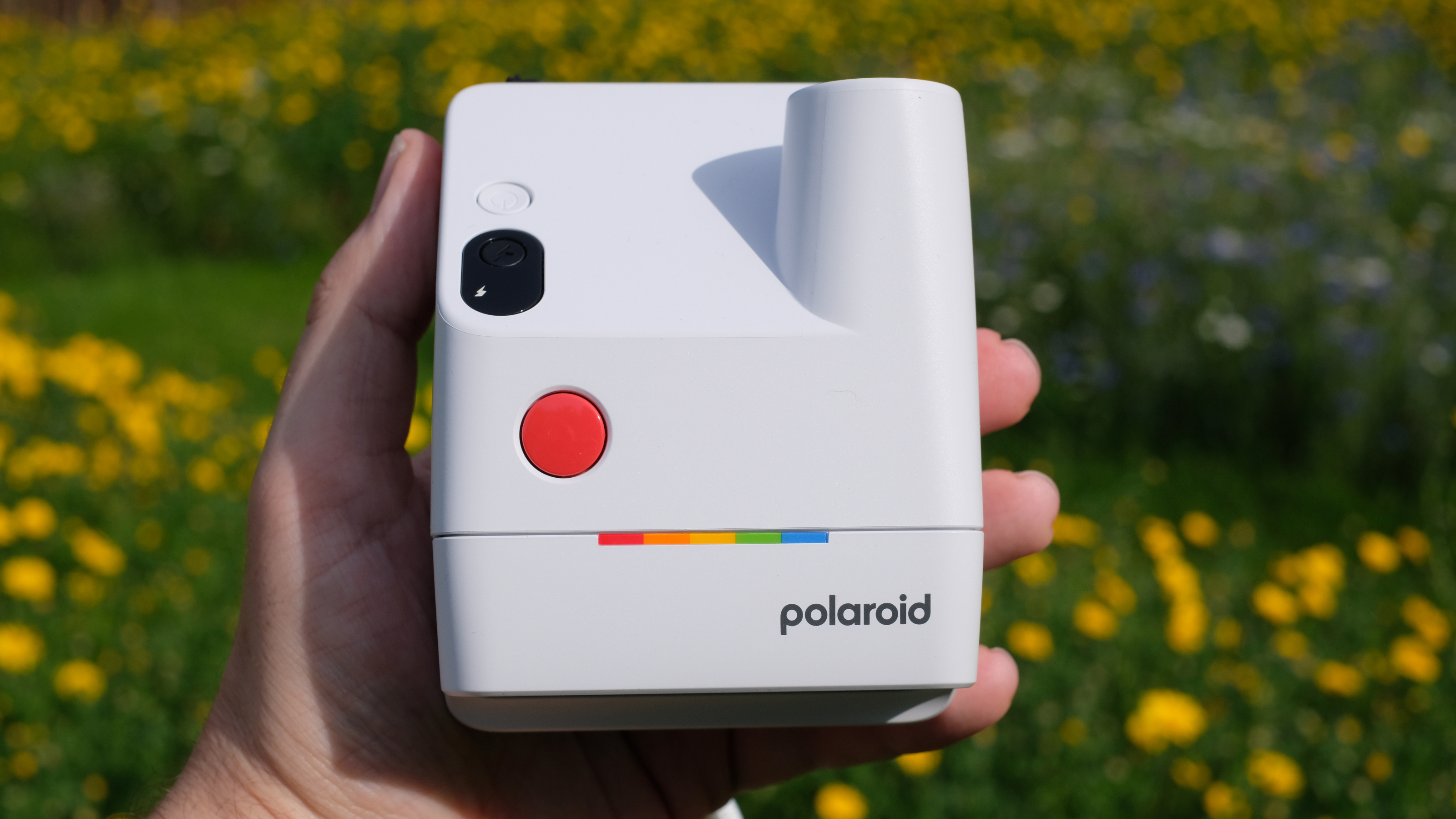
So, it's a much simpler offering than the Flip, which has a fancy four-zone focus system and offers full settings control via the Polaroid app. The Polaroid Go Gen 3 does have a shutter speed range of 1/500–1sec and aperture settings of f/14.4 and f/32, but it will be selecting those for you. However, that’s not to say you’re completely without agency. You can turn the flash on and off via the flash control button, which also activates a self-timer mode and a double exposure mode — meaning you can expose the same frame twice for surreal, creative effects.
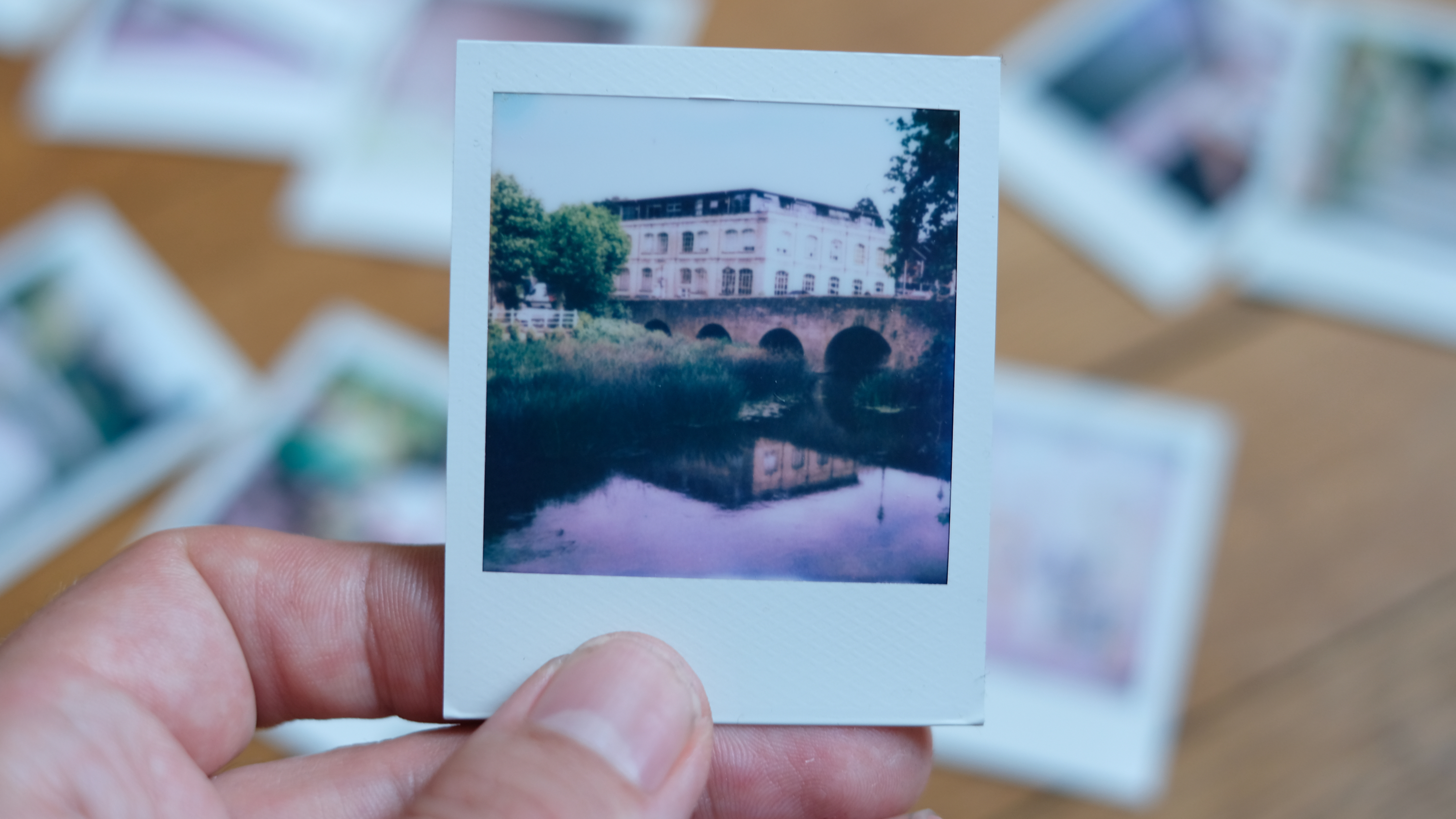
I used the Polaroid Go Gen 3 for about a week, mostly capturing shots on photo walks outdoors, but also making use of the selfie mirror to shoot some self-portraits indoors. I’ve been very impressed with the level of quality those little prints are able to display — when the light’s been right, I’ve found myself absolutely poring over images, appreciating all the subtle details that are conveyed in these tiny prints. Even in the smaller size, you still get the feeling of Polaroid’s signature lo-fi tones.
It’s not perfect. I found ultra-bright sunlight to be a problem, with the prints easily becoming blown out and overexposed on sunny days — which also seem to me like the days you’re most likely to want to use the camera. However, the relative affordability of Go film compared to I-Type makes me much more willing to play, experiment and have fun with the Go Gen 3, and not sweat my mistakes too much. Which as far as I’m concerned, is what instant photography should be all about.
Polaroid Go Gen 3: price and availability
Polaroid has been cannily stalking the Instax market share with the Go series, and part of that has been keeping the cameras nice and cheap. The Go Gen 3 comes at a reasonable launch price of $89.99 / £79.99 / AU$150, which is about the same as the comparable Instax camera, the Instax Mini 13, and similar to cheap lo-fi digital cameras like the Camp Snap.
However, as it’s a film camera, you have ongoing costs to factor in. Polaroid Go cameras use dedicated Polaroid Go film, which costs around $21.99 / £18.99 / AU$39 for a pack of sixteen shots (two cartridges of eight). Again, this is similar to Instax mini, which is slightly cheaper at around $20.99 / £14.99 / AU$34.95 for a pack of twenty.
Happily, it’s much more reasonably priced per shot than full-size I-Type film. As much as I love proper Polaroids, $18.99 / £16.99 / AU$32 for just eight shots is really quite brutal, and makes the experience a bit less fun. You don’t kick yourself for a fluffed Go shot in quite the way you do for a fluffed I-Type shot, and it makes the Polaroid Go Gen 3 a more realistic option for kids and families.
Polaroid Go Gen 3: Design
- Super small, trop mignon, fits in the palm of your hand
- Very simple operation with just three buttons
- No tripod thread, but there are lugs for a strap (and one is supplied)
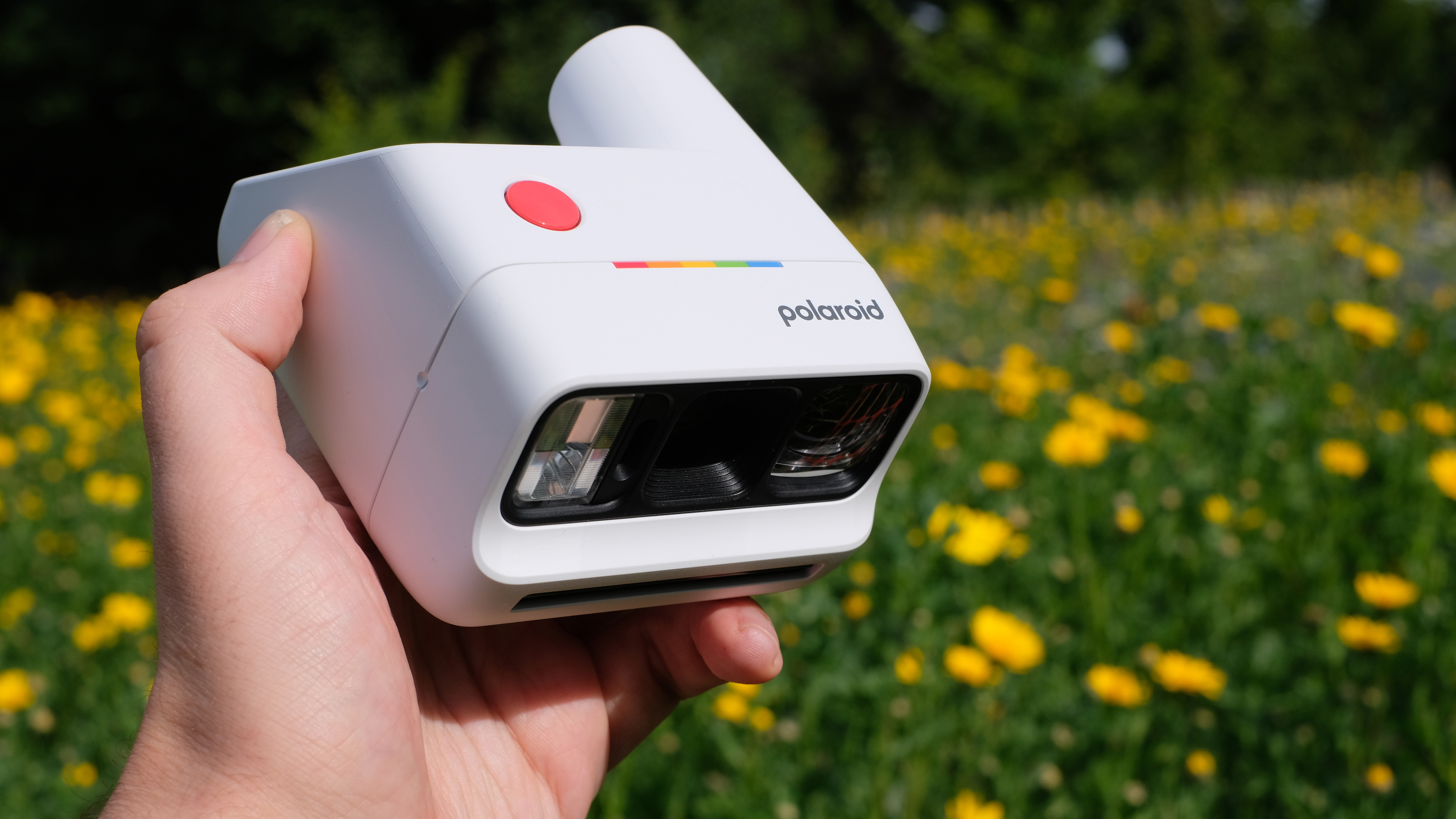
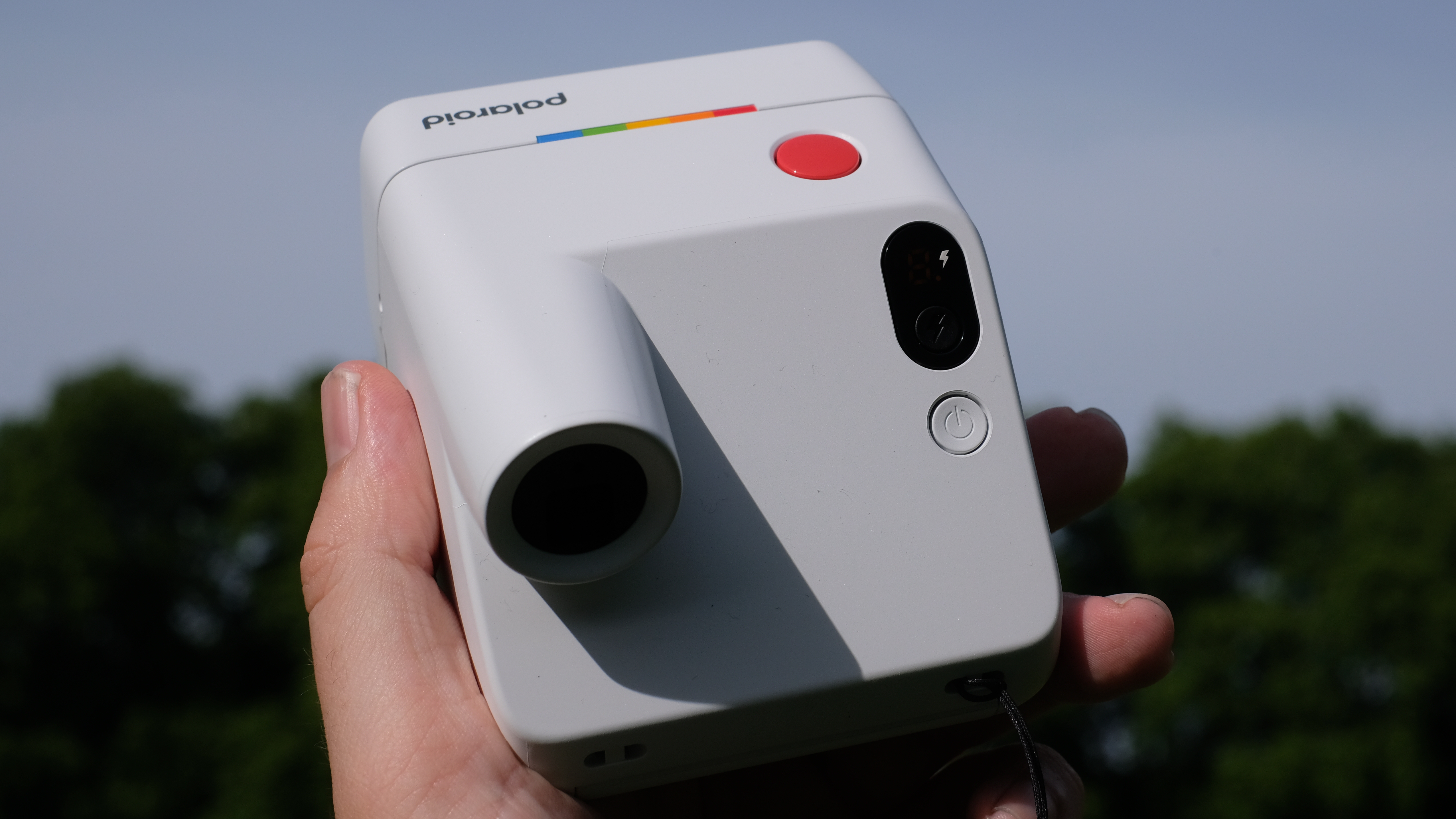
Polaroid Go cameras have always been cute — it’s practically their key USP — and the Go Gen 3 is the cutest yet. The makers call it the world’s smallest instant camera, and I certainly can’t think of a challenger. This thing is tiny, sitting comfortably in the palm of a hand. It measures 106.5 x 83.8 x 64.6 mm and weighs just 8.9oz / 251g.
As such, there isn’t a whole lot of room for bells and whistles, and operation of the Polaroid Go Gen 3 is no-frills. There are just three buttons — power, shutter, and flash control, the latter of which also activates self-timer and double-exposure modes. The entire bottom of the camera is taken up by the film door, meaning there’s no tripod screw thread — best find a flat wall if you actually want to use that self-timer. There also isn’t any of the app-based camera-trigger functionality that you get with the likes of the Polaroid Flip, which also means you won’t be capturing long exposures or anything like that.
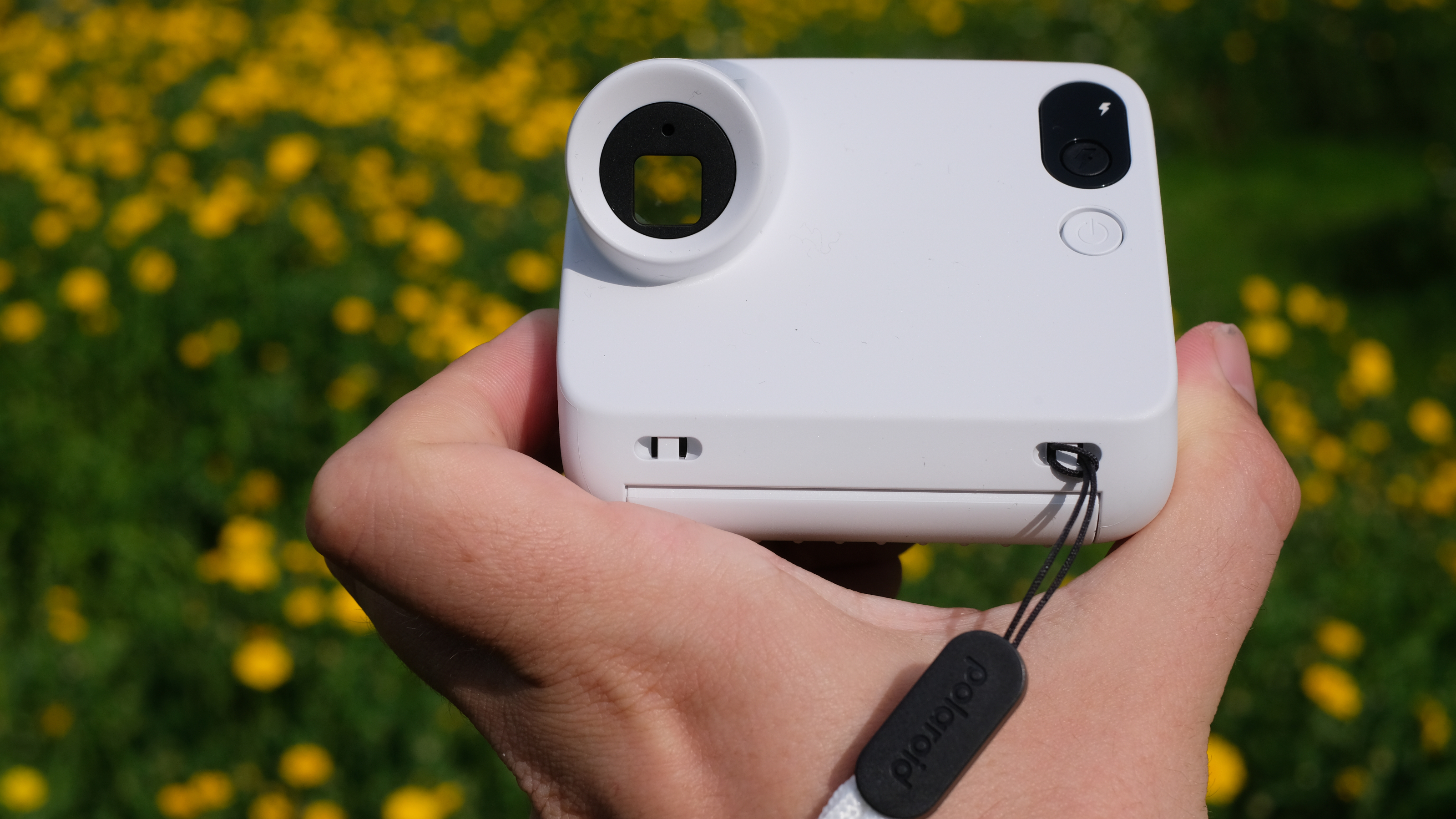
The viewfinder is small but lovely. I really enjoy looking through it; I just love that square frame. It really fires my imagination compositionally, and if I hadn’t been limited by how much film I had on hand, I would have been firing off shots left and right. Flip the camera around, and you’ll see that the front of the viewfinder is reflective. This is the selfie mirror, and I have to say, it works exactly as intended.
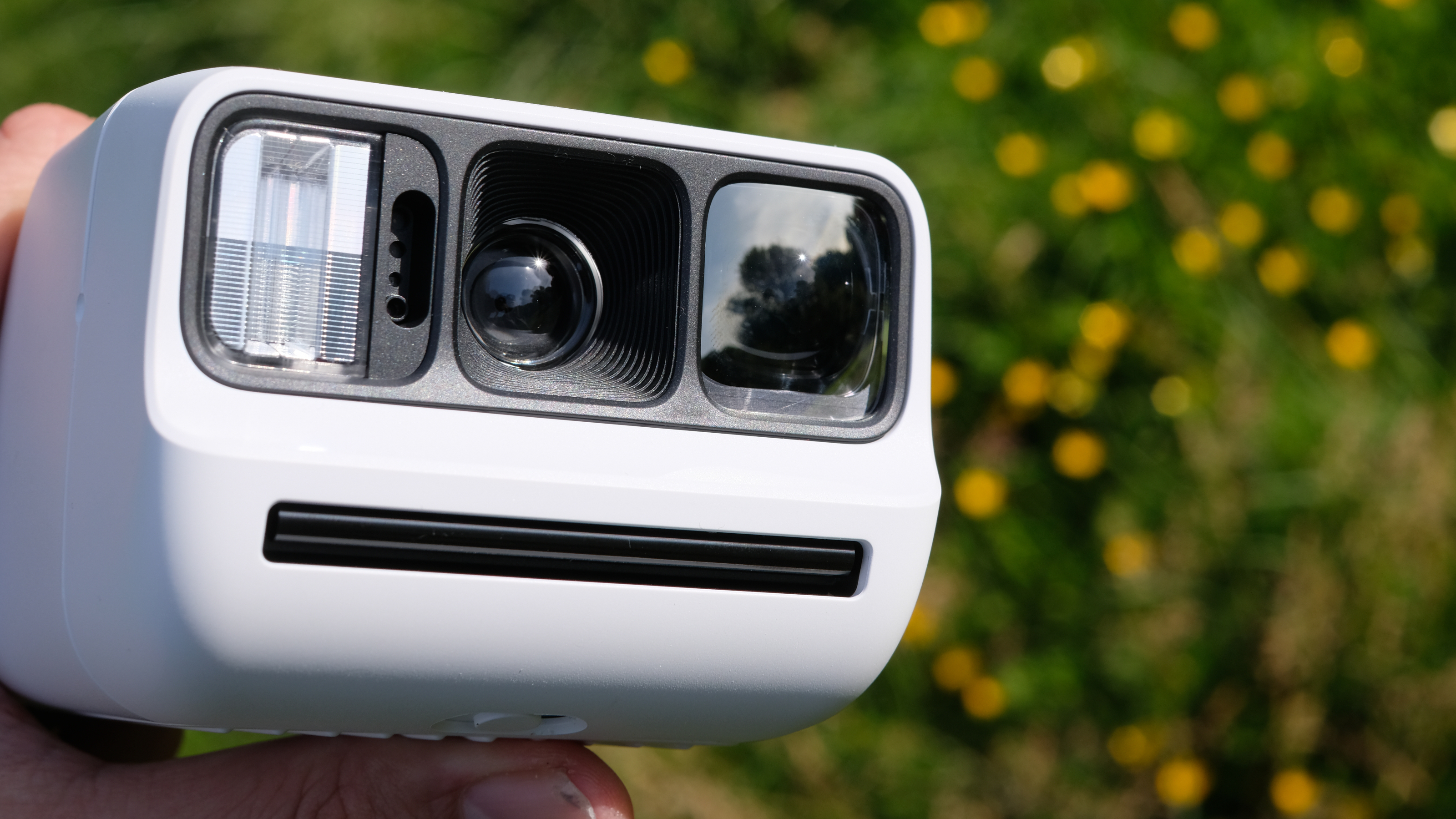
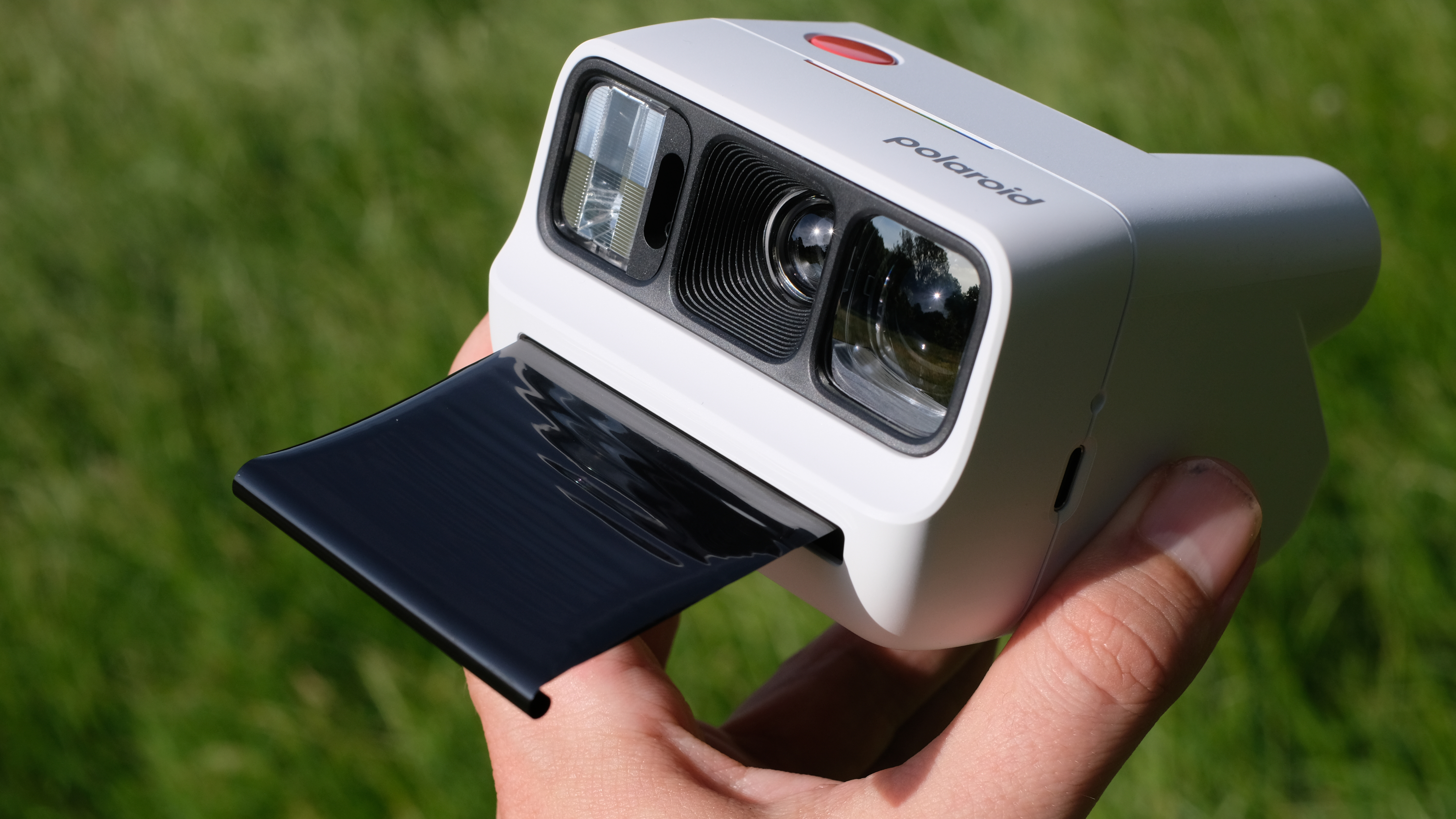
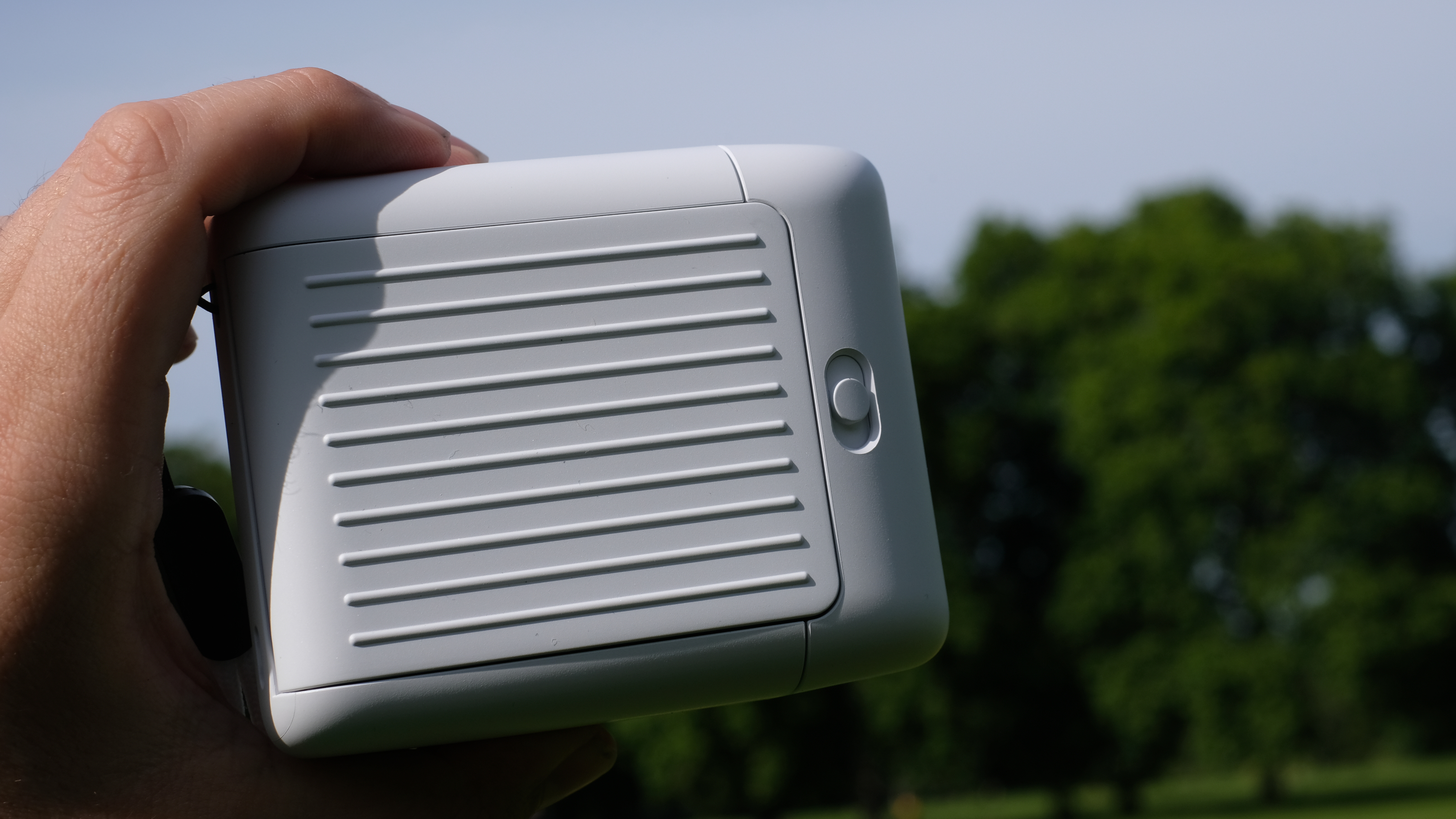
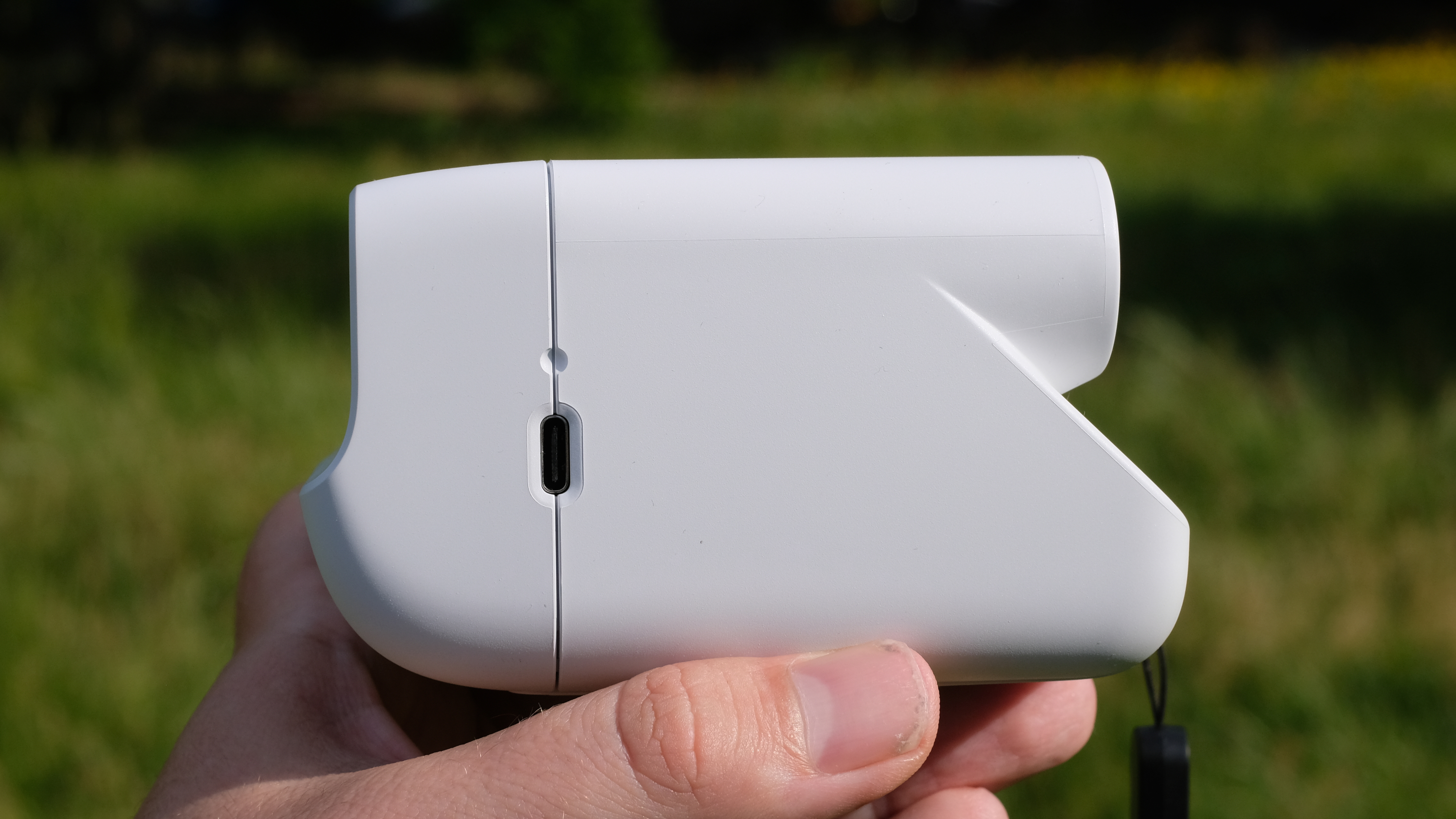
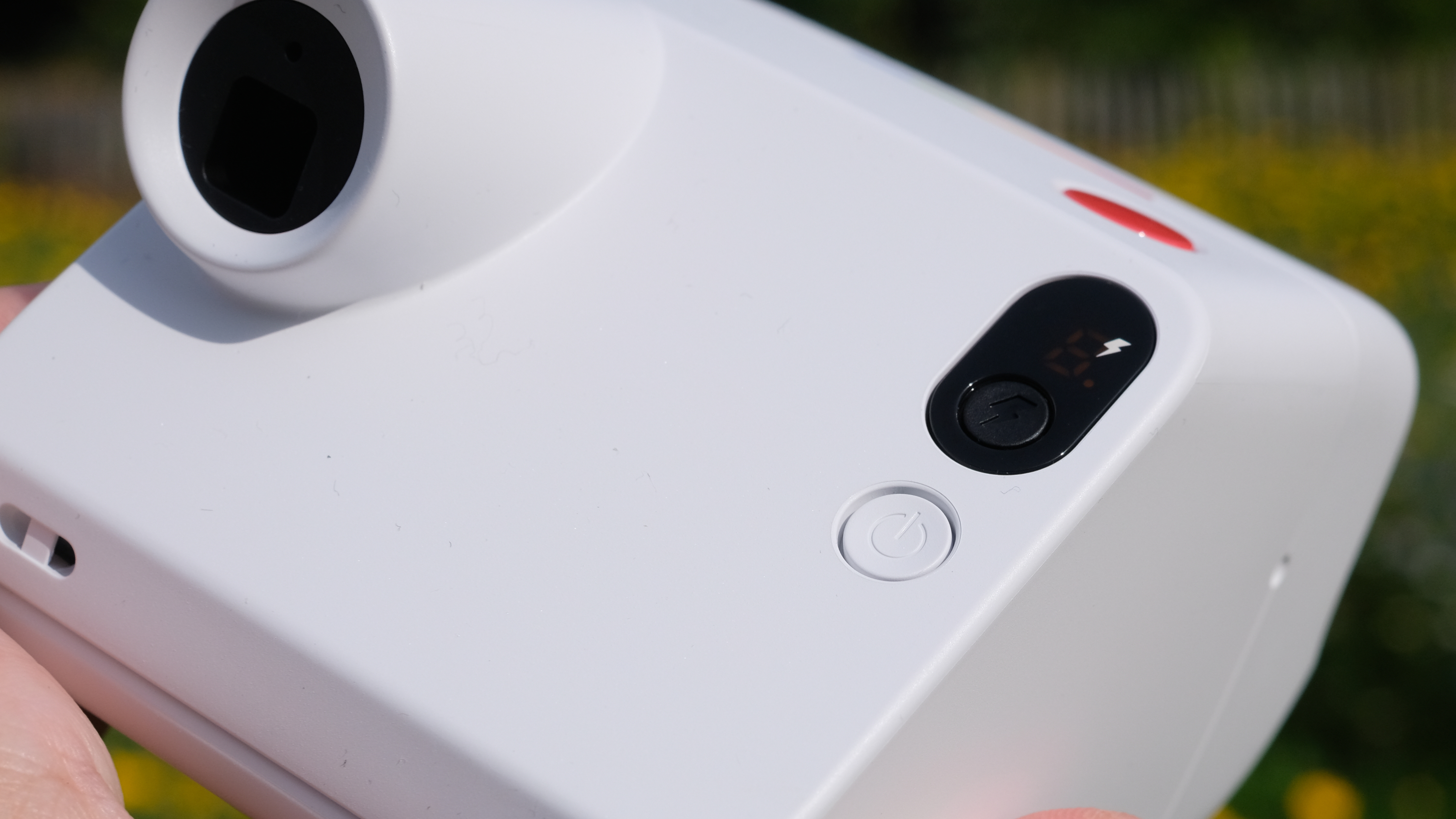
On the side, there’s a USB-C port for charging, and at the back are two lugs on the right and left for attaching straps, and a rope-style wrist strap is included in the box. And, well, that’s pretty much it! This is a very simple offering, something that works in its favor as a lo-fi camera for fun, friends and family. It’s a camera so simple a child could use it, something I tested by giving it to a three-year-old, who — with a little coaching — did indeed manage to capture a photo. If you’re looking for a camera with kid-appeal, I can attest that the Go Gen 3 has it in abundance.
It’s available in five stylish colorways: white, black, teal blue, ice blue and purple. As you can see, I had the white version, and as I took it out and about, it did draw a few comments and compliments from passers-by. This is a nice-looking camera.
Polaroid Go Gen 3: Performance
- Lovely detail and tonality in prints, even with small size
- But ultra-bright sun can easily overwhelm images
- Flash is always on, so you need to remember to turn it off every time if you don’t want it
When a Polaroid works, there’s nothing like it. Even in the smaller Go size, I’m really impressed by the level of detail and tonality you can get out of this thing. For me, it beats Instax any day of the week. In good light, with a well-chosen subject, you can make images that absolutely sing, and I genuinely adore some of the shots I’ve captured with this camera.
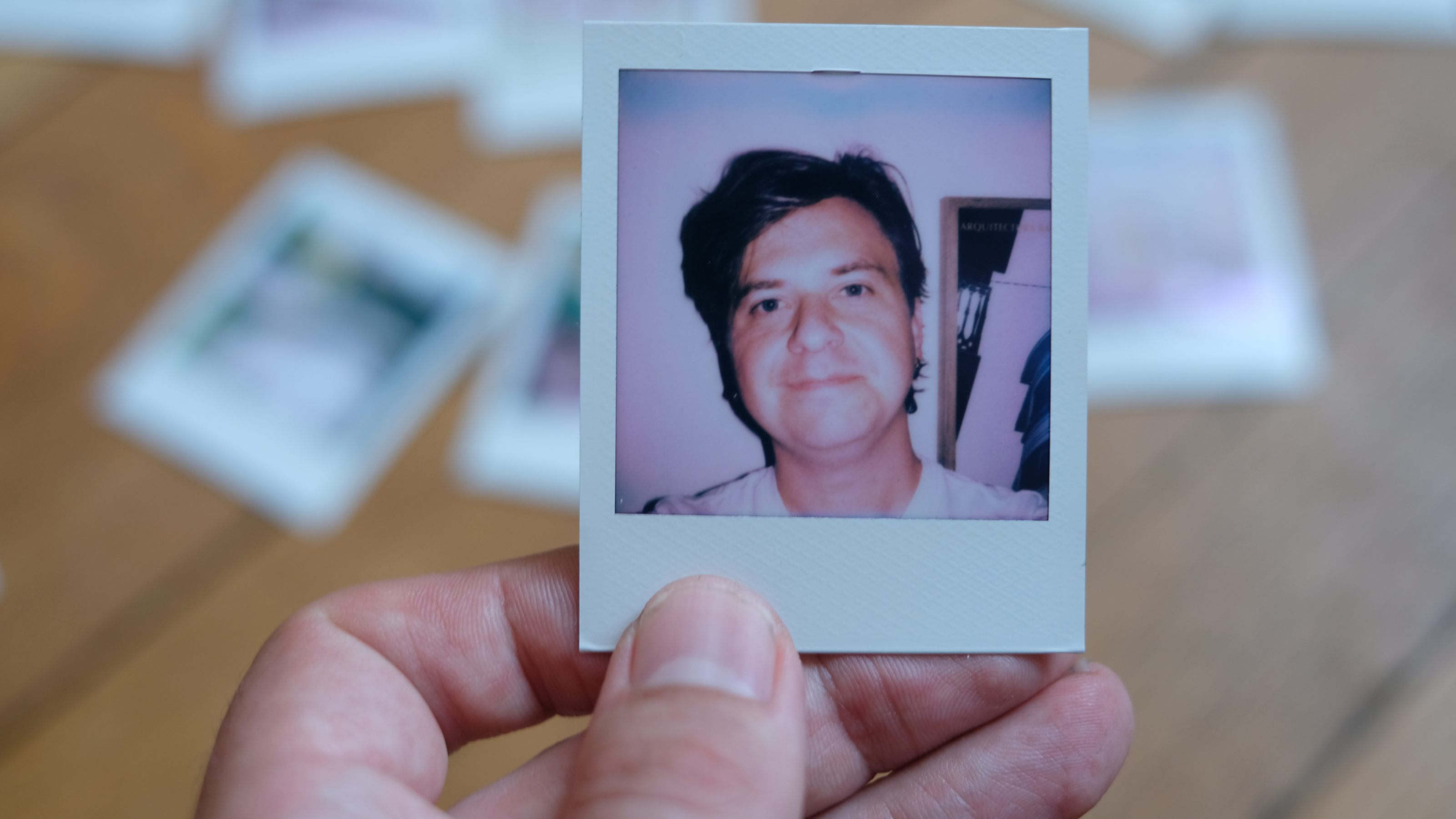
One thing that really impressed me was the selfie-taking capability. The Polaroid Go Gen 3’s reworked lens and powerful flash are designed to facilitate just that, and using the mirror as a compositional aid, I was able to capture selfie images that were vivid, detailed and true-to-life, the flash comfortably illuminating the scene without blowing it out.
Out in the big wide world, of course, you can and will run into issues. While I was testing the Gen Go 3, we were blessed with several days of glorious sunshine, and in very bright conditions — you know, the exact kind of conditions where you might find yourself saying something like, ‘Darling, it’s lovely out, shall we bring the Polaroid?’ — it’s easy for those little frames to just be overwhelmed.
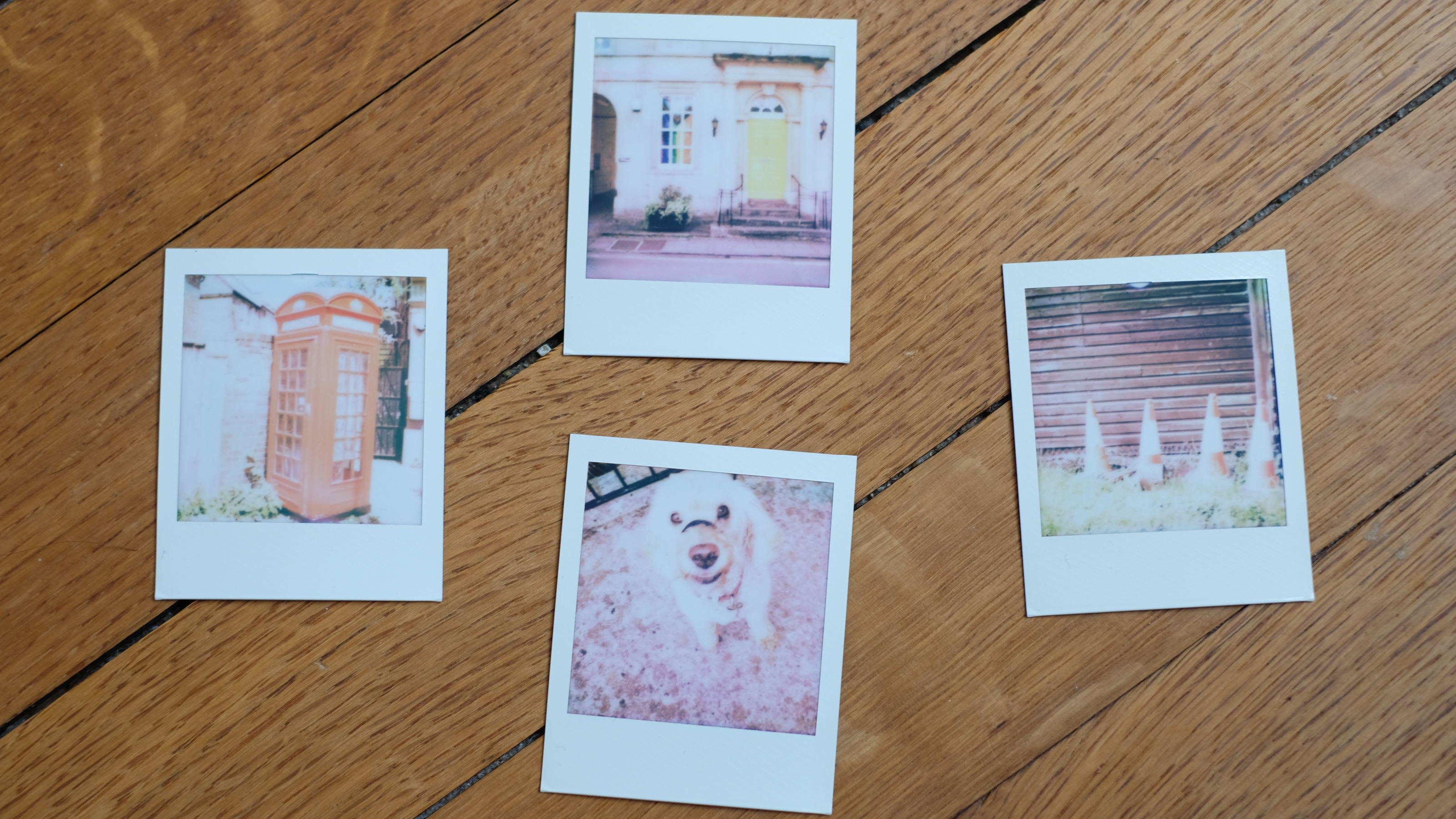
More than a few of my images were quite significantly bleached by very bright sunlight, even when I remembered to turn the flash off — and you have to do this manually every single time, because the camera will always turn it back on. Even, as I discovered, halfway through a double exposure.
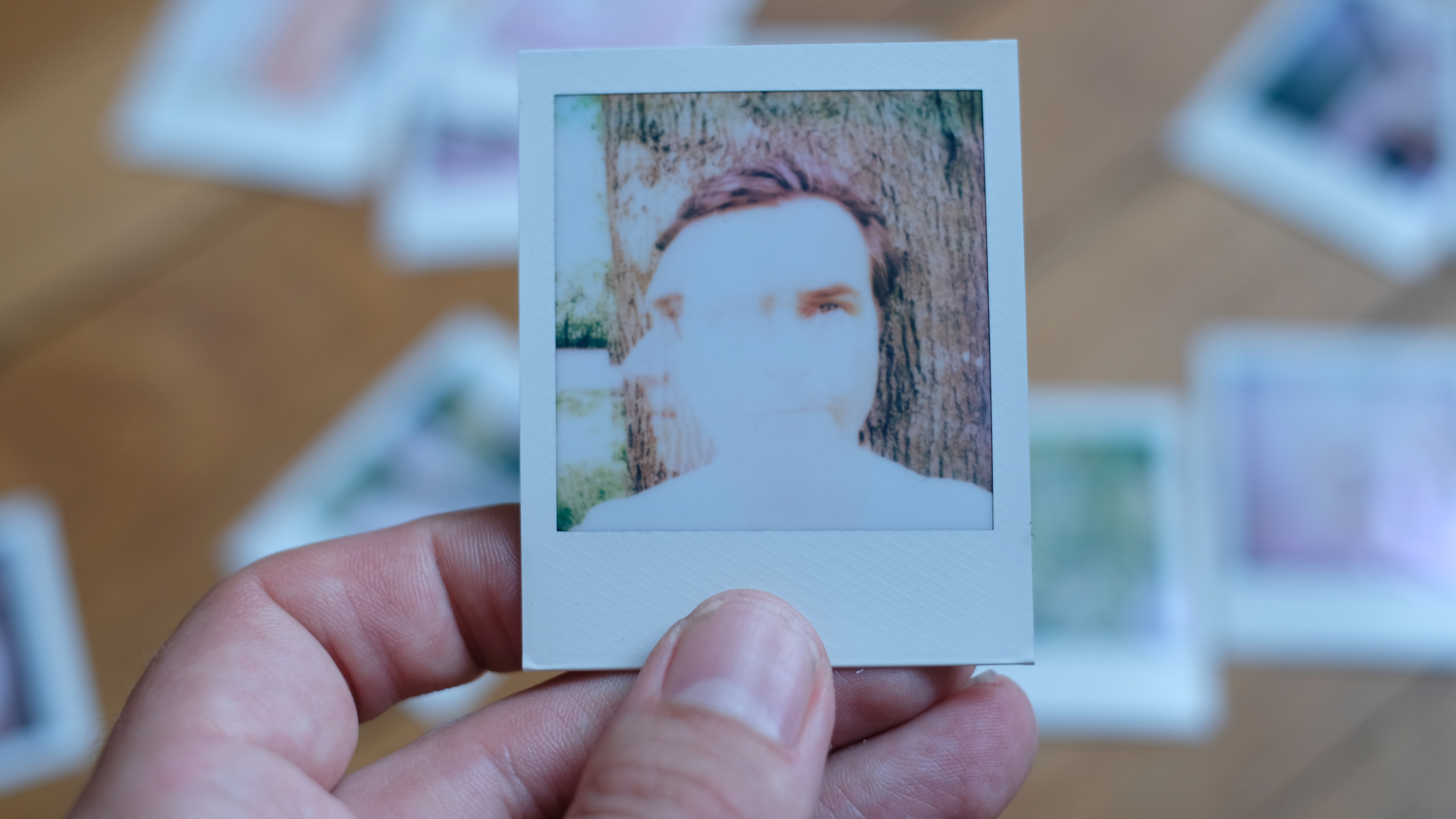
I’m generally a bit wary of double-exposure modes on instant cameras; I feel like most of the time, I’m likely to end up wasting a frame on a blurry, muddled mess. However, the lower cost of the Go film made me much more willing to give it a try than I ever am with my Polaroid Flip, and I ended up with a decent image — though I think it would have been better without that unexpected blast of flash halfway through.
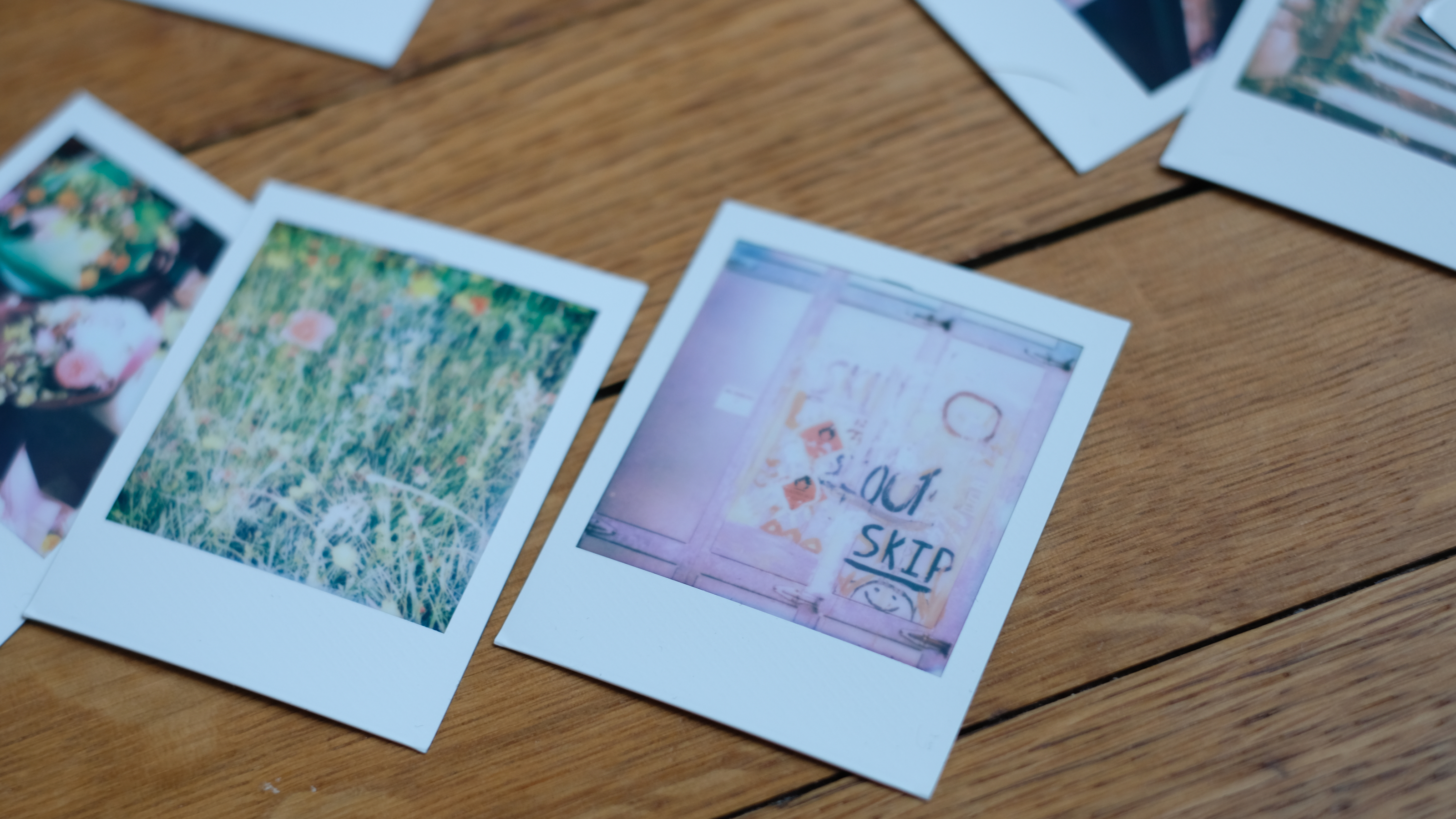
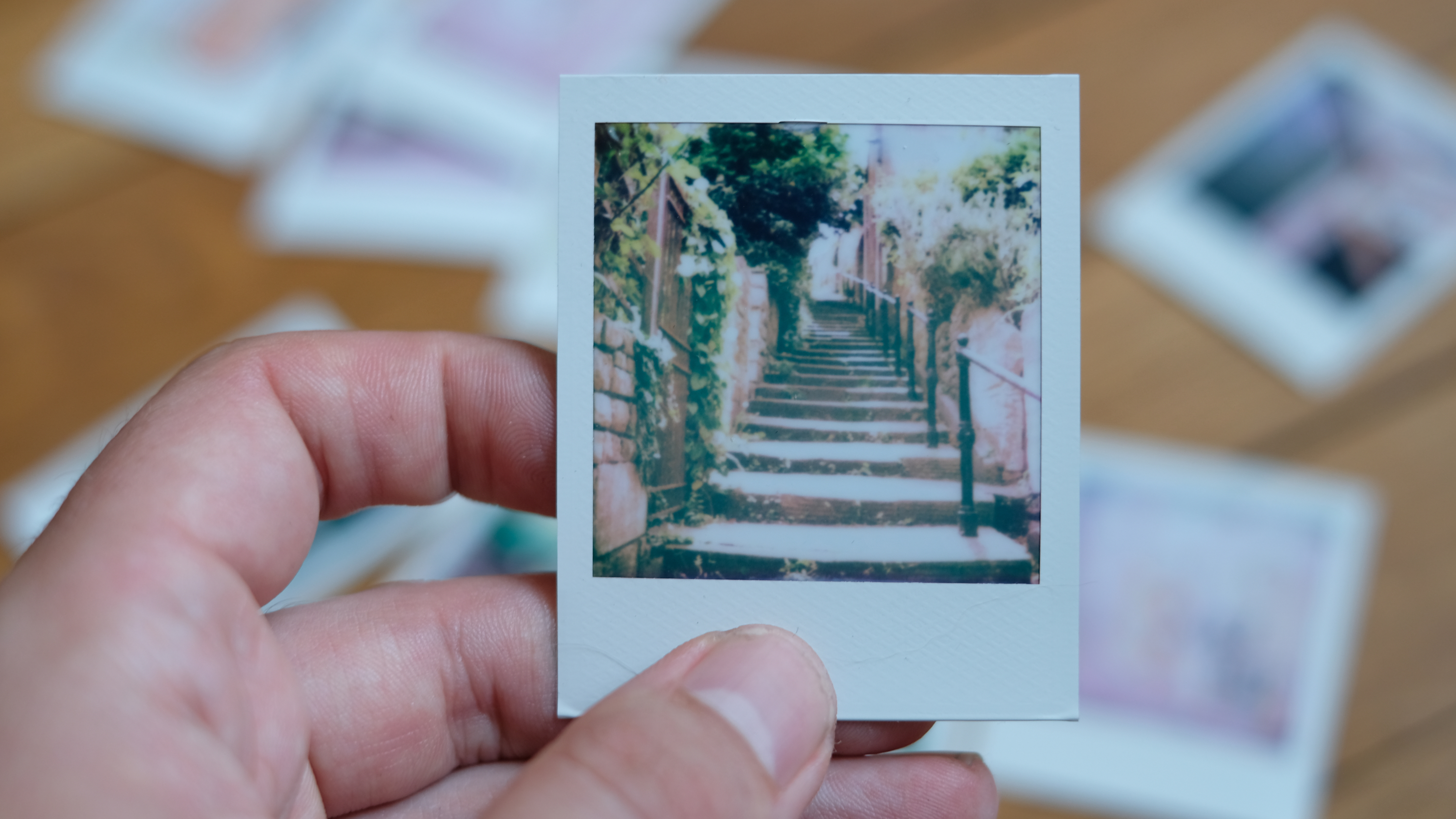
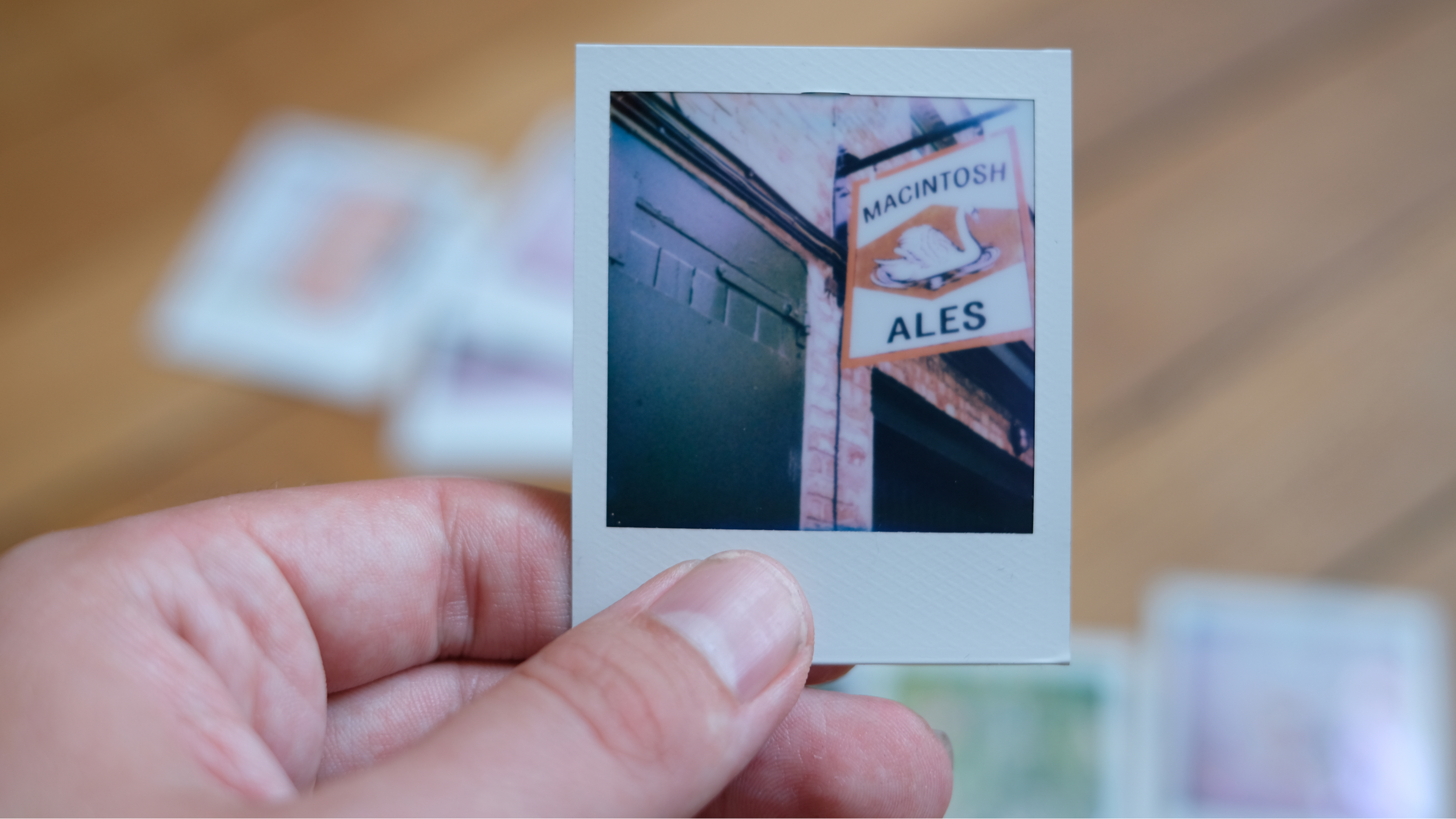
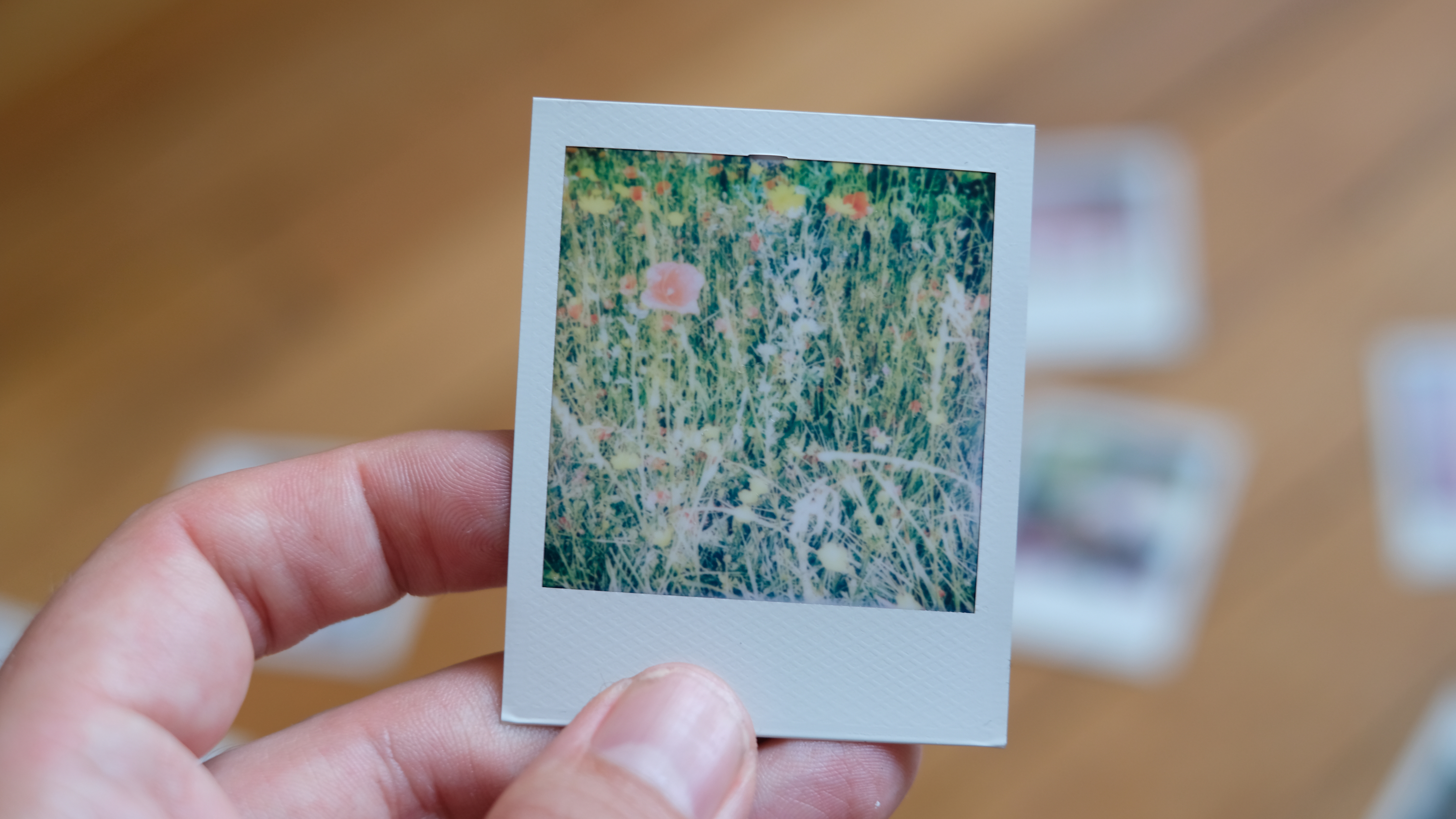
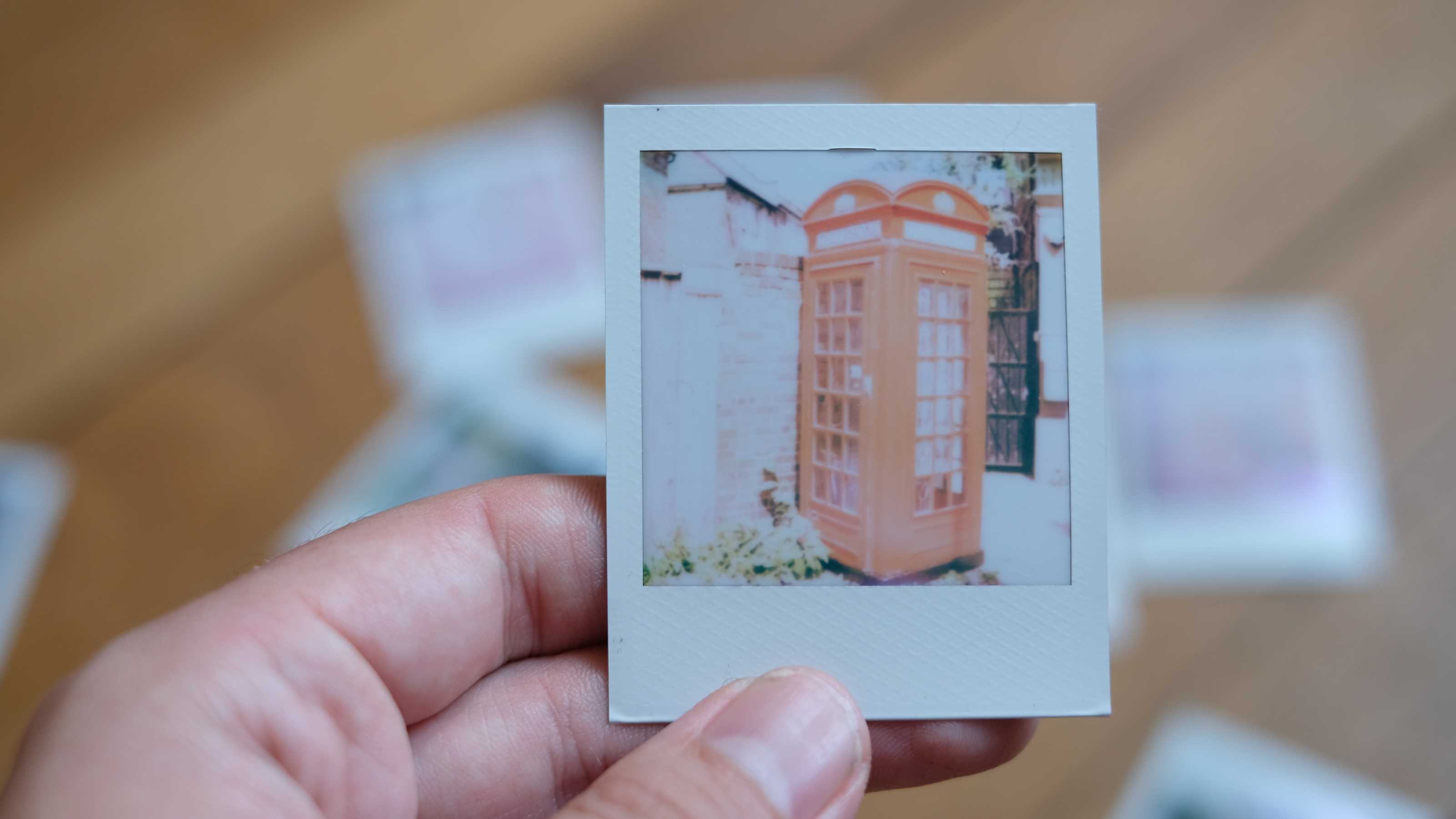
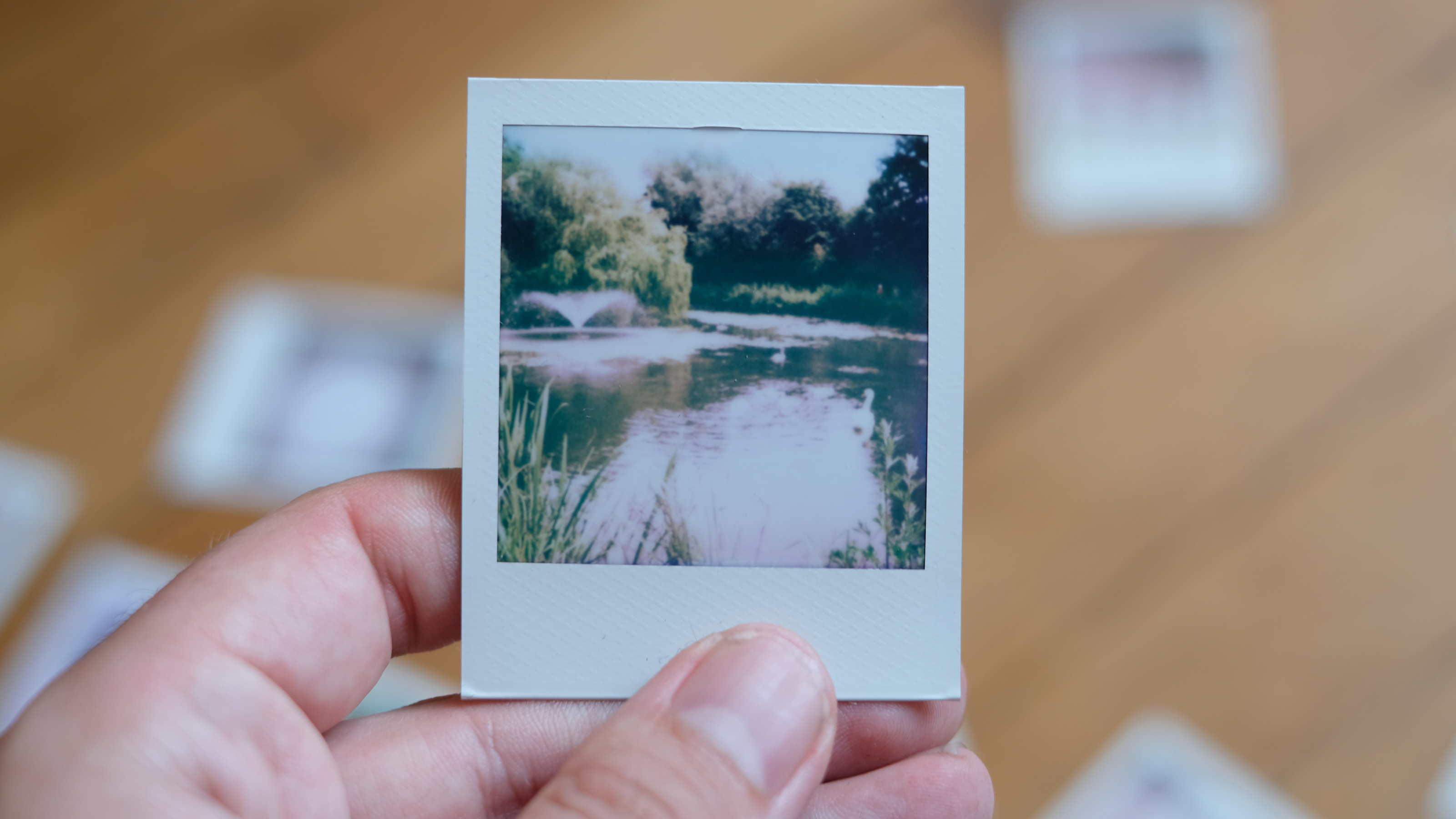
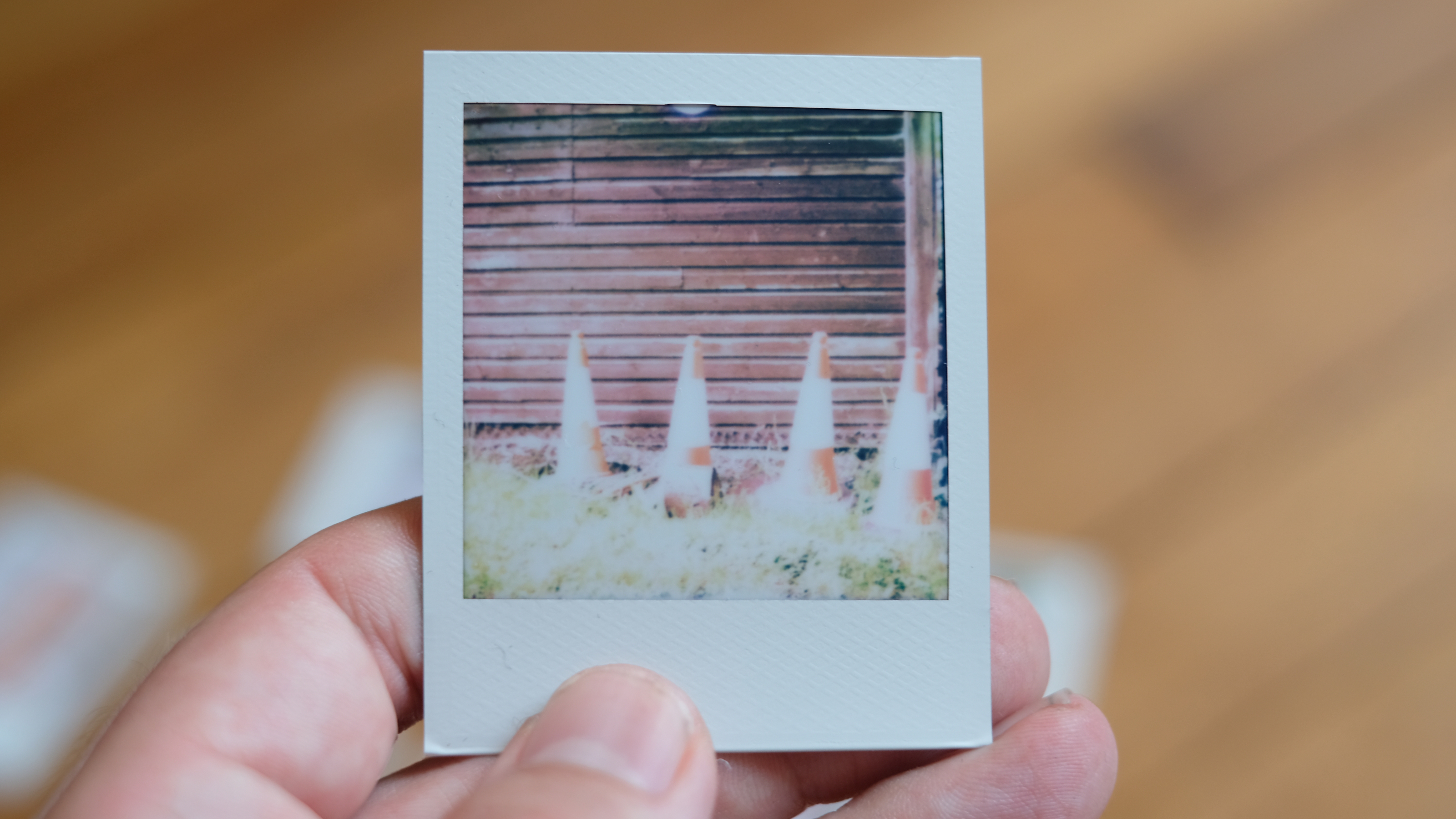
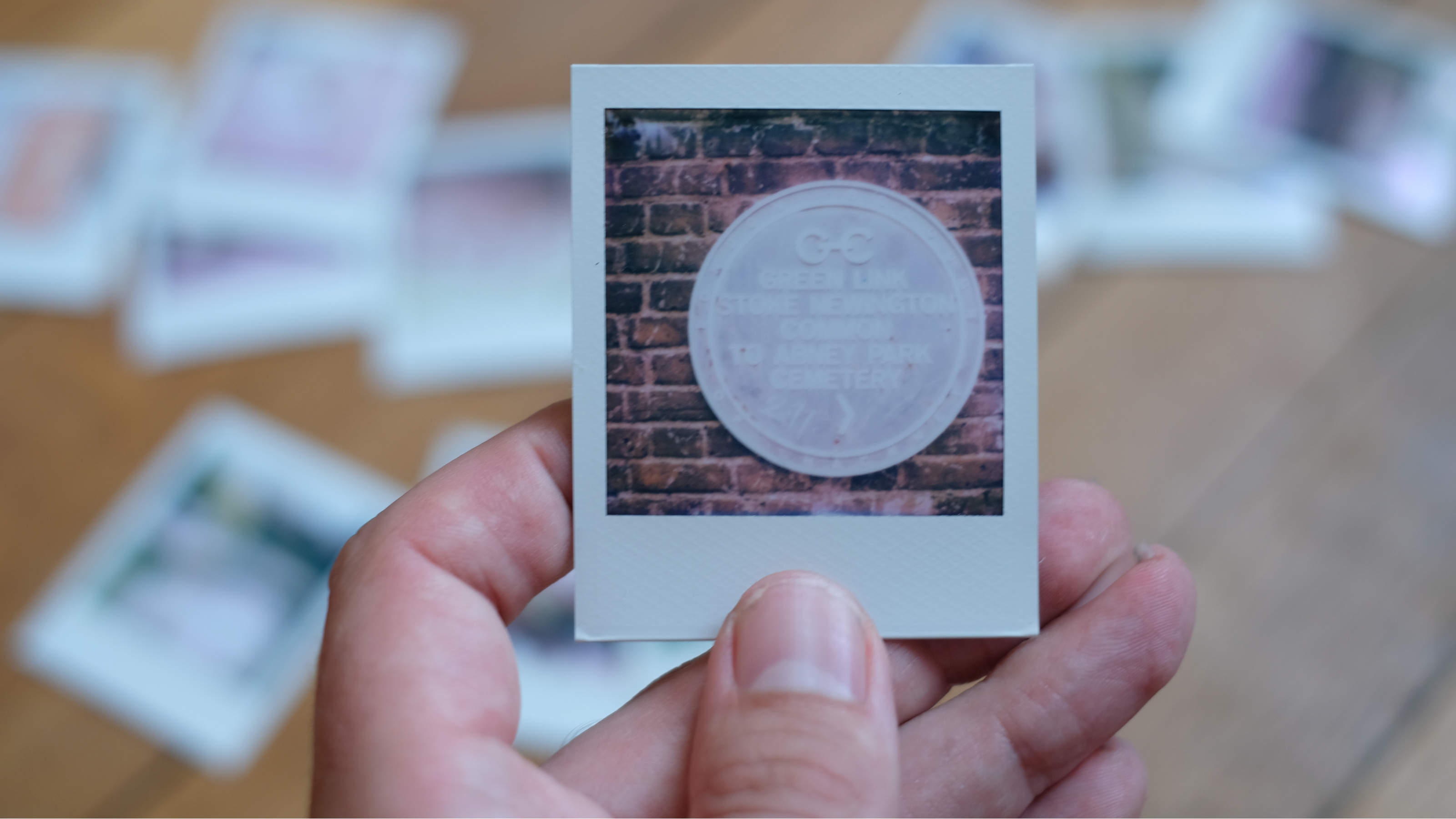
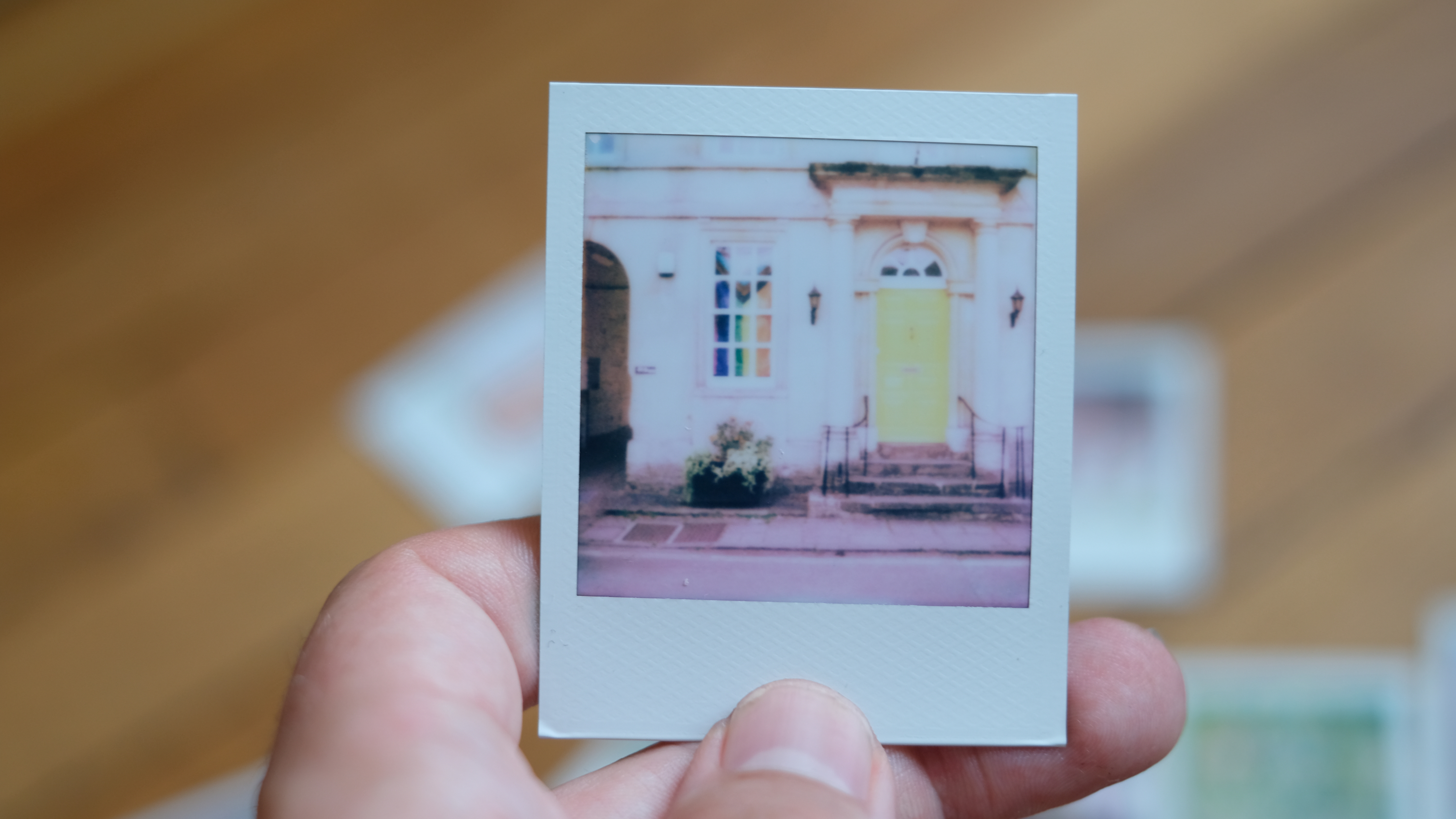
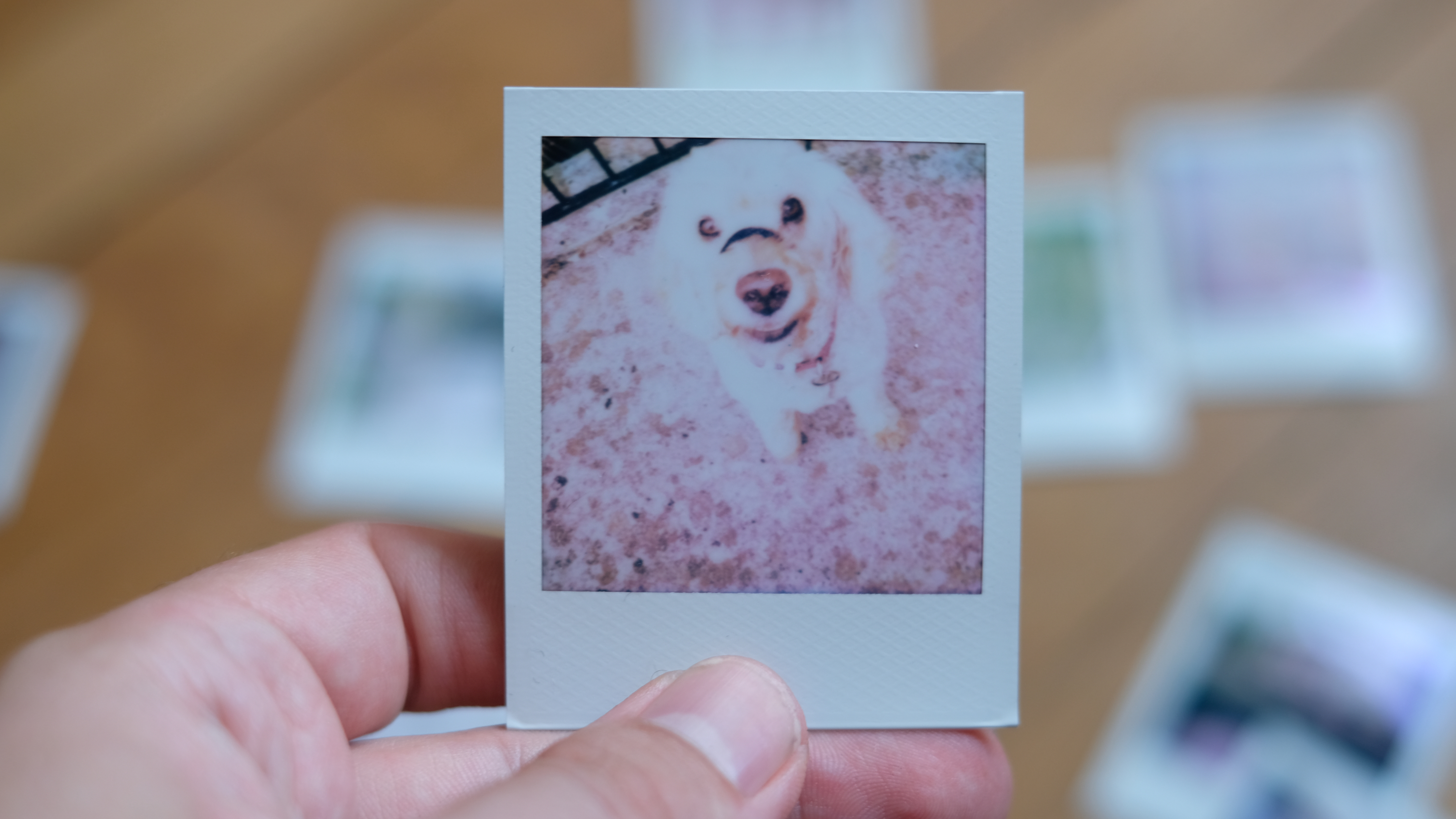
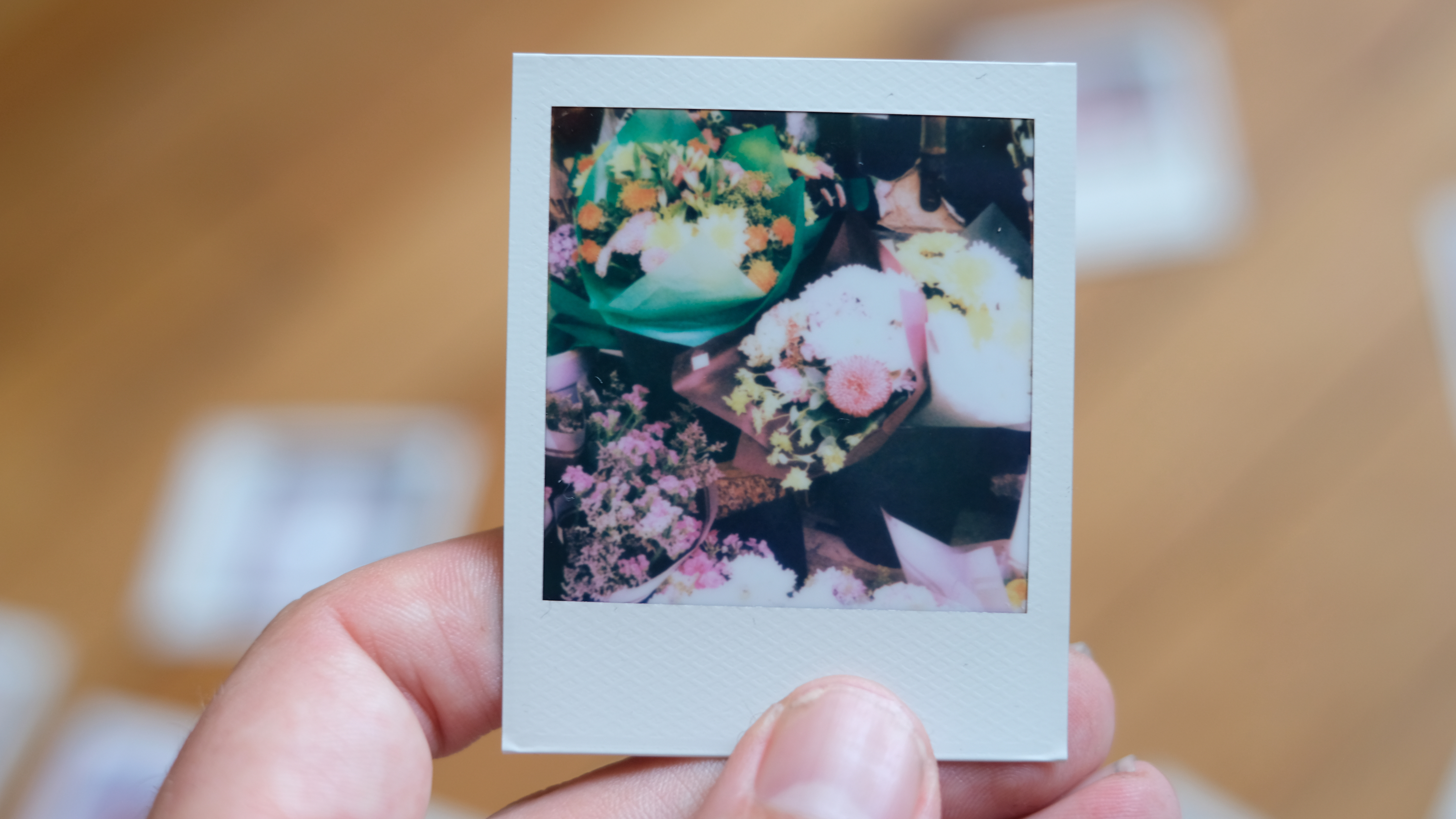
Ultimately, as with any Polaroid camera or indeed any instant camera, the Polaroid Go Gen 3 is solid knockabout fun. You’ll get some images you like, and some that feel like a bit of a waste of film. That’s just the game, and it’s a much easier game to enjoy when the film is more reasonably priced than full-size I-Type.
Polaroid Go Gen 3: Should you buy?
Buy it if...
You want an instant camera to take travelling
With its tiny dimensions and relatively cheap film, the Go Gen 3 is a great option for trips.
You want simple, point-and-shoot operation
The Polaroid Go has minimal controls and is very straightforward to operate.
You want an all-analog experience
No screens, no apps — at the core, the Polaroid Go is just chemicals and light.
Don't buy it if...
You want a high level of image quality.
While I like the look of the little prints, there are limits to what they can manage. Bright sunlight in particular posed a problem.
You don’t want ongoing costs
While Polaroid Go film is cheaper than I-Type, it still represents an ongoing cost that you won’t get with, say, a digital Camp Snap.
How I tested the Polaroid Go Gen 3
- I received a sample camera from the manufacturers, along with some Go film
- I took the camera on several photo excursions, mostly shooting outdoors
- I shot with and without flash, and tested the double-exposure mode
I’ve had the Polaroid Go Gen 3 with me for the past couple of weeks, and I’ve taken it on excursions around London, as well as on a trip to Bradford-upon-Avon. During that time I’ve gone through a double pack of Polaroid Go film, and have tested out the camera in different scenarios and lighting conditions, with a particular focus on seeing how it renders different colors.
I have shot outdoors and indoors, both with and without the flash. I also gave the double-exposure mode a whirl, using it to create a composite image of my own face from different angles. I shot selfies with flash using the selfie mirror as a compositional aid.
First reviewed June 2026



 English (US) ·