
 2 weeks ago
16
2 weeks ago
16
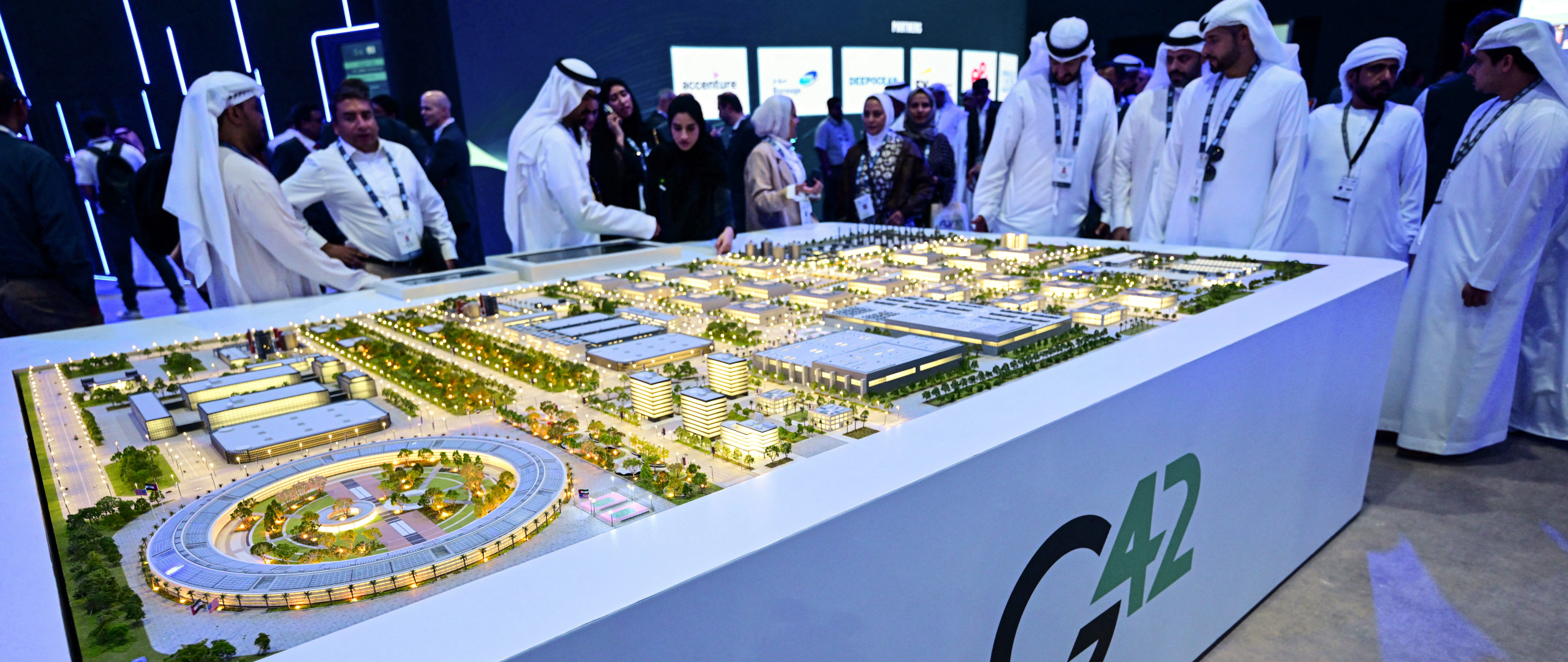
The Middle East has long been keen on becoming a data center hub: as early as 2017, the United Arab Emirates (UAE) launched an AI strategy that was designed to place it as a global leader in the space by the start of the next decade. It quickly showed how it wanted to do that by setting up G42 a year later to corral its cloud computing capabilities.
Qatar followed with its own national AI strategy in 2019, and Saudi Arabia did the same in 2020. All have thrown significant investment into their projects, which has in turn attracted global investment, which is also eager to take advantage of the region’s cheap energy costs and significant sovereign wealth.
“The Middle East was a prime candidate for the expansion of data centers before the conflict given readily available supply of power, available capital for development, domestic regulatory push, and strong political ties to the US,” said Mayank Maheshwari, an equity analyst at Morgan Stanley. Big money projects were announced for the region, including the Stargate project for the Middle East, among others.
From boom to bust?
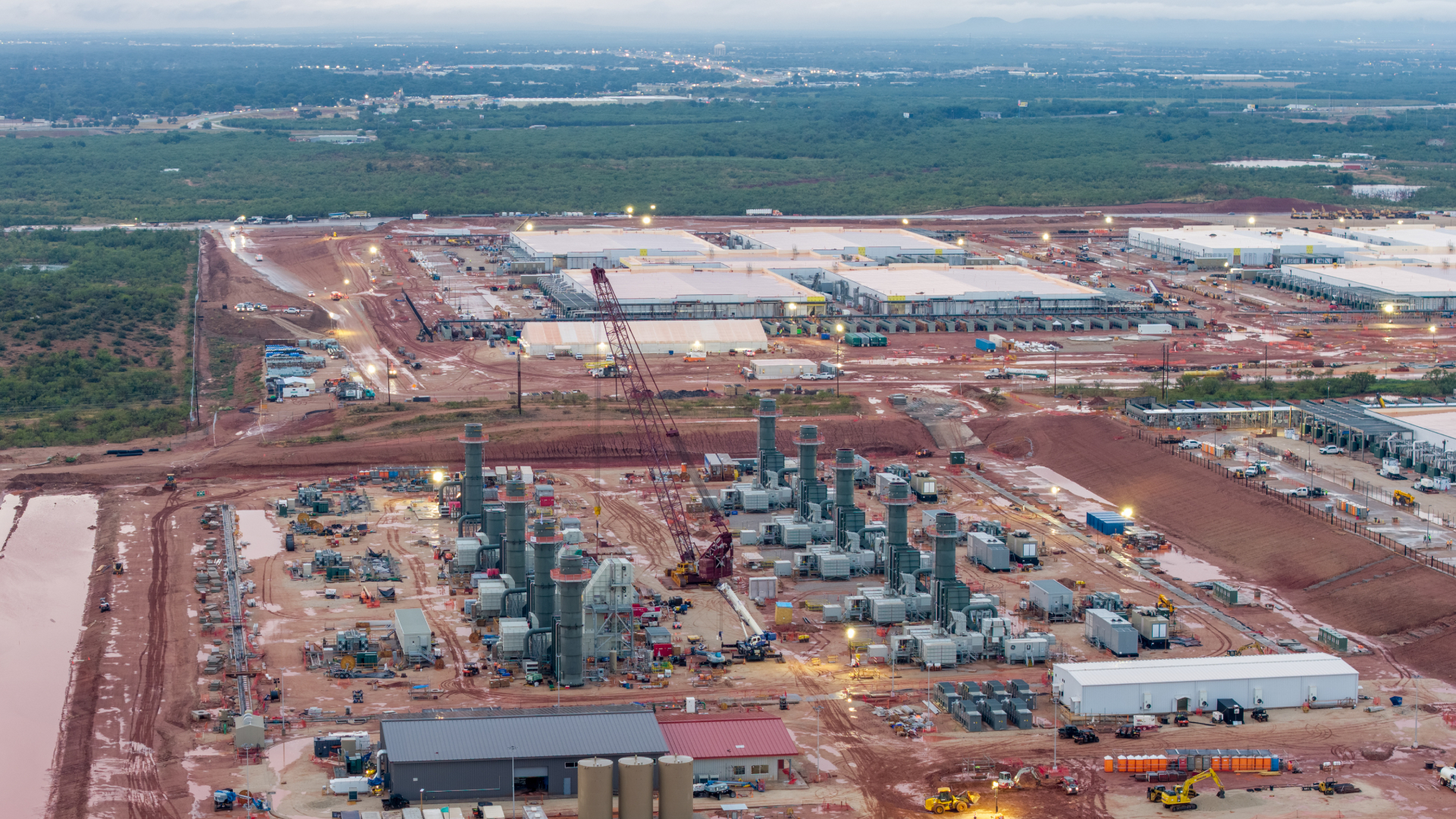
But that belief has been shaken by the disruption within the region after Israel and the United States launched their first attempt to decapitate the Iranian regime.
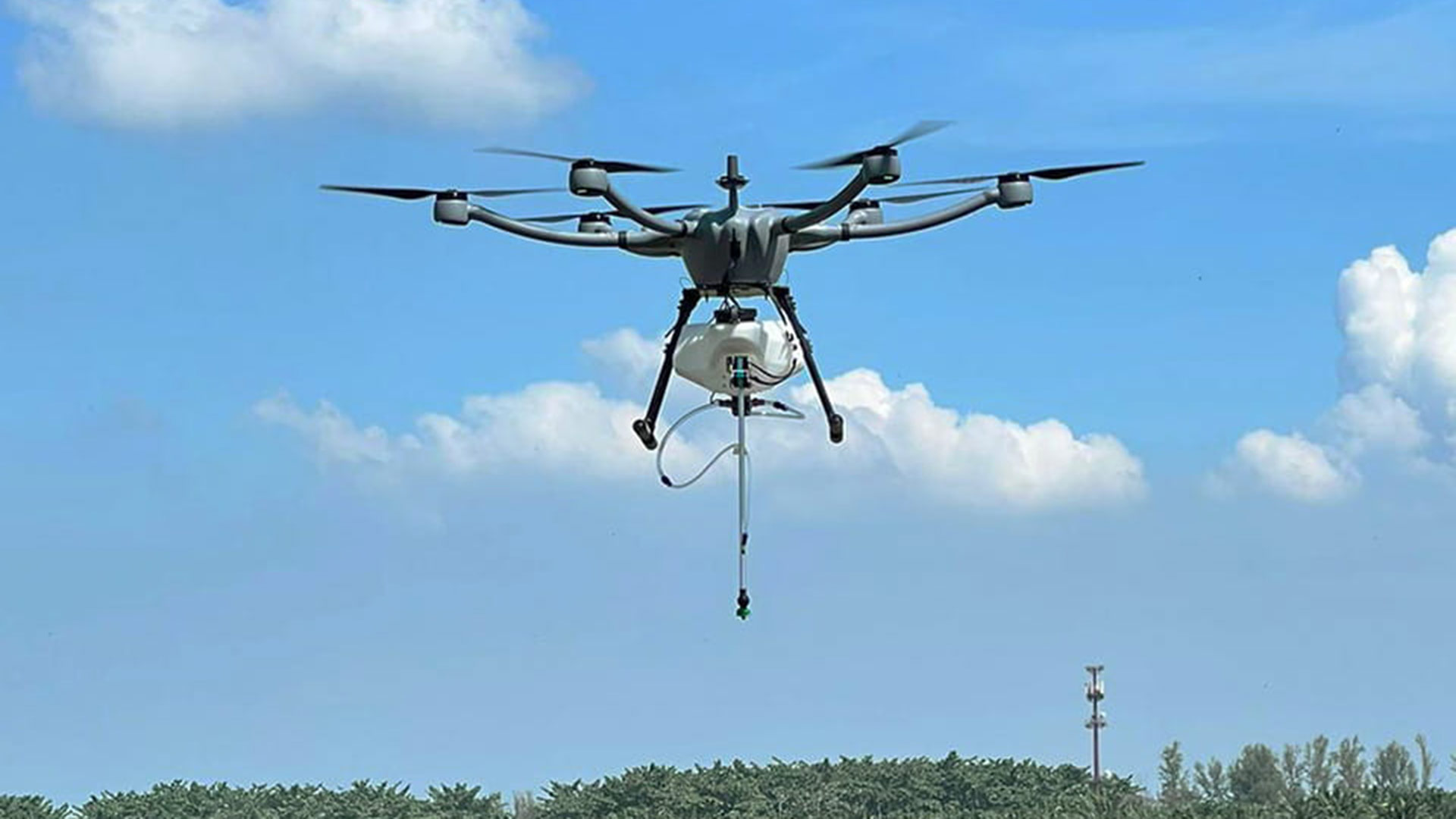
Iran’s Islamic Revolutionary Guard hit a number of Amazon Web Services data centers in the UAE and Bahrain with drones and missiles as part of its ongoing war against the United States and Israel. Alongside that, it has posted videos online threatening to strike the planned Stargate project on the outskirts of Abu Dhabi as payback for the United States’ involvement in the war. It all adds up to a messy, dangerous time to be operating in the space in the region. In early May, Amazon's Middle East data centers were damaged by an Iranian drone.
The whole selling point of data centers is certainty. Cloud contracts are built on promises about uptime, redundancy, and service-level agreements. AI infrastructure adds another layer of pressure because companies are building compute clusters that may be booked months in advance, paid for through long-term contracts, and integrated into the internal systems of major companies.
The question for customers is not just whether a facility can survive a strike — so far, they largely have, once restored. It’s whether customers are comfortable putting critical workloads in a region where geopolitical escalation can suddenly become an operational variable. For all the talk of sovereign AI and national compute strategies, the basic commercial promise of a data center is simple: it has to be there when you need it.
The demand for data centers in the region hasn’t gone anywhere — but those scoping out projects have. They’re eyeing up locations further eastward that are in less close proximity to an active warzone.
“We see Asia's AI data center expansion getting even stronger in the coming years, especially in Southeast Asia, Japan, and Australia as hyperscalers could divert projects from the Middle East towards Asia,” said Maheshwari.
Too much panic
Not everyone is so convinced, though. The recent instability in the Middle East hasn’t fundamentally changed the investment calculus for data centers, said Mark Whyte, global head of built environment and infrastructure at Control Risks, in an interview with Tom’s Hardware Premium.
“There has been direct impact on, I think at least one data center that has been hit by a drone, but overall, we see no slowdown in activity,” he said. “If anything, the volumes of work are only up.”
That rosy outlook isn’t echoed by everyone. “Whether or not the current ceasefire holds, it has threatened the region’s economy, supply lines and facilities, and could yet squeeze investment not only in the region but also abroad,” reckoned Cox.
Whyte doesn’t dispute the potential for foreign backers to have second thoughts — but said that wouldn’t necessarily have a massive impact on the broader direction of travel. “It may well have an impact on some of the external investment, but I wouldn't see that as being a long-term impact,” he said.
Even if projects continue, the price of building them may change, though. The biggest, most strategically important projects may still go ahead because they are backed by governments with long-term horizons and deep pockets. But marginal projects that rely on external debt, cautious institutional investors, or multinational customers that have other options could become harder to justify.
Keep calm and carry on
Part of the reason that work is continuing on projects in the Middle East is the calculus by those within the region that this is a short-term instability and that AI — and the need to power it using data centers — is so consequential that they are going full steam ahead regardless. “Countries like Saudi Arabia are looking well ahead of this, rather than reacting in a tactical way,” said Whyte.
That doesn’t mean they’re being naïve, though: drones, bombs, and missiles are flying, and that’s indubitable. As a result, protecting those data centers is all important. “From a risk and resilience perspective, I think you have to look at the threats and risks to data center networks as a military planner would,” said Whyte.
And for those who have been engaged in the idea of being central to the global data center sector for close to a decade now, there’s little reason to back off much.
Saudi Arabia is not treating the conflict as a reason to back away, Whyte argued, but as a risk to manage while it pursues a longer-term strategic goal. “The Saudis in particular, see themselves as a global powerhouse for this type of thing going forward, and how they're trying to position themselves to the future,” he said. “It may well have an impact on some of the external investment, but I wouldn't see that as being a long-term impact.”







 English (US) ·