
Godox C100: two-minute review
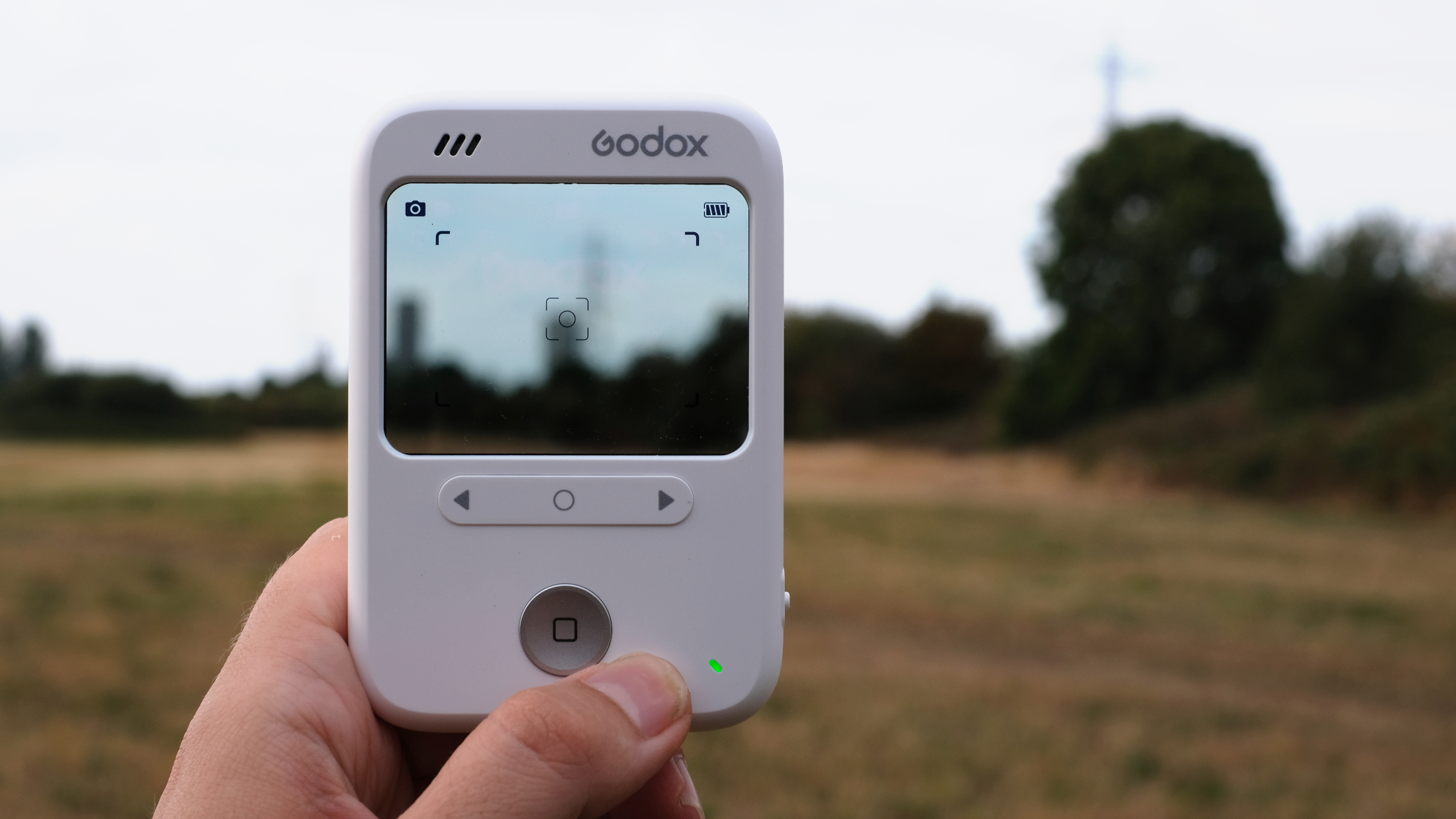
Well, this is a new one. Godox caught everybody by surprise when it announced the C100, a slim, rectangular point-and-shoot camera built around a transparent rectangular screen that also functioned as the viewfinder… and it also worked as a light meter for film photography. What, many asked camera nerds, was going on here?
Having now used the Godox C100 for myself, it remains to me a borderline inexplicable release, two devices wrapped in one very unusual shell. I did not hate using it. But I did find myself returning again and again to niggling questions like, ‘Who is this for?’, ‘What is the point of this?’, and I still don’t think I can answer them.
The sleek, sci-fi design of the Godox C100 is what got a lot of people excited on the camera’s announcement, and let’s start there since it’s an excuse to be positive. This is a cool-looking object – there’s no denying that. While I was testing the C100, the design received admiring compliments from friends and strangers alike — a common refrain was that it looked like something out of Star Trek. The transparent screen/viewfinder is exciting to use, in concept at least, and it’s a fun camera to slip in and out of a pocket for quick grab-shots.
Latest Videos FromTechRadar
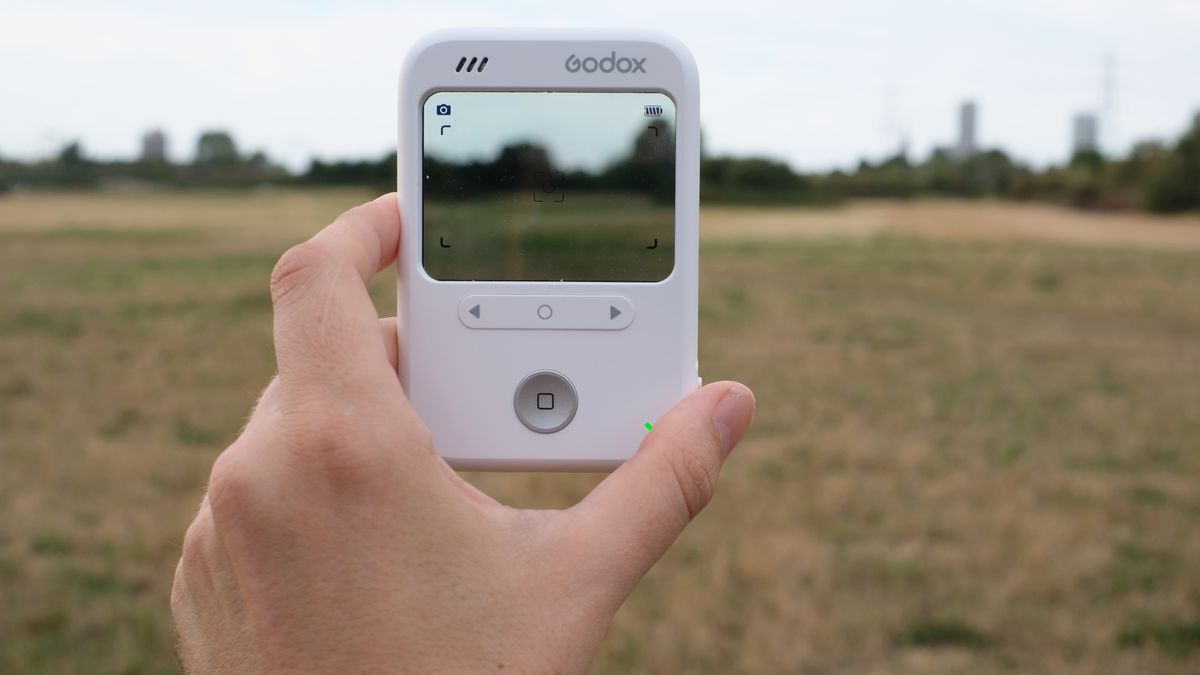
But you’ll have noted that I said ‘in concept’. Once you actually start using the thing — in my view, it doesn't quite work. There’s nowhere that’s comfortable to hold the camera and keep both the subject and the frame lines in view; you find your eyes flicking from one to the other like a hunting autofocus system. And besides, unless you hold the camera quite close to your eyes (which I did end up doing), from your perspective, the frame lines aren’t going to particularly correspond to what ends up being captured.
In terms of image quality, I thought the Godox C100 was more or less decent for a camera of its type. With a tiny 2MP sensor and fixed-focus plastic lens, it’s never going to produce jaw-dropping images, but its colors can be quite punchy and detail is okay-ish — even if dynamic range is quite poor. But I think Godox missed a trick by not adding image filters or film-style looks to give its images a bit more intrigue. Honestly, I found the shots it produced a bit boring, in stark contrast to the camera’s striking exterior. Video quality was also very poor, with pronounced rolling shutter and even some dropped frames.
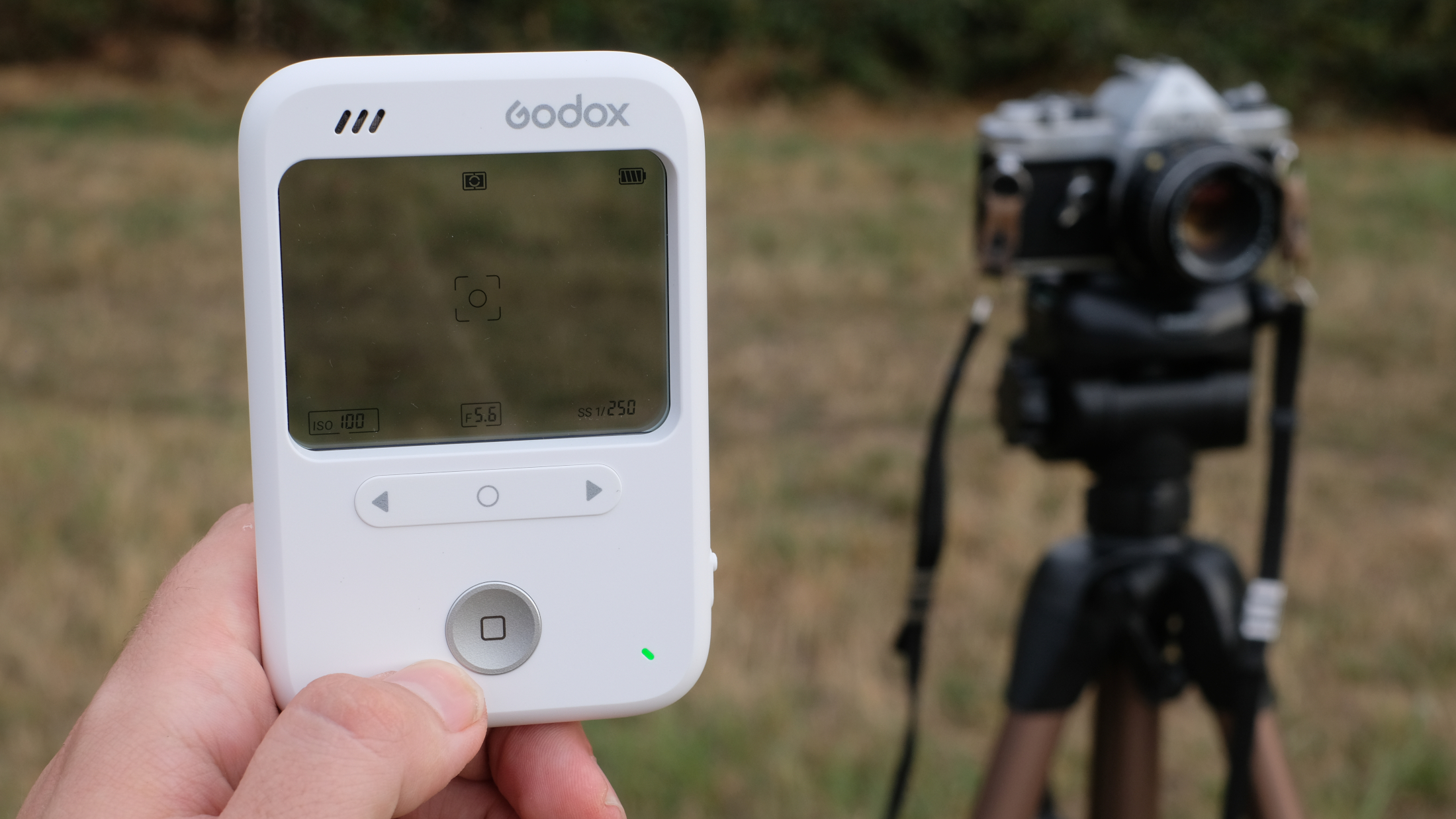
And how about that light meter functionality? Well, it works, producing readings that were consistent with my dedicated light meter. But unlike my dedicated light meter, it won’t attach to an SLR’s hot shoe. And that has me again asking the question that was constantly rattling around my brain while testing the camera — who, exactly, is this for?
Godox C100 specs
Swipe to scroll horizontally
Type: |
Compact camera |
Photo resolution: |
2MP |
Video resolution: |
Full HD 30fps |
Storage: |
microSD card slot |
Screen: |
2-inch OLED |
Connectivity: |
USB-C |
Dimensions: |
104 x 71.7 x 19.1mm |
Weight: |
65g |
Godox C100: Price and availability
- The Godox C100 comes at a starting price of $45 / £47 / about AU$64
- At this price, it’s cheaper than most cameras and most light meters
- It was announced in June 2026 and is available now
As mentioned, one of the main things that got a lot of people excited about the Godox C100 was its unique design — the other was its price. At an asking price of $45 / £47 (equivalent to about AU$64), the C100 is cheaper even than most 'cheap' compact cameras like the Camp Snap, and is also cheaper than pretty much any light meter I can think of. Furthermore, I've already seen discounts on the original asking price.
Godox C100: Design
- Slim design built around a transparent display with digital framing lines
- Very simple point-and-shoot operation
- Framing with the display/viewfinder is challenging — like trying to focus on two things at once
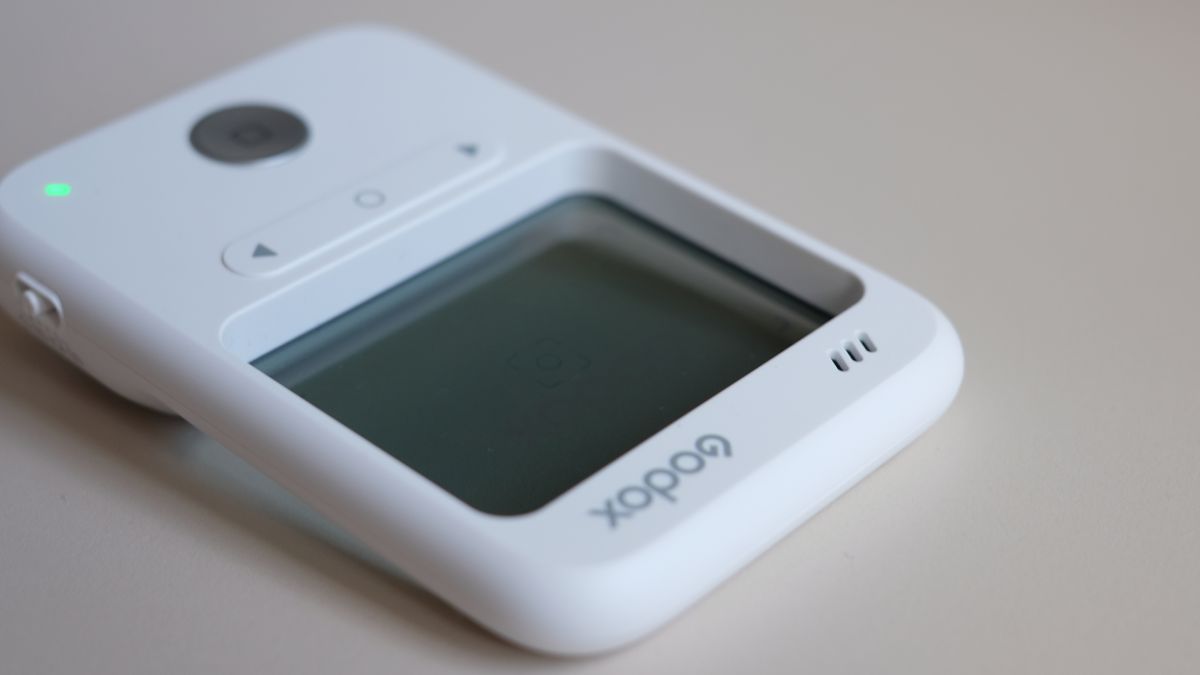
In a slim body not much bigger than a playing card, the Godox C100 houses a transparent plastic panel that functions as both viewfinder and screen all in one. Turn the camera on, and the display window is overlaid with mode information, battery level and framing lines.
Image 1 of 4
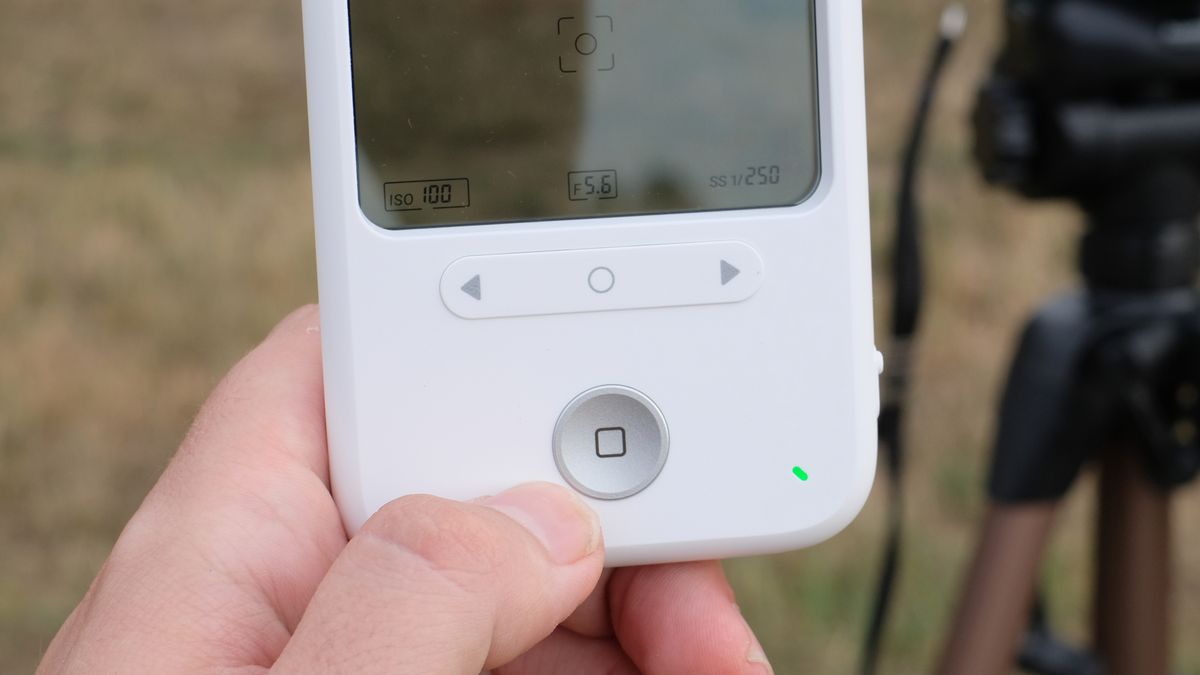
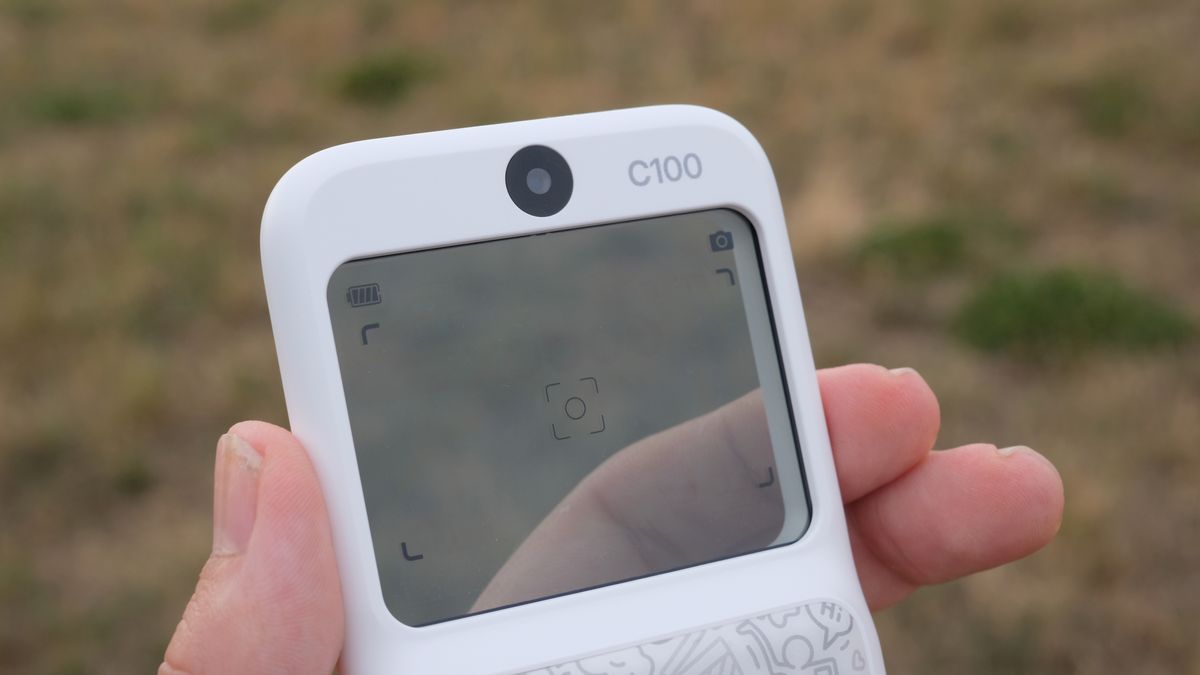
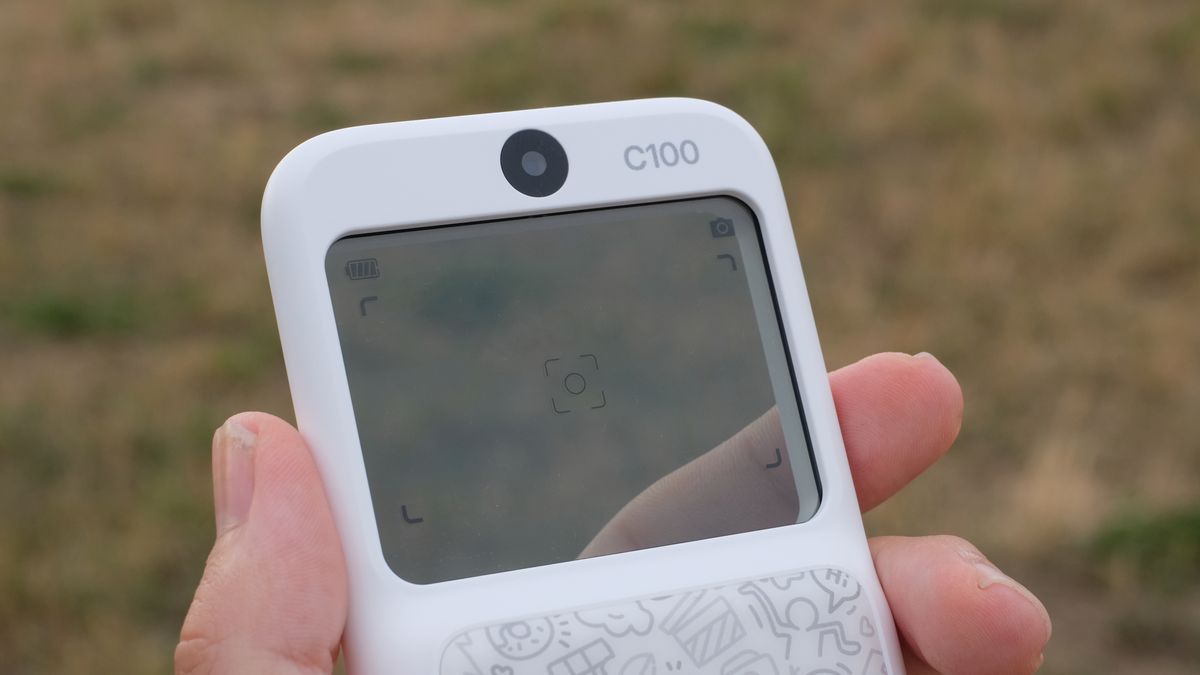
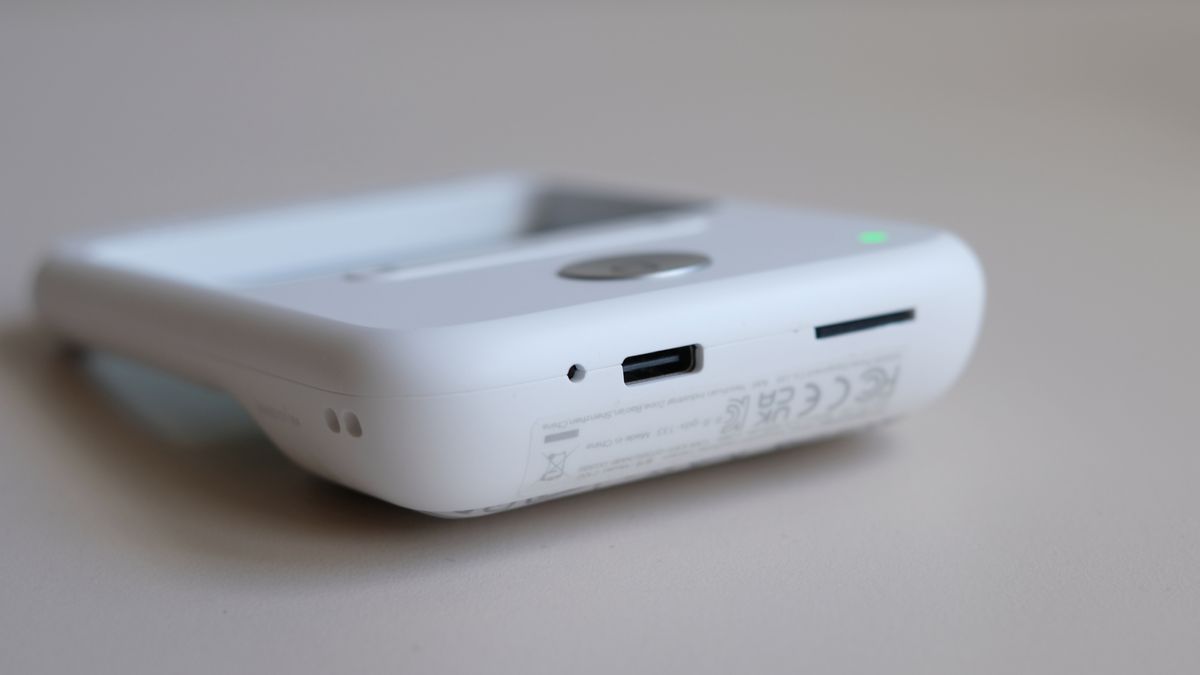
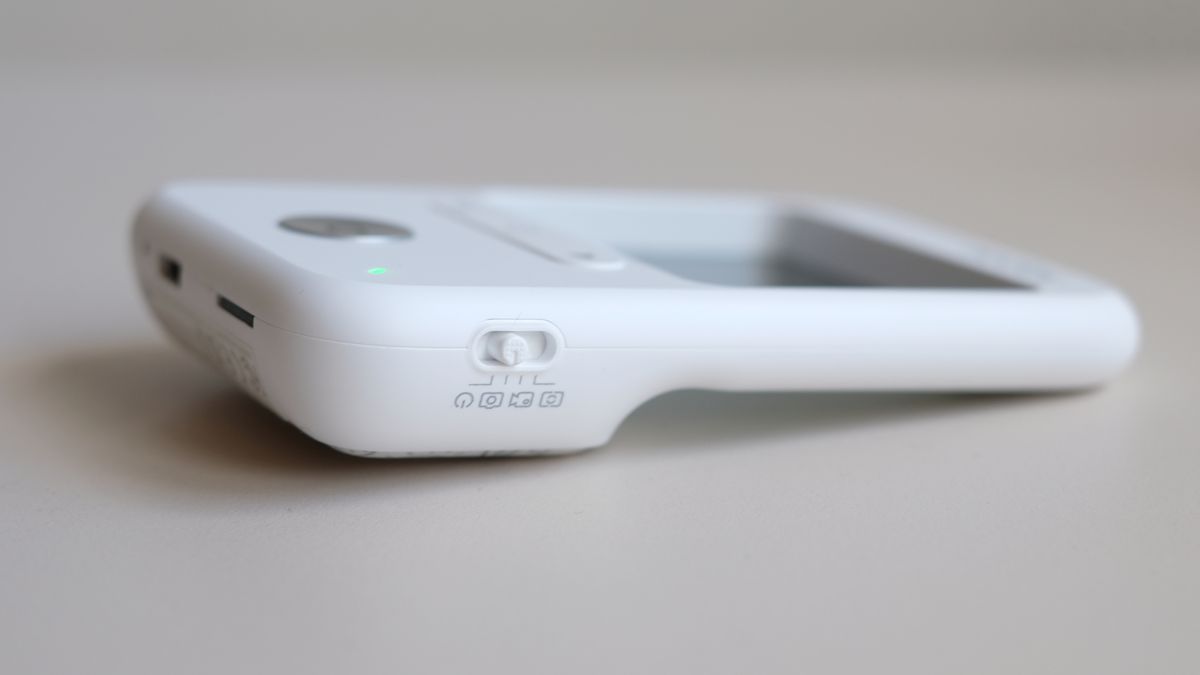
The screen isn’t touch-sensitive – makes sense, since you wouldn’t want to be smudging it with fingerprints. A physical switch on the side allows you to toggle between photo, video and light meter modes, while a row of buttons beneath the screen switches between aspect ratios or adjusts light meter parameters. There’s no camera settings control to speak of — it’s a point-and-shoot situation.
It’s an odd camera to use. I like the lightness of it, the way it slips into a jacket pocket, and how easy it is to whip out and capture an image. I never got to the point where I found framing comfortable, mind you.
When I was capturing product images of the C100, my camera’s autofocus would frequently flick between the body of the camera and the view through the transparent window — and the human eye does the same thing. When you’re focusing on a subject through the window, you can’t really see the framing lines, and vice versa. Or at least, I couldn’t.
There’s no distance to hold the camera between yourself and subject that feels comfortable, no sweet spot; I actually caught myself holding the screen right up to my eye a few times, and must have looked ridiculous. In my view, the concept just doesn’t quite work.
Image 1 of 3
Godox C100: Performance
- Image quality offers decent color rendition but poor dynamic range and detail
- Video is very poor, with rolling shutter and dropped frames
- The light meter functionality works, delivering readings consistent with dedicated light meters
I’ve tested a lot of cheap cameras with small sensors — particularly in recent years as they’ve become more popular — so I was bracing myself before I first took a look at my first few Godox C100 sample shots. The result? A long way from good… but not as bad as they could have been.
Image 1 of 12

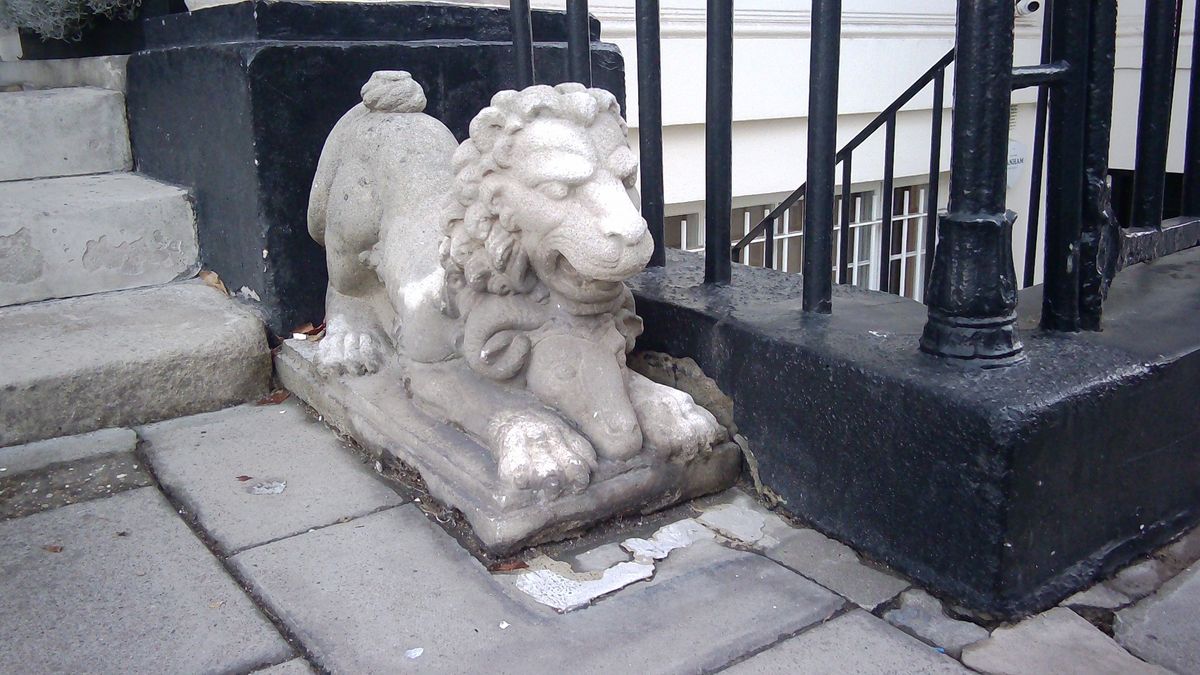
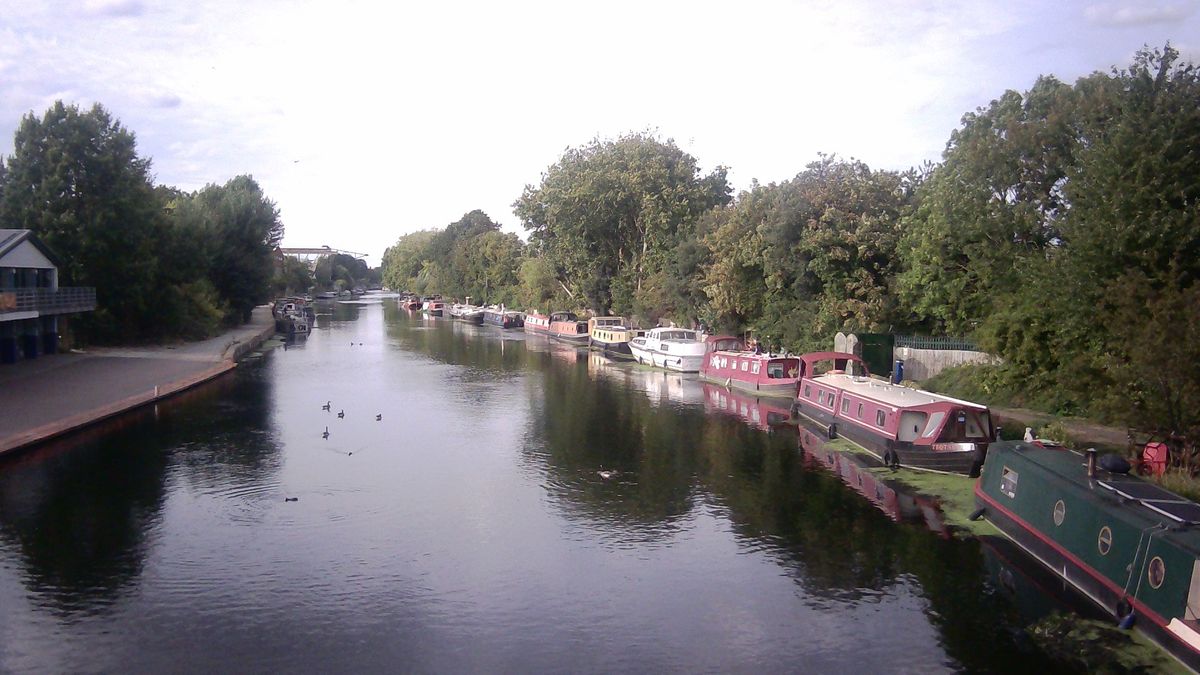

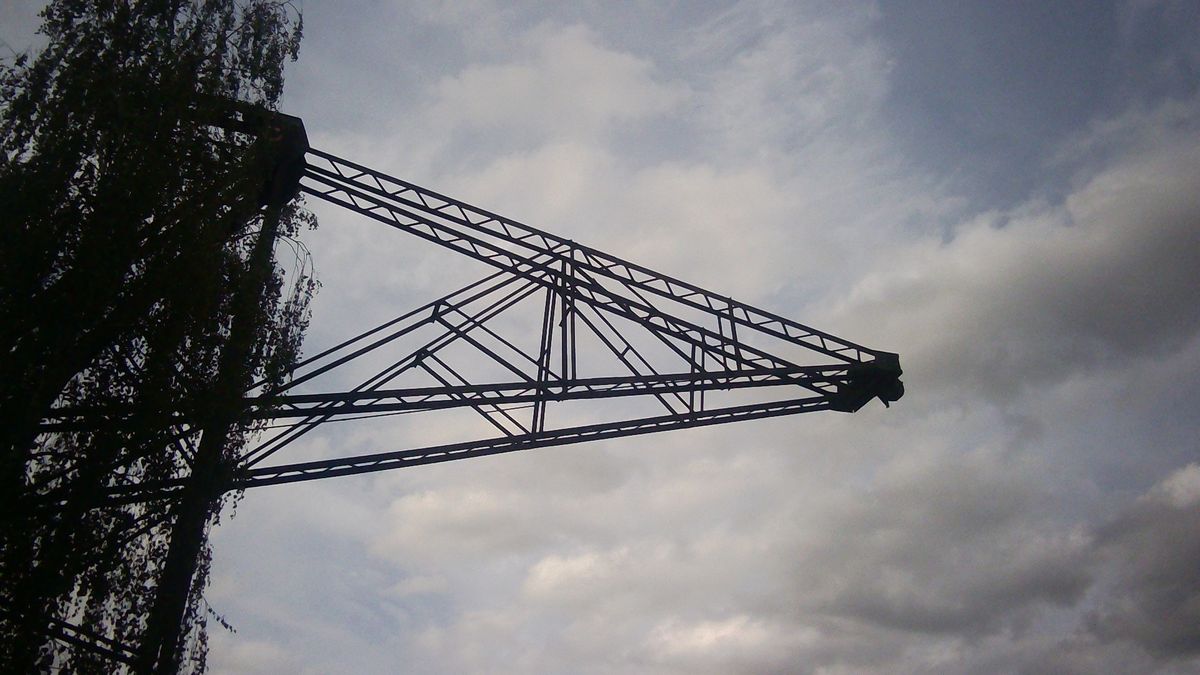
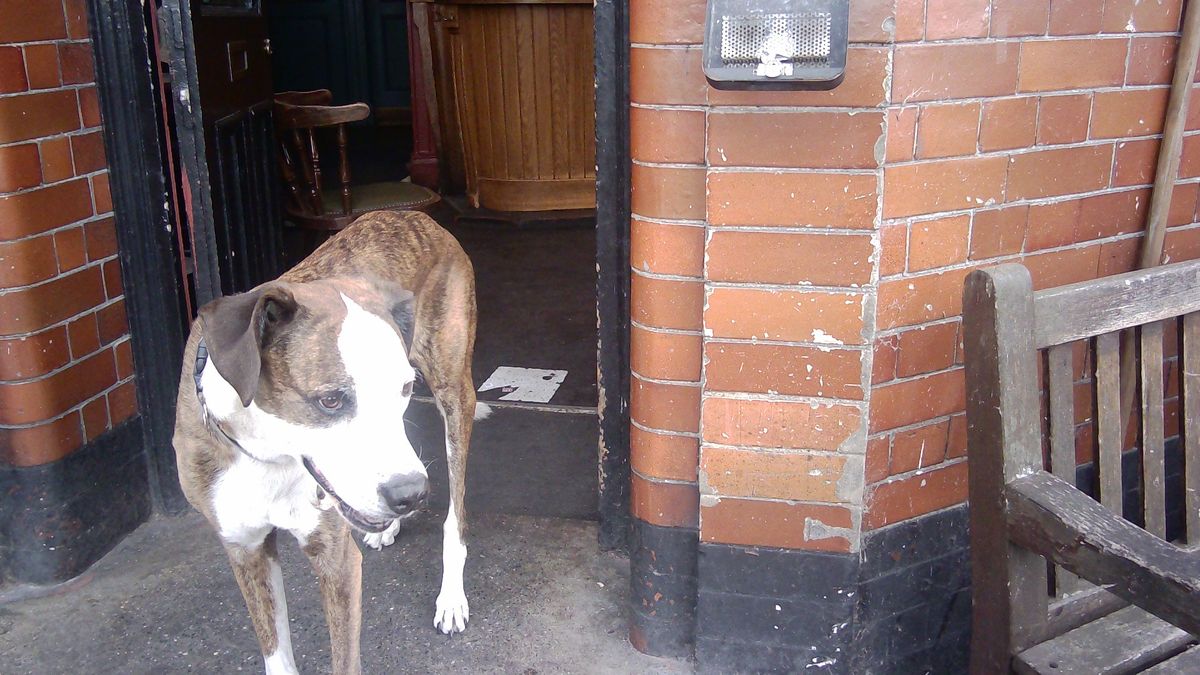
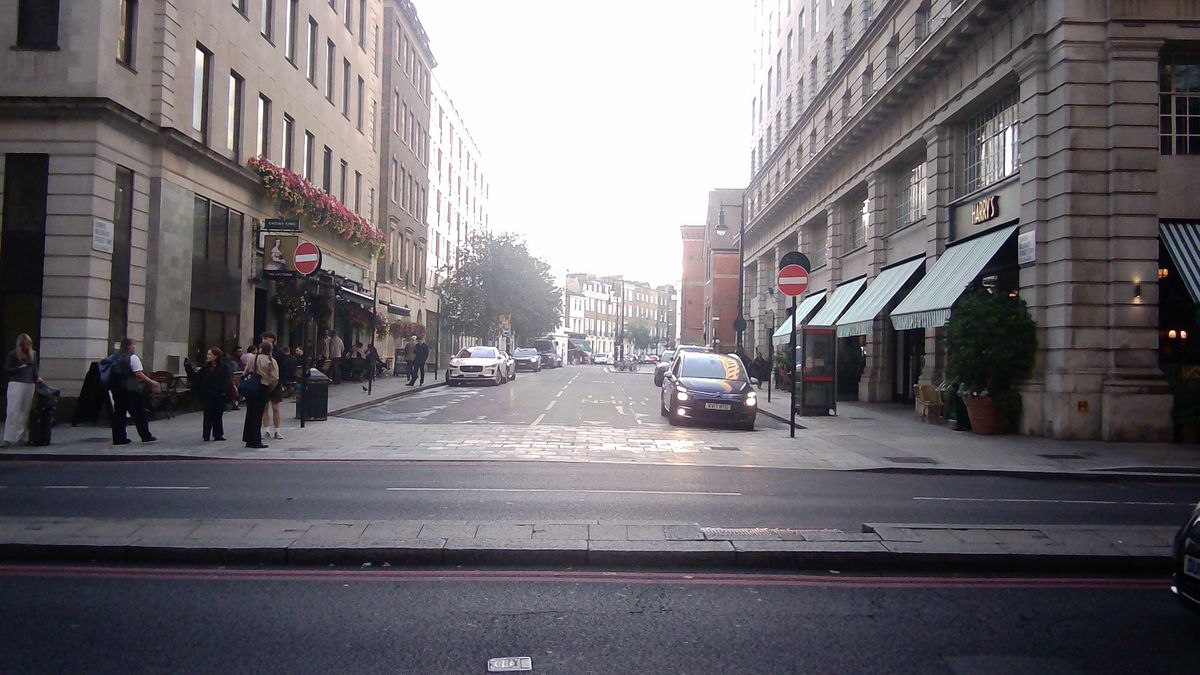
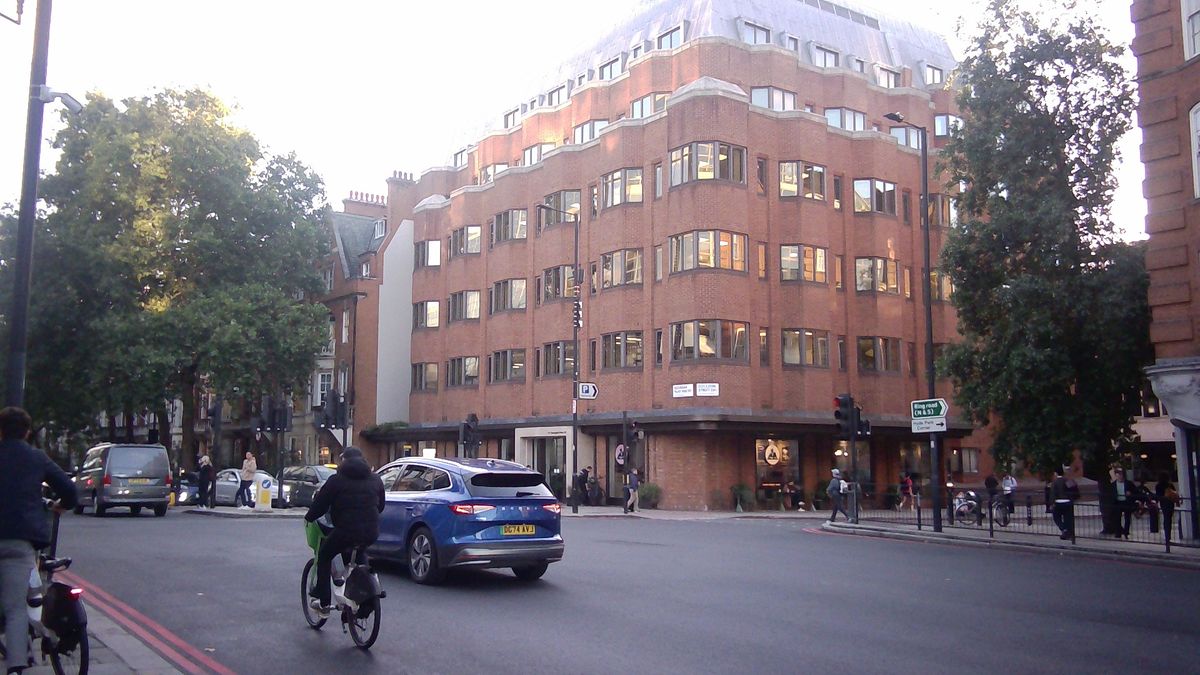
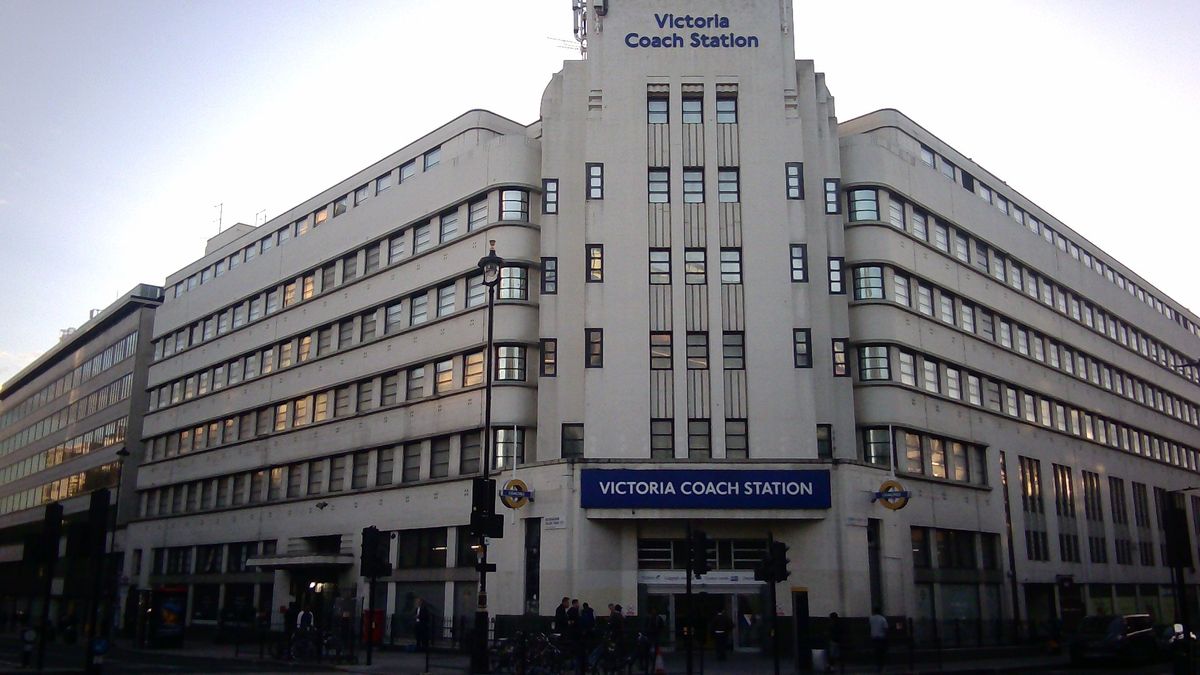

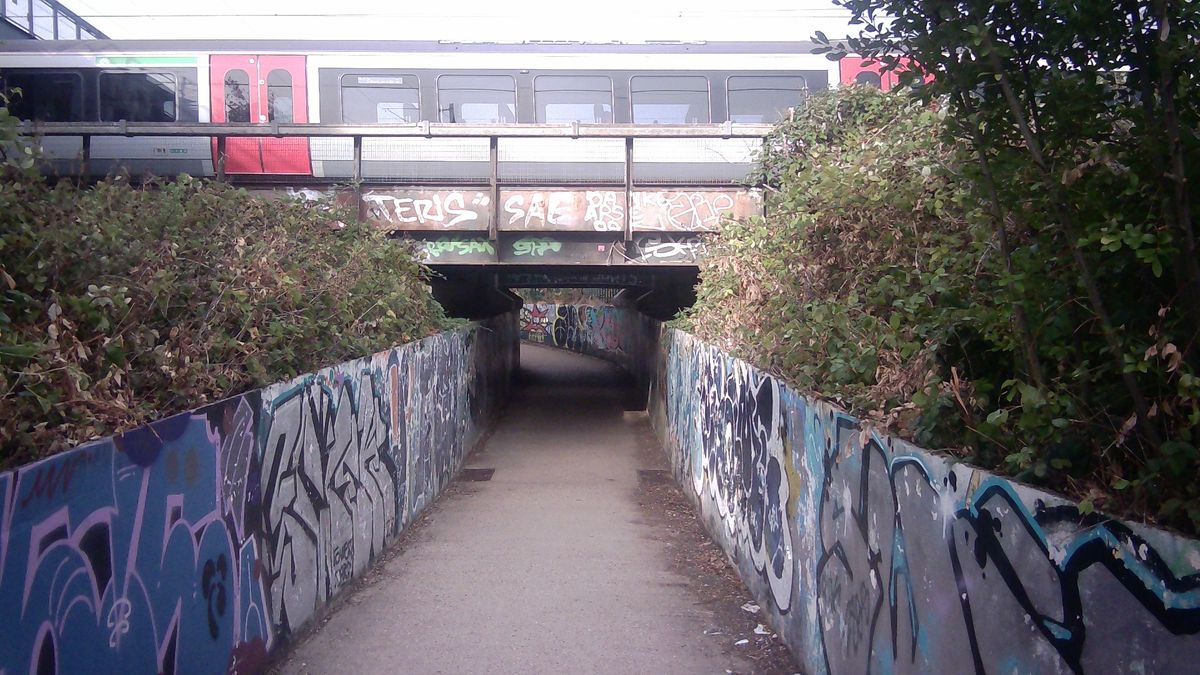
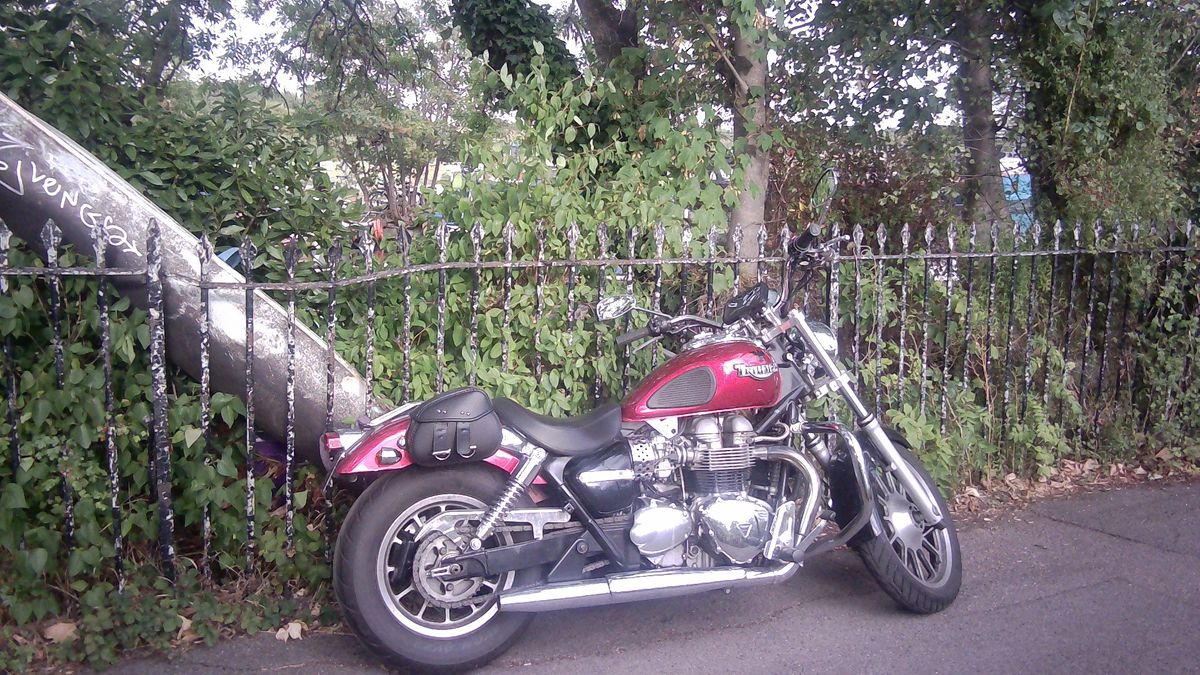
The colors in a lot of shots were punchier than I expected, vivid and nicely rendered. Detail is basically okay, though quickly gets smudgy if your subject is distant or if you look too close. Dynamic range, inevitably, is quite poor — images are easily blown out by bright sunlight, and shadows can quickly become murky and indistinct. It’s okay for what it is — but I think that adding some filters or looks for images à la the Camp Snap 2 or the RewindPix might have helped give the Godox C100 a bit more intrigue and make it more fun to use for longer.
As mentioned, the Godox C100 shoots video, but I’m hard-pressed to see why you would do so. I tested it with a few short walking-around clips, and my reward was jittery video with no stabilization, some pronounced rolling shutter ‘jello effect’, and even some dropped frames.
The light meter functionality works — I tested it alongside my TTArtisan Light Meter II and it gave me settings recommendations that lined up. Of course, this also highlighted some of the conceptual issues with having a light meter in this format. The TTArtisan Light Meter II, which is also quite cheap, has a cold shoe mount that allows it to be affixed directly to the top of an SLR film camera — the Godox C100 does not. Practically, this restricts its usefulness as a light meter to tripod-based shooting only — you’re not realistically going to be juggling the C100 in one hand and a film camera in the other.
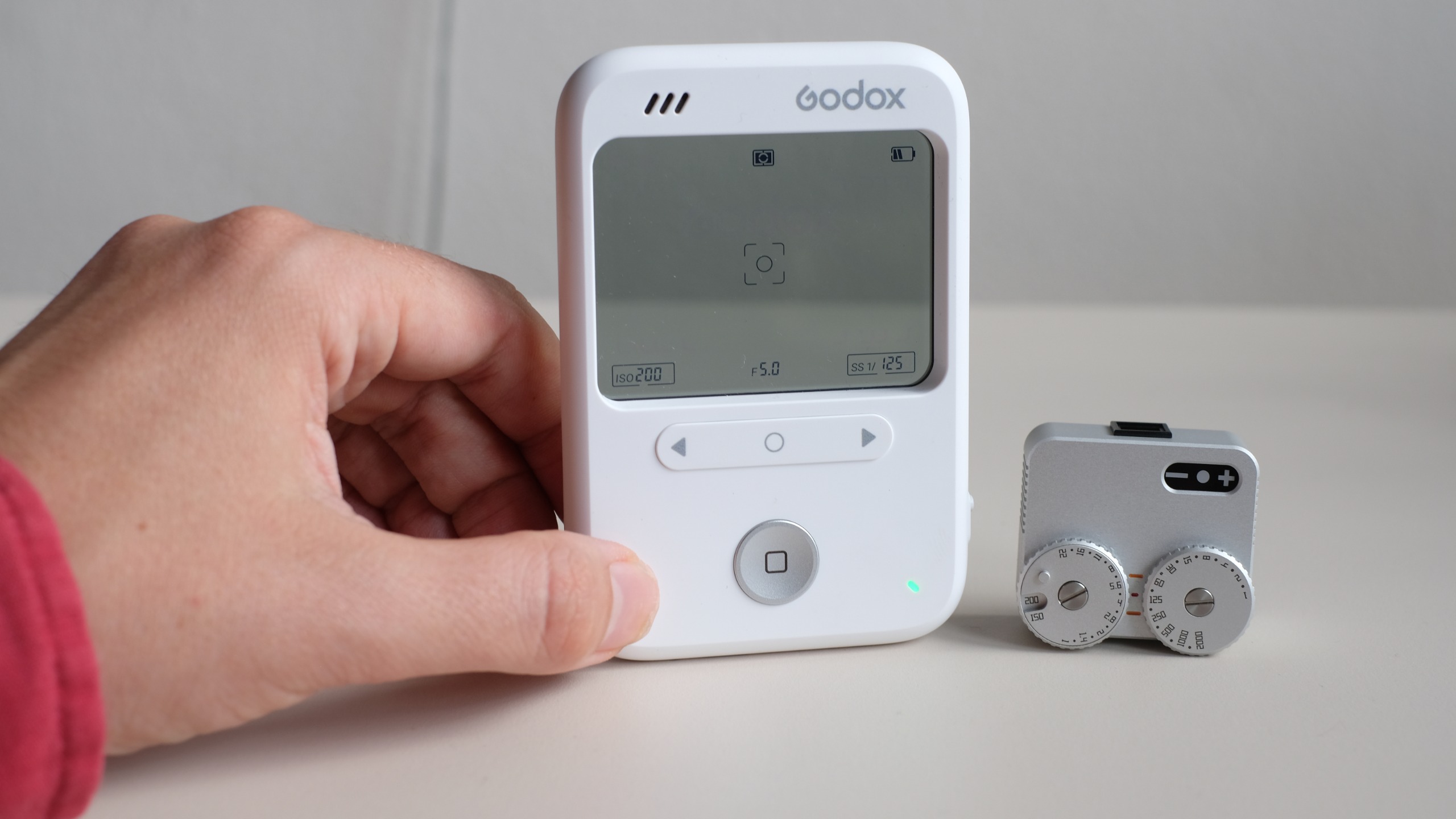
If I mentally squint, I can construct a use-case scenario where the Godox C100 functions as both a light meter and a means of capturing a quick ‘record shot’ of a scene that’s going to be captured on film — similar to the way that pro photographers used to use Polaroids, back when Polaroids were somewhat cheap. Maybe that sounds like something that’d be useful to you. It’s not for me.
Should I buy the Godox C100?
Buy it if...
You want a camera that literally fits in your pocket
Many cameras claim to be pocketable – the Godox C100 actually is.
You want a completely new photographic experience
Fair play, shooting with the Godox C100 didn’t feel like shooting with any camera or phone I’ve used before.
You want a light meter for film shooting
The light meter functionality works well, and the Godox C100 is cheaper than many dedicated light meters.
Don't buy it if...
You want high-quality images and videos
Move along.
You want a light meter for fast-paced street shooting
The lack of a hotshoe mount means the C100 better suits slower pursuits like landscape photography.
Also consider
For similar cheap point-and-shoot vibes, you might want to try the latest Camp Snap — a screen-free compact with an emphasis placed firmly on fun rather than image quality.
Read our full Camp Snap 2 review
Kodak's keychain camera has a similar novelty factor to the Godox C100. It's also cheaper, is one of the few cameras with image quality that's actually worse than the C100 — but as its name implies, it's kind of charming.
Read our full Kodak Charmera review
How I tested the Godox C100
- I tested the Godox C100 indoors and outdoors over several days of highly changeable weather in London
- I shot video across a long weekend trip to northeast England, plus my hometown
- I used the light meter mode to take readings and compared them to readings I had taken on a dedicated light meter from the same point
I was sent the Godox C100 shortly after its official release. I took it on several photo walks around different areas of London in varying light conditions, tried out the photograph and video modes and swapped between aspect ratio settings. I also compared the light meter readout to my TTArtisan Light Meter II to verify its accuracy.
- First reviewed September 2026




 English (US) ·