
 10 hours ago
3
10 hours ago
3
Game preservation is "a responsibility the entire industry should take seriously".
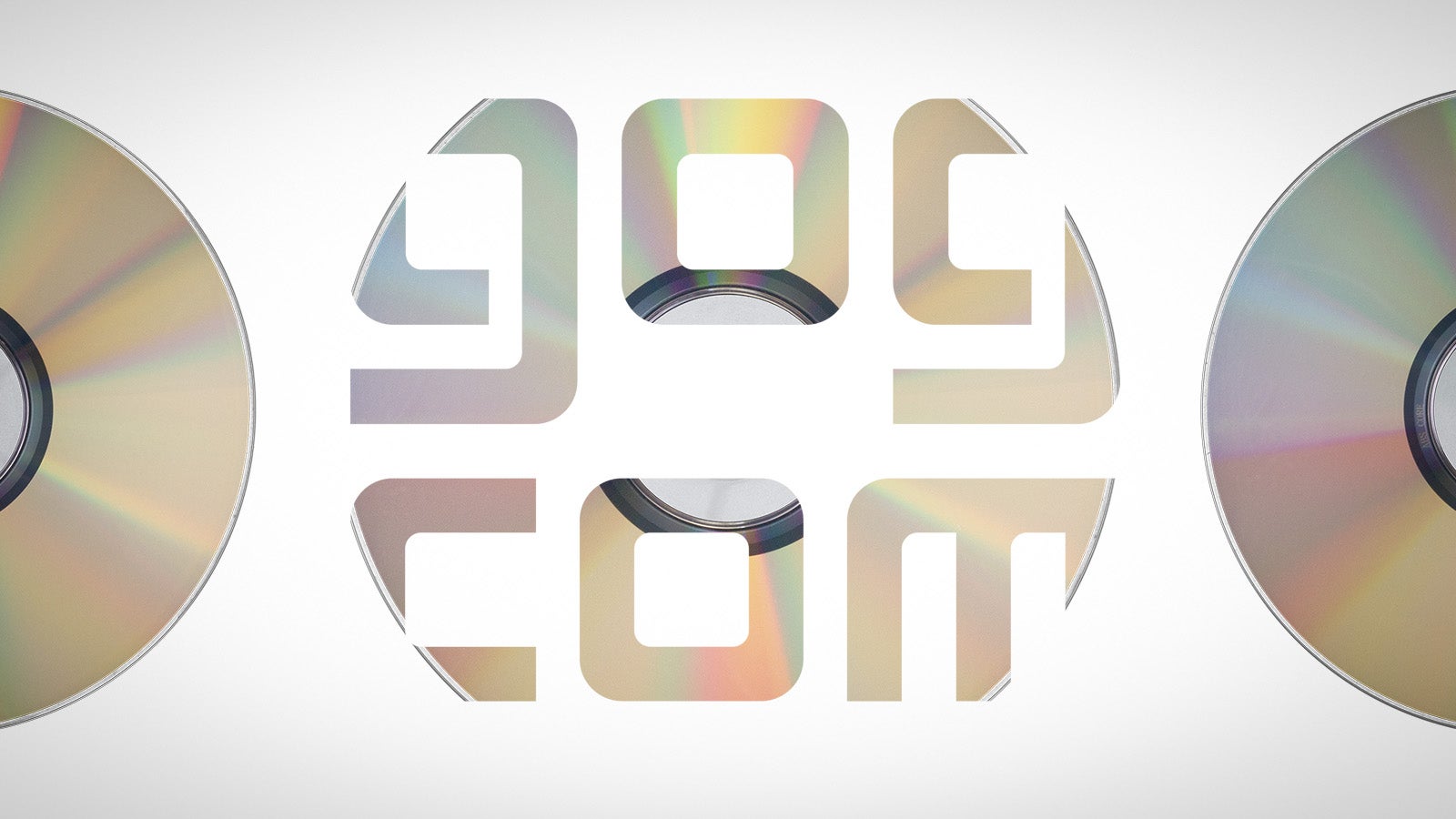
In the wake of Sony announcing the end of PlayStation game discs, and as concerns about game ownership swirl around it, PC digital distribution shop GOG has sought to remind people about what's most important.
GOG, once Good Old Games, has made a business out of offering games DRM-free - this was a founding mantra of the company. Unlike Steam where, when you buy a game, you license it within that ecosystem and can't play it elsewhere, GOG sells digital games that you can download and own separately from any ecosystem or store. Once you have them, they're yours to do with as you wish.
This is not the approach to digital 'ownership' that PlayStation or Xbox or Nintendo take, and are expected to continue to take in the future. When you buy a game on their respective consoles, your games are intrinsically linked to the account and machine you logged into to buy them from. Games can't be shared or resold or detached from those things - in a sense, they're never really fully yours.
"Every shift away from physical media makes the conversation around game ownership and preservation even more important," GOG joint-CEO Krzysztof Papliński told me in an email. "Technology evolves, but the idea that players should keep access to the games they buy shouldn't. As the industry becomes increasingly digital, players should have the full confidence that the games they buy will remain accessible regardless of changes to platforms, storefronts, or business models. That's a principle we've believed in since GOG was founded.
"Players should have the full confidence that the games they buy will remain accessible regardless of changes to platforms, storefronts, or business models" -Krzysztof Papliński"For us," Papliński added, "preservation and ownership go hand in hand. That's why every game on GOG is DRM-free and comes with offline installers, giving people lasting control over their purchases. The future of gaming shouldn't come at the expense of ownership - preserving access to games for years to come is a responsibility the entire industry should take seriously. We hope discussions like this encourage everyone to place greater value on both player ownership and long-term preservation. Those principles have been at the heart of GOG since day one, and they’ll always guide what we do."
Indeed, when Sony announced its intention to end disc production, GOG reacted to the news on X by stating: "Even if a game vanishes from the GOG storefront, it never leaves your library." This remark underlines a significant concern whereby even if you've bought a game, it can still be removed if the company that owns the ecosystem deems it so. We've already seen a similar thing happen on PlayStation regarding movies, as hundreds of Studio Canal films have been scheduled for removal despite being 'owned' by people there.
The question of game ownership is at the heart of the debate surrounding Sony's discless future, which will also probably be a discless future for Xbox and maybe a game card-less future for Nintendo too. "Sony kills game ownership and says it's all your fault," wrote Chris Tapsell while attempting to get to the core of the issue for Eurogamer in an in-depth opinion piece. Attached to this is the question of game preservation, and how we can secure the ongoing existence of games when the services they're tied to either change irrevocably or cease to exist.
But why do this at all? Was it anything more than "a spreadsheet decision"? Former PlayStation leader Shawn Layden doesn't seem to think so. One thing's plainly clear, however, and that is that Sony faces considerable backlash over its decision. Will this have an effect on Sony and either change the decision or in some way shape how the company deals with game ownership in the future? Or will it plow on ahead unfazed?
GOG, originally a part of The Witcher and Cyberpunk developer CD Projekt, recently bought its independence. Its new owner is one of the founding members of the company and of CD Projekt, Michał Kiciński, who told me "I'm not afraid of risk" when discussing GOG's future earlier this year.



 English (US) ·