
Serving tech enthusiasts for over 25 years.
TechSpot means tech analysis and advice you can trust.
Editor's take: The idea of cleaning human wounds with live maggots sounds like the sort of medieval medicine that should have died out somewhere around the invention of soap. But one day, you could be thanking a fly's larvae for saving a limb from amputation.
The US Food and Drug Administration has cleared Medifly Maggots, a prescription wound-care product from Singapore-based Cuprina, for use in maggot debridement therapy.
The product uses sterile, medical-grade larvae of Lucilia cuprina, better known as the Australian sheep blowfly, to remove dead or infected tissue from wounds that refuse to heal.
It's not a treatment for the squeamish, but this isn't quite as horrifying as it sounds – just don't do an image search while eating. In a clinical setting, healthcare professionals apply the larvae, usually under a dressing. The larvae then secrete enzymes that break down dead tissue into a liquid they can consume. Healthy tissue is largely left alone, which is the whole point.
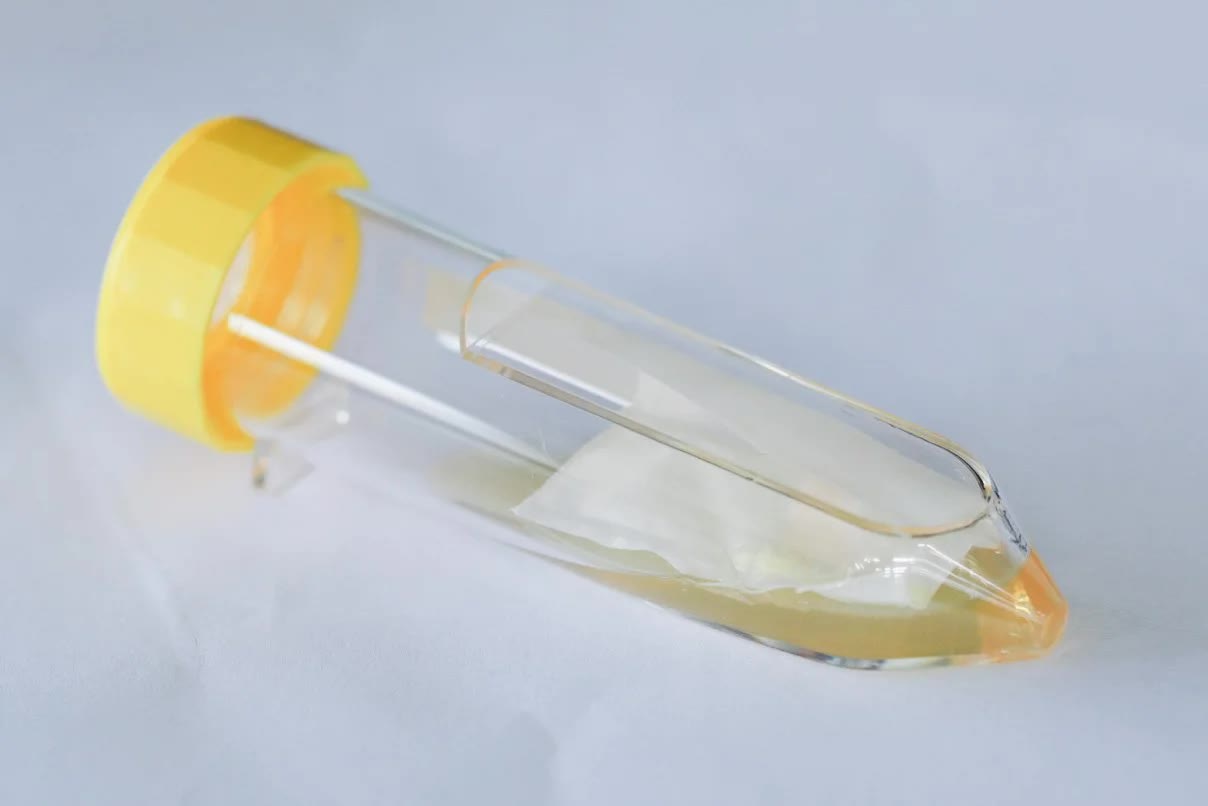
The FDA's database lists Medifly Maggots under 510(k) number BK251252, with a decision date of June 12, 2026. The agency found the product substantially equivalent to an earlier medical maggot product, allowing it to be marketed for debriding non-healing necrotic skin and soft-tissue wounds, including pressure ulcers, neuropathic foot ulcers, and non-healing traumatic or post-surgical wounds.
The clearance appears to make Lucilia cuprina the second fly species authorized for this kind of therapy in the US. The first was Lucilia sericata, commonly known as the green bottle fly, whose larvae were cleared in 2004. Cuprina says it now holds US FDA commercial rights to both species used in maggot debridement therapy.
The company argues that having both species matters because Lucilia sericata is better established in Western wound care, while Lucilia cuprina is more familiar in parts of Australia, Africa, Asia, and the Americas. That could give Cuprina more flexibility as it looks beyond the US market.
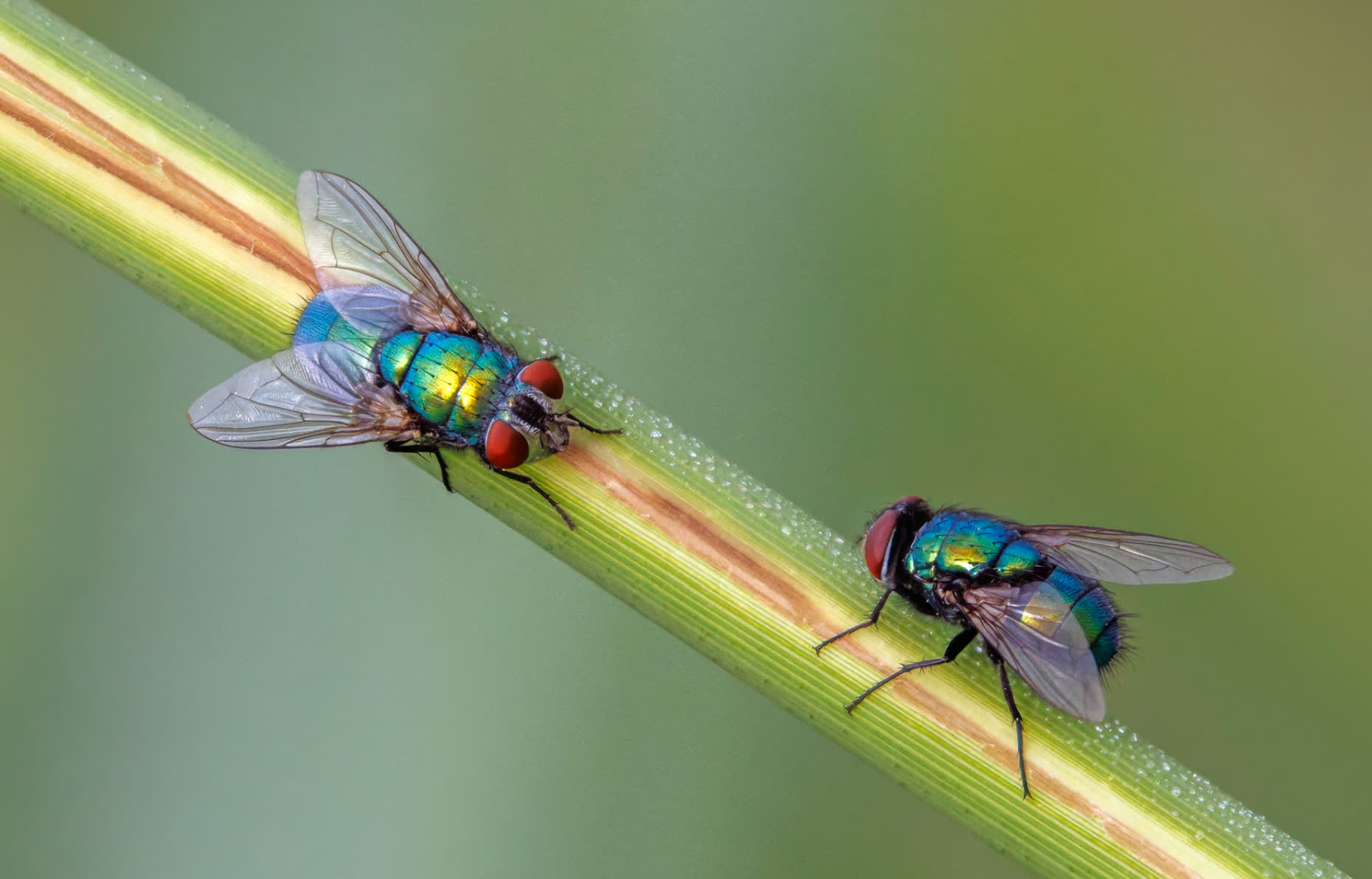
Lucilia sericata, the OG of maggot wound therapy
Maggot therapy has a long history, including use on battlefield wounds, and modern interest has been helped by growing concern over chronic wounds and antimicrobial resistance. Cuprina says chronic non-healing wounds affect an estimated 1% to 2% of people in developed countries.
Reviews have found that maggot therapy can speed the removal of dead tissue, but the evidence that it improves overall healing compared with conventional treatment is less clear. For patients with stubborn wounds, however, another regulated option could be welcome, even if nobody is going to enjoy reading the ingredients label.
Cuprina says Medifly Maggots should soon become available to wound-care providers across the US.








 English (US) ·