
 5 hours ago
7
5 hours ago
7
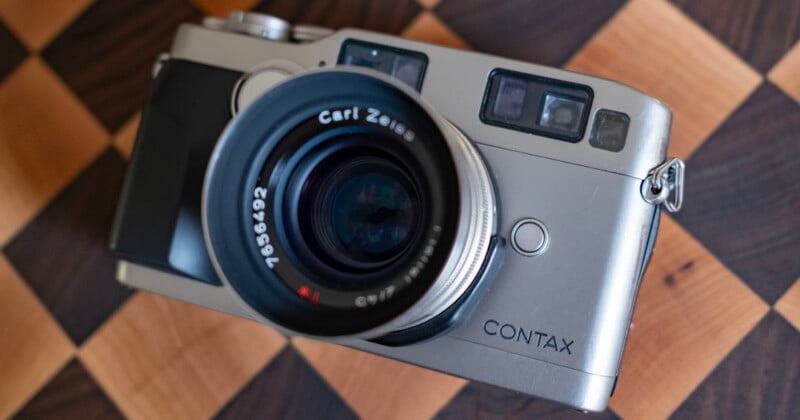
Not too long ago, I saw a Contax G2 in excellent condition available on KEH. I’d heard a lot about this camera lately, and since I had never experienced it myself, I decided I wanted to find out for myself: was all the chatter just hype, or is this camera actually great?
Even today, the Contax G series remains relatively unique because it is, to my knowledge, the only interchangeable lens, autofocus-equipped, rangefinder camera system ever made. There are some fixed-lens designs with optical rangefinders from other brands, but those are typically referred to as simply point-and-shoots. I suppose you could argue that the Contax G2 is an interchangeable lens point-and-shoot, but that doesn’t feel quite right. I think it is instead a really lovely blend of the ease and approachability of a point-and-shoot and the capability and manual control of an enthusiast-level system.
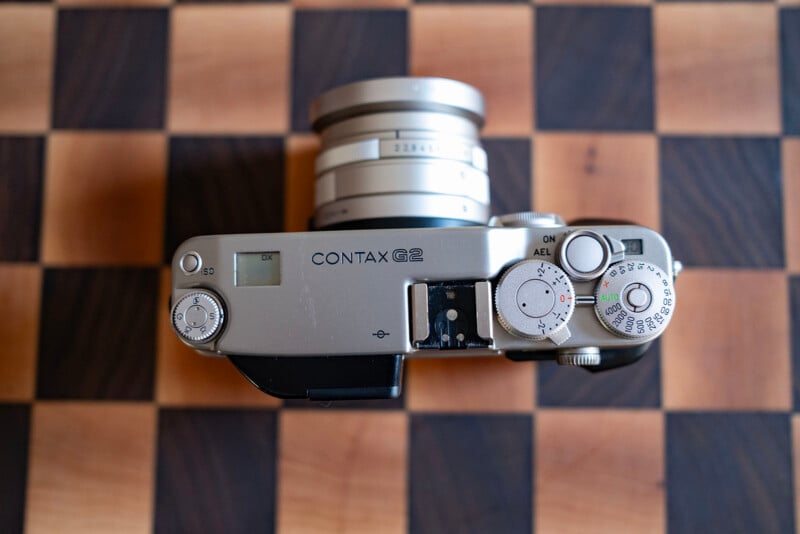
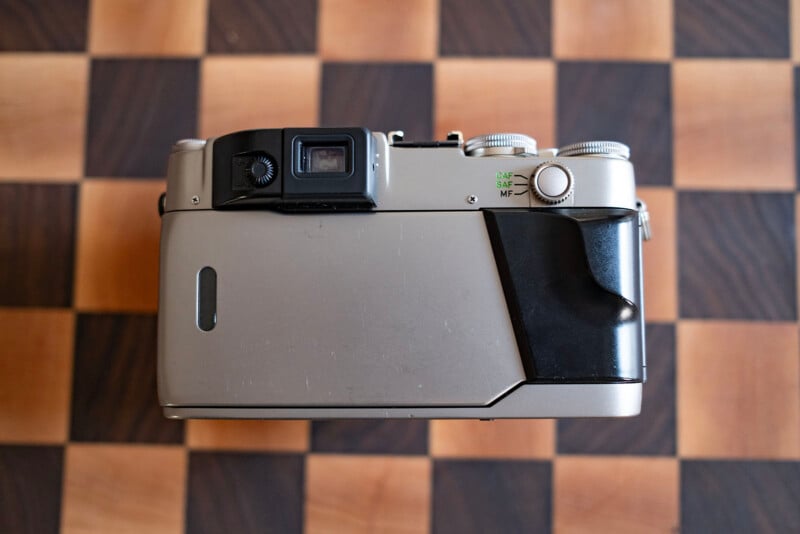
The Contax G2 is, as the name implies, the second version in a camera series made by Kyocera back in 1996, with production ceasing in 2005. It features a body-driven autofocus system (that is to say, in contrast to modern lenses, the motor that powers the autofocus is in the camera body and not the lens) that uses infrared triangulation paired with a passive external twin-window optical sensor to determine the location of a subject in reference to the camera’s location. It is a very accurate system that will quickly attach to a subject as long as you’re aiming correctly and within the minimum focus distance of whatever optic you’ve chosen.
 Kodak Kodacolor 100
 Kodak Kodacolor 100
The G2 features both single-point and continuous autofocus options, but I found myself using single-point most often. Because focus is grabbed from the center of the optical viewfinder, I relied heavily on the focus and then recompose method, which worked best when utilizing back-button autofocus.
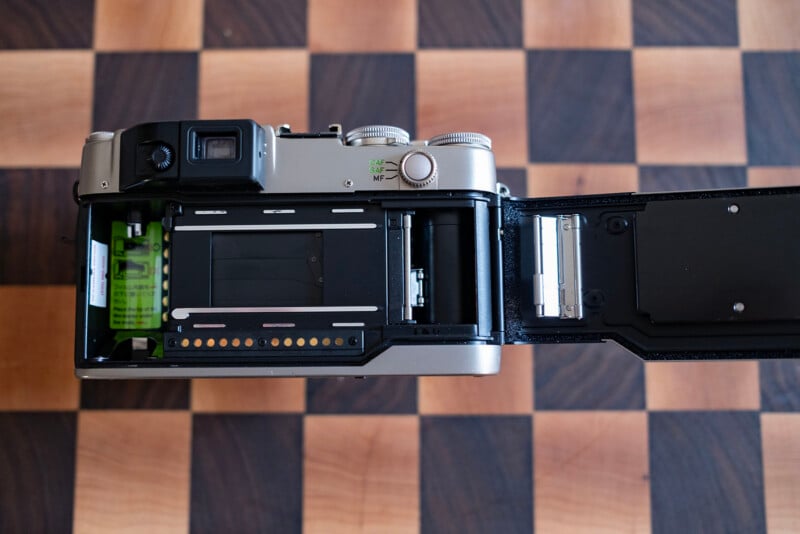
By finding a subject, holding down on the rear autofocus button, and then recomposing before quickly pressing the shutter, the Contax G2 allows for fast and accurate street photography that, once you get into a rhythm, is wonderfully repeatable.
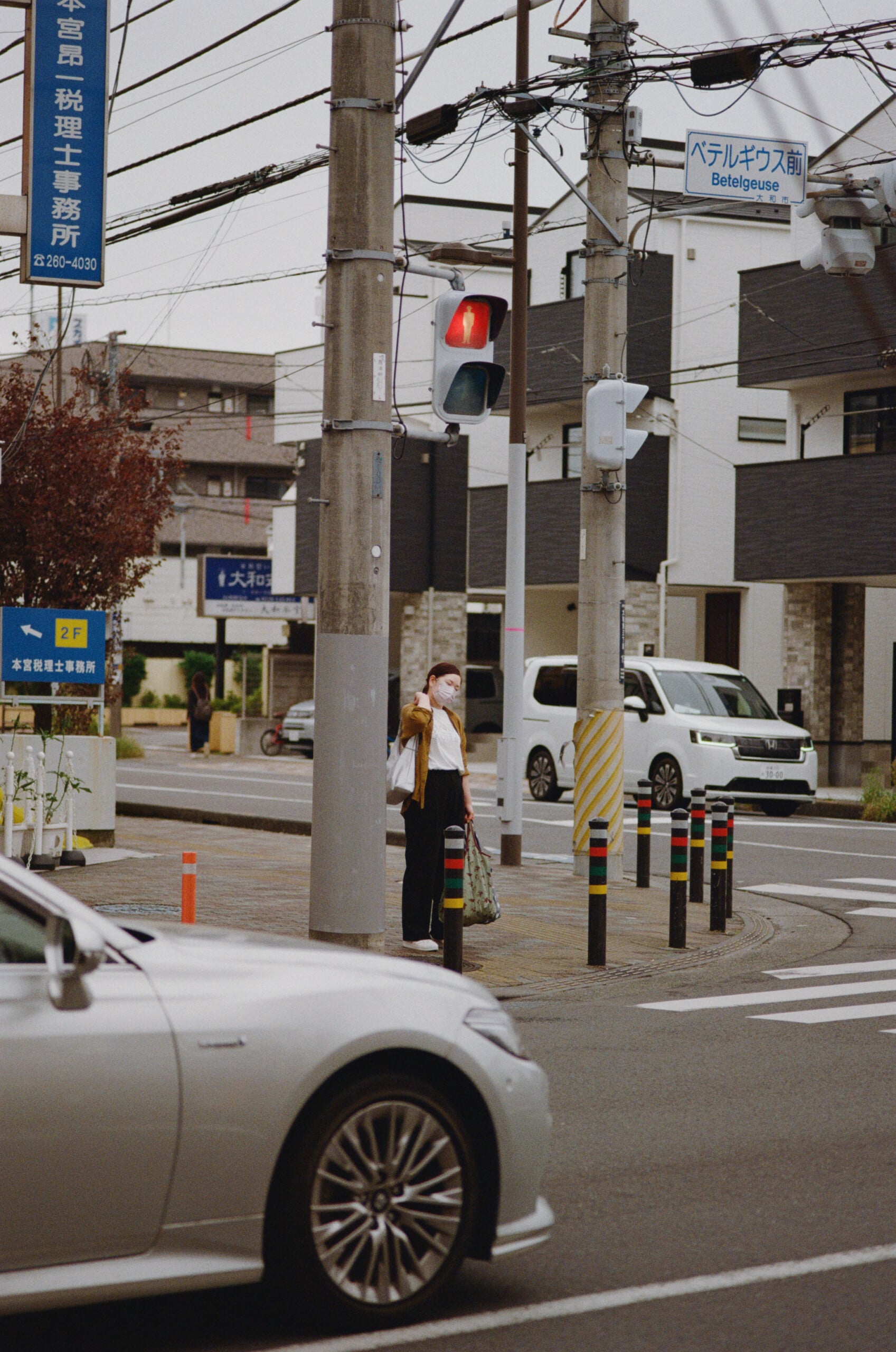 Kodak Kodacolor 100
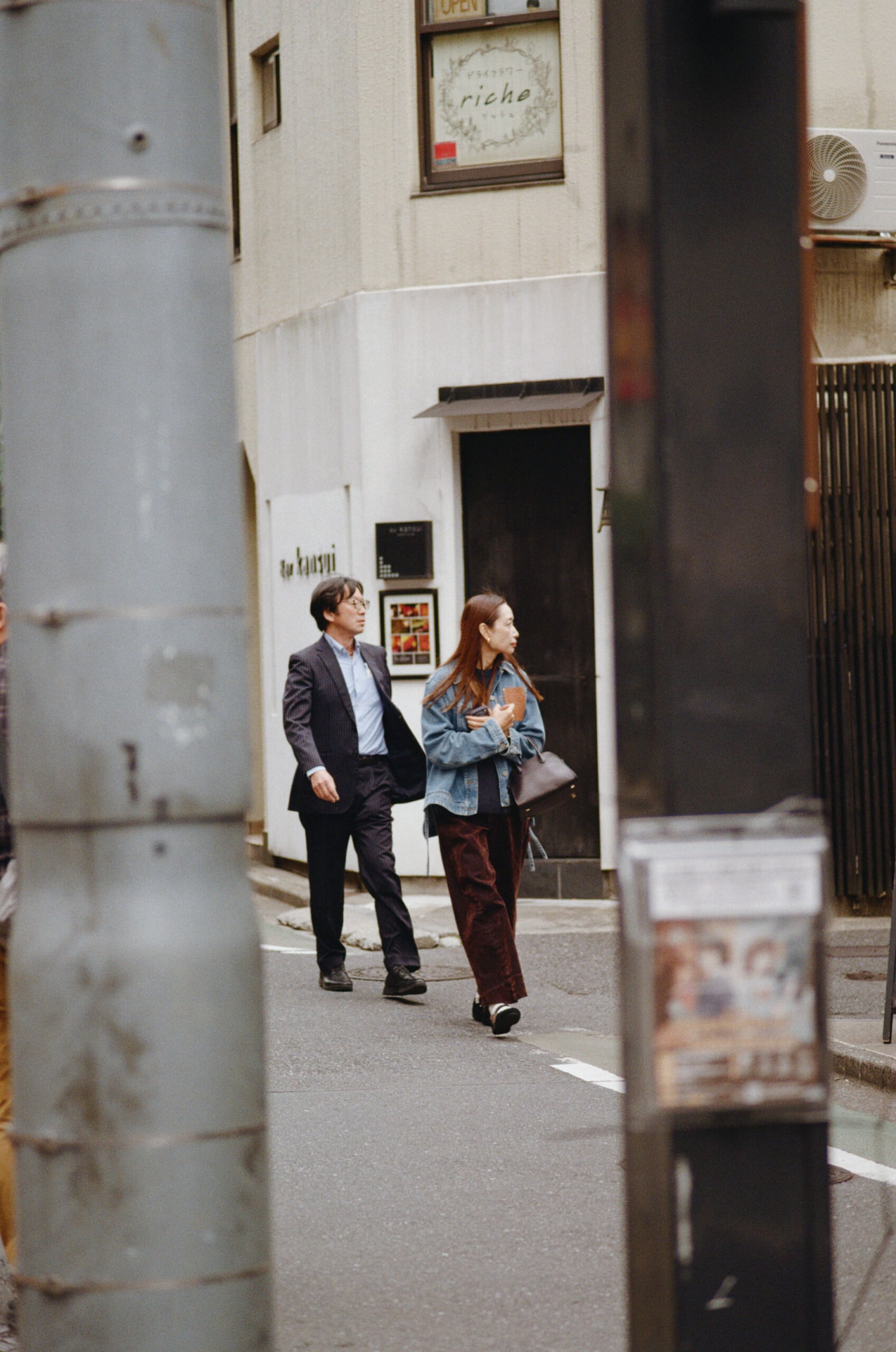 Kodak Kodacolor 100
 Kodak Colorplus 100
Carl Zeiss made seven lenses for the G series, and I opted for the 90mm f/2.8 and the 45mm f/2. I found both to be beautifully sharp and a joy to use. I heard good things about the Zeiss optics for the G series, and I was not disappointed. They’re wonderfully light and compact, making them very easy to use and carry around, and very sharp, even wide open.
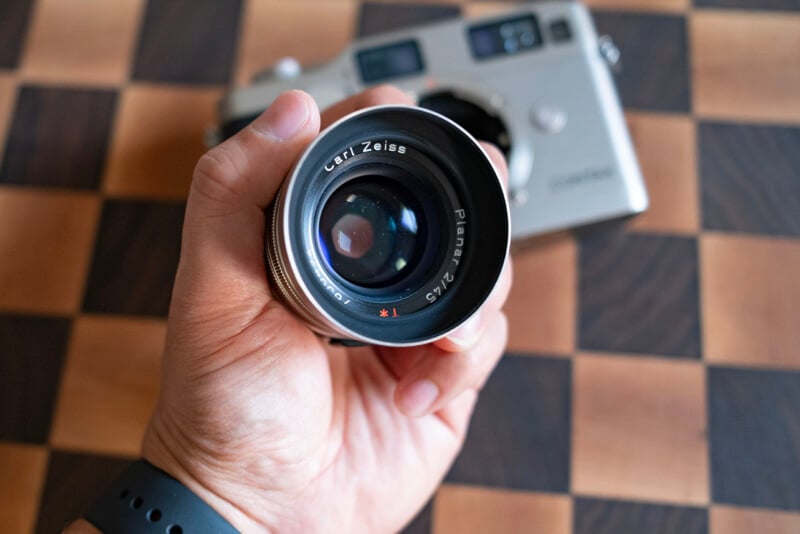
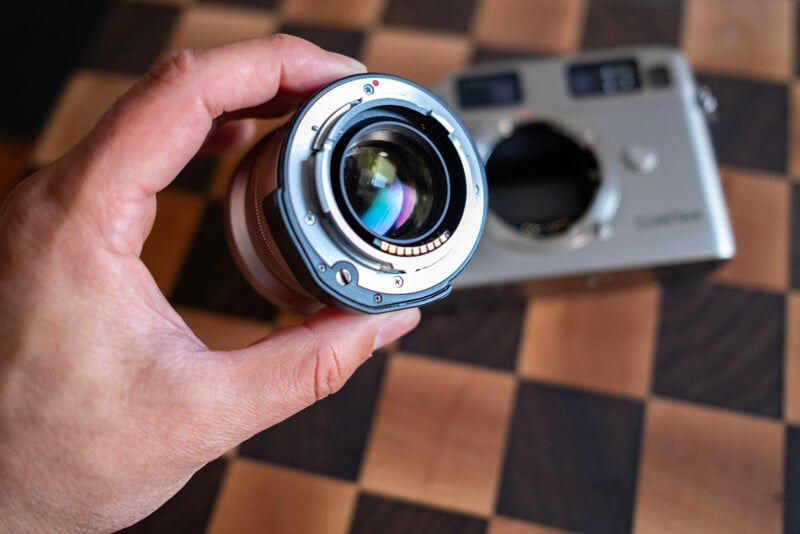
Speaking of lenses, I was initially confused when I tried to mount them on the camera, and that’s because the lenses don’t attach how you would expect them to. Each lens has a small black collar of sorts that doesn’t move when you mount the lens, which is counterintuitive at first. Coming from modern lenses, I expected the whole lens would twist on, but with the G series, just the metal parts of the barrel that sit inside the black ring actually twist. The optical viewfinder automatically adjusts to the correct field of view when you change lenses, which is nice.
While you can shoot this camera in fully manual mode, including manual focus, which would be driven by the little wheel on the front of the camera, I was told to let the camera do most of the thinking and shoot in auto mode to get the best overall experience, and I’m glad I did just that.
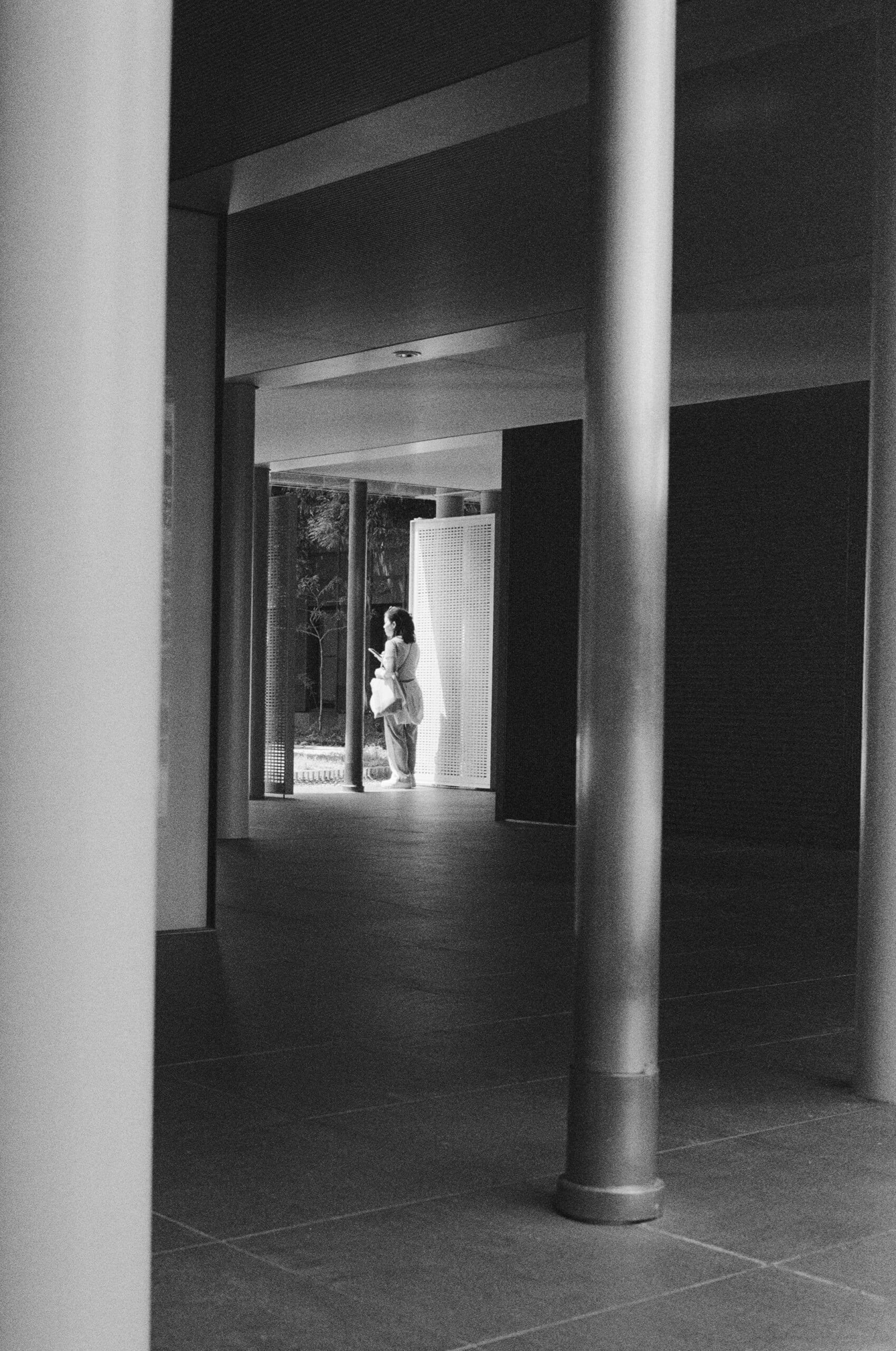
This camera does really feel like a super-advanced point-and-shoot. All I ever adjusted was my exposure compensation and aperture, and I let the camera take care of the rest. Being able to rely on a camera, and a film camera at that, to this degree is hugely freeing. It lets me focus on my subjects and composition.
While it’s called Auto mode, that kind of does the experience a disservice since it’s not the “auto mode” we know of today, but rather it’s just aperture priority. Comparing how I used the G2 against how I shoot with my Bessa R2A, I didn’t really do anything all that differently besides give up focusing control.
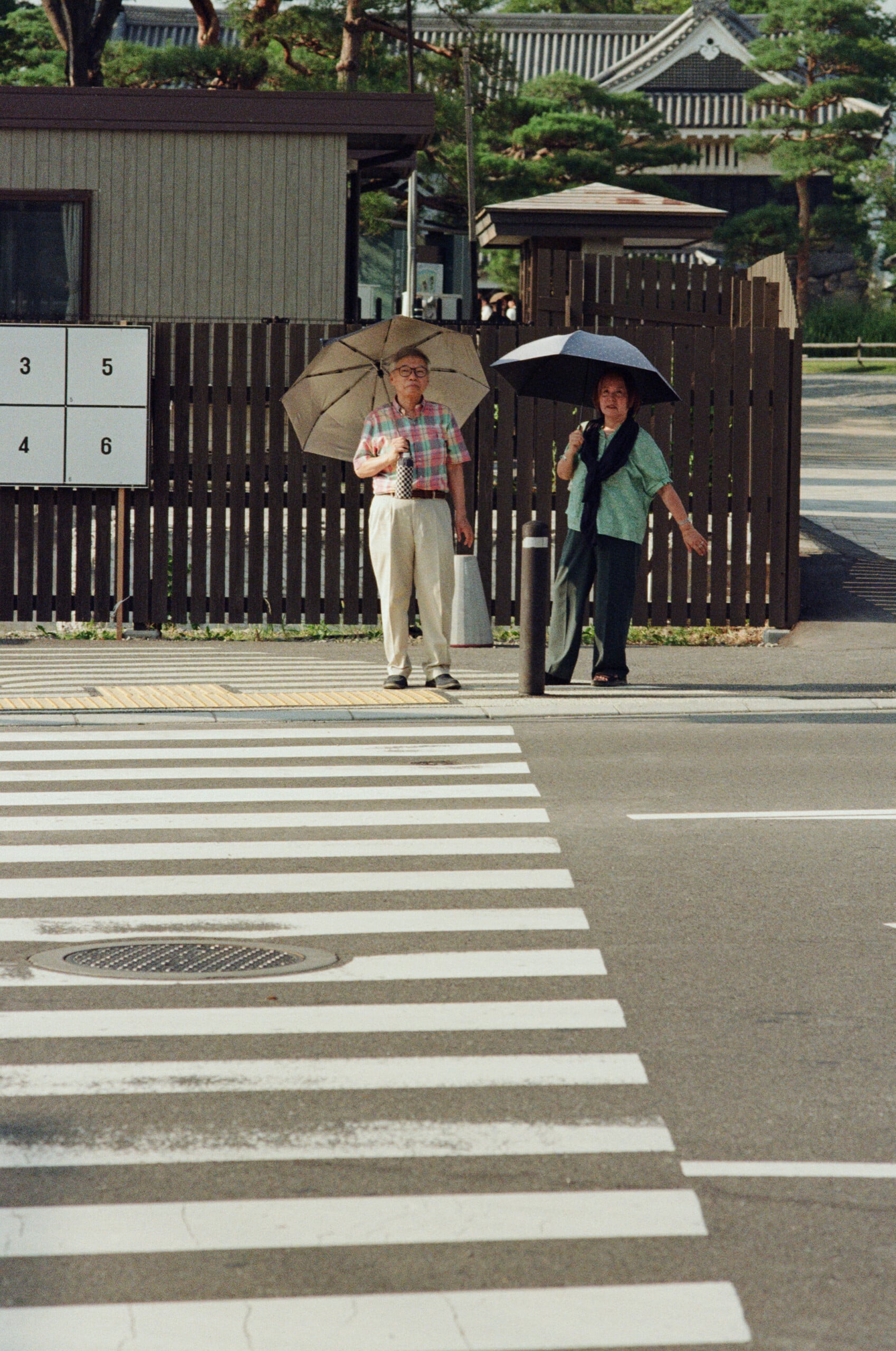 Kodak Kodacolor 100
I love the way this camera feels in my hand. My thumb perfectly nestles into the rear grip while my index finger hovers over the shutter button and my three other fingers find wonderful purchase on the front grip.
If I had any complaints, they would be related to the small and relatively dim viewfinder and the fact that it doesn’t do a fantastic job of telling me when a subject isn’t within the lens’ minimum object distance. It does, but the indicators are so small they can be hard to see, and in the moment, you can easily miss them if you’re more focused on your subject than the lower portion of the viewfinder.
 Kodak Kodacolor 100
 Kodak Kodacolor 100
 Kodak Kodacolor 100
I’m sure it was better brand new, but that optical viewfinder is pretty susceptible to haze as well. I’ve handled two Contax G2s this year, and both were varying levels of hazy, with the one I have being the better of the two.
The other issue is that this camera and its lenses are expensive. This is a popular camera now not only because of film’s revival and because celebrities have been known to sport one, but also because there really is nothing else like it on the market in film or digital.
This is a fun camera, which means those who have them like to hold onto them. We don’t know how many were produced — there were likely tens of thousands of them made — but they remain relatively rare on the secondhand market. They are available in both black and titanium color, and I’m partial to the latter as it pairs best with the titanium-colored Zeiss lenses.
 Kodak Kodacolor 100
G2 Camera bodies can easily cost about $3,000, while lenses can cost between $800 and $1500, if you can find them. The 45mm f/2 is the most common, which is good because it’s a great lens and it can usually be had for under $900. Just expect to fork over the entire contents of your wallet if you intend to collect the full line of optics.
 Kodak Kodacolor 100
 Kodak Kodacolor 100
The popularity and timelessness of the Contax G2 raises the question: why has no other brand ever tried anything like the G2? It’s been 20 years since this camera’s production ceased, and in that time, not a single camera manufacturer has made an interchangeable lens, autofocus-equipped rangefinder. The closest experience to this camera that I can think of is the Fujifilm X-Pro series or, to a lesser degree, since it is a fixed-lens system, the X100 series.
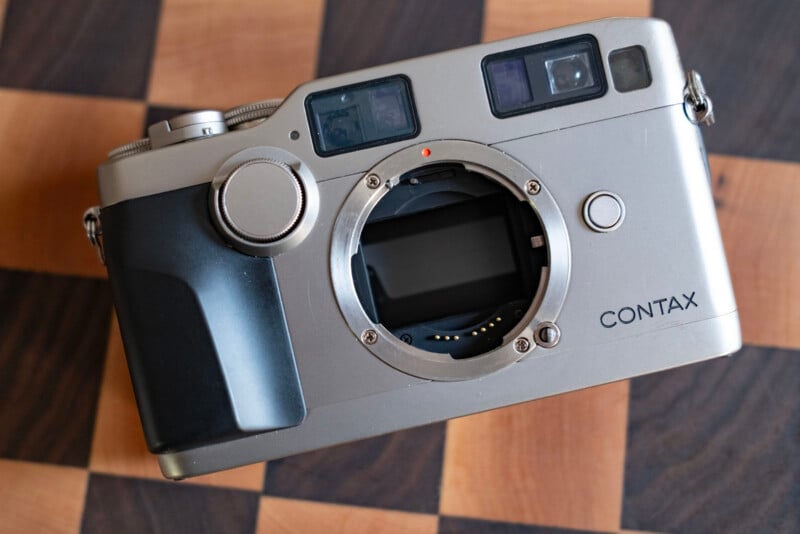
Both of those are wildly popular lines from Fujifilm, too. But it’s not like Fujifilm is the only company that could make something like this. Clearly it’s a good, popular idea, and it will never cease to confuse me why more camera brands don’t look to the very recent past to find success. It’s sitting right there, in shiny titanium.
Image creditsPhotographs by Jaron Schneider
Affiliate Disclosure PetaPixel articles may include affiliate links; we may earn a commission if you buy through one.






 English (US) ·