
The 1950s was the golden age for western cinema, and every year of the decade produced at least one classic film that is still beloved today. Though the western was a stalwart genre from the beginning of film history, it grew in popularity in the post-war years. Hollywood began pumping more money into its western productions, elevating them beyond their B-movie origins.
Filmmakers combined the sensibility of the noir genre with the smash-mouth violence of the western to create a unique mixture. Even during an era of strict censorship, some storytellers pushed boundaries and used the western as a backdrop to make commentary about modern society. While many of the classic films were merely exciting adventure stories, others had something to say.
Dozens of westerns were produced during the 1950s, though they tapered off a bit toward the end of the decade. The genre arguably hit its peak in the middle of the 20th century, and has never reached the same heights since. As evidenced by the sheer number of classics released from year to year, no genre was riding higher in the '50s.
1950 - The Gunfighter
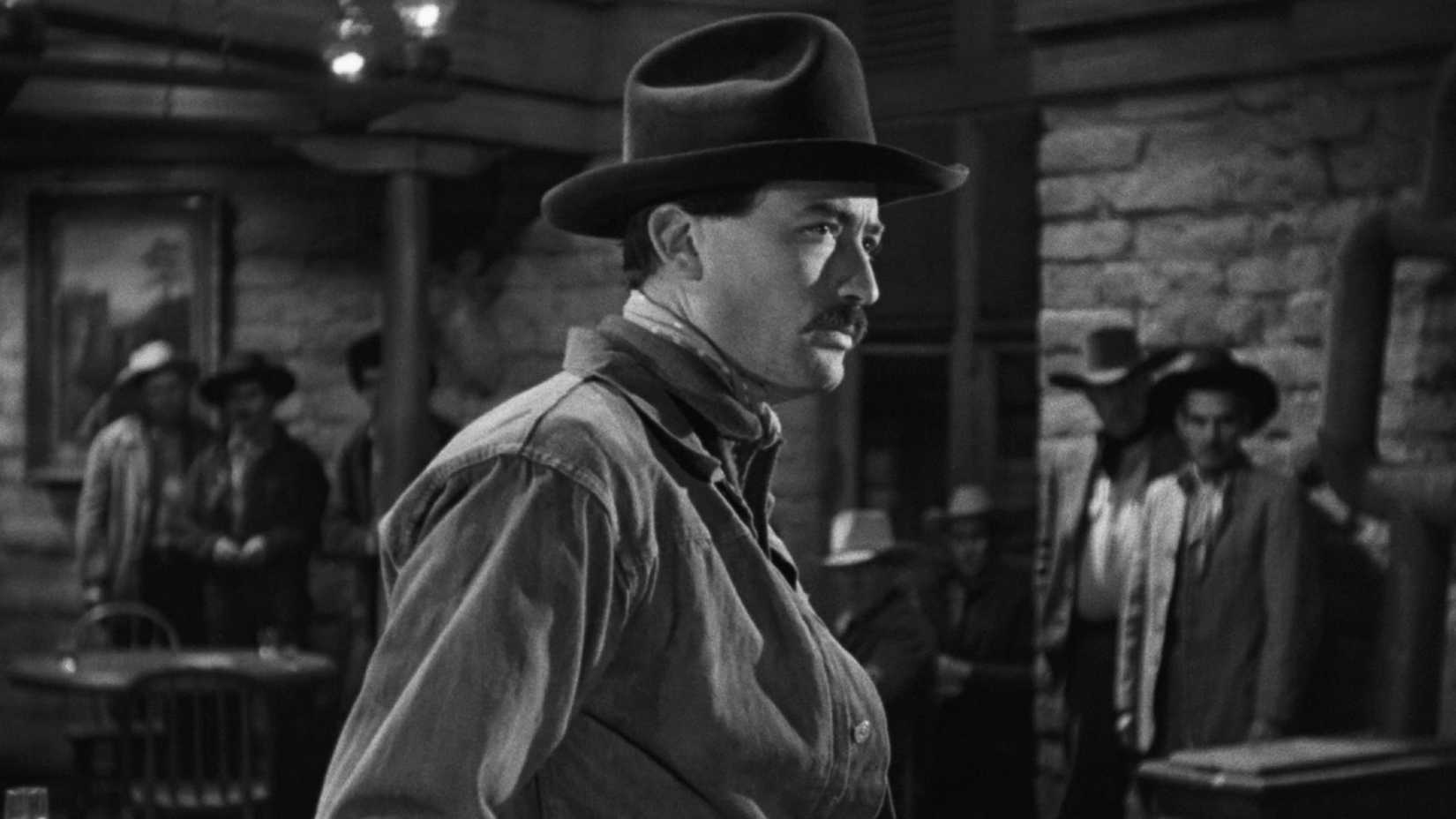
The Gunfighter ranks highly among Gregory Peck's best westerns, and it is a key example of the noir western subgenre. A veteran gunslinger is trying to settle down and reunite with his family, but his violent reputation means he is hounded from place to place. Peck is perfectly cast as the tortured Jimmy Ringo.
In a lot of ways, The Gunfighter is a gripping drama about violence and its repercussions. Released a few years after the end of WWII, it subtly touches on ideas like PTSD and questions the notion of pure justice. It has a gritty edge and stark visuals, making it one of the most dynamic westerns of the 1950s.
1951 - Little Big Horn

Though the westerns released in 1951 can't hold a candle to movies from the other years of the '50s, Little Big Horn is an underrated gem. Soldiers rush across the plains to warn General Custer about the impending ambush at Little Big Horn, but their personal squabbles jeopardize the mission. Charles Marquis Warren's lesser-known war western is an enjoyable little movie with a stellar cast.
Lloyd Bridges and John Ireland headline the flick, and their rivalry is the highlight of the film. It's violent and gritty, and a bit edgier than the squeaky-clean image of 1950s cinema. 1951 might have been a down year by comparison, but Little Big Horn is a classic just waiting to be rediscovered by western aficionados.
1952 - High Noon
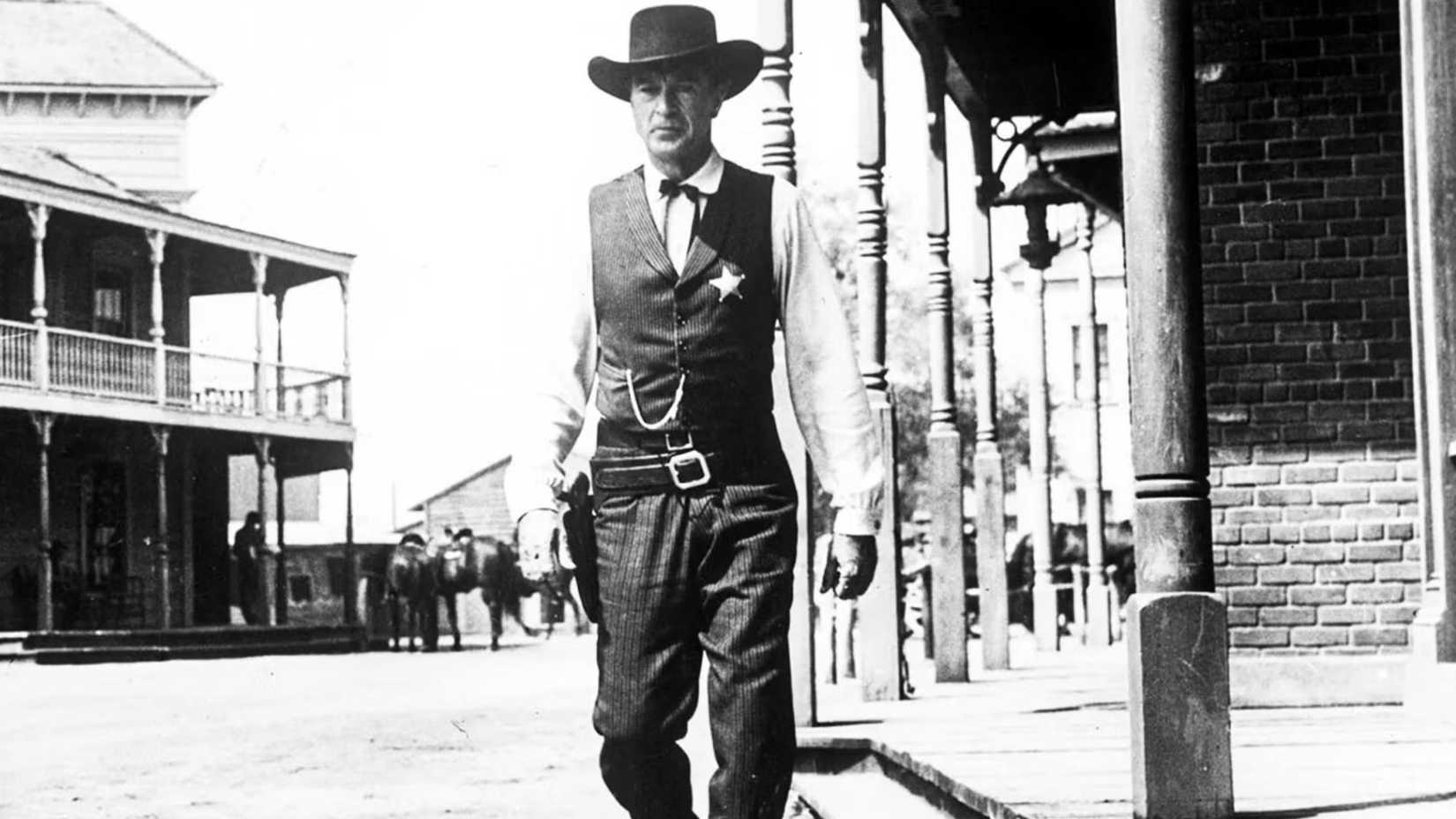
It may seem quaint today, but 1952's High Noon was quite controversial in its day. Gary Cooper stars as a small town cop who desperately tries to muster his forces when he learns a criminal is coming to gun him down. The story is told in mostly real time, giving it a suspenseful ticking clock element.
The movie examines ideas like heroism and masculinity, which earned derision from some who called it un-American. Cooper's Will Kane is a well-rounded and human character, and it is fascinating watching him face impending doom. High Noon stands the test of time because it pushes the western genre in a more realistic direction, eschewing cardboard heroes and shallow idealism.
1953 - Shane
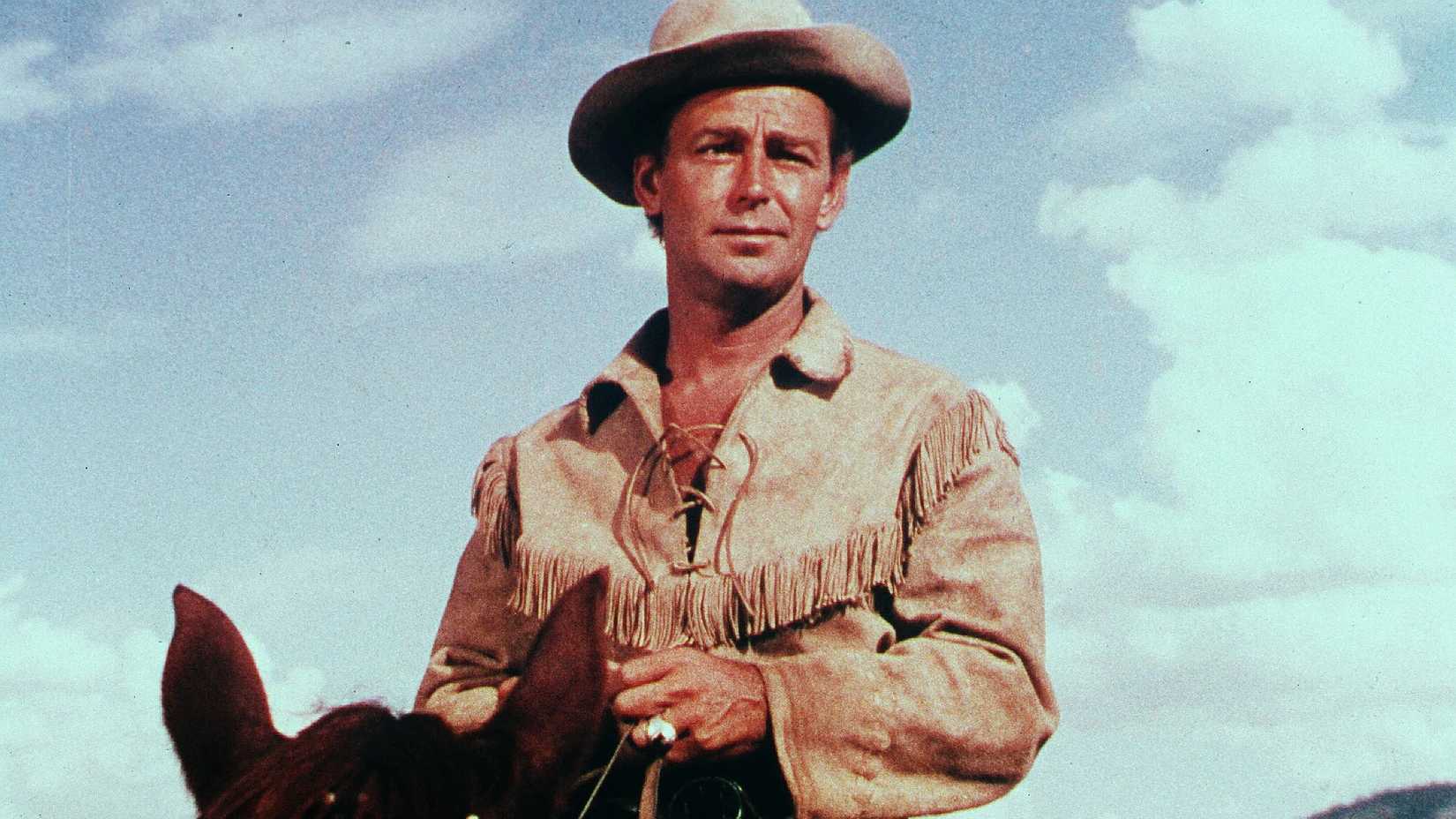
Though he isn't as famous as John Wayne or Clint Eastwood, Alan Ladd is one of cinema's greatest western stars. Shane features Ladd as the titular gunslinger who is drawn into a dispute between townsfolk and a cattle baron just as he's trying to leave his life of violence behind. Shane snagged an Oscar for Best Cinematography, and it was totally deserved.
There's something fundamentally archetypal about Shane, from its soft-spoken hero to its beautiful vistas, and many films aped its style. The emotional final scene is forever associated with the genre, and the film generally transcends its western label. Only a few classic westerns are as universally beloved as Shane.
1954 - Johnny Guitar
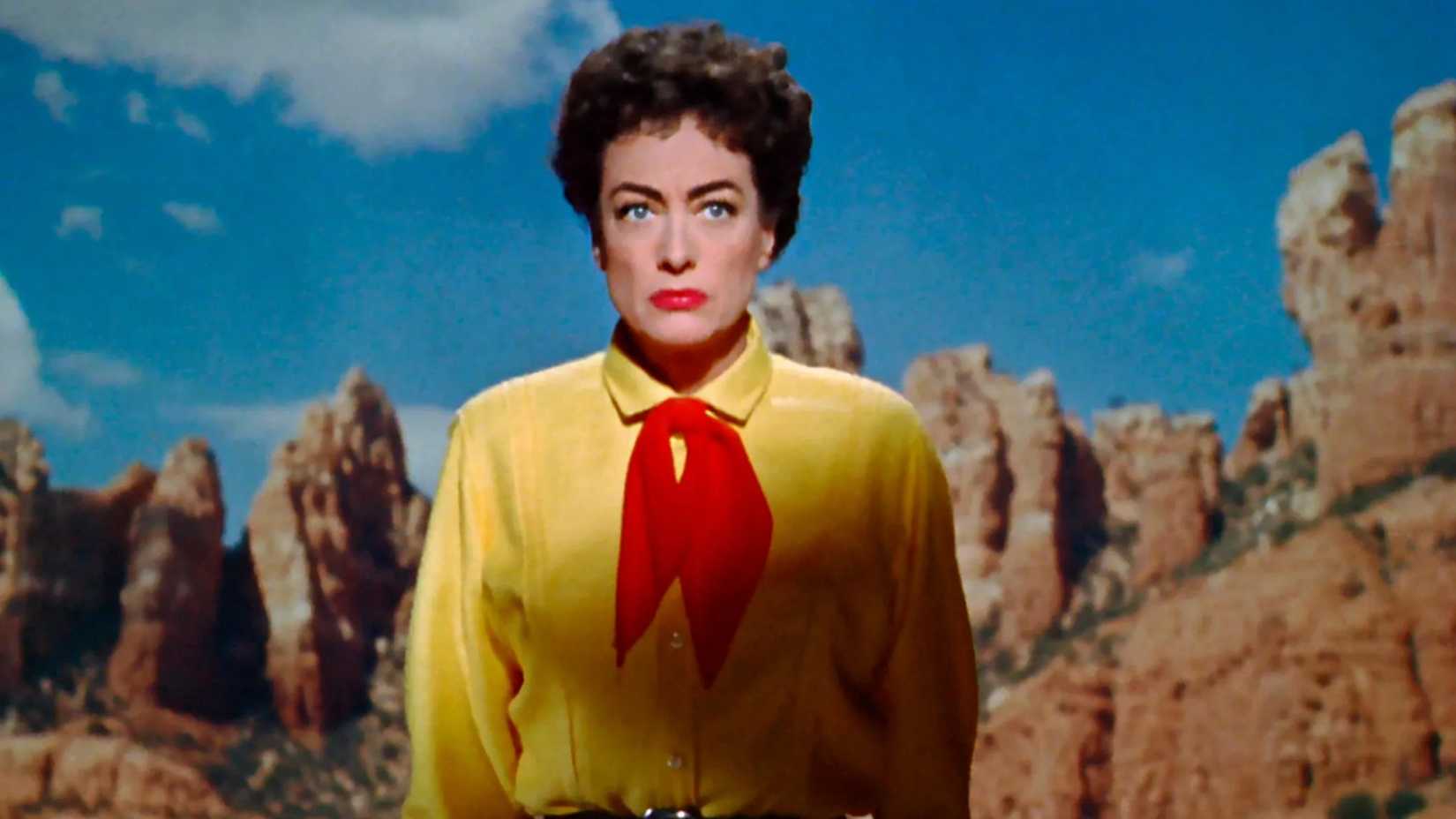
Produced independently of the studio system, Johnny Guitar is the best western of 1954. A strong-willed woman owns a saloon that caters to the riff-raff in town, and her bad reputation puts her in hot water when the townsfolk turn on her and her patrons. Joan Crawford stars as Vienna, and it's one of the strongest roles from the middle period of her career.
Though the film is shot in beautiful color, it has a distinctly noir edge to its storytelling. Johnny Guitar has a lot to say about puritanism and conformity, poking little holes in the idealized view of 1950s America. The film was given largely negative reviews upon release, but has since been reevaluated as one of the most underrated westerns of the '50s.
1955 - The Man From Laramie

James Stewart is one of Old Hollywood's icons, and his westerns are some of the best of the era. In The Man from Laramie, Stewart plays a man searching for the person who sold guns to the Apache in order to avenge his dead brother's murder. All the characters have something to hide, and The Man from Laramie is an angry revenge western on the surface.
The pairing of Stewart and director Anthony Mann is one of the strongest duos in western cinema, and The Man from Laramie is the pinnacle of that relationship. The complex approach to revenge is a subversion of classic western tropes, and Stewart's Will Lockhart is a good man forced into a difficult situation. Overall, it's a rich and thoughtful western experience.
1956 - The Searchers
It's impossible to overstate how great The Searchers is, and it is easily the greatest western of the 1950s. A Civil War veteran returns home to find his family has been attacked by Comanches, and he spends years tracking down his kidnapped niece. John Ford's story of obsession and revenge is an epic in every sense of the word.
The film stars John Wayne as Ethan Edwards, and the bitter veteran slowly becomes the villain of the story. The movie warns about the dangers of vengeance, and how dwelling on the violence of the past only begets more violence in the present. The story plays out on a personal level, but the sweeping visuals of The Searchers provide a beautiful stage for such a compelling narrative.
1957 - 3:10 To Yuma
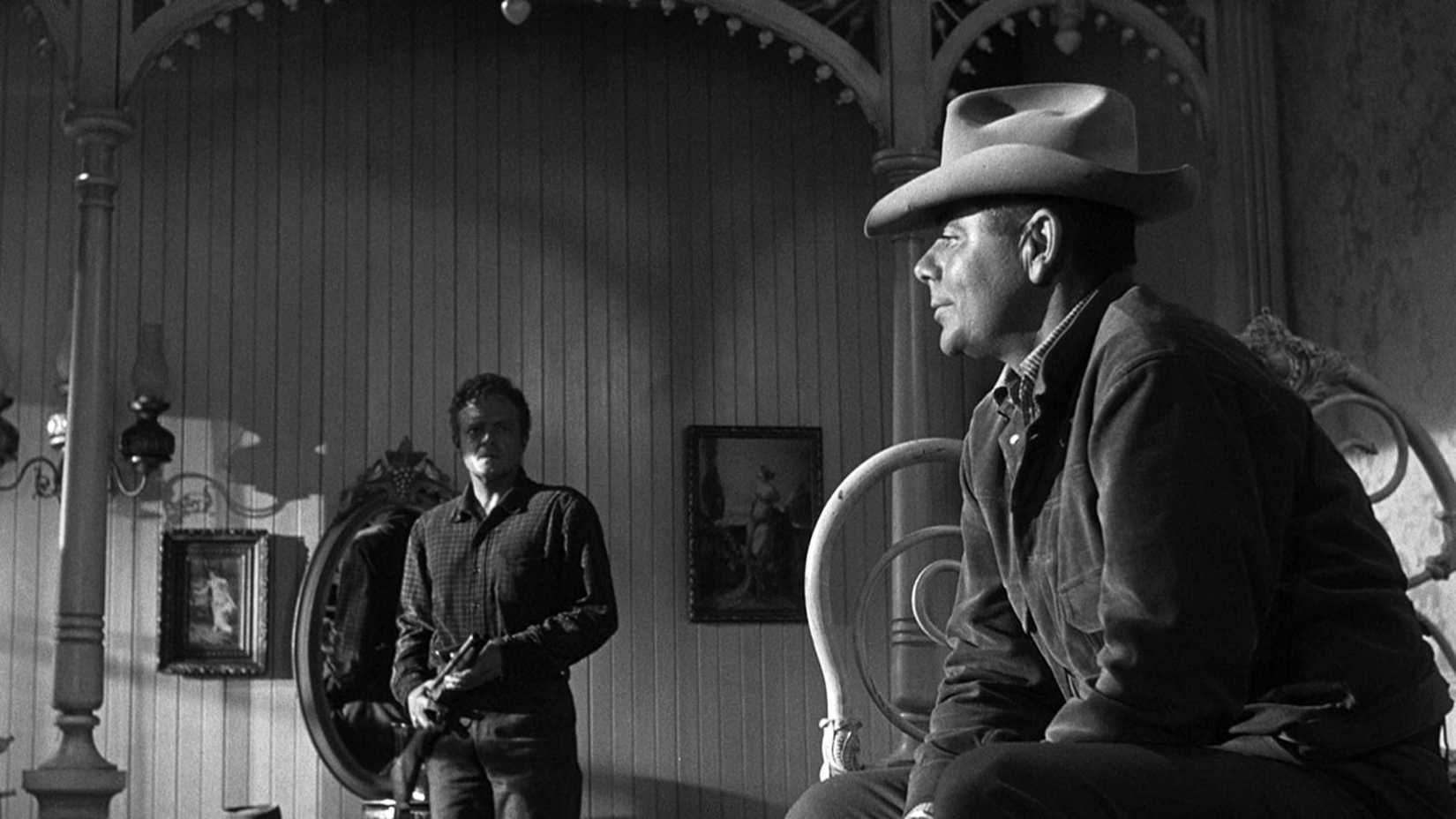
A year after The Searchers, another classic western took a different approach to the genre's themes. 3:10 to Yuma is the story of a rancher who agrees to transport a prisoner to a train station. Along the way, he battles a violent posse and his own temptations. Shot in glorious black and white, 3:10 to Yuma is a gritty psychological western.
Typically, 1950s westerns are quite certain in their simplistic morality, but Delmer Dave's understated flick is anything but concrete with its philosophy. It asks tough questions about the nature of justice in an unjust world, and is a tense drama from start to finish. The film was good enough to earn a remake in 2007, which was excellent in its own right.
1958 - The Big Country

With the decade rapidly drawing to a close, The Big Country illustrated just how far the western had come in a few short years. A peaceful man moves out West to live on his fiancée's family ranch, but is drawn into a fierce feud with a nearby outlaw family. Gregory Peck stars as James McKay, who prefers compromise to violence.
At nearly three hours in length, The Big Country is easily classified as an epic. The length allows the character drama to be fully explored, and the final scene feels earned after so much build up. Many movies explore the taming of the West, but The Big Country draws a parallel between history and contemporary issues like the Cold War. In that way, it is a quintessential piece of '50s popular culture.
1959 - Rio Bravo

Rio Bravo spells the beginning of the end for the Golden Age of westerns, and it's one heck of a swan song. A sheriff enlists the help of a few locals to take on a criminal band that's coming to spring one of their own from jail. Though it came a few years later, Rio Bravo is an obvious response to High Noon.
John Wayne plays his usual swaggering hero and the movie has a simple message about bravery and honor in the face of impossible odds. The Wayne and Howard Hawks production is a stellar example of Old Hollywood westerns, even if it isn't as rich as some of its contemporaries. It's the best of 1959, and one of the quintessential examples of the tropes of its genre.






 English (US) ·