
Even thirty years into its existence, Pokémon is showing no signs of fatigue. The recent announcement of the Generation X games, Pokémon Winds and Waves, proves the franchise is still at an all-time high, a global phenomenon with multiple verticals, including anime, several manga series, and a trading card game. Now, Pokémon stands as the highest-grossing media franchise in the world.
The word generation is used to describe different eras of the franchise, and is based on the next mainline games to be released. As of 2026, there are ten generations, each of which contains unique and important details that help set them apart and improve the franchise as a whole.
Gen I: The foundation
 Image via Toho
Generation I is by far the most iconic, mainly because it's the one that started it all. The Kanto region, while simplistic by today's standards, is a fun enough landscape to traverse and explore, with plenty of hidden secrets to uncover and rare Pokémon to track down. The story is incredibly bare bones compared to the games that followed, but there is a beauty to it. It's a framing device for you to go on this journey, and the evil team is criminals who seek to exploit Pokémon.
The anime during this time was a wild ride, constantly doing its own thing and disregarding game mechanics, leading to instances like Electric-type attacks hurting Ground-type Pokémon. However, it also presented some good storylines and characters, and introduced the world to the beloved Team Rocket trio of Jessie, James, and Meowth. Yes, Gen I is a roller coaster when it comes to quality and consistency, but one look at it just screams Pokémon. With its iconic designs, memorable characters, and ingenious concepts, Gen I built a solid foundation that all subsequent generations could expand on.
Gen II: The Post-game
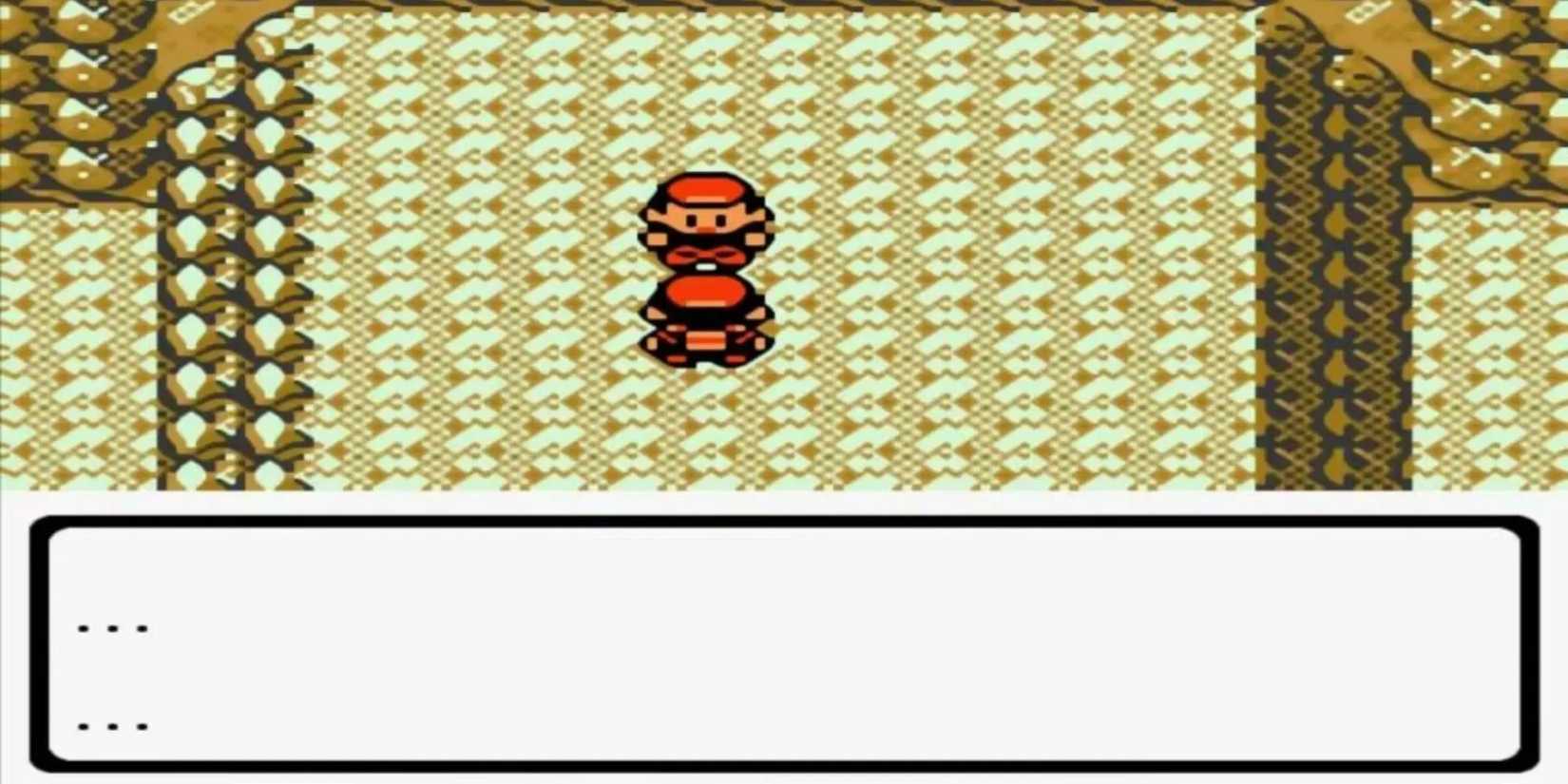 Image via The Pokémon Company
Generation II had a lot to live up to, and boy, did it deliver. 100 new Pokémon were added to the roster, many of whom were revealed early in magazines, anime specials, and the film Pokémon: The First Movie. Upon release, the games further impressed by adding several new mechanics, such as breeding, friendship evolutions, the day/night cycle, and held items, resulting in a plethora of new battle strategies and Pokémon that will only show up on specific days and times. You even have the option to play as a female character. However, as cool as all of these additions are, the thing that impresses people the most about the Johto games is that, after beating Lance, you get to explore all of Kanto again.
Not only do you get to fight eight more gym leaders, but you get to explore Kanto again and see how it's changed since the original games. Some of the most notable changes include new gym leaders, including the former rival, Blue, the destruction of Cynabar Island due to a volcanic eruption, and the closing of Kanto's Safari Zone. Then, once you're done, you get to have the ultimate showdown with Red—the original player character—and his team made up of some of Kanto's best Pokémon. Not all parts of Johto hold up, such as how uneven wild Pokémon levels are, but the fact that the games included two regions is an impressive feat, and gives Johto a very strong identity.
Gen III: Natures and Abilities
 Image via The Pokémon Company
Generation III saw the leap from the Game Boy to the Game Boy Advanced, and with it came a heap of new changes. Pokémon branched out with spinoff games, such as the Mystery Dungeon and Pokémon Rangers series, and Pokémon Colosseum and Pokémon XD: Gale of Darkness for the GameCube. The anime also saw Ash establish a new tradition of training new teams and meeting new traveling companions, though Brock stuck around. Within the games themselves, Gen III brought Pokémon Contests as a fun minigame based on beauty over battle, and shook up competitive battling with the introduction of natures and abilities.
Natures are randomly determined for every Pokémon and grant them an increase to one stat with a decrease to another, or no change at all. Trainers have something new to think about when raising their team, as the right nature can ensure their Pokémon perform better at their role or allow for unique strategies. Meanwhile, each Pokémon got one or two abilities that further defined their roles in a team. Some abilities are more for single playthroughs, such as Run Away, which allows you to escape battle, or Illuminate, which makes it easier to find wild Pokémon. Others, such as the attack-reducing Intimidate, or Levitate, which grants immunity to Ground-type attacks, can make a Pokémon indispensable.
Gen IV: The Physical/Special split
Generation IV is one of the most beloved eras of the franchise. It was the first generation on the DS and saw the release of many games, including Pokémon Platinum and Pokémon Mystery Dungeon: Explorers of Sky. The anime had also shifted from 4Kids to the Pokémon Company, resulting in new voice actors that, in time, quickly grew into their roles, while the anime's writing saw a notable increase. However, the biggest shakeup Gen IV brought was the Physical/Special split.
From Generations I to III, whether a move used a Pokémon's attack or special attack stats was determined by the type. Water, Electric, Fire, Dark, Psychic, Grass, Ice, and Dragon were all special attacks, while Rock, Ground, Steel, Normal, Ghost, Flying, Bug, Fighting, and Poison were physical, regardless of whether the attack was a punch or a beam. Gen IV changed it to match the move's description: Fire Punch was now a physical move, while Shadow Ball was a special one. It was a huge change, as Pokémon gained or lost essential moves, and team building was completely restructured.
Gen V: The story
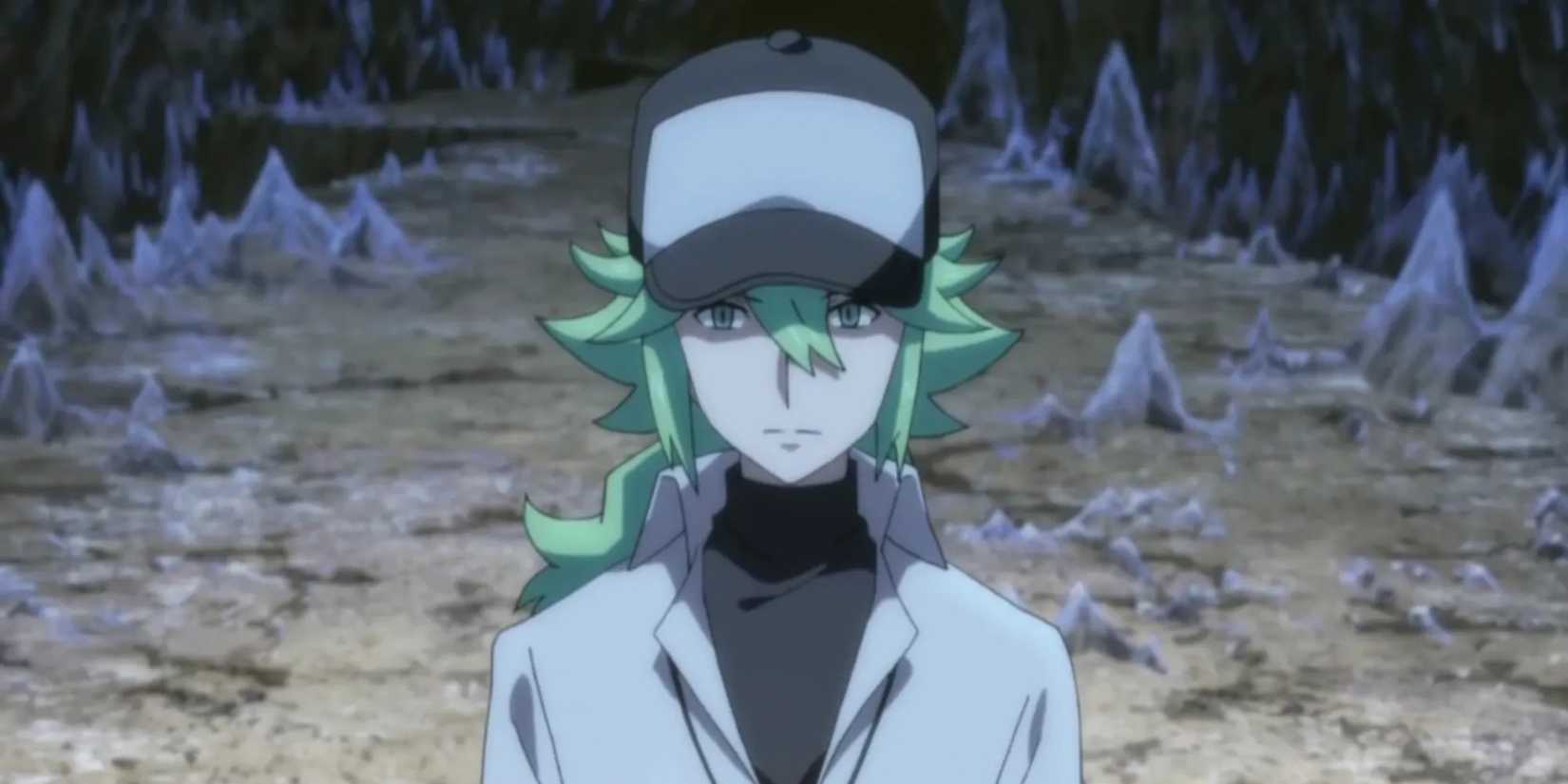 Image via the Pokémon Company
Generation V is by far the most ambitious. It branded itself as a soft reboot for the franchise, introducing the most Pokémon since the original 151, and making the bold choice to limit returning Pokémon species until the post-game of Pokémon Black and White, so you had to play with the new ones. The generation also pushed the DS to its limit, resulting in dynamic camera angles, moving sprites, and a diverse and rich musical score. Gen V is also well known for the various post-game material, such as the Pokémon World Tournament, where you could face off against characters from previous games. However, the thing that stands out the most to fans is its story.
The writing for Gen V was a massive step up from previous games. While still not on the same level as other Nintendo franchises, it featured a more complicated plot based around the idea of Pokémon liberation and the pursuit of truths and ideals. The story also featured plenty of opportunities for the gym leaders to play a more active role in helping the players stop the machinations of Team Plasma. Then there is N, who remains a fan favorite character thanks to his fleshed-out personality and fascinating status as an antihero trying to do what he believes is right by Pokémon. The story even got continued in the franchise's first sequel games, Pokémon Black2 and White2, and while they weren't quite as good as the originals, it was great to see Unova grow and change.
Gen VI: Mega Evolution
 Image via the Pokémon Company
Generation VI brought the franchise onto the 3DS and introduced the Fairy-type, resulting in the first type additions since Dark and Steel were added back in Johto. The anime also saw some of its strongest writing, with many considering it to have some of the best action sequences and development for Ash and his friends. Its online features were also praised, making it easier than ever to connect to players for trading and battles. But by far its biggest contribution to the franchise was Mega Evolution.
This unique transformation is unlocked when Pokémon and trainer form a powerful bond, and both are holding a keystone and the appropriate mega stone for the species. The resulting transformation sees the Pokémon grow in power and sometimes change types and gain new abilities. It opened up many new strategies and turned previously unusable Pokémon, like Mawile and Lopunny, into meta-defining powerhouses. The gimmick proved to be so popular that it showed up in Generation VII games, then made a welcome comeback in Pokémon Legends: ZA, which brought a slew of new, powerful Megas to the franchise.
Gen VII: The Alola Region
 Image via the Pokémon Company
Generation VII was released to coincide with Pokémon's 20th anniversary, and while it came at the expense of cutting Gen VI short, it also meant that Game Freak put their all into making these games stand out. The results were a bit more mixed: the graphics were a major improvement from the previous games, regional variants were added to give a new twist on old Pokémon, and the story featured some strong characterwork, especially for Lilly, who feels like the real protagonist of the games. However, the games were also plagued with long, unskippable cutscenes that hampered replayability, and the anime proved divisive among fans, since it was more lighthearted and episodic in tone compared to the previous seasons. Yet, one place where fans can agree is that Alola itself is one of the best regions in the Pokémon world.
Game Freak went all out when it came to fleshing out the Alola region. Rather than one central landmass, Alola is made up of four distinct islands, each with its unique culture alongside a shared one. This approach adds an extra level of exploration to the games, as the player learns all the little details and intricacies that make the islands stand out. Alolan culture also makes itself known through game mechanics: Pokémon can call for help in battle due to their more friendly natures, and instead of gyms, trainers go on Island Challenges where they must face giant Totem Pokémon to claim Z-crystals, which allow their Pokémon to use powerful super moves. Beyond the culture, Alola is a gorgeous region to explore, with a wide variety of biomes that come alive in different ways depending on whether it's day or night. And we're not even getting into the multiverse that can be explored through Ultra Wormholes.
 Image via the Pokémon Company
Generation VIII saw the release of Pokémon Sword and Shield, the first mainline games to release on a home console. The results were probably the most divisive of all generations. On the one hand, the games saw many quality of life improvements that made collecting battle items, evolutionary stones, and exp candies easy, and it introduced DLCs to the franchise, which replaced having to buy the third-version/sequel games that were released after the main ones. However, the story and characters were pretty weak, the graphics left a bit to be desired, and Pokémon were intentionally left out of Sword and Shield, leading to an event known as Dexit among fans. It also didn't help that Pokémon GO was beginning to see more integration with the main series games, and the anime saw Ash traveling the world rather than spending much time in the new Galar region. However, the generation ended on a high note with Pokémon Legends: Arceus.
This game was Pokémon's first true step into open-world gaming, and while not perfect, it was a massive step in the right direction. The game captured the immersive feeling of going out into the wilds of the Sinnoh region to study Pokémon in their natural habitats, especially since each species acts in accordance with its Pokédex entry. Some will attack the player on sight, others will run away, and others can only be found in specific locations, to name a few of the differences between species. Legends: Arceus also introduced a bunch of new things to the franchise, such as new Hisuian forms and evolutions, gigantic Alpha Pokémon, and a new battle system. Finally, the story is great: it provides more backstory for the plot of the Gen IV Sinnoh games, has plenty of interesting twists and turns, and features a diverse range of characters sure to leave some kind of impression.
Gen IX: The characters
 Image via the Pokémon Company
We now come to the most recent generation as of 2026. Generation IX kept the momentum of VIII going through Pokémon Scarlet and Violet, which attempted to present an open region where players can tackle gyms in any order. This approach didn't work as intended, since the gyms all still had set levels rather than levels that adjusted with the number of badges a player had, but the open world offered a lot of other benefits. Pokémon could no longer be found in tall grass, but instead wandered around like in Legends: Arceus, making it feel like you're actually traveling through a living, breathing world. Terastallization also proved to be an interesting gimmick, as the ability to change a Pokémon's type opened up new strategies for fan favorites. The new anime, Pokémon Horizons: The Series, also tried new things by offering a more serialized adventure compared to Ash's episodic journeys. And between the games and the anime, a plethora of strong characters made an impact on the fans.
Beginning with the games, the three main rivals of Scarlet and Violet, Nemona, Arven, and Penny, are all written with solid personalities that get better the more you interact with them. Nemona might be the best version of the friendly rival who picks the starter weak to yours, thanks to her competitive spirit. Penny is revealed to have a very big and courageous heart behind her introverted personality, and Arven is a great mixture of complex emotional growth, vulnerability, and relatability, especially when you learn more about his relationship with his parents. Even the legendaries, Koraidon and Miraidon, have more personality than previous legendaries. In the anime, pretty much every member of the Brave Olivine is well fleshed out, resulting in a stellar dynamic between the main characters and their Pokémon partners, though special mention should go to Professor Friede. He offers a charismatic, adventurous alternative to Pokémon Professors and proves to be invaluable both in battle and as a role model for the younger characters.





 English (US) ·