The Best Movie Reboot Franchise Of The 2010s Started 15 Years Ago (& Its Future Is Confusing)
2 weeks ago
17
Published Aug 5, 2026, 5:00 PM EDT
Dalton is a freelance writer, novelist, and filmmaker from Orlando Florida. He currently lives in Charlotte, North Carolina, and pursues writing full-time. He is an avid reader, film buff, and amateur historian who also publishes novels on the side. Dalton graduated from the University of Central Florida with a BFA in Film and he often applies his industry-specific knowledge when writing about film and television. Along with his blog, Dalton's critical essays on film have been published in various places online.
15 years after its triumphant debut, the best reboot movie series of the 2010s has a confusing future. Reboots and remakes often get a bad name, but when they are done right, they can be masterpieces. This is often true in genre cinema, with many of the all-time greats receiving competent remakes and reboots that completely recontextualize the classic franchises.
The 2010s were awash in tons of cinematic redos, and not all of them were up to snuff. Most failed to live up to the quality of their originals, and offered an experience that was lackluster to say the least. This is especially true when modern movies don't understand the rich themes of the movies they are remaking, and turn out to be a hollow copy of what has come before.
One of the 2010s' best reboots not only did the original films justice, but launched its own series that is still going strong into the 2020s. It not only understood the foundations of what made the originals so popular, but actually built up ideas that were merely touched upon back in the day. It's one of the rare reboots that actually rivals its predecessor in terms of overall quality.
Sadly, this series doesn't have a very clear future. Though it seems like a storytelling slam dunk, the 15-year-old franchise is heading in a confusing new direction. It remains to be seen if that new direction will work out, but it has pretty big shoes to fill. Thankfully, this franchise has already successfully rebooted itself before and could easily do it again.
How Rise Of The Planet Of The Apes Brought The Classic Franchise Back To Life
MovieStillsDB
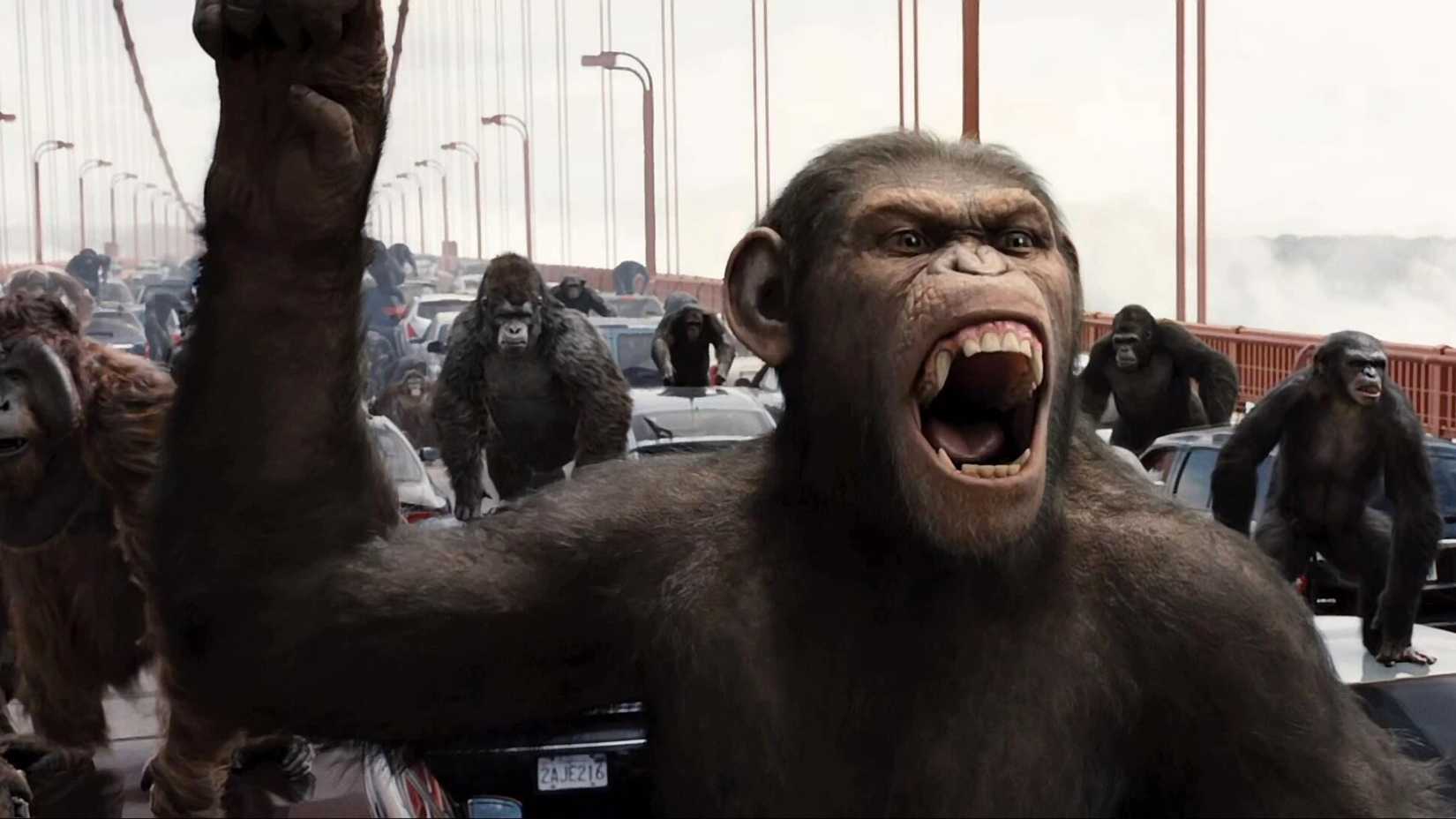
After Tim Burton's abysmal remake of Planet of the Apes in 2001, the beloved franchise was put on ice for a decade. When 2011's Rise of the Planet of the Apes hit theaters, it looked nothing like previous installments in the series. Surprisingly, the fresh take on the franchise worked and became one of the year's biggest hits. Set long before the events of the original movies, Rise had a new sandbox of ideas to explore.
The film is a touching character drama about the shortcomings of medical science and the innate connection between humans and animals. Andy Serkis' towering performance as the chimpanzee, Caesar, completely stole the show, and the effects were achieved with CGI instead of actors in ape costumes like before. The restrained storytelling paid off with an exciting and cathartic climax. The film also put the franchise's major inciting incidents in motion with a few tweaks to the timeline as well.
This tonal shift completely revitalized the Planet of the Apes franchise, and pointed the way for the future. Instead of copying the tone of the older films, Rise emphasized the tension between man and nature. It works well as a standalone prequel to the original series, but also set the stage for a duo of sequels that fleshed out the story threads over a number of years. Unlike so many other franchises from the time period, the new Planet of the Apes movies showed amazing patience.
Planet Of The Apes Shows How Reboots Should Be Done
Perhaps the biggest hurdle that all reboots and remakes must clear is justifying their own existence. So many remakes exist solely to cash in on the success of a franchise, and offer nothing of substance. The Planet of the Apes reboot series clears that hurdle easily by telling stories that are compelling and rich in complex themes. The basic concept of the franchise is so interesting that the classic movies barely scratched the surface. This gave the reboots somewhere to go.
And go they did, with Dawn of the Planet of the Apes managing to surpass the 2011 release. Amazingly, War for the Planet of the Apes was even better, and paid off years of story beats that had been built across the trilogy. Besides simply being exciting sci-fi action flicks, the reboot trilogy set off on its own path. Untethered from the older series, the reboots experimented with new ideas and an overarching three-act narrative.
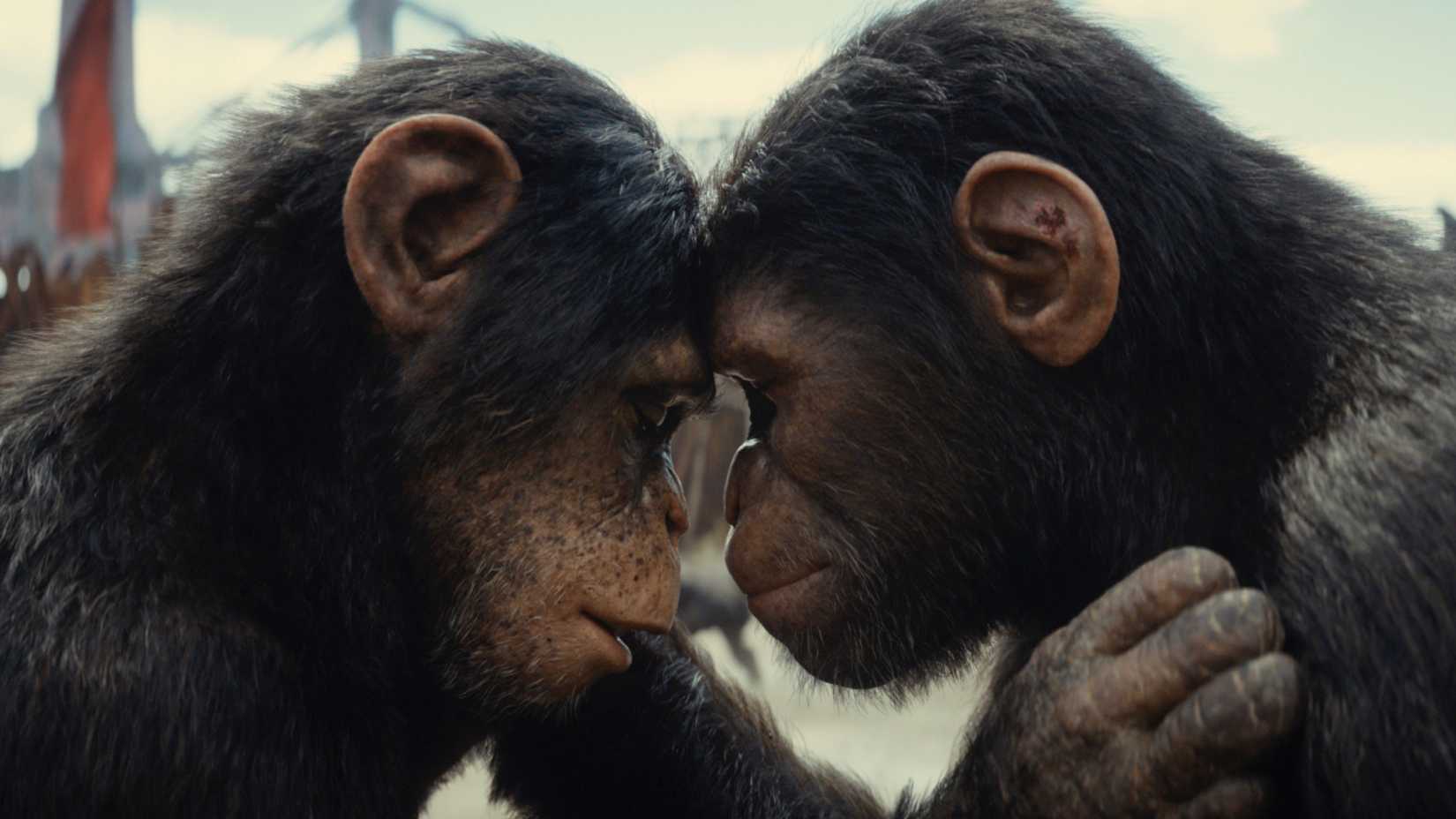
Even though War closed things out nicely, there was no reason to stop the series. In 2024, Kingdom of the Planet of the Apes arrived, and it captured a lot of the same magic as the first three reboots. It jumped ahead in the timeline and set the stage for yet another phase in the massive sci-fi timeline. While it wasn't as good as its predecessors, it still justified its own existence with a new story and ambitious ideas.
Ambition is the key factor with the reboots, and it's something that most remakes lack. The newer Planet of the Apes series isn't just good because it hearkens back to a classic piece of sci-fi nostalgia, it stands on its own two feet. Every remake and reboot should aspire to the same level of quality, but Hollywood rarely puts in such Herculean effort.
What Planet Of The Apes' Future Looks Like
The good news is that another Planet of the Apes movie is in development. The bad news is that it likely isn't going to be a direct sequel to Kingdom of the Planet of the Apes. Few details are currently known about the project, but a shift in the creative personnel has led to a shift in ideas as well. Time will tell how things turn out, but the change is a bit concerning.
The reboot series has used time jumps to advance the story, but there has been a consistent and linear quality to the storytelling since 2011. If the next movie abandons newcomers like Mae and Noa, it risks losing the necessary quality of the earlier sequels. If the audience isn't following up on the events of Kingdom, why are they watching the film?
Kingdom Of The Planet Of The Apes Deserves A True Sequel
Despite the film's lackluster box office performance, Kingdom of the Planet of the Apes deserves a true sequel. So much work went into crafting the beginning of the next phase of the timeline that it feels like such a waste to simply throw it all away. Instead of trying to figure out why the latest film got such a mediocre reception, executives are content with abandoning the film for a fresh start somewhere else in the timeline.
This will not only put the final nail in the coffin for Kingdom, but will more than likely alienate the fans who actually liked the movie and wanted to see what happened next. At the end of the day, money is the name of the game in Hollywood, but the Planet of the Apes reboot franchise is a special case. It's a perfect example of how remakes and reboots can succeed without cynicism. The franchise's current trajectory threatens to destroy that goodwill.
Video Game(s)
Planet of the Apes, Revenge of the Apes, Planet of the Apes: Last Frontier, Crisis on the Planet of the Apes
Cast
Charlton Heston, Roddy McDowall, Kim Hunter, Maurice Evans, James Whitmore, Linda Harrison, Mark Wahlberg, Helena Bonham Carter, Tim Roth, Michael Clarke Duncan, Paul Giamatti, James Franco, Andy Serkis, John Lithgow, Freida Pinto, Gary Oldman, Keri Russell, Kodi Smit-McPhee, Jason Clarke, Toby Kebbell, Judy Greer, Woody Harrelson, Amiah Miller, Kevin Durand, Dichen Lachman, William H. Macy, Owen Teague, Freya Allan



 MovieStillsDB





 English (US) ·