

Published Mar 16, 2026, 4:57 PM EDT
Senior Music Editor at Screen Rant, Sarah's love of sound and story drive the beat. A globetrotting brand whisperer and award-winning journalist, she’s built cross-cultural narratives around the world—but music has always been her true north. She launched DJ Mag North America, successfully introducing the iconic UK brand to the U.S. market. Previously, she carved a space for EDM inside the pages of VIBE, blending electronic and hip-hop culture long before it was trendy.
On March 16, 1964, the screaming was so loud it was actually terrifying.
The Beatles released a song as if unleashing a fever that the world had no immunity against. Exactly 60 years ago today, "Can't Buy Me Love" hit the world like a tidal wave, moving 2.1 million copies before a single needle even touched the wax. It was the absolute, deafening peak of Beatlemania—a moment where four kids from Liverpool were essentially the masters of the universe.
But if you look closely at the calendar, March 16 is less of a sonic triumph and more of a haunting. Because exactly seven years to the day after they conquered the world, the screaming stopped. And in its place was a silence that still echoes through rock history.
The infection of the song was so permanent that 23 years later, it defined a different generation's desperation. The 1987 film Can’t Buy Me Love starring Patrick Dempseywas originally titled 'Boy Rents Girl,' but the producers knew they needed the Beatles’ DNA to make the story of buying coolness stick. They paid nearly $600,000 just for the rights to the song—a staggering amount for a teen rom-com—proving that even in the '80s, The Beatles were still the ultimate currency.
In 1964, the stats were clinical and cold: The Beatles held all top five slots on the Billboard Hot 100. It was a hostile takeover of the human eardrum. But as we’ve seen with the harsh truths behind bands like Pink Floyd, that level of fame doesn't just bring money—it brings a slow, suffocating isolation. By the time the ink was dry on those March 16 records, the "band" was already starting to dissolve. What was once four friends living a dream had morphed into four prisoners inside a moving car, surrounded by a mob they could no longer hear.
1971: The Award For A Ghost Band
Fast-forward to March 16, 1971. The contrast is enough to give you chills. The Beatles won a Grammy for Let It Be. In 1964, a win like that would have triggered a global riot. In 1971? It was a non-event. The band was dead. They were legally suing each other. They were effectively strangers.
When the award was announced, the podium remained empty. There were no four-headed monsters to crack jokes or bow. Instead, Paul McCartney—the man who had already filed the paperwork to kill the dream—eventually had to accept a trophy for a group that had ceased to exist months prior. There's no denying The Beatles were one of the greatest bands in history. They should have gone out with a bang. However, on the same day they once "broke" the world, they simply didn't show up.
March 16 is the "Mirror Day" of rock—the date that reflects their loudest shout and their most hollow victory.
Fast-forward again to today, 2026, we still rank the greatest classic rock albums of the '70s, but we often forget the cost of the '60s. March 16 is the "Mirror Day" of rock—the date that reflects their loudest shout and their most hollow victory. "Can't Buy Me Love" is a masterpiece of energy, but it was also the beginning of the end. It was the moment the music became so big that the humans behind it vanished.
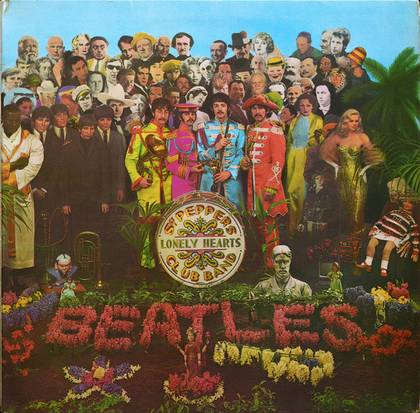
Date of Birth 1960
Active No
Number of Albums 13
FAQ
Q: Is the 1987 movie 'Can't Buy Me Love' based on a true story?
No, but its title and central theme were entirely inspired by the Beatles' 1964 hit. The film's producers paid a record-breaking $600,000 for the song rights to anchor the movie's message about the "cost" of popularity.
Q: Did the Beatles actually win a Grammy on the day they broke up?
Nearly. On March 16, 1971—exactly seven years after their record-breaking 1964 milestone—the band won a Grammy for Let It Be. However, the group had already effectively dissolved, leaving Paul McCartney to accept the award for a band that essentially no longer existed.




 English (US) ·