
 Image via MovieStillsDB
Published Aug 23, 2026, 8:50 AM EDT
Dani Kessel Odom (they/them) is an autistic lead writer and TV critic who covers sci-fi shows like Doctor Who and Pluribus, fantasy shows like The Magicians and Percy Jackson, and horror of all kinds. They also cover Marvel and DC TV shows and movies, with a robust knowledge of comic books. Their TV reviews can be found on Rotten Tomatoes.
Dani is also part of ScreenRant's books team, using their fiction writing and literature studies as the backbone for their book analyses.
They have covered events, such as the Denver Fan Expo. Professionals in the field, such as Damien Leone and Lucy Hale, have shared their articles. Their review of Ponies was quoted in the show's TV trailer.
In university, they majored in English Writing with a minor in psychology. They have always had a passion for analyzing TV and movies, even taking filmography and scriptwriting classes in university. They also studied and participated in onstage and onscreen acting extensively from the ages of 7 to 18.
Aside from working at Screen Rant, Dani has worked as a freelance editor and writer over the past decade, often in a ghostwriting capacity.
Sign in to your ScreenRant account
The Arrowverse presented very different versions of the beloved superheroes from DC Comics, but the real Barry Allen was hiding all along in The Flash’s secret timeline. The Flash has gone through many iterations since the hero debuted as Jay Garrick in Flash Comics #1, which was cover-dated January 1940. Many individuals have worn the mask over the past eight decades. The most popular choice, by far, is Barry Allen. Hollywood keeps bringing the character to life, and the Arrowverse’s Grant Gustin was such perfect casting for the CW show that he has become virtually synonymous with the Flash.
There’s no doubt that Grant Gustin has been the best Flash so far. That being said, his version of Barry Allen is much younger and less mature than the Barry from the older comics. He’s closer to the modern DC era version, exuding warmth and awkwardness. Still, his quippiness and reliance on a team feel more like Wally West from the comics. He occasionally shows flashes of Bronze Age Barry, even if it isn’t sustained. That being said, Grant Gustin never fits the role of the original Silver Age Barry Allen.
Despite this, The Flash does actually secretly include a version of Barry Allen that matches the Silver Age character. However, he is trapped in the secretive timeline that existed before The Flash TV show started.
Eobard Thawne’s Original Flash Is The Most Similar To Silver Age Barry Allen

When The Flash starts, a version of Barry Allen runs back in time to save a young version of himself from Eobard Thawne. Out of anger, Thawne murders Barry’s mom, Nora, erasing that OG Barry Allen and creating the version of Barry that we follow throughout the Arrowverse. Despite only seeing him the night of Nora Allen’s death, the show reveals quite a bit of information about the character through exposition, and the Barry from the old timeline is the closest thing we ever get to the Silver Age comic book version of Barry Allen.
OG Barry Allen had two living parents and grew up best friends with Iris West. The timeline of their relationship is a little murky, but the two eventually marry and have a daughter named Dawn Allen. It’s unknown whether she has a twin named Don like in the Silver Age comics. Barry becomes Director of the CSI Division of the Central City Police Department. In 2020, Harrison Wells and Tess Morgan activate the particle accelerator, which turns Barry Allen into the Flash. In 2024, he disappears in Crisis on Infinite Earths, similar to how his Silver Age counterpart died.
Barry Allen debuted in the October 1956 comic book Showcase #4, written by Robert Kanigher and drawn by Carmine Infantino. This is considered the start of the Silver Age.
Everything between 2020 and 2024 happens in an unknown order, but these are the cliffnotes. Barry doesn’t have a Team Flash. Much like in the comics, he mostly works on his own, occasionally teaming up with others. Cicada, The Thinker, and Savitar exist in the original timeline. It’s extremely unclear how Savitar exists in that world without Arrowverse Barry’s Flashpoint. In the comics, the Silver Age version of the character only faces The Thinker, and the other two villains face post-Crisis versions of Barry.
He helps found a team of superheroes, presumably the Justice League like the Silver Age character. He creates the AI Gideon, a character created specifically for The Flash TV show. Somewhere along the line, Reverse Flash comes into play, and they start fighting across the timeline. Of course, Reverse Flash is the nemesis of all comic book iterations of Barry Allen.
Eobard Thawne’s Onscreen Origin Story Draws From Modern Comics
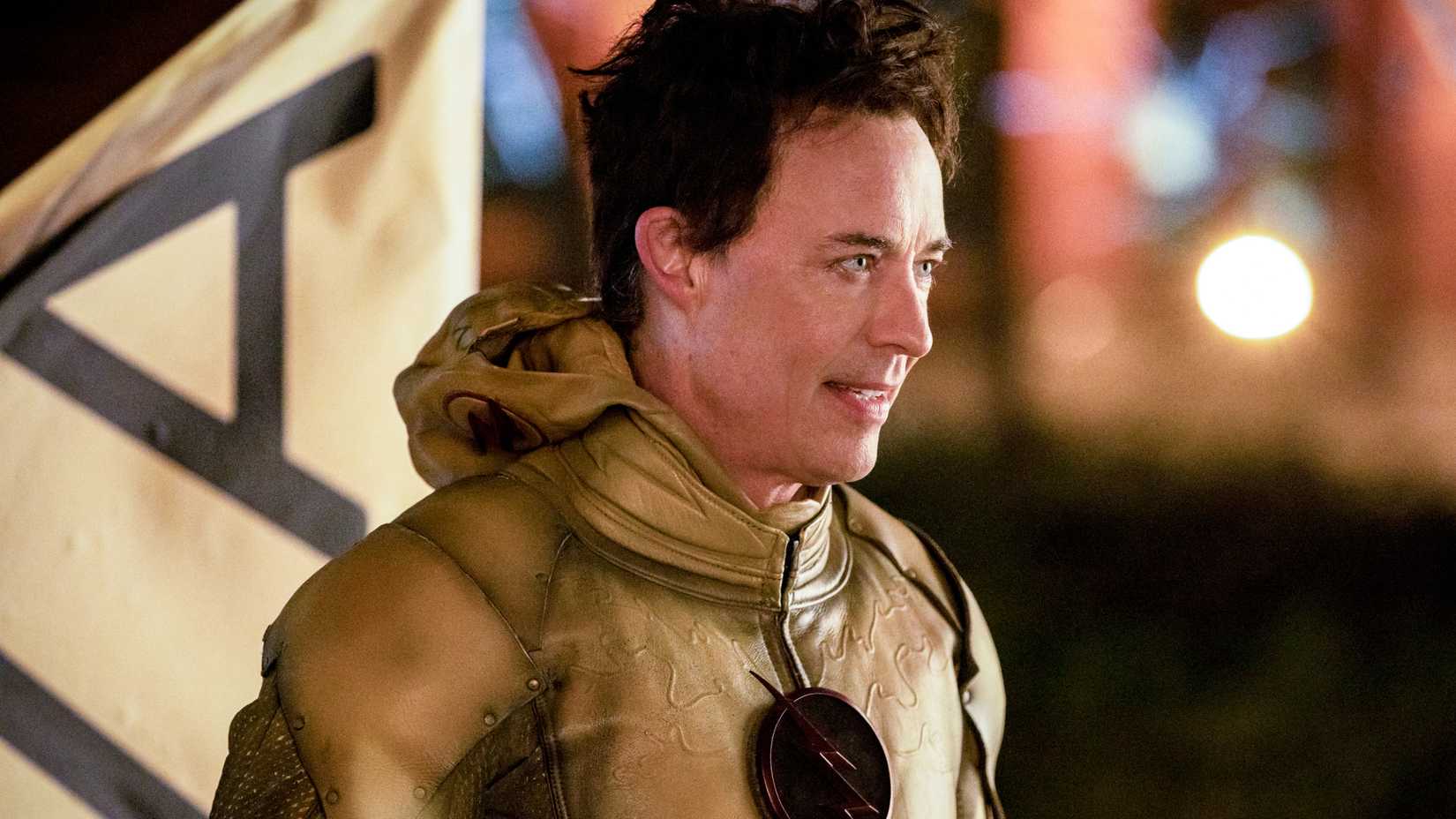
In The Reverse Flash’s Silver Age origin story, Thawne is a criminal who finds a Flash suit in a time capsule. He charges up the energy to become a speedster and travels back in time as a supercriminal, determined to replace the Flash. However, The Flash TV show draws inspiration from two modern origin stories. Eobard Thawne is a super fan of the OG Flash who replicates the accident that caused Barry’s speed. Then, he travels back in time and learns that he’s destined to be the Flash’s greatest enemy, like the 1992 storyline “The Return of Barry Allen.”
If the Reverse Flash is to be believed in The Flash season 1, they fight for decades throughout the timeline. There’s always a small bit of skepticism when it comes to believing Eobard Thawne, though. Neither of them can beat the other. Shortly before Crisis, he discovers Barry Allen’s identity. He and OG Barry have an epic battle, opening a portal to the year 2000, bringing us full circle to the night of Nora Allen’s death. When Thawne kills Nora Allen, the writers draw from the character’s The Flash: Rebirth origin.
The Secret Timeline Disappeared At the End Of The Flash Season 1
 Image via MovieStillsDB
At first glance, it seems like the secret timeline ceases to exist in the pilot episode, when Eobard Thawne kills Nora Allen. Yet Eobard Thawne’s entire motivation for creating the Flash in 2016 is to return to his timeline faster. The question comes up: What future is returning to if OG Flash disappeared the night of Nora Allen’s death? We can piece the answer together based on Barry’s experiences with Flashpoint.
The imprisoned version of Thawne explained to our Barry Allen that the timeline doesn’t cement immediately. Barry goes back in time and stops the precipitating event, so his world mostly returns to the way it was, though with differences. Thawne, disguised as Harrison Wells, is a master manipulator who creates all the circumstances necessary for Barry to go back in time and save his mother.
|
Season |
Episode |
Title |
|
1 |
1 |
"Pilot" |
|
1 |
23 |
"Fast Enough" |
|
2 |
1 |
"The Man Who Saved Central City" |
|
3 |
1 |
"Flashpoint" |
|
5 |
8 |
"What's Past Is Prologue" |
|
9 |
10 |
"A New World, Part One" |
If Barry saves his mom, a new timeline isn’t created. OG Flash never disappears. Arrowverse Barry doesn’t have enough time to save his mom and stop Thawne, so the villain can escape back to the future. Although Eobard Thawne thinks he can recreate his timeline, there’s a good chance it would have had major differences, like the post-Flashpoint. When Barry chooses not to save his mom, the original timeline theoretically ceases to exist. They continue to get further and further away from the original timeline with every timeline Barry creates.
Then, the 2019 Crisis on Infinite Earths completely erases the OG version of the Flash, who died in the 2024 Crisis. Because OG Barry Allen no longer exists, the universe finds a way to correct the post-Crisis issue in The Flash season 9. The night of Nora Allen’s death becomes a closed loop. Arrowverse Barry goes back in time to save his younger self, taking the place of Thawne’s original nemesis.
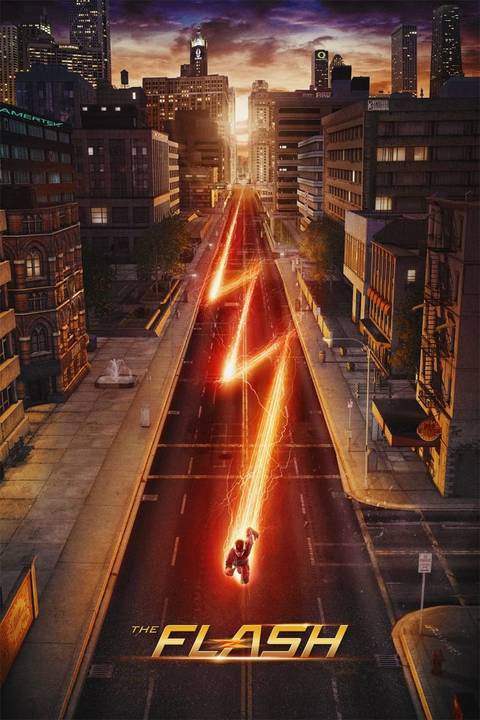
Release Date 2014 - 2023-00-00
Showrunner Eric Wallace
Writers Lauren Certo, Judalina Neira, Kelly Wheeler, Alison Schapker, Zack Stentz, Joe Peracchio, Julian Meiojas, Lilah Vandenburgh, Keto Shimizu, Gabe Snyder, Mike Alber, Gabrielle Stanton, Jaime Paglia, Carina Adly MacKenzie, Emily Silver, Bryan Q. Miller, Ray Utarnachitt



 English (US) ·