
 Image via HBO
Published Aug 27, 2026, 11:55 PM EDT
Sign in to your Collider account
Television changed when writers stopped treating an episode as the finish line. Characters could now make one terrible decision in season one and still be paying for it years later. Jobs, marriages, addictions, institutions, and private lies had room to accumulate history. The medium became less about what happened this week and more about what a person slowly became. Not to mention the stories just ended up becoming so much more dense and character arcs became complex.
That shift produced shows with wildly different rhythms, yet the very best share one quality. They make time feel productive. Ten hours deepen a relationship. Forty episodes alter how we understand a character. A final season can make an early conversation suddenly look different. These six used long-form storytelling with almost ruthless precision.
6 'The Leftovers' (2014–2017)
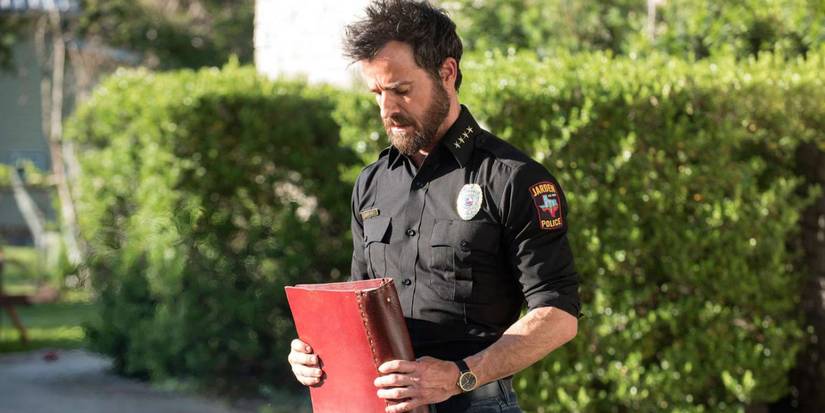 Image via HBO
The Leftovers begins three years after two percent of the world’s population disappears without explanation. The event, known as the Sudden Departure, leaves families shattered and whole communities desperate to invent meaning around something that may never provide any. Kevin Garvey (Justin Theroux) tries to hold together his life in Mapleton while his wife Laurie Garvey (Amy Brenneman) has joined the Guilty Remnant, his children are drifting, and his own grip on reality feels increasingly unreliable. Nora Durst (Carrie Coon) carries an even crueler burden after losing her husband and both children in the same instant.
The series becomes extraordinary once it stops behaving like a mystery that owes the audience an answer. Grief, faith, coincidence, madness, and love all compete to explain experiences that may resist explanation entirely. Nora’s anger can be funny one moment and devastating the next, while Kevin keeps crossing lines between psychological breakdown and something harder to dismiss. The move to Jarden in season two expands the world without abandoning the emotional damage already built. The Leftovers asks for patience early, then rewards it with some of the most fearless and strangely tender television of its era.
5 'Succession' (2018–2023)
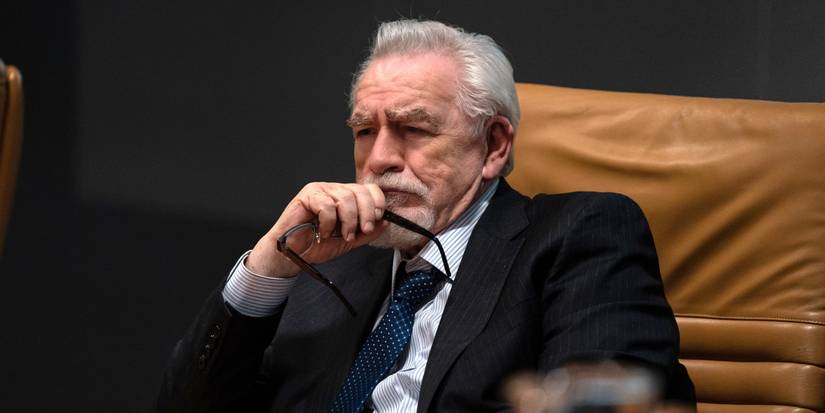 Image via HBO
Succession turns the future of a global billion-dollars media empire into a family argument that never really stopped after childhood. Logan Roy (Brian Cox) controls Waystar Royco, while Kendall Roy (Jeremy Strong), Shiv Roy (Sarah Snook), Roman Roy (Kieran Culkin), and Connor Roy (Alan Ruck) orbit his power with different mixtures of ambition, fear, resentment, and need. Board votes, acquisitions, scandals, elections, and investor meetings matter, but almost every corporate crisis is also somebody trying to earn approval from a father who understands exactly how useful withheld affection can be.
That overlap between business and family gives the series its extraordinary tension. Kendall can prepare a takeover with lawyers and bankers, then lose his footing because one glance from Logan reactivates years of insecurity. Shiv believes she can remain emotionally independent until power becomes personal. Roman turns humiliation into humor before anyone else can use it against him. The language is vicious and often hilarious, but the jokes work because everybody is fighting for position even during supposedly private moments. Succession makes wealth look enormous and emotional freedom look almost impossible. Four seasons are enough to make every family dinner feel like a hostile negotiation. And never forget, you can’t break a Tomlette (Matthew Macfadyen) without breaking some Greggs (Nicholas Braun). You’re going to thank me once you finally understand this.
4 'Mad Men' (2007–2015)
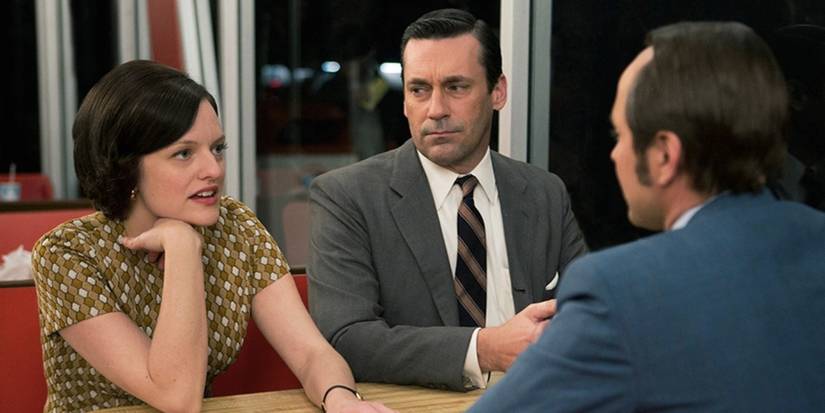 Image via AMC
This show moves patiently, but that patience lets entire lives change without announcing every change when it happens. Mad Men enters New York advertising at the beginning of the 1960s through Don Draper (Jon Hamm), a brilliant creative director whose professional confidence hides a life built on reinvention. Sterling Cooper (John Slattery) sells products by selling identities, and Don understands that process because he has done something similar to himself. Around him, Peggy Olson (Elisabeth Moss) begins carving out a career in a workplace designed to underestimate her, while Joan Holloway (Christina Hendricks), Roger Sterling (John Slattery), Pete Campbell (Vincent Kartheiser), and Betty Draper (January Jones) reveal different costs of living inside the era’s rules.
The advertising campaigns give the show structure, but the deeper pleasure comes from watching social change reach people unevenly. Gender expectations shift. Civil rights reshape the country. Divorce becomes more visible. Youth culture alters what companies want to sell and who gets listened to inside the room. Don can understand consumers brilliantly while remaining baffled by the people closest to him. Peggy’s growth is equally important because her ambition requires constant negotiation between talent and a system reluctant to reward it. It’s a very unique show.
3 'Better Call Saul' (2015–2022)
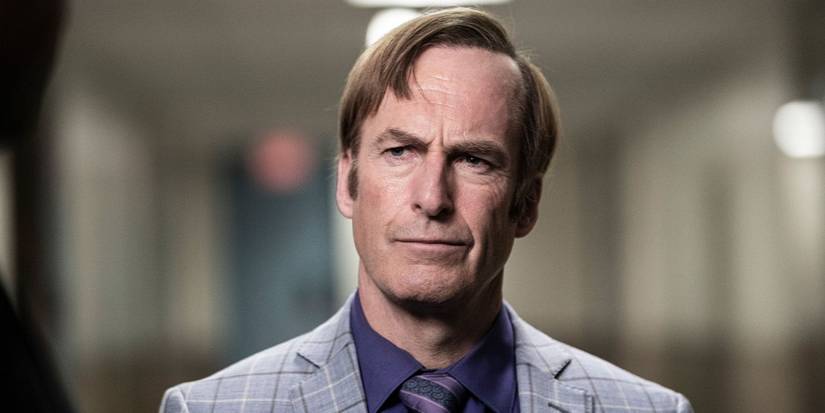 Image via AMC
Better Call Saul begins with Jimmy McGill (Bob Odenkirk) struggling to build a legitimate legal career while living in the shadow of his older brother Chuck McGill (Michael McKean). Jimmy is clever, persuasive, energetic, and dangerously good at finding the shortcut nobody else considered. His relationship with Kim Wexler (Rhea Seehorn) gives that ambition emotional depth because she understands both his talent and the damage that can follow when persuasion becomes manipulation. Running alongside that story is Mike Ehrmantraut (Jonathan Banks)’s gradual movement into the criminal world surrounding Gus Fring (Giancarlo Esposito) and the Salamanca family.
The series, which is a Breaking Bad spin-off, by the way, earns its greatness through accumulation. A forged document, a wounded ego, a small lie told for a supposedly understandable reason, and a prank that feels harmless can keep echoing until the consequences become enormous. Chuck’s conflict with Jimmy works because both brothers are partly right about the other, which makes every victory feel contaminated. Kim’s involvement becomes even more painful because she is never simply dragged along. She makes choices. The cartel storyline eventually closes in on the legal world with terrifying precision, but the show never forgets that its most important transformation happens through ordinary decisions repeated often enough to become identity. Better Call Saul turns patience into suspense.
Collider Exclusive · TV Medicine Quiz Which Fictional Hospital Would You Work Best In? The Pitt · ER · Grey's Anatomy · House · Scrubs
Five hospitals. Five completely different ways medicine goes sideways on television — brutal, chaotic, romantic, brilliant, and ridiculous. Only one of them is the ward your instincts were built for. Eight questions will figure out exactly where you belong.
🚨The Pitt
🏥ER
💉Grey's
🔬House
🩺Scrubs
FIND YOUR HOSPITAL →
01
A critical patient comes through the door. What's your first instinct? Medicine under pressure reveals who you actually are.
AStay completely present — block everything else out and work through it step by step, right now. BTriage fast and delegate — get the right people on the right problems immediately. CTrust my gut and move — I work best when I stop overthinking and just act. DAsk the question everyone else is ignoring — what's the thing that doesn't fit? ETake a breath, make a joke to cut the tension, and then get to work — panic helps no one.
NEXT QUESTION →
02
Why did you go into medicine in the first place? The honest answer says more about you than the one you'd give in an interview.
ABecause I wanted to be where it matters most — right at the edge, when someone's life is actually on the line. BBecause I wanted to help people — genuinely, one patient at a time, in a system that makes it hard. CBecause I was drawn to the intensity of it — the stakes, the drama, the feeling of being fully alive. DBecause medicine is the most interesting puzzle there is — and I needed a problem worth solving. EBecause I wanted to make a difference — and also, honestly, I didn't know what else to do with my life.
NEXT QUESTION →
03
What do you actually want from the people you work with? Who you want beside you under pressure is who you are.
ACompetence and calm — I need people who don't fall apart when things get bad. BTrust and reliability — I want to know that when I pass something off, it's handled. CConnection — I want colleagues who become family, even if that gets complicated. DIntelligence and the willingness to be challenged — I have no interest in people who just agree with me. EFriendship — people I actually like spending twelve hours a day with, because those hours are going to happen either way.
NEXT QUESTION →
04
You lose a patient you fought hard to save. How do you carry it? Every doctor who's worked a long shift has had to answer this question.
AI carry it. All of it. I don't look for ways to put it down — that weight is part of doing this work honestly. BI process it and move — you have to, or the next patient suffers for the one you just lost. CI feel it deeply and lean on the people around me — I don't think you're supposed to handle that alone. DI go back over every decision — not to punish myself, but because I need to understand what I missed. EI grieve it genuinely, find some way to laugh about something unrelated, and try to be kind to myself — imperfectly.
NEXT QUESTION →
05
How would your colleagues describe the way you work? Your reputation on the floor is usually more accurate than your self-image.
AIntense and completely present — no small talk during a shift, but exactly who you want there. BSteady and dependable — not the flashiest in the room but never the one who drops something. CPassionate and occasionally chaotic — brilliant on the hard cases, prone to drama everywhere else. DBrilliant and difficult — right more often than anyone else, and everyone knows it, including me. EWarm and self-deprecating — not the most intimidating presence, but genuinely good at this and easy to like.
NEXT QUESTION →
06
How do you feel about hospital protocol and procedure? Every institution has rules. What you do with them is a choice.
AProtocol is the floor, not the ceiling — I follow it until the patient needs something it can't provide. BI respect it — the system is broken in places, but the structure is there for a reason and I work within it. CI follow it until my instincts tell me not to — and my instincts are usually right, even when they cause problems. DRules are for people who haven't thought hard enough about when to break them. EI try to follow it and mostly do — with a few memorable exceptions that still come up in meetings.
NEXT QUESTION →
07
What does this job cost you personally? Nobody works in medicine without paying a price. What's yours?
AEverything outside these walls — I've given this job my full attention and the rest of my life has gone around it. BMy idealism, mostly — I came in believing the system could be fixed and I've made a complicated peace with that. CStability — my personal life has been as chaotic as the OR, and that's not entirely a coincidence. DMy relationships — I am not easy to know, and the people who've tried to would probably agree. EMy sense of gravity — I use humour as a coping mechanism, which not everyone appreciates in a hospital.
NEXT QUESTION →
08
At the end of a long shift, what keeps you coming back? The answer to this question is the most honest thing about you.
AThe fact that it's real — that nothing else I could be doing would matter this much, right now, today. BThe patients — individual human beings who needed something and got it because I was there. CThe people I work with — I have walked through impossible things with these people and I'd do it again. DThe next unsolved case — there's always another puzzle, and I'm not done yet. EBecause despite everything — the exhaustion, the loss, the absurdity — I actually love this job.
REVEAL MY HOSPITAL →
Your Assignment Has Been Made You Belong In…
Your answers have pointed to one fictional hospital above all others. This is the ward your instincts, your temperament, and your particular brand of dysfunction were built for.
The Pitt
You are built for the most unsparing version of emergency medicine television has ever shown — one that puts you inside a single fifteen-hour shift and doesn't let you look away.
- You need your work to be real, not romanticised — meaning over drama, honesty over aesthetics.
- You find purpose inside the work itself, not in the chaos surrounding it.
- You've made peace with the fact that this job takes from you constantly, and gives back in ways that are harder to name.
- Pittsburgh Trauma Medical Center demands exactly that kind of person — and you would not want to be anywhere else.
ER
You are the person who keeps the whole floor running — not the most brilliant in the room, but possibly the most essential.
- You show up, do the work, absorb the losses, and come back the next day without needing the job to be anything other than what it is.
- You care about patients as individual human beings, not as cases to solve or dramas to live through.
- You believe in the system even when it fails you — and you understand that emergency medicine is about holding the line just long enough.
- ER is television about endurance. You have it.
Grey's Anatomy
You came to medicine with your whole self — your ambition, your emotions, your relationships, your history — and you have never quite managed to leave any of it at the door.
- You feel things fully and form deep attachments to the people you work with.
- Your personal and professional lives are permanently, chaotically entangled — and that entanglement drives both your greatest disasters and your most remarkable saves.
- You understand that extraordinary medicine often happens at the intersection of clinical skill and profound human connection.
- It's messy at Grey Sloan. You would not have it any other way.
House
You are drawn to the problem above everything else — the symptom that doesn't fit, the diagnosis hiding underneath the obvious one.
- You're not primarily motivated by the patient as a person — though you are capable of caring, even if you'd deny it.
- You work best when the stakes are highest and the standard answer is wrong.
- Princeton-Plainsboro exists to house one extraordinary, impossible mind — and everyone around that mind is there because they're smart enough to keep up.
- The only way forward here is to think harder than everyone else in the room. That is exactly what you do.
Scrubs
You understand that medicine is tragic and absurd in almost equal measure — and that the only sane response is to hold both of those things at the same time.
- You are warm, self-aware, and funnier than most people in your field.
- You use humour to get through terrible moments — and at Sacred Heart, that's not a flaw, it's a survival strategy.
- You lean on the people around you and let them lean back. The laughter and the grief are genuinely inseparable here.
- Scrubs is a show about learning to become someone worthy of the job. You are still very much in the middle of that process — which is exactly right.
↻ RETAKE THE QUIZ
2 'Breaking Bad' (2008–2013)
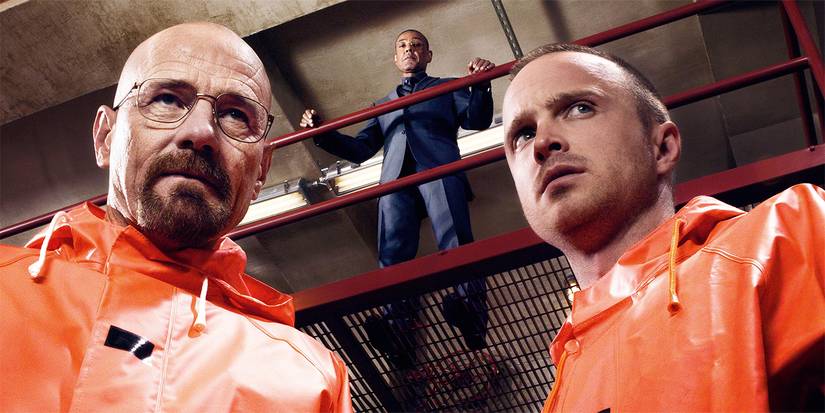 Image via AMC
This show is slow, sure. But it keeps you hooked in a weird way. Breaking Bad starts with Walter White (Bryan Cranston), a chemistry teacher diagnosed with lung cancer, deciding to manufacture methamphetamine with former student Jesse Pinkman (Aaron Paul). He tells himself the money will protect his family after his death. That explanation is believable long enough for the series to expose everything else underneath it. Walt enjoys competence, recognition, control, and finally being feared by people who once overlooked him. The criminal world gives those desires somewhere to grow.
What makes the transformation so convincing is how carefully every escalation is connected to an earlier choice. Walt rarely wakes up and decides to become worse. He solves one immediate problem in a way that makes the next moral compromise easier. Jesse moves in the opposite emotional direction, becoming more disturbed by violence as Walt becomes better at rationalizing it. Gus Fring (Giancarlo Esposito), Mike Ehrmantraut (Jonathan Banks), Hank Schrader (Dean Norris), Skyler White (Anna Gunn), and Saul Goodman (Bob Odenkirk) all pressure different parts of that change without feeling like devices built around the protagonist. The show is suspenseful because consequences are constantly catching up with people who thought they had managed them. Few series have ever controlled cause and effect this well.
1 'The Wire' (2002–2008)
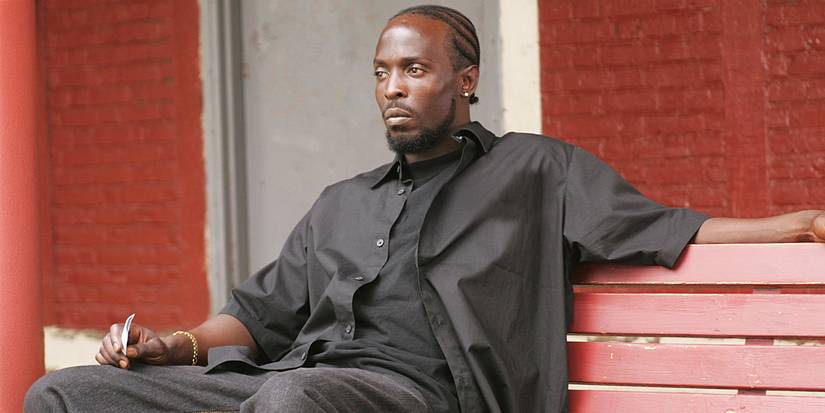 Image via HBO
The Wire begins with a police investigation into a Baltimore drug organization, then steadily widens its attention until crime becomes only one part of a much larger system. The first season follows detectives trying to build a wiretap case against the Barksdale organization. Later seasons move into the docks, city politics, public schools, and journalism, showing how each institution creates incentives that can defeat the people working inside it. The cast changes focus constantly, yet Baltimore remains the real center of the story.
That structure is what makes the series so difficult to rival. A drug dealer, police commander, teacher, politician, dockworker, journalist, and teenager can all be trapped by different versions of the same problem. Statistics get manipulated because careers depend on them. Schools teach toward numbers instead of children. Police chase arrests instead of solutions. Newspapers cut resources while demanding impact. Characters such as Jimmy McNulty (Dominic West), Stringer Bell (Idris Elba), Omar Little (Michael K. Williams), Bubbles (Andre Royo), Cedric Daniels (Lance Reddick), and eventually the students of season four give those systems human faces without reducing the argument to good people versus bad ones. The Wire can feel dense at first because it expects the viewer to listen. Once the pieces connect, very little television feels as complete.
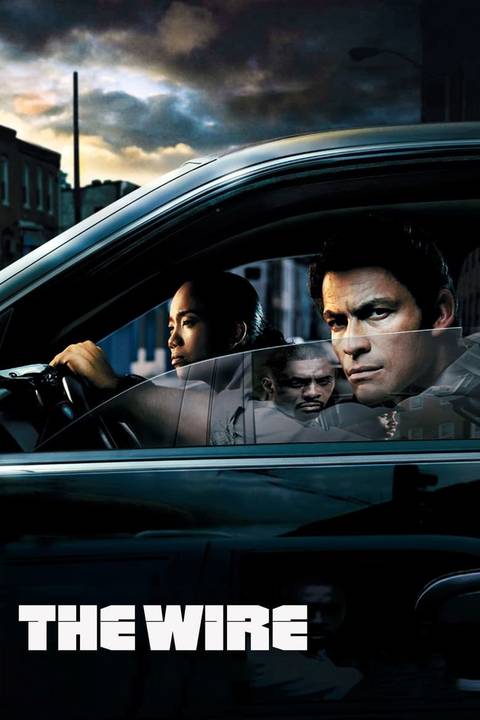
The Wire
Release Date 2002 - 2008-00-00
Network HBO







 English (US) ·