
 Image via Universal Pictures
Published Aug 25, 2026, 8:27 AM EDT
Luc Haasbroek is a writer and videographer from Durban, South Africa. He has been writing professionally about pop culture for eight years. Luc's areas of interest are broad: he's just as passionate about psychology and history as he is about movies and TV. He's especially drawn to the places where these topics overlap.
Luc is also an avid producer of video essays and looks forward to expanding his writing career. When not writing, he can be found hiking, playing Dungeons & Dragons, hanging out with his cats, and doing deep dives on whatever topic happens to have captured his interest that week.
Sign in to your Collider account
The 1970s are widely regarded as a golden age for cinema. Following the decline of the old Hollywood studio system, a new generation of filmmakers emerged with greater creative freedom, enthusiastically pushing the medium's boundaries on every front. The result was an unprecedented stretch of cinematic innovation and a decade that forever altered the medium.
Most strikingly, this was an era where ambitious directors blended artistic experimentation with mainstream appeal. Character studies stood alongside revolutionary blockbusters and hard-hitting political thrillers shared the spotlight with supernatural horrors, razor-sharp comedies, and sprawling crime epics. These '70s masterpieces pointed where cinema had to go, and we're celebrating them as the decade's best.
10 'All the President's Men' (1976)
 Image via Warner Bros. Pictures
"Follow the money." Watergate and Vietnam ushered in a deep sense of malaise in the mid-'70s, and Alan J. Pakula spoke to it perfectly with his adaptation of Woodward and Bernstein's landmark book. Dustin Hoffman and Robert Redford lead the cast as the Washington Post reporters investigating what initially appears to be a simple burglary at the Democratic National Committee headquarters. But as the evidence slowly accumulates, they uncover a conspiracy that reaches the highest levels of government.
It's to Pakula's credit that he so effectively transmutes painstaking investigative journalism into edge-of-your-seat cinema. He leans into the procedural side, depicting reporting as meticulous, exhausting work rather than glamorous adventure. In the process, the movie set a blueprint that countless journalism films have imitated since, from Zodiac to Spotlight to The Post.
9 'Blazing Saddles' (1974)
 Image via Warner Bros.
"You've got to remember that these are just simple farmers." This incendiary comedy shattered conventions by using outrageous satire to dismantle both the Western genre and the prejudice that had long underpinned many of its traditions. The story follows Bart (Cleavon Little), a Black railroad worker unexpectedly appointed sheriff of the all-white frontier town of Rock Ridge. Faced with open hostility from the townspeople and manipulation from corrupt politicians, he unexpectedly teams up with alcoholic gunslinger Jim (Gene Wilder).
Mel Brooks' fearless approach made the film controversial upon release, and it remains provocative today. While not every joke has aged well, the best are still uproarious. Yet beneath the relentless barrage of gags lies a surprisingly sophisticated understanding of both American history and Hollywood mythology. The movie constantly reminds viewers that the Western itself is a constructed fantasy while gleefully tearing down its conventions.
8 'The Exorcist' (1973)
 Image via Warner Bros. Pictures
"The power of Christ compels you!" The Exorcist was an enormous milestone in the development of horror, elevating it to new levels of artistic and cultural significance. The plot is world-famous by now and has been ripped off ad nauseam, practically spawning a subgenre unto itself: twelve-year-old Regan MacNeil starts exhibiting increasingly disturbing physical and psychological symptoms. Her desperate mother turns to the Catholic Church, leading two priests (Max von Sydow and Jason Miller) into a confrontation with an ancient demonic force.
One of the key innovations here was the dedication to realism. William Friedkin grounds every extraordinary event with restrained direction and believable performances. This approach allows the psychological, even philosophical horror to hit all the harder. That said, his eye for twisted imagery is perfect. Scenes like the spider walk are genuinely freaky, even now.
7 'The Godfather' (1972)
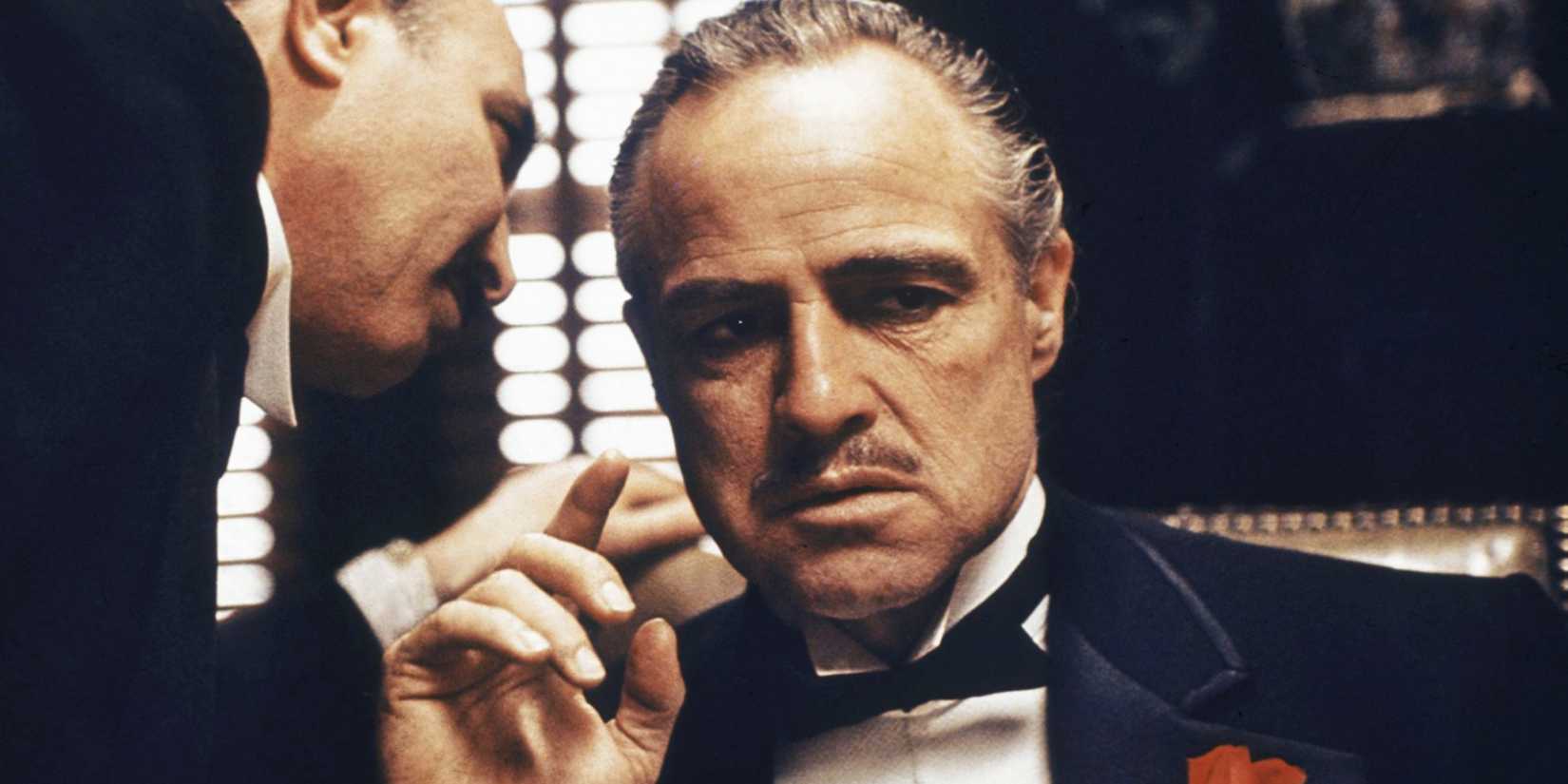 Image via Paramount Pictures
"I'm gonna make him an offer he can't refuse." With The Godfather, Francis Ford Coppola drew Shakespearean family drama out of what could have been a straightforward mob movie. We follow the Corleone crime family as aging patriarch Vito Corleone (Marlon Brando) attempts to guide the organization through changing times while his reluctant youngest son, Michael (Al Pacino), is slowly, inexorably drawn into the violent world he once hoped to escape.
What begins as a family saga slowly evolves into a tragic examination of power and corruption, a blood-soaked character study. The performances are phenomenal across the board, with Brando's work here becoming practically synonymous with gangster cinema. Meanwhile, Gordon Willis' legendary cinematography lends everything a timeless, mythic feel. Altogether, The Godfather demonstrated that commercially successful films could also possess extraordinary artistic ambition, permanently raising expectations for what Hollywood storytelling could accomplish.
6 'Nashville' (1975)
 Image via Paramount Pictures
"This isn't Dallas. This is Nashville." No filmmaker captured the complexity of American life during the 1970s more brilliantly than Robert Altman, and Nashville stands as perhaps his crowning achievement. It intertwines the lives of twenty-four major characters over several days in Tennessee's country music capital, shifting seamlessly between musicians, politicians, journalists, aspiring performers, and ordinary citizens. Put simply, it is one of the richest ensemble dramas ever made.
Altman and his cast keep a ridiculous number of narrative plates spinning at once, marshaling them all into something coherent and symphonic. Through these overlapping stories, the film constructs an expansive portrait of American culture at that point in time, examining celebrity, politics, the media, and national identity without ever reducing the characters to simple symbols. Thanks to the naturalistic performances and storytelling, Nashville captures the mid-'70s like lightning in a bottle.
5 'Star Wars' (1977)
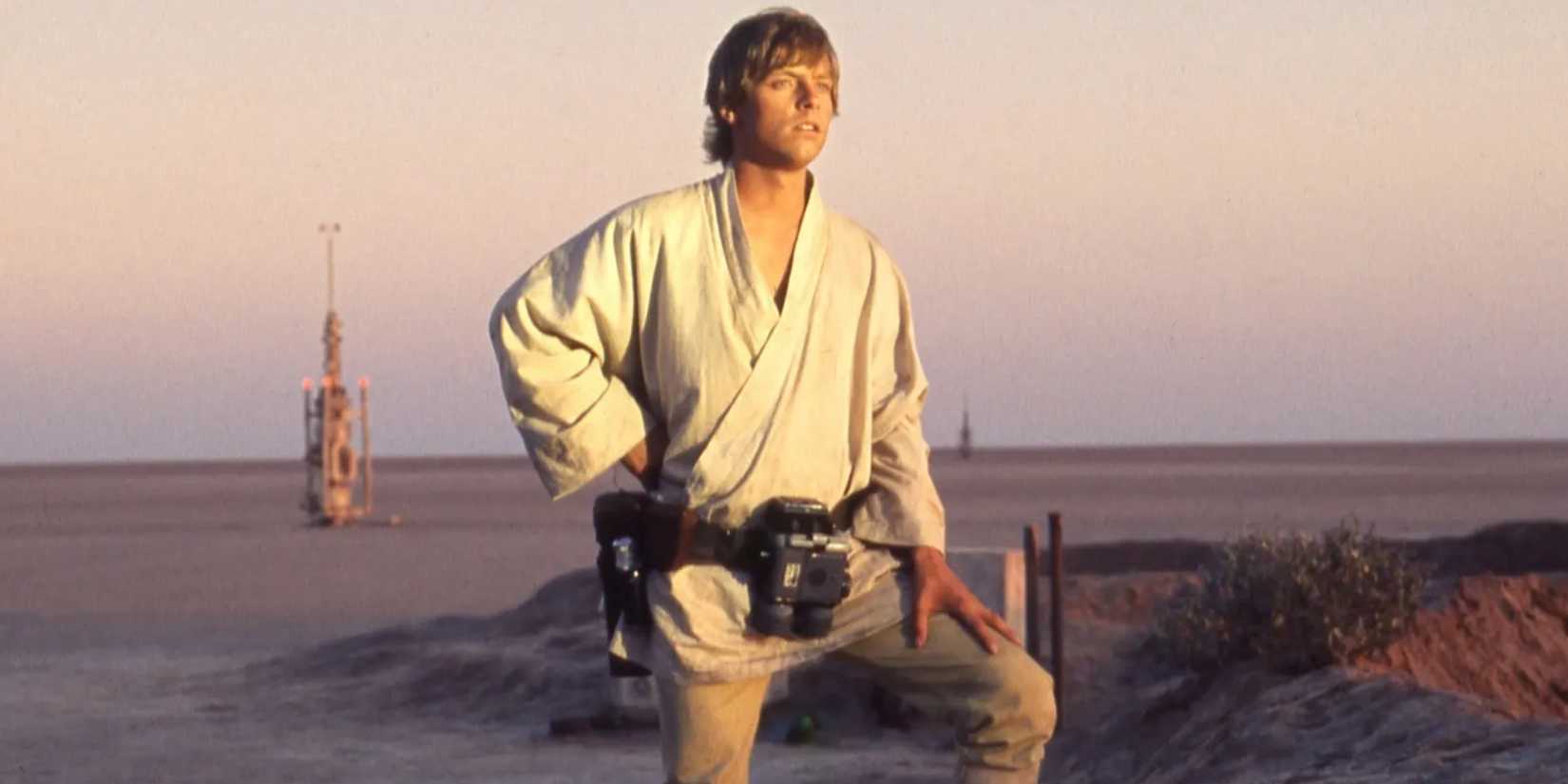 Image via 20th Century Studios
"May the Force be with you." It's difficult to think of another film that changed pop culture as profoundly as the first Star Wars. It arrived with seismic force in 1977, bringing sci-fi to the mainstream in a way that had never been done before. It laid the cornerstone of a world-conquering franchise, while also fundamentally transforming Hollywood's understanding of blockbuster filmmaking. Nearly every major franchise released over the past five decades exists, at least in part, because of the path George Lucas forged here.
Drawing on archetypes and mythology, the movie introduces us to Luke Skywalker (Mark Hamill), a farm boy swept into a rebellion alongside smuggler Han Solo (Harrison Ford), Princess Leia (Carrie Fisher), Obi-Wan Kenobi (Alec Guinness), and a memorable collection of allies. His story captured a million imaginations and has never quite let go. Indeed, the original Star Wars trilogy is bound to keep charming new generations for decades to come.
Collider Exclusive · Star Wars Quiz
Which Force User
Are You?
Light Side · Dark Side · Or Somewhere Between
The Force is not a binary. It is a spectrum — from the serene halls of the Jedi Temple to the shadowed corridors of Sith space. Ten questions will reveal where you truly fall. The Force has always known. Now you will too.
🔵Jedi Master
🟡Padawan
🔴Sith Lord
⚫Inquisitor
⚪Grey Jedi
IGNITE YOUR SABER →
01
What is the Force to you? Your relationship with the Force defines everything else.
AA living energy I must be worthy of — it is not mine to control. BSomething vast and mysterious I'm only beginning to understand. CNeither light nor dark — just a current I choose to ride. DPower. Pure and simple. The strong take it; the weak don't.
NEXT QUESTION →
02
When you feel strong emotions — anger, grief, love — what do you do? The Jedi suppress. The Sith feed. Others choose differently.
AAcknowledge them, then release them. Attachment leads to suffering. BFeel them fully, then decide what to do — they're not the enemy. CBury them. Emotion is a liability I can't afford to indulge. DUse them. Passion is the engine of the dark side for good reason.
NEXT QUESTION →
03
The Jedi Council gives you an order you disagree with. You: How you handle authority reveals your alignment.
AFollow it. The Council's wisdom surpasses my own perspective. BVoice my objection clearly, then defer to the decision. CComply outwardly while doing what I think is right. DIgnore it. The strong don't answer to committees.
NEXT QUESTION →
04
You are offered forbidden knowledge that could give you enormous power. The cost is crossing a moral line. You: The dark side's pull is never more than a choice away.
ARefuse without hesitation. There is no cost worth that price. BWeigh it carefully — sometimes darkness holds real answers. CFeel the pull but walk away — for now. DAccept it. Power justifies the method used to obtain it.
NEXT QUESTION →
05
Your approach to training and learning is: A student's habits become a master's character.
ADedicated but humble. There is always more to learn from my masters. BRigorous and patient. Mastery is earned through years of discipline. CEclectic — I draw from every tradition, not just one. DRelentless and brutal. Pain accelerates growth. Rest is weakness.
NEXT QUESTION →
06
In a duel, your lightsaber fighting style reflects: Combat is the purest expression of a Force user's philosophy.
ADefense and composure — I wait for my opponent to overcommit. BFast and instinctive — I trust the Force to guide my movements. CUnpredictable — I blend styles to keep enemies off-balance. DOverwhelming aggression — I end fights before they begin.
NEXT QUESTION →
07
A defeated enemy lies at your feet, powerless. You: Mercy — or its absence — is the truest test of alignment.
AStrike them down — compassion toward enemies is naïve and costly. BNeutralize them permanently. I can't afford loose ends. CSpare them if I can — but stay clear-eyed about the risks. DOffer them a chance to surrender. Every being deserves that.
NEXT QUESTION →
08
The Jedi Code forbids attachment. Your honest view on love and bonds: The source of the greatest falls in the galaxy.
AThe Code is right. Attachment clouds judgment and invites suffering. BLove is not a weakness — the Jedi Code got this one wrong. CI have no attachment — only loyalty to my master's mission. DI feel it deeply but struggle to reconcile it with my training.
NEXT QUESTION →
09
Why do you use the Force at all? What's the point? Purpose is the difference between a knight and a weapon.
ATo learn. I'm still figuring out what I'm capable of. BTo protect and serve. The Force is a responsibility, not a gift. CTo survive — and maybe carve out something worth having. DTo dominate. Strength demands to be expressed, not contained.
NEXT QUESTION →
10
At the final moment — light side or dark side pulling at you — what wins? In the end, every Force user faces this moment. What does yours look like?
AThe light. I choose peace, even when darkness would be easier. BNeither fully — I carve my own path through the middle. CWhoever I serve — my loyalty defines me more than my morality. DThe dark. Power is the only thing that's ever actually been real.
REVEAL MY ALIGNMENT →
Your Alignment Has Been Determined Your Place in the Force
The scores below reveal how the Force sees you. Your highest number is your true alignment. Read on to understand what that means — and what it will cost you.
🔵 Jedi Master
🟡 Padawan
🔴 Sith Lord
⚫ Inquisitor
⚪ Grey Jedi
Disciplined, compassionate, and deeply attuned to the living Force, you have walked the path long enough to understand its demands — and accept them. You lead not through authority alone, but through example. You have felt the pull of the dark side and chosen otherwise, every time. That is not certainty. That is courage.
You are earnest, powerful, and brimming with potential — and you know it, which is both your greatest asset and your most dangerous flaw. You act before you think, trust your gut over your training, and sometimes confuse impatience for bravery. The Masters see something in you, though. The question isn't whether you have what it takes — it's whether you'll be patient enough to find out.
You are not simply dangerous — you are certain, and that is worse. You have decided what the galaxy needs, and you have decided you are the one to deliver it. Your power is genuine and formidable, earned through sacrifice that would have broken lesser beings. But examine your victories carefully. Every Sith believed their cause was righteous. The dark side's cruelest trick is that it agrees with you.
You were forged in fire and reshaped by those who found you at your lowest. You serve, because service gave you structure when you had none. Your allegiance is not to an ideology — it is to survival and to the master who gave you purpose. But there is something buried beneath the conditioning. The Jedi you hunt? You recognize them. Because you remember what it felt like before the choice was taken from you.
You have looked at the Jedi Code and the Sith Code and found both of them incomplete. You walk the line not out of indecision but out of conviction — you genuinely believe both extremes miss something essential. The Jedi don't fully trust you. The Sith think you're wasting your potential. They're both partially right. But so are you.
↻ RETAKE THE QUIZ
4 'Jaws' (1975)
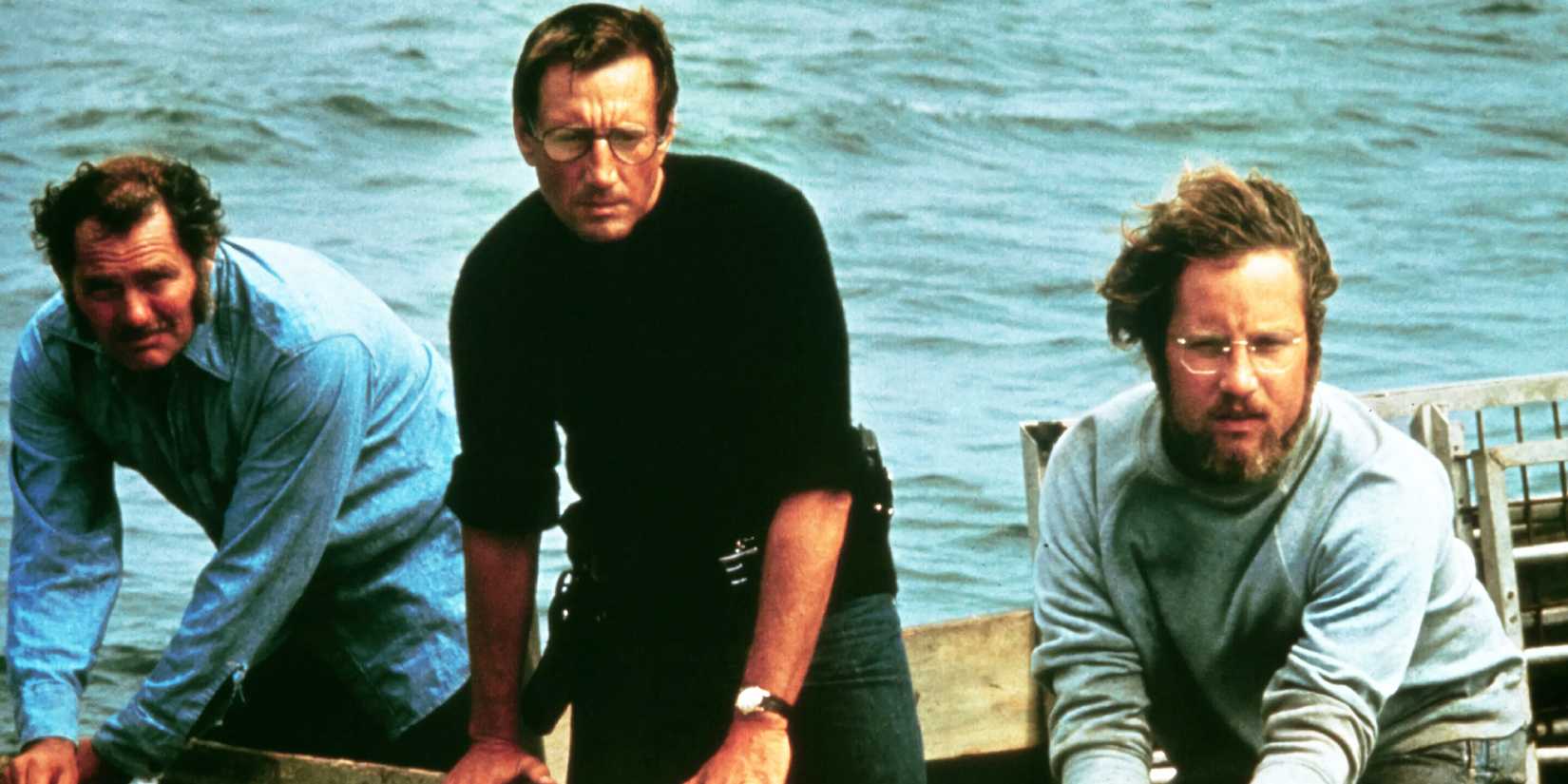 Image via Universal Pictures
"You're gonna need a bigger boat." Another movie that was instrumental in creating the blockbuster as we know it today. Jaws begins after a series of brutal shark attacks terrorize the seaside community of Amity Island. Police chief Martin Brody (Roy Scheider), marine biologist Matt Hooper (Richard Dreyfuss), and seasoned shark hunter Quint (Robert Shaw) eventually set out to hunt the enormous great white responsible.
Their perilous voyage steadily escalates into one of cinema's greatest survival stories. The result is a tense, action-packed riff on Moby-Dick, a relentless thriller that crams so much entertainment value into just two hours. Armed with an animatronic shark (that we hardly see) and an iconic, weaponized score from John Williams, Steven Spielberg conquered the box office and made a whole generation afraid of the ocean. Without Jaws, none of his later masterpieces would've been possible.
3 'Apocalypse Now' (1979)
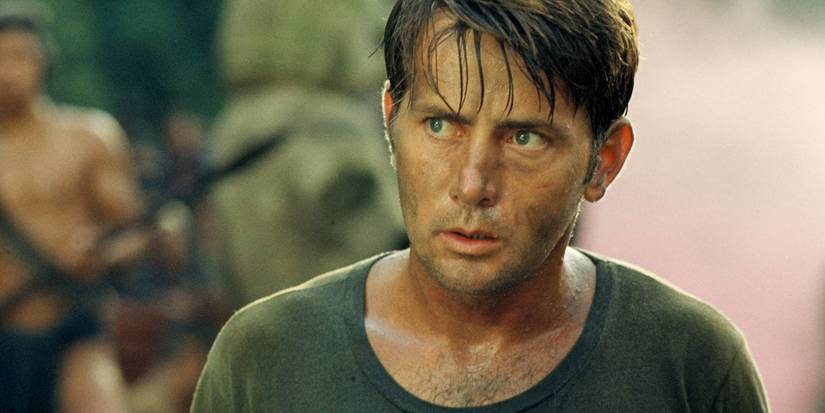 Image via United Artists
"The horror... the horror." Francis Ford Coppola was truly the mad genius of '70s cinema, the purest embodiment of the gonzo New Hollywood ethos. The most extreme expression of that sensibility is Apocalypse Now, a towering war movie that nearly broke its creator in the making. In it, Captain Benjamin Willard (Martin Sheen) travels deep into the jungles of Vietnam on a secret mission to assassinate the renegade Colonel Walter E. Kurtz (Brando), now ruling his own isolated kingdom.
As Willard's journey progresses, the mission becomes increasingly surreal, punctuated by napalm and surfing, explosions and helicopter assaults soundtracked by Wagner. The plot and mood draw heavily on Joseph Conrad's Heart of Darkness, making for an intense statement on imperialism and the darkness within humanity. Production was infamously tortured, defined by setbacks and chaos, yet the finished product is nothing short of masterful.
2 'Taxi Driver' (1976)
 Image via Columbia Pictures
"You talkin' to me?" Perhaps the greatest movie ever made about urban alienation. At the eye of the storm, Robert De Niro turns in a legendary performance as Travis Bickle, a socially isolated taxi driver who spends his nights navigating the crime-ridden streets of New York City. His disgust with the world around him curdles into something corrosive and combustible, threatening to explode into violence at any moment.
The world Travis inhabits is one of neon lights and grimy, rain-soaked streets, a stark reflection of his deteriorating mental state. Scorsese crafts this into a piercing character study, whose influence continues to reverberate throughout modern filmmaking. Indeed, Joker is a direct descendant of it. Most impressively, Taxi Driver refuses to simplify Travis into either hero or villain, instead leaving audiences to grapple with the character's ugliness, as well as the ugliness of the world that made him.
1 'The Godfather Part II' (1974)
 Image via Paramount Pictures
"I know it was you, Fredo." The Godfather Part II accomplished the seemingly impossible by matching (and for many viewers, exceeding) the towering achievement of its predecessor. This time, the narrative unfolds across two interconnected timelines. One follows Michael Corleone (Pacino) as he struggles to consolidate his family's criminal empire while growing increasingly isolated from those closest to him. The other traces the remarkable rise of the young Vito Corleone (De Niro) after immigrating to New York from Sicily.
These parallel stories make for a vivid picture of the American Dream, while also showing a heartbreaking contrast between father and son. We see how Vito's ascent sows the seeds of Michael's destruction. The result is a gripping exploration of moral collapse, executed through sturdy writing and once-in-a-generation performances. In many ways, The Godfather Part II represents the pinnacle of New Hollywood and, perhaps, American cinema as a whole.






 English (US) ·