
The Western revival has changed the genre significantly, and this includes giving viewers some of the best characters in Western TV history, from villains to heroes, and characters in between. While Taylor Sheridan's Westerns are generally credited with sparking this revival, neo-Westerns have existed before Yellowstone too, with the name referring to Western projects set in the near-modern day or future, rather than during the 1800s and post-Civil War era.
That said, no matter how far removed from the Golden Age of Westerns a show may be, the best neo-Western TV shows that define the genre still tend to include an updated take on typical characters found in classic shows. Classic Westerns might have been extremely popular, but in hindsight it is no surprise that the genre faded, as there was very little creativity in the genre compared to now. In the age of the neo-Western, gunslingers, outlaws, and lawmen are still essential to keeping the show's tone, but now they are more likely to surprise us.
Rip Wheeler (Yellowstone)
 Image via MovieStillsDB
Yellowstone's resident antihero, Rip Wheeler, feels like a classic Old West character who just happens to live in modern-day Montana. While the series was originally defined by Kevin Costner's performance as the patriarch, John Dutton, Rip's character arc makes him a much more exciting protagonist. The best characters in Yellowstone are all fighting for something, and having come from nothing, Rip understands this more than most. Cole Hauser has already had a respectable acting career, but his portrayal of Dutton's enforcer-turned-protector is easily his best role to date.
Rip Wheeler is essentially a classic Western cowboy complete with horse, ranch, gun, and willingness to carry out vigilante justice, but unlike more typical "tough but fair" protagonists, he is more complex. This morally-grey nature makes him a perfect protagonist for a neo-Western, as he divides fans and creates a conversation around his lethal approach to problem-solving and his love for his family. It is this excellent character writing and potential for debate that sets neo-Westerns apart, and Rip Wheeler is the embodiment of a conversation-starter.
Dolores Abernathy (Westworld)

The Western genre blends surprisingly well with sci-fi and few shows represent this as well as Westworld, which centers on a Western-themed amusement park in which people can live out their fantasies using humanoid robot Hosts, whose memories are then wiped. When Dolores starts to remember parts of her life as a Host, she kills her creator and starts to tear the system apart. Even after the show goes fully sci-fi, Dolores remains one of the best neo-Western protagonists of all time as she takes the classic Western theme of personal freedom with her.
Westworld is full of iconic characters and Dolores is not always likable, but her arc is a typical Western story told in an entirely new way, which makes her a masterclass in character writing. Dolores not only flips the "damsel in distress" archetype but does so in a very "Western" manner by prioritizing freedom at all costs. Even with Warner Bros. rebooting Westworld, Evan Rachel Wood's performance is unlikely to be beaten.
Joe Pickett (Joe Pickett)
 Credit: MovieStillsDB
Many Westerns of all kinds romanticize cowboy life, and even neo-Westerns can still make the everyday work of their characters look glamorous. Joe Pickett stands out in the genre for doing the exact opposite, focusing on a character who never chases glory or recognition and instead merely wants to protect the land and go home to his family. Antiheroes make great TV, but Joe Pickett is arguably the purest protagonist in the neo-Western genre, and this is what makes him one of the best.
Joe Pickett is set in the real location of Saddlestring, Wyoming, but it is filmed in Calgary, Canada.
As a game warden, Pickett comes armed with expert knowledge of the land rather than rage and a gun, yet he finds himself at the center of a conspiracy after discovering the body of a poacher in his backyard. Unlike other neo-Western characters who might swear revenge and ride off with a smart one-liner, Pickett reacts like a relatively normal person. The "everyman hero" is a staple Western trope, but few characters embody it as well as Pickett, and his realism, which incorporates everything from tragedy to humor, is why Joe Pickett deserves its 100% Rotten Tomatoes score.
Kaylee Frye (Firefly)
 Image via MovieStillsDB
Firefly's neo-Western status has been contested, but while many space Westerns are sci-fi shows that loosely base storylines on classic tropes, Firefly incorporates all the elements of a Western, from locations to character types, often overshadowing the sci-fi genre, as in the episode "Heart of Gold" which sees the crew rescuing a community of escorts from a villainous landowner. Virtually all the characters in Firefly embody but subvert a Western theme, from the mercenary Jayne to the cowboy Mal, and this is where Kaylee shines, despite often being overlooked.
In virtually any classic Western, the perpetually-cheerful and frilly dress-loving Kaylee would be the innocent and sheltered daughter of someone powerful, but Kaylee is an independent, sex-positive and highly-skilled mechanic. Neo-Westerns might usually be defined by lawmen and tough gunslingers, and on the surface, the peaceful and gun-fearing Kaylee is the exact opposite of a great Western protagonist. However, communities would not survive without people like mechanics and engineers, and by combining character traits that are rarely put together, she is one of the most unique and interesting in the show, and in the genre.
Royal Abbott (Outer Range)

Already played by Western legend Josh Brolin (No Country for Old Men,) Royal Abbott is one of the most fascinating protagonists in a neo-Western TV show, which is also fitting as Outer Range stands out as a genre-blending, mind-bending series that breaks the rules yet is unmistakably a Western. Royal is a rancher trying to keep his land, but when the land in question also contains a mysterious hole that has the potential to fracture time and space, the question of where his land ends becomes very complex indeed, with the frontier taking on several extra dimensions.
|
Season |
Year |
Rotten Tomatoes critics' rating |
Rotten Tomatoes audience rating |
|
1 |
2022 |
79% |
69% |
|
2 |
2024 |
92% |
84% |
Outer Range's Abbott family tree is complex, but Royal is a grounding character, fitting the stoic archetype of a Western TV patriarch, and fiercely protective of his life and family. However, he is a man driven by deep existential dread and a secret that changes the premise of the entire show, and it is this that makes him so compelling. Royal is more of an antihero considering the measures he is willing to take to protect his secret, but he is easier to root for than many other flawed characters, often being extremely sympathetic, even tragic.
Walt Longmire (Longmire)

Most neo-Westerns move their protagonists forward into a more modern age, but Walt Longmire is an exception to this rule, with the show being essentially a crime drama centered on a man who cannot move on. While even the best Western lawmen and sheriff characters can get exasperated and weary, Longmire's exhaustion is the baseline for his character, who is starting to realize that the old rules don't work anymore.
Watching Longmire, it is easy to feel that Walt Longmire could easily be placed into a classic Western and not feel out of place. He is tough and old-fashioned, with manners that act as a foil for the fact that he can take down even career criminals without necessarily resorting to violence immediately. Longmire's journey toward rebuilding his life after earth-shattering grief is not an explosive and action-packed story, but it is one of the best and most subtle sagas in any Western TV show, and this is thanks to Robert Taylor's portrayal, keeping Longmire captivating rather than stagnant.
Joe Leaphorn (Dark Winds)
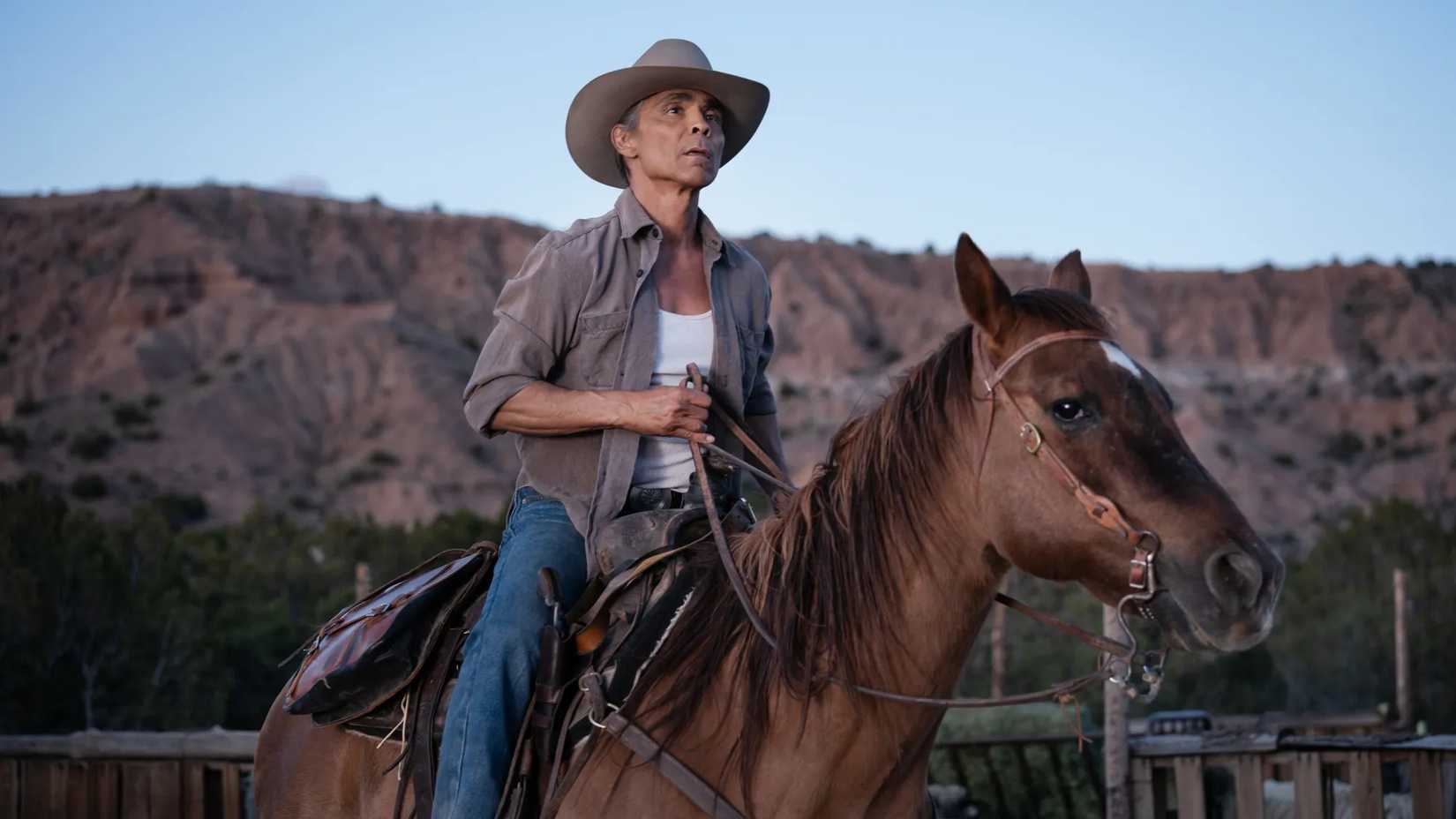 via AMC
With a perfect 100% Rotten Tomatoes score throughout all four of its seasons, Dark Winds is an undisputed neo-Western masterpiece, with an earlier setting than other present-day or future-set shows. With a largely Native American cast and team, Dark Winds is unique in telling a Western crime story from the perspective of characters who have historically been criminally overlooked. Heading the cast is Zahn McClarnon (Westworld,) as Navajo Tribal Police officer Joe Leaphorn, whose relationship with solving crimes is linked to his grief and guilt over the death of his son.
Joe Leaphorn is unique in the Western TV landscape. While the roles of Native American characters have largely been improved with the neo-Western revival, Leaphorn's demeanor is that of a more classic cowboy, except that his moral code and way of life operate through tribal law rather than a frontier code. Leaphorn undergoes a psychological journey throughout Dark Winds and has some of the most powerful scenes in any Western TV show, confirming Zahn McClarnon as one of the greatest Western TV actors of all time and Leaphorn as a neo-Western icon.
Beth Dutton (Yellowstone)
 Paramount+
The Yellowstone saga is defined by its characters, and the show would look very different without Beth Dutton. As Rip's wife and counterpart, the two are both inseparable and one of the few Western genre power couples ever written. Even today, many female characters in Western TV shows are either a femme fatale equivalent or a morally-upstanding lawmaker. On the other hand, Beth is tough, ruthless, and uses her business skills in the same way a gunslinger would use a weapon. Some have criticized Beth for being overexaggerated, but as Yellowstone is not a realistic show, this hardly matters.
Beth is one of the most quotable characters in Yellowstone, and despite being one of the main characters, she is so compelling that even though she and Rip have a spinoff in the form of Dutton Ranch, it still feels as though there is more to tell. From her heartbreaking backstory to antihero, even antagonistic, tendencies, her black-and-white view of the world might make her unlikable at times, but it also makes her realistically flawed.
Wynonna Earp (Wynonna Earp)
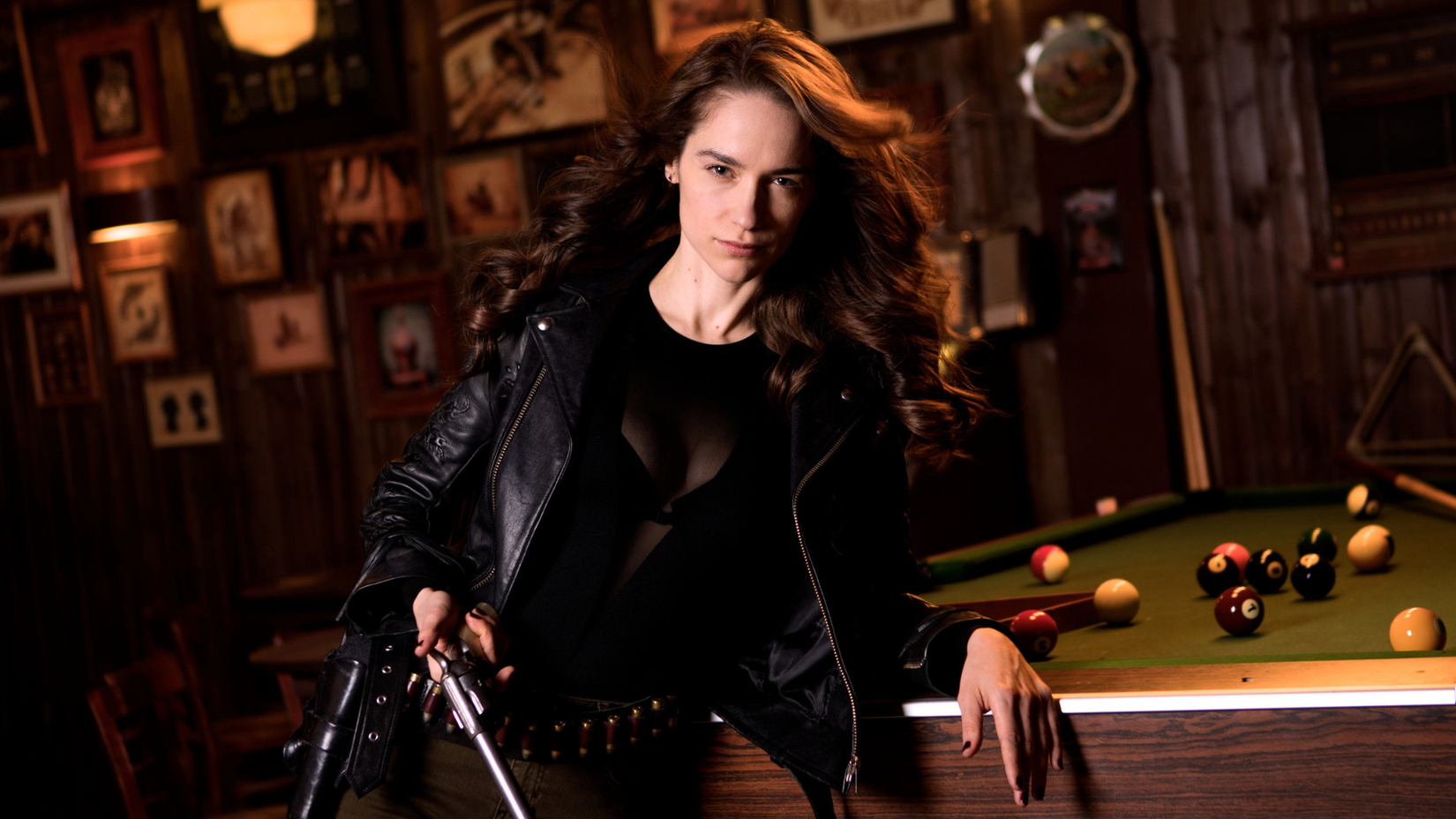
Descended from the legendary lawmaker Wyatt Earp, Wynonna already comes with an impressive legacy, and a destiny that immediately starts causing problems. Wynonna Earp has drawn comparisons with Buffy the Vampire Slayer for its supernatural themes and storyline that centers on a young woman charged with banishing spirits. However, not only is Wynonna Earp everything that Buffy should have been, but its main character surpasses Buffy while being a standout neo-Western protagonist. Wynonna is a gunslinger straight out of a classic Western, except that the people she is fighting are undead.
As a leather jacket-wearing woman with a motorcycle, a love of bad jokes and a strong family support network, Wynonna is the perfect modern update for a Western protagonist. While she does eventually ride off into the sunset in search of another adventure in the same manner as other great Western TV characters, she goes with people she loves, subverting the "lone ranger" stereotype and leaving behind a legacy that deserves more attention.
Raylan Givens (Justified)
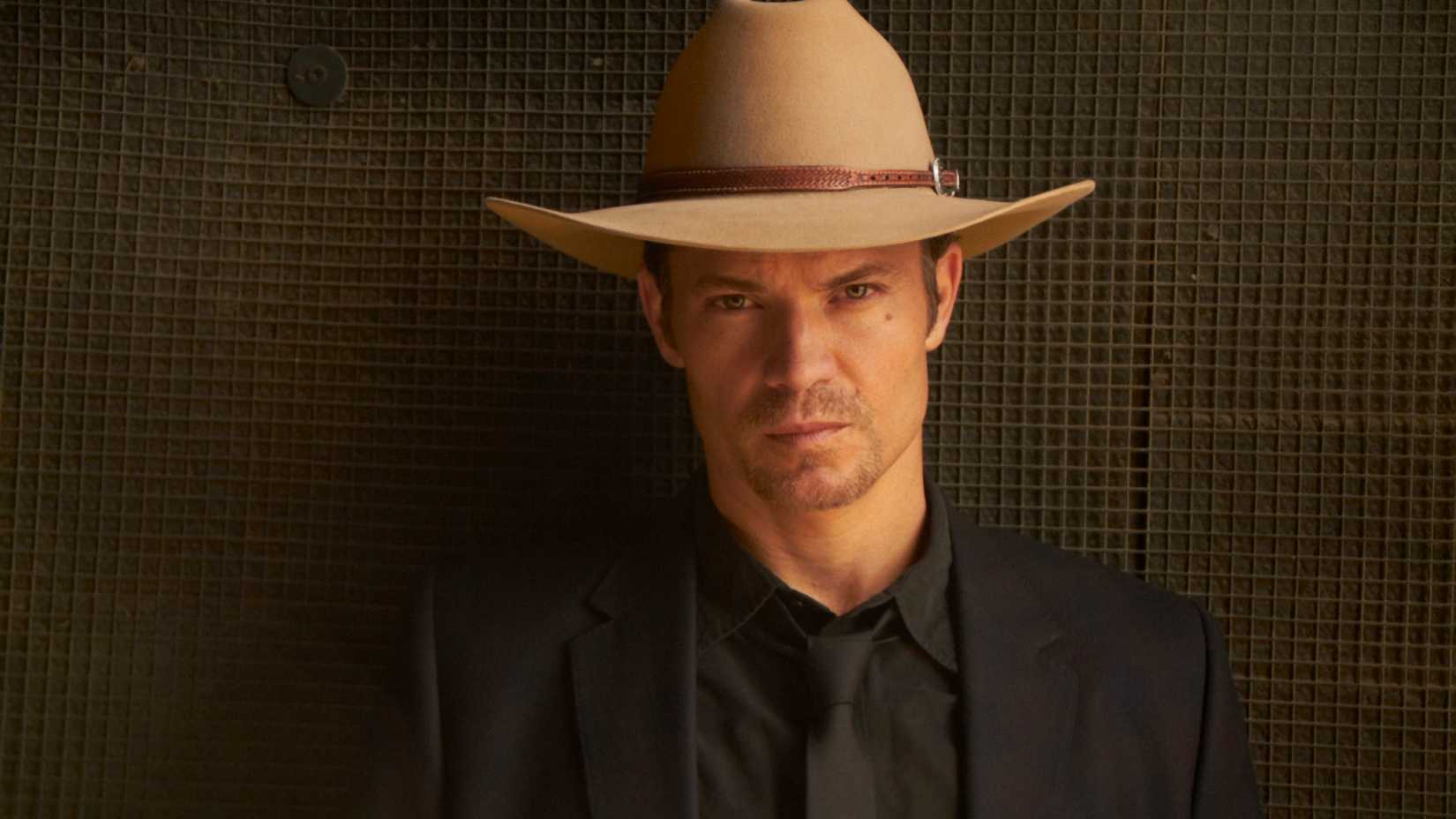
While Yellowstone has reinvented the Western with its huge cast and sweeping saga of a family dynasty, Justified's Raylan Givens has reinvented the lawman. Timothy Olyphant has starred in two of the greatest Western TV shows ever made, but Justified is arguably his best, following deputy US Marshall Givens as he enforces his own definition of justice while pursuing fugitives across Kentucky's Harlan County, including his former friend turned villain Boyd Crowder (Walton Goggins.) Justified began with a police procedural format but grew into a drama that allowed Olyphant to highlight his skill at playing complex characters.
The best moments in Justified showcase Givens' skill at shooting combined with his ability to skewer an opponent in one line, but what makes Givens such a perfect main character is the fact that in the pursuit of justice, he often acts outside the law himself, becoming an outlaw in turn. Justified gives him a character arc that becomes defined by Givens learning when not to pull the trigger, but without abandoning the tone of the Old West, and he was such an unforgettable character that Justified: City Primeval was also a critical success, with a 92% Rotten Tomatoes rating.



 English (US) ·