
 Image via Gramercy Pictures
Published Aug 6, 2026, 8:32 AM EDT
Daniela is a freelance writer with two years of experience covering entertainment. She is a senior writer on Collider’s freelance team and has also been published in other platforms, such as Elite Daily. When she’s not writing, she's diving into thought-provoking, existentialist films and classic literature.
Sign in to your Collider account
The crime and comedy genres are already great on their own. However, when these two popular categories are combined, the results are nothing short of incredible, since the comedic elements add an intriguing contrast to the serious themes of violence, gore, and corruption that the crime genre is known for, making for a truly captivating viewing experience.
This distinctive blend ultimately produces absorbing movies for audiences who enjoy immersing themselves. Throughout the years, as the sub-genre has grown in popularity, plenty of crime comedy movies have captured the attention of global moviegoers, with some of them even becoming cult classics, as is the case of the Coen Brothers' fan-favorite The Big Lebowski. From A Fish Called Wanda to The Long Goodbye, these are the best crime comedy films.
10 'A Fish Called Wanda' (1988)
 Image via MGM/UA Communications Co.
This Charles Crichton and John Cleese film depicts the planning of a jewelry heist, led by four very different people (Tom Georgeson, Michael Palin, Jamie Lee Curtis, and Kevin Kline), as they then attempt to double-cross each other for the loot. When their plan goes badly, Wanda tries to seduce George's British gangster Thomas's lawyer, Archie (John Cleese), in order to find out where George hid the diamonds.
A Fish Called Wanda is mandatory viewing for crime comedy enthusiasts. This British screwball comedy movie is nothing short of hilarious, with its second part standing out a bit more than the first. Kline and Palin's comedic performances, in particular, are really funny, and the narrative is clever, witty, and intriguingly examines betrayal and loyalty. Furthermore, the bonds between its characters are three-dimensional. With all this being said, A Fish Called Wanda is easily one of the funniest crime comedies of the 1980s.
9 'Arsenic and Old Lace' (1994)
 Image via Warner Bros.
Based on Joseph Kesselring's 1941 play of the same name, Frank Capra's fantastic screwball mystery black comedy film stars the iconic Cary Grant (in a role originally intended for Bob Hope) opposite Priscilla Lane and tells the story of a Brooklyn author who risks his reputation after he decides to get married. In the meantime, circumstances are complicated when he learns that his maiden aunts (Josephine Hull, Jean Adair) are murderers, his uncle is disturbed (John Alexander), and his brother is homicidal (John Alexander).
Set in Brooklyn, New York, Arsenic and Old Lace is wicked fun, with two strong performances at its center, resulting in the perfect crime comedy watch for old Hollywood aficionados. It's not difficult to understand why Capra's crime comedy was so beloved when it was released (and a box office hit at the time), considering how funny it was and how it endures, standing the test of time even today.
8 'Knives Out' (2019)
 Image via Lionsgate Films
Rian Johnson's Knives Out is a brilliant addition to contemporary cinema and a love letter to Agatha Christie's whodunit murder mystery novels, from which Johnson drew inspiration. Starring Daniel Craig in one of his most memorable roles, this 2019 film sees a detective investigate the death of the patriarch (Christopher Plummer) — for whom Anda de Armas' Marta Cabrera used to work as a caretaker — of an eccentric, wealthy family.
Knives Out's talented ensemble cast is not its only valuable asset. On top of the narrative being incredibly entertaining (likely to have audiences on the edge of their seats with its nail-biting mystery and laughing out loud with its comedic bits) and memorable characters (Benoit's Hercule Poirot-type character stands out), Johnson's crime comedy is visually pleasing and unpredictable, keeping audiences guessing throughout.
7 'Hot Fuzz' (2007)
 Image via Universal Pictures
Next up is Edgar Wright's Hot Fuzz, a cult classic that clearly deserves a spot on this list. The Edgar Wright story centers around Simon Pegg's ambitious London police sergeant, illustrating his struggles to adapt to his new job after being transferred to a small village where a string of murders strikes, and the easygoing officers object to his fervor for regulation.
The second installment in the Three Flavours Cornetto Trilogy (which also includes Shaun of the Dead and The World's End) is, to some, the best film out of the three. Not only does the crime comedy brilliantly satirize American action cop movies, but it also provides a sharp parody of English country life. All in all, Hot Fuzz is an immensely fun time in front of the screen mostly thanks to its perfect blend of comedy, crime, and action.
6 'The Sting' (1973)
 Image via Universal Pictures
Set in 1930s Chicago, this high-grossing, critically acclaimed American caper film by George Roy Hill sees Robert Redford and Paul Newman team up to come up with a scheme to pull off an ultimate con. The characters and storyline are inspired by real-life cons perpetrated by brothers Fred and Charley Gondorff, documented by David Maurer in his book The Big Con: The Story of the Confidence Man.
One of the best movies of 1973, The Sting was nominated for ten Oscars and took home seven, including Best Picture, Best Director, Best Editing, and Best Original Screenplay. As such, it is not surprising that Roy Hill's movie is highly regarded and considered one of the best crime comedies of all time. With such talented actors at its center and a thoroughly absorbing, clever, and well-written screenplay, The Sting stands the test of time as one of the best in its genre.
Collider Exclusive · Oscar Best Picture Quiz
Which Oscar Best Picture
Is Your Perfect Movie?
Parasite · Everything Everywhere · Oppenheimer · Birdman · No Country
Five Oscar Best Picture winners. Five completely different visions of what cinema can be — and what it can do to you. One of them is the film that was made for the way your mind works. Ten questions will figure out which one.
🪜Parasite
🌀Everything Everywhere
☢️Oppenheimer
🐦Birdman
🪙No Country for Old Men
FIND YOUR FILM →
01
What kind of film experience do you actually want? The best movies don't just entertain — they leave something behind.
ASomething that pulls the rug out — that makes me think I'm watching one kind of film and then reveals I'm watching another entirely. BSomething overwhelming — funny, sad, absurd, and genuinely moving, all at once. CSomething grand and weighty — a film that makes me feel the full scale of what I'm watching. DSomething formally daring — a film that pushes what cinema can even do. ESomething lean and relentless — pure tension with no wasted frame.
NEXT QUESTION →
02
Which idea grabs you most in a film? Great films are driven by a central obsession. What's yours?
AClass, inequality, and what people are willing to do when desperation meets opportunity. BIdentity, family, and the chaos of trying to hold your life together when everything is falling apart. CGenius, moral responsibility, and the catastrophic weight of a decision you can never take back. DEgo, legacy, and the terror of becoming irrelevant while you're still alive to watch it happen. EEvil, chance, and whether moral order actually exists or if we just tell ourselves it does.
NEXT QUESTION →
03
How do you like your story told? Form is content. The way a story is shaped changes what it means.
AGenre-twisting — I want it to start in one lane and migrate into something completely different. BMaximalist and genre-blending — comedy, action, drama, sci-fi, all in one ride. CEpic and non-linear — cutting between timelines, building a mosaic of cause and consequence. DA single unbroken flow — I want to feel like I'm living it in real time, no cuts to safety. ESpare and precise — every scene doing exactly what it needs to do and nothing more.
NEXT QUESTION →
04
What makes a truly great antagonist? The opposition defines the protagonist. What kind of opposition fascinates you?
AA system — invisible, structural, and almost impossible to fight because it has no single face. BThe self — the ways we sabotage, abandon, and fail the people we love most. CHistory — the unstoppable momentum of events that no single person can stop or redirect. DThe industry — the machinery of culture that chews up talent and spits out irrelevance. EPure, implacable evil — a force so certain of itself it becomes almost philosophical.
NEXT QUESTION →
05
What do you want from a film's ending? The final note is the one that lingers. What do you want it to sound like?
AShock and inevitability — a conclusion that recontextualises everything that came before it. BEarned emotion — I want to cry, laugh, and feel genuinely hopeful, even if the world is a mess. CDevastation and grandeur — an ending that makes me sit in silence for a few minutes after. DAmbiguity — something that leaves enough open that I'm still thinking about it days later. EBleakness — an honest refusal to pretend the world is tidier than it actually is.
NEXT QUESTION →
06
Which setting pulls you in most? Where a film takes place shapes everything — mood, stakes, what's even possible.
AA gleaming modern city with a hidden underside — beauty masking rot, wealth masking desperation. BA collapsing suburban life that opens onto something infinite — the multiverse of a single ordinary person. CThe corridors of power and science at a world-historical turning point — where decisions echo for decades. DThe grimy, alive chaos of New York and Hollywood — fame as both destination and trap. EVast, indifferent landscape — desert and highway where violence arrives without warning or reason.
NEXT QUESTION →
07
What cinematic craft impresses you most? Every great film has a signature — a technical or artistic element that makes it unmistakable.
AProduction design and mise-en-scène — every frame composed to carry meaning beneath the surface. BEditing and tonal control — the ability to move between registers without losing the audience. CScore and sound design — music that becomes inseparable from the dread and awe of what you're watching. DCinematography as performance — the camera not recording events but participating in them. ESilence and restraint — what's left unsaid and unshown doing more work than any dialogue could.
NEXT QUESTION →
08
What kind of main character do you root for? The protagonist is the lens. Who you choose to follow says something about you.
ASomeone smart and resourceful who makes increasingly dangerous decisions under pressure. BSomeone overwhelmed and ordinary who turns out to be capable of something extraordinary. CA brilliant, tortured figure whose gifts and flaws are inseparable from each other. DA self-destructive artist whose ego is both their superpower and their undoing. EA quiet, principled person trying to make sense of a world that has stopped making sense.
NEXT QUESTION →
09
How do you feel about a film that takes its time? Pace is a choice. Some films sprint; others let tension accumulate slowly, deliberately.
AI love a slow build when I know the payoff is going to be seismic — patience for a devastating reveal. BGive me relentless momentum — I want to feel breathless and emotionally spent by the end. CEpic runtime doesn't scare me — if the material demands three hours, give me three hours. DI want it to feel propulsive even when nothing is technically happening — restless energy throughout. EDeliberate and unhurried — I want dread to accumulate in the spaces between the action.
NEXT QUESTION →
10
What do you want to feel walking out of the cinema? The best films leave a mark. What kind of mark do you want?
AUnsettled — like I've just seen something I can't fully explain but can't stop thinking about. BMoved and energised — like the film reminded me what actually matters and gave me something to hold onto. CHumbled — like I've been in the presence of something genuinely important and overwhelming. DExhilarated — like I've just seen cinema doing something it's never quite done before. EHaunted — like a cold, quiet dread that stays with me for days.
REVEAL MY FILM →
The Academy Has Decided Your Perfect Film Is…
Your answers have pointed to one Oscar Best Picture winner above all others. This is the film that was made for the way your mind works.
Parasite
You are drawn to films that operate on multiple levels simultaneously — that begin in one genre and quietly, brilliantly migrate into another. Bong Joon-ho's Parasite is a film about class, desire, and the architecture of inequality that manages to be darkly funny, deeply suspenseful, and genuinely shocking across a single extraordinary running time. Your instinct is for cinema that hides its true intentions until the moment it's ready to reveal them. Parasite is exactly that — a film that rewards close attention and punishes assumptions, right up to its devastating final image.
Everything Everywhere All at Once
You want it all — and this film gives you all of it. The Daniels' Everything Everywhere All at Once is one of the most maximalist films ever made: action comedy, multiverse sci-fi, family drama, existential crisis, and a genuinely earned emotional core that sneaks up on you amid the chaos. You are someone who responds to ambition, who doesn't want cinema to choose between being entertaining and being meaningful. This film refuses that choice entirely. It is overwhelming by design, and its overwhelming nature is precisely the point — because the feeling of being crushed by infinite possibility is exactly what it's about.
Oppenheimer
You are drawn to cinema on a grand scale — films that understand history not as a backdrop but as a force, and that place their characters inside that force and watch what happens. Christopher Nolan's Oppenheimer is a film about the terrifying gap between what we can do and what we should do, told with the full weight of one of the most consequential moments in human history behind it. You want your films to feel important without feeling self-important — to earn their ambition through sheer craft and the gravity of their subject. Oppenheimer does exactly that. It is enormous, complicated, and refuses easy comfort.
Birdman
You are drawn to films that foreground their own construction — that make the how of the filmmaking part of the what it's about. Alejandro González Iñárritu's Birdman, shot to appear as a single continuous take, is cinema examining itself through the cracked mirror of a fading actor's ego. You respond to formal daring, to the feeling that a film is doing something that probably shouldn't be possible. Michael Keaton's performance and Emmanuel Lubezki's restless camera create something genuinely unlike anything else — a film that is simultaneously about creativity, relevance, self-destruction, and the impossibility of ever truly knowing if your work means anything at all.
No Country for Old Men
You are drawn to cinema that trusts silence, that refuses to explain itself, and that treats dread as a form of meaning. The Coen Brothers' No Country for Old Men is a film about the arrival of a new kind of evil — implacable, arbitrary, and utterly indifferent to the moral frameworks we use to make sense of the world. It is one of the most formally controlled films ever made, and its controlled restraint is what makes it so terrifying. You want your films to haunt you, not comfort you. You are not interested in resolution if resolution would be dishonest. No Country for Old Men is honest in a way that most cinema never dares to be.
↻ RETAKE THE QUIZ
5 'The Wolf of Wall Street' (2013)
 Image via Paramount Pictures
The renowned filmmaker Martin Scorsese has directed several popular projects, but The Wolf of Wall Street stands out as one of his most talked-about movies. The crime comedy, released in 2013, has gained a surprising cult following over time, with many "film bros" considering it the best movie ever made. The plot is based on the true story of Jordan Belfort, played by Leonardo DiCaprio, depicting his journey from a wealthy stockbroker to his downfall involving corruption and crime.
DiCaprio delivers one of his finest tours de force in Scorsese's five-time Oscar-nominated epic, elevating the genre to new heights with his astounding performance. Margot Robbie is exceptionally good at playing Jordan's wife, Naomi, in it, too (her breakout role). The lavish and visually immersive The Wolf of Wall Street is ambitious, bold, and surely not to everyone's taste, nor fit for audiences of all ages. However, those who like it probably love it.
4 'My Cousin Vinny' (1992)
 Image via 20th Century Studios
In Jonathan Lynn's 1992 crime comedy film My Cousin Vinny, which was inspired by a real-life encounter, two New Yorkers played by Joe Pesci and Marisa Tomei are accused of murder in rural Alabama while on their way back to college. They call upon the help of one of their cousins (Karate Kid's Ralph Macchio), a loudmouth lawyer with no trial experience, to defend them.
It's not for no reason that My Cousin Vinny is considered one of the best crime comedies of its time — it is funny and thoroughly amusing throughout, with the jokes and comedic bits delivered to perfection and with the right timing. What's more, the unconventional courtroom drama is said to be a very accurate illustration of courtroom procedure and trial strategy, painting a close-to-reality picture even in its details.
3 'Fargo' (1996)
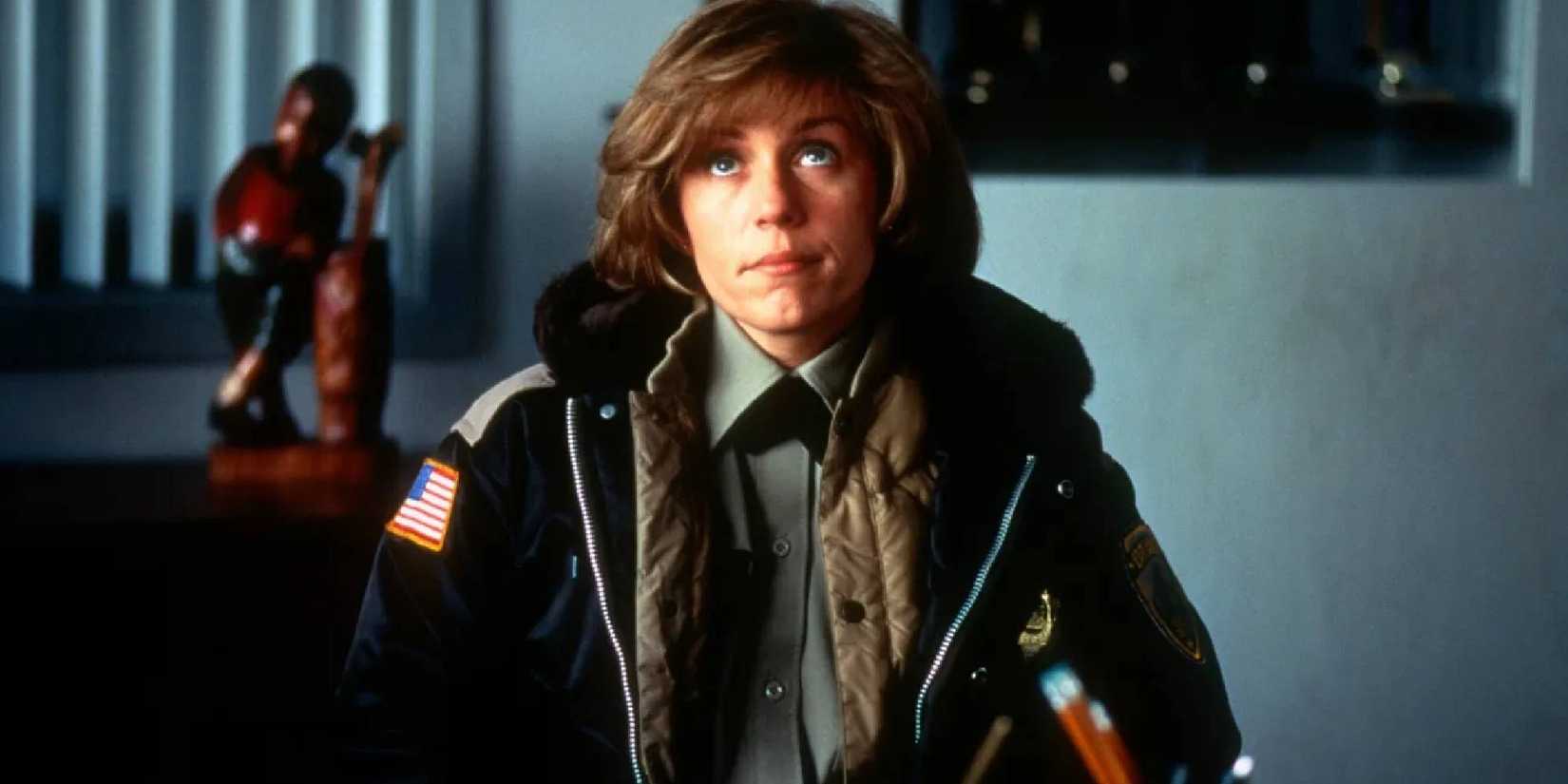 Image via Gramercy Pictures
Joel Coen's Fargo illustrates the poorly executed crime of Jerry Lundegaard (William H. Macy) and his henchmen surrounding the kidnapping of his wife for ransom to be paid by her wealthy father. Eventually, his plan falls apart while a pregnant police officer, played to perfection by Frances McDormand in an Oscar-winning role, persistently investigates it.
With solid central performances from all those involved and hilarious comedic moments serving as a counterbalance to the violence depicted in the film (as expected in a feature of the crime genre), Coen's crime comedy Fargo is nothing short of unforgettable, earning a spot among the best films of the 1990s thanks to its memorable screenplay. At the Cannes Film Festival, Coen won the Prix De La Mise En Scène (Best Director Award).
2 'The Big Lebowski' (1998)
 Image via Gramercy Pictures
After his astounding work in Fargo, Joel Coen delivered another cult classic in 1998 alongside his brother Ethan Coen. The Big Lebowski features Jeff Bridges in a career-defining performance as a Los Angeles slacker and enthusiastic bowler. The story sees "The Dude" being mistaken for a millionaire also named Lebowski (David Huddleston). When his precious rug is ruined, he enlists his bowling buddies to help get it.
Despite being released to mixed reviews, this independent crime comedy movie became one of the most beloved in the category, with millions of film enthusiasts now finding it a remarkable cult classic. There are many reasons why The Big Lebowski is so good, and its off-beat characters, hilarious storyline, and overall flawless execution are at the top of the list. It's also a great pick for fans of surrealist films.
1 'The Long Goodbye' (1973)
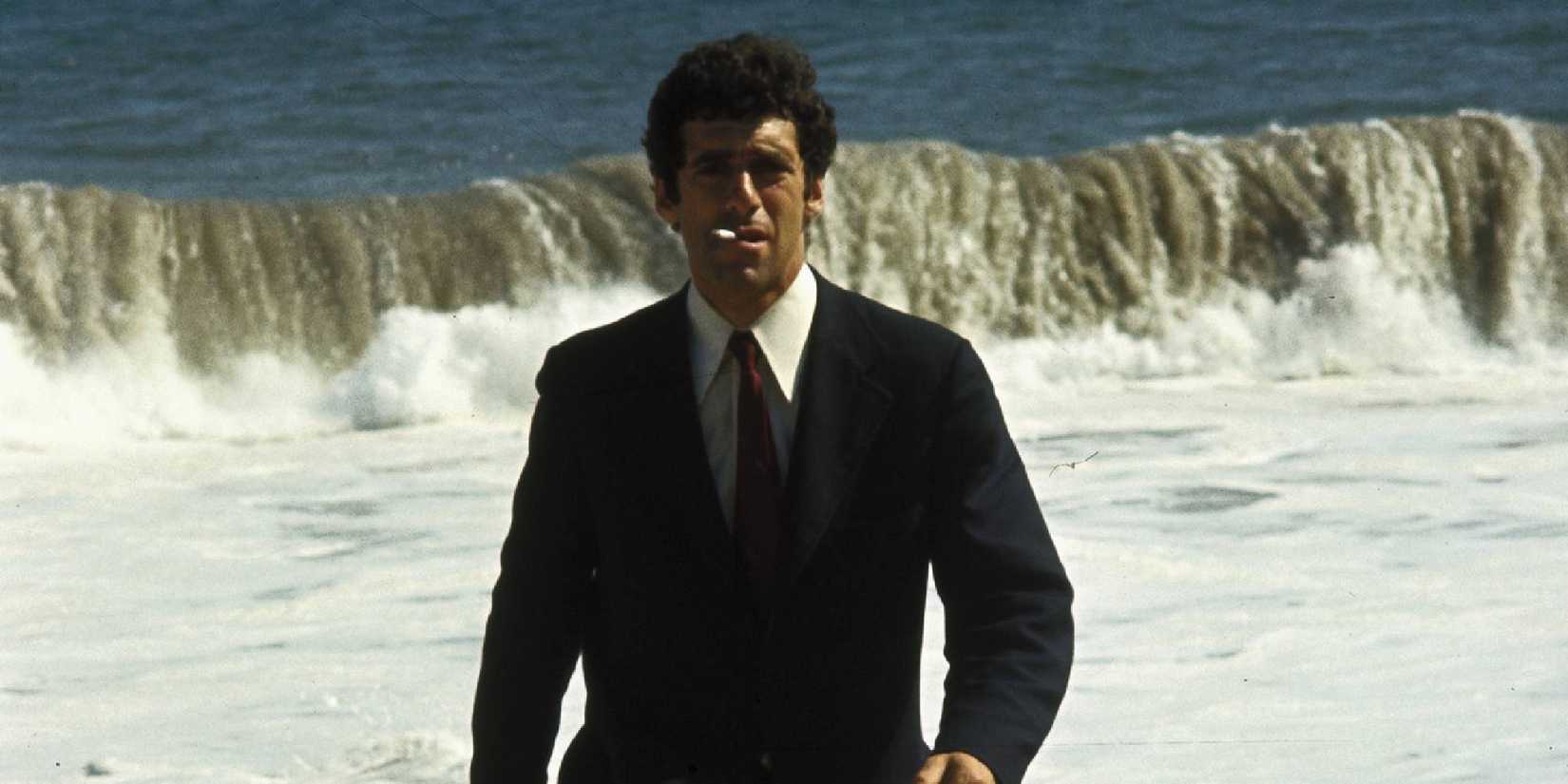 Image via United Artists
At the forefront is Robert Altman's The Long Goodbye, a 1973 film starring Elliott Gould as a private detective who is requested by his old friend Terry Lennox (Jim Bouton) to give him a ride to Mexico. While he agrees to the request, he is questioned by the police about the death of Terry's wife upon returning to Los Angeles. Eventually, it's reported that Terry has committed suicide in Mexico. While Marlowe doesn't buy it at first, things change when he takes a new case from a beautiful blonde (Nina van Pallandt), who has a past with Terry.
Standing among the best films of the 1970s, Altman's crime comedy is a clever satirical critique of Hollywood, mockingly exposing everything from fascism to the industry's pretentiousness, even providing audiences with a comical take on the film noir and the detective genres. Whether one enjoys it or not, it is undeniable that The Long Goodbye is a satirical, genre-bending feature that defies the conventions of its category, with utterly intriguing results.

The Long Goodbye
Release Date March 8, 1973
Runtime 112 Minutes
Writers Leigh Brackett, Raymond Chandler






 English (US) ·