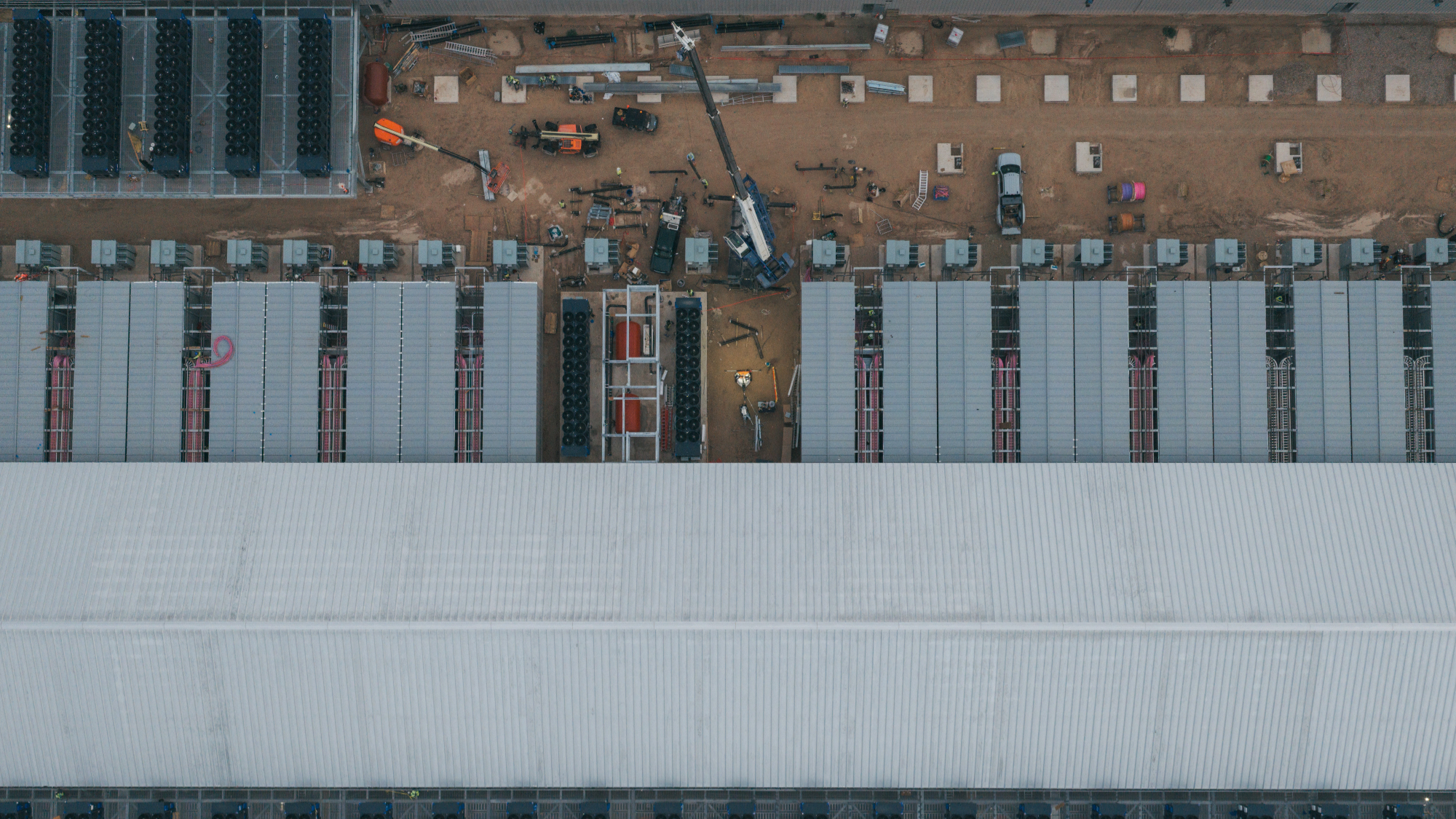
Texas has suspended the construction permits of 17 data center projects and disabled a web portal that automated filing for new permits after it was discovered that they were still being issued a month after calls for the process to be paused. Governor Greg Abbott asked for new permits to be halted in September 2026, but watchdog groups FracTracker Alliance and Public Citizen both published reports detailing more than two dozen permits issued to Texas data center projects, reports404 Media.
Now, the portal that previously automatically authorized permits is unavailable. “TCEQ’s electronic filing application used for automatic authorizations has been temporarily shut down to ensure all applications are reviewed by agency staff to determine if they are related to data centers," a message on the website reads.
The portal, called STEERS, is used to rubber-stamp construction approvals. But despite Governor Abbott's call for no new permits to be approved, it seems that nobody thought to take STEERS offline. Sam Law, a researcher at FracTracker, says that it's been happily approving new projects, including those for OpenAI and Amazon that went through the system earlier this week. All 17 of the suspended permits are for stormwater construction, a process that sees construction companies raise and level the ground. It's also a process that is a vital part of the approval process for all construction projects in Texas.
Governor Abbot put the brakes on 1,800 data center projects while work was done to audit them. Concerns were raised about their power use and generation, how much water they would consume, and the impact that they would have on their communities. “Our top priority is to protect Texans’ safety and quality of life,” Abbott wrote in a statement provided at the time. “Any project that fails to comply with the requirements set forth by the PUCT and ERCOT, and by state law, must be denied connection to the Texas grid. Simply put, Texans must come first.”
The situation in Texas follows New York's year-long ban on data center projects larger than 50 megawatts that came into force earlier this year. The Responsible Data Center Development Act was signed into law as Senate Bill S10642 by New York Governor Kathy Hochul in July. It was another instance of a change in stance on data centers that is gathering momentum in the United States. While President Trump announced an "AI Action Plan" to accelerate adoption of AI tools and infrastructure rollout in July 2025, he announced a mandate forcing AI data centers to pay dividends to communities in October 2026. In Northern Virginia, Amazon bowed to a community backlash to plans to build four new data centers — going so far as to offer its land up for housing instead.
While the continued focus on AI tools helps drive demand for more capacity and more data centers, communities and local officials are increasingly concerned about the impacts they have on their surroundings. Water shortages and deforestation have become key issues affecting the communities in which data centers are being placed, as has the increase in the cost of energy.
Get Tom's Hardware's best news and in-depth reviews, straight to your inbox.
Oliver Haslam has written about technology of all shapes and sizes for over 15 years, both online and in print. He's fascinated by how personal computing continues to change as tower PCs give way to foldable phones and beyond.

 3 hours ago
14








 English (US) ·