
 3 weeks ago
25
3 weeks ago
25
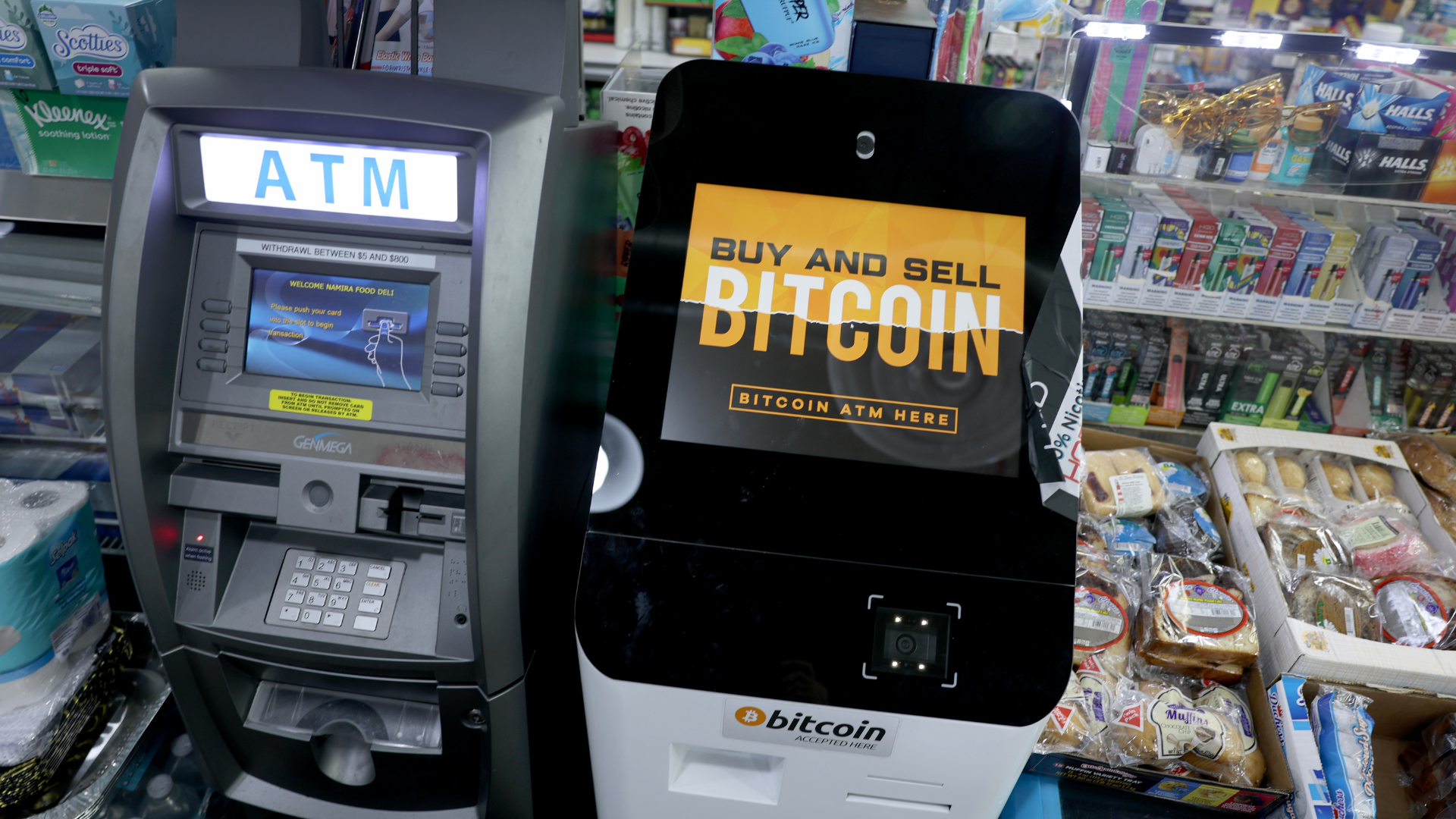
Governor Bill Lee of Tennessee just signed into law a bill that bans cryptocurrency ATMs in the state starting July 1, 2026. According to The Record, Tennessee would be the second state to impose a blanket ban on these machines after Indiana, with Minnesota working on another measure that would do the same. State governments have been acting against crypto ATMs amid FBI warnings that Americans lost $333 million to fraud that use these machines as a vehicle to steal from the victims.
While crypto ATM machines aren’t scams per se, some cybercriminals use them as a common way of transferring funds from their targets. Because this is relatively new technology, many victims think that they work similarly to banks, which can detect and prevent fraudulent transactions. Unfortunately, this is not the case, and money deposited into the ATM would often be difficult, if not impossible, to retrieve. As such, the report claims they've become the "payment portal of choice for scammers."
There has even been one incident when a county sheriff in Texas sawed open a Bitcoin Depot ATM and seized its contents after a victim deposited $25,000 into the machine. Despite the quick action, the affected person will not be able to retrieve the cash they put into the machine immediately, as it’s now evidence and must go through the legal system before they can get their money back.
Article continues below
Nevertheless, law enforcement officials have started to act against some crypto ATM operators. The U.S. Attorney General sued Athena Bitcoin, saying that 93% of the transactions on its machines were connected to fraud and scams, and that it was making money off “undisclosed fees on the backs of scam victims.” In its defense, Athena Bitcoin said that it has “strong safeguards against fraud, including transparent instructions, prominent warnings, and customer education.”
Apparently, these are not enough as crypto ATM scam victims have been rising annually. So, it seems that lawmakers across multiple states have started stepping in to protect their constituents. Cryptocurrency is decentralized by design, meaning it’s harder to place safeguards to protect the layperson who has no idea how it works. So, it seems that several states think that the best move at the moment is to just ban them altogether. While a few users might be inconvenienced by the removal of these machines, there are still many other ways that users can convert their cash into Bitcoin, Ethereum, and other cryptocurrencies.

Follow Tom's Hardware on Google News, or add us as a preferred source, to get our latest news, analysis, & reviews in your feeds.








 English (US) ·