
 1 hour ago
5
1 hour ago
5
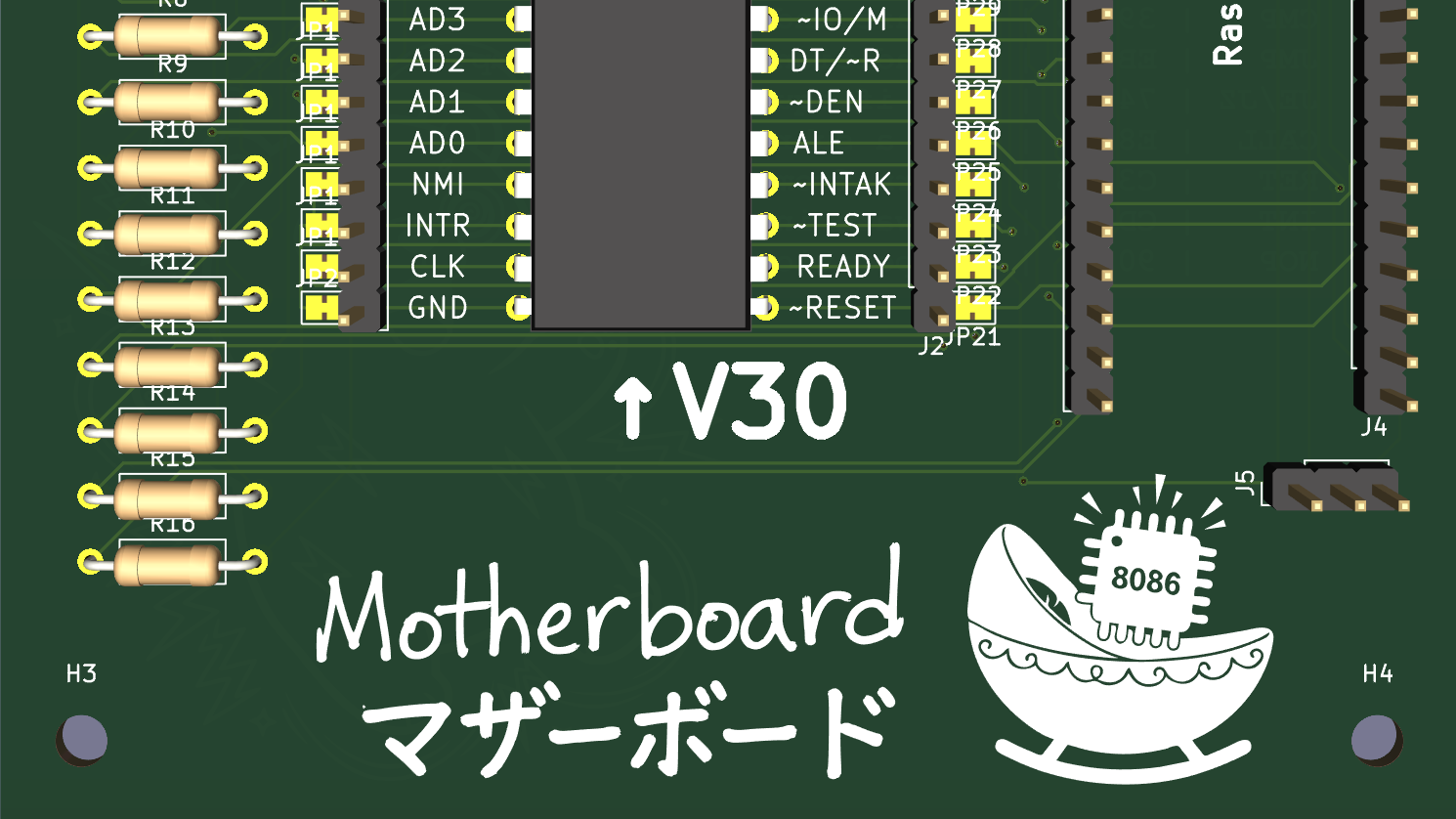
With generative AI being all the rage nowadays, it's not often you hear about it being used much outside of artwork and coding. Japanese tech blogger Ikejima bucked that trend when he realized he'd never built an x86 motherboard, and proceeded to enlist Google's Gemini to help him do exactly that.
The scope was simple: to design and implement a motherboard for an Intel 8086 CPU, the chip that spawned the x86 architecture back in 1987. This was Ikejima's second attempt, as he'd previously tried it with an Intel 8088 clone, a cheaper variant of the 8086. That previous attempt failed as the 8088 required 5 V power (while the accompanying hardware ran on 3.3 V), and didn't take kindly to being debugged due to clock timing headaches.
This time around, he used a V30 chip, an 8086 clone designed by NEC that was used in clone PCs back in the day. The part number is μPD70116, and apparently, they cost all of $2 at AliExpress, if you're wondering. Instead of designing an entire motherboard, Ikejima figured he could do everything he needed with a Raspberry Pi Pico RP2040 microcontroller and some simple circuitry, and called it a "cradle" instead of a motherboard, a fair term given the lack of proper I/O or device connectivity.
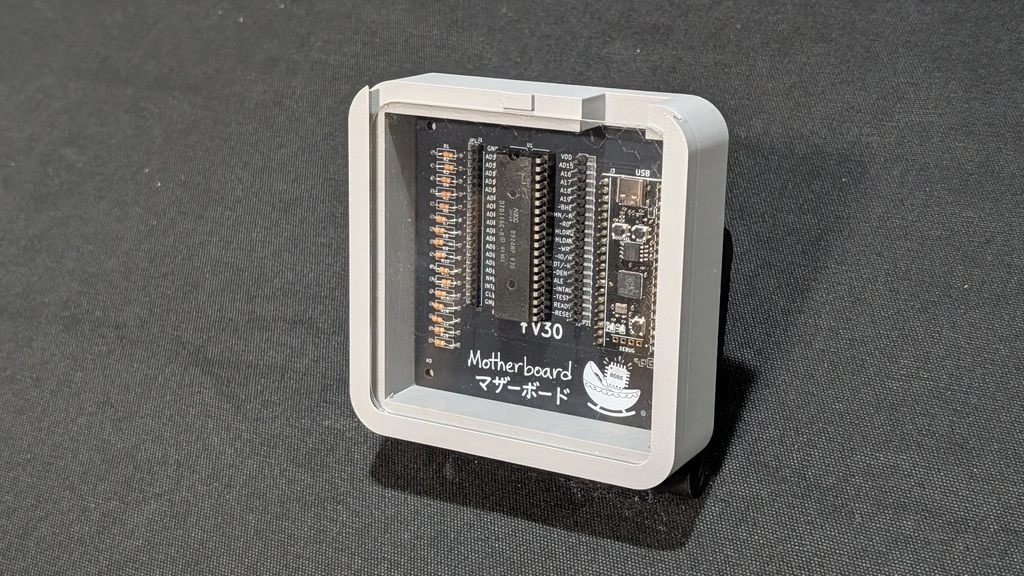
While he was at this, Ikejima had Gemini produce an assembler and disassembler so he could actually write and retrieve programs for the V30 in assembly language. He remarked that that kind of drudge work is a good fit for AI. After all the major steps were complete, he sent the PCB off for manufacturing, got it, put everything together... and absolutely nothing worked.
This is the moment where the AI bot started showing its limitations, as it suggested changes to the circuit, blissfully unaware of the material or time costs involved. Ikejima rolled up his sleeves and got out his logic analyzer, which promptly "went berserk" on connection. As it turns out, the 8086 design uses the same physical line for addresses and code, switching between them at each clock tick.
As operated, the circuit would produce a literal short that would thankfully trigger a USB port disconnection, so as not to set fire to the project and his home. Gemini didn't spot that otherwise-obvious design feature, with Ikejima remarking that "perhaps AI still struggles to read diagrams," and "maybe it's a bad idea to let AI control anything that can short a power supply."
Once he sorted that out with the control software, he came across another bug that should have been obvious: 8086 chips use one RAM chip for even bytes, and another for odd bytes. After a handful of fixes, Ikejima finally got the CPU to work and execute code. He then figured he wanted to run actual software on it, and settled on getting MS-DOS' COMMAND.COM.
That effort proved more than he had considered, as COMMAND.COM rewrites itself in memory, and requires some interfacing to an actual BIOS and I/O — while all he effectively had was a CPU socket and some memory. After more research, he settled on using HI-DOS on the cradle side to be able to have a BIOS, and eventually booted HIDOS MS-DOS, albeit with some limitations, like the lack of writeable storage and the limited amount of memory.
Even still, he did manage to run some simple programs, culminating in what's effectively a pretty impressive demonstration of what's possible when you couple human logic and reasoning with the massive helping hand of an AI bot. Do read the entire adventure at Ikejiima's blog.

Follow Tom's Hardware on Google News, or add us as a preferred source, to get our latest news, analysis, & reviews in your feeds.








 English (US) ·