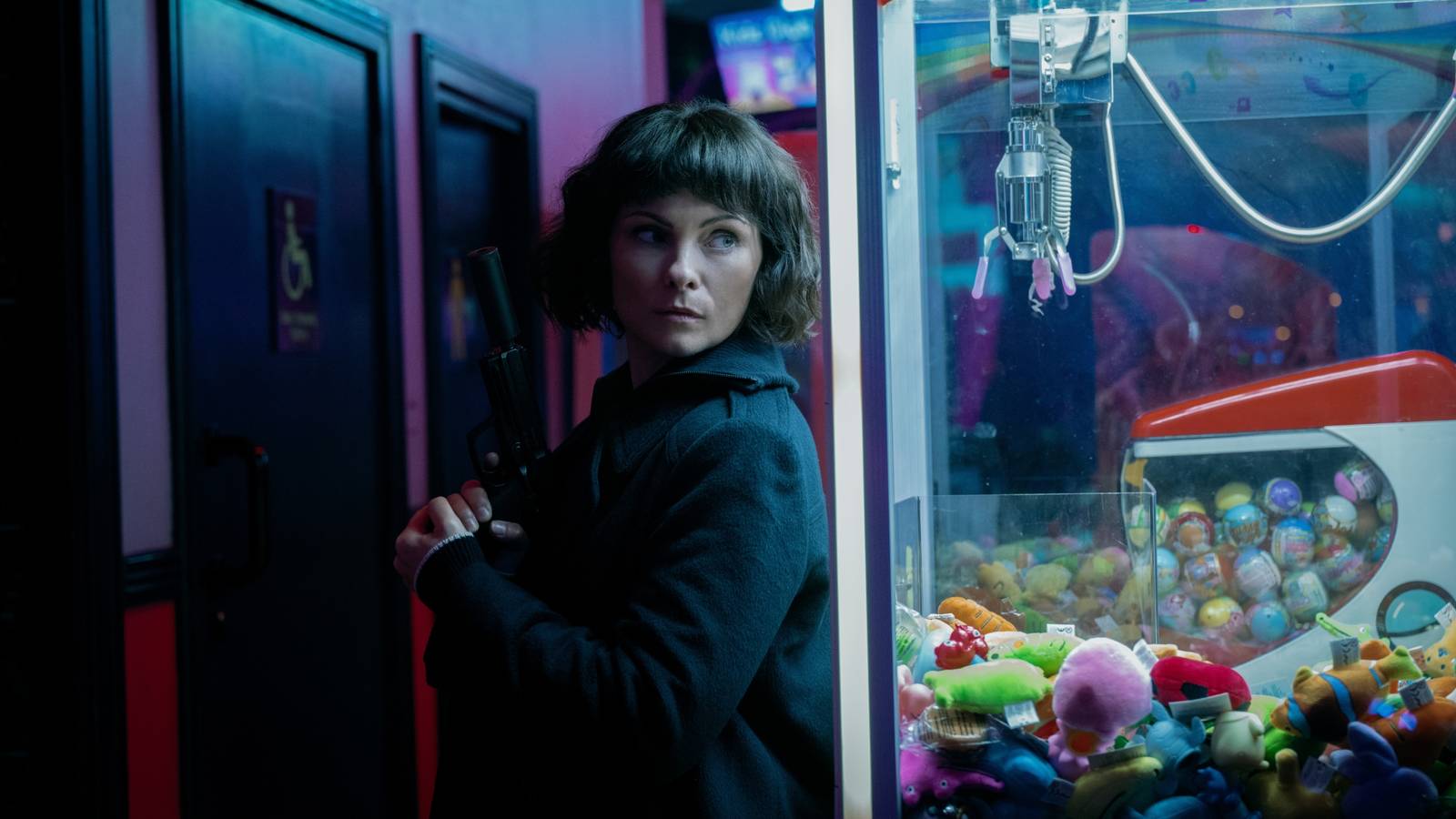
Cowboy Bebop follows a group of bounty hunters with fascinating and mysterious backstories as they chase criminals across the solar system, and the show's slow-burn tone set it apart from more cartoonish sci-fi series. The show lasted for just one season, but it made an impact, and people who missed Cowboy Bebop would find a spiritual successor 17 years later, with Syfy's Killjoys, which is a criminally underrated sci-fi series that follows the same premise. The show is so close to Cowboy Bebop in terms of theme that it is a better interpretation than Netflix's own ill-fated live-action version.
Syfy's Killjoys Is A Better Live-Action Cowboy Bebop Than Netflix's Actual Live-Action Cowboy Bebop
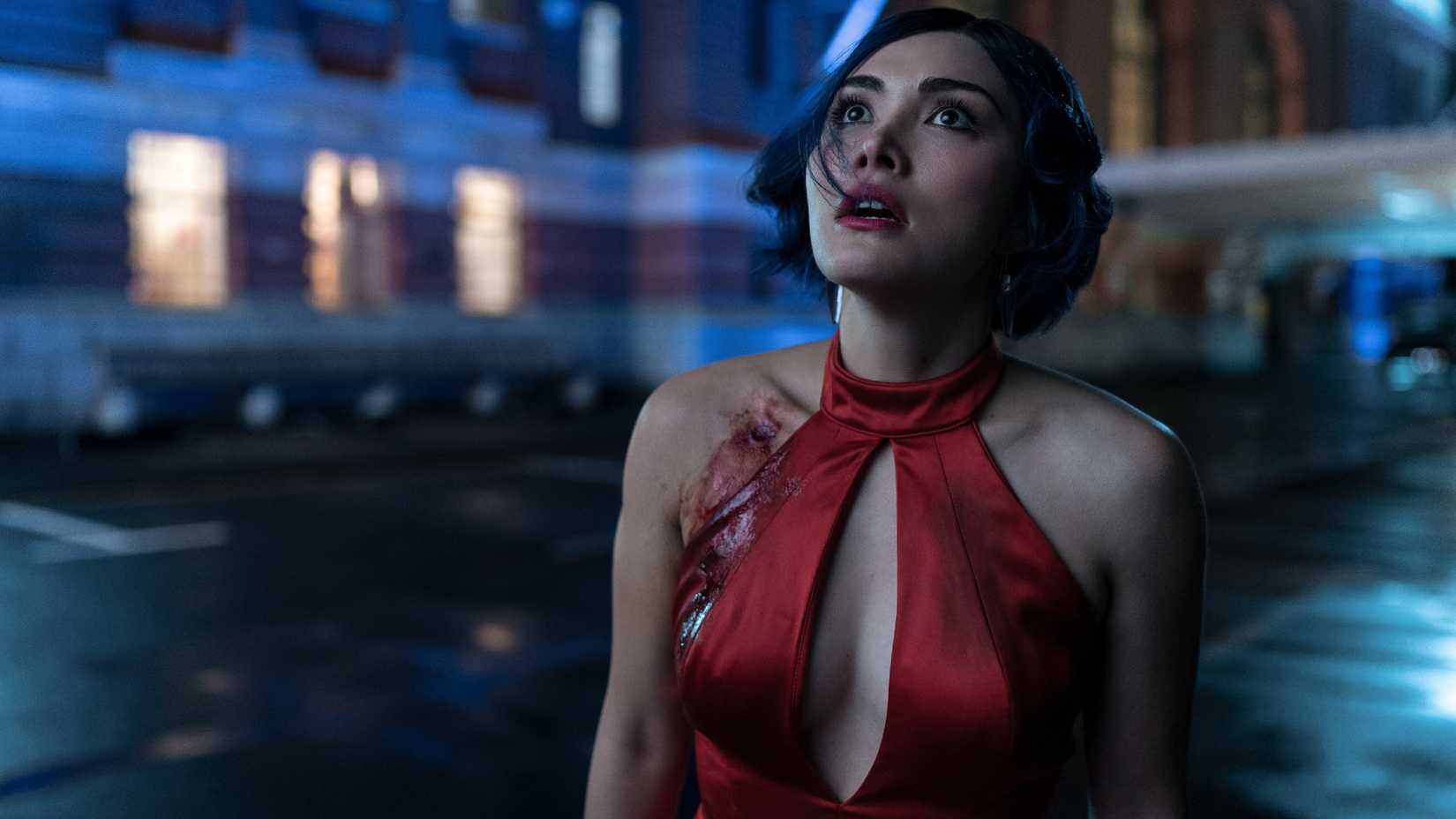
With a perfect anime to live up to, the live-action Cowboy Bebop was already facing a significant challenge, and even with the original anime series' director, Shinichirō Watanabe, on board as creative director, Netflix's adaptation struggled to meet it. The live-action series failed to capture the film-noir atmosphere of the anime, and reduced the subtlety in the dialogue to witty quips that worked perfectly for a show like Firefly but did not work with Cowboy Bebop. Viewership dropped dramatically and reviews were mixed, leaving the series with 45% and 60% Rotten Tomatoes scores from critics and audiences, respectively.
Comparing Killjoys to Cowboy Bebop
|
Title
|
Year
|
Seasons
|
Rotten Tomatoes critics' rating
|
Rotten Tomatoes audience rating
|
|
Killjoys
|
2015
|
5
|
95%
|
90%
|
|
Cowboy Bebop
|
2021
|
1
|
45%
|
60%
|
Instead of Netflix's adaptation, fans of the original anime should look no further than Killjoys for a better live-action version of Cowboy Bebop. Netflix's Cowboy Bebop totally missed the mark, while Killjoys picks up the anime's deeper themes and runs with them, destroying the live-action flop through complexity and attention to character development. Both the anime and Killjoys feature heavy social commentary about class discrimination and powerful corporations, while Killjoys allows its central characters the multifaceted arcs that the live-action Cowboy Bebop did not include.
Netflix's Cowboy Bebop might be visually distinctive, but part of the anime's appeal was the multifaceted and morally-gray characters, who were all dealing with dark backstories. It is understandable that Killjoys is often compared to Firefly, with some of the central characters having clear counterparts, but the series is often much more disturbing, including child assassins, human experiments by the government, and domestic abuse. This makes Killjoys much closer to what Cowboy Bebop should have been, while still remaining its own show.
Killjoys Remains One Of The Sci-Fi Genre's Most Underrated Shows
Despite its impressive Rotten Tomatoes scores and overwhelmingly positive reviews, Killjoys is a near-perfect sci-fi TV show that nobody remembers. The series did not pick up an instant fanbase and changed over time from a lighthearted space opera to a much more serious drama, and while this might have made the show into a sleeper hit if released today, it remained largely undiscovered at the time. Genre and tone changes like this have since been appreciated in shows like The Expanse and Lost, but Killjoys was ahead of its time in this respect.
One of the show's greatest strengths also worked against it, with Killjoys being allowed to end on its own terms after five seasons. This meant that, unlike The Expanse and similar sci-fi shows that were canceled far too soon, there was no immediate fan rallying and campaign to raise the show's profile in hope of getting more seasons. Instead, Killjoys was quietly allowed to tell its story, leaving it to become one of the most underrated TV shows in the space Western genre and a worthy spiritual successor to Cowboy Bebop.
Release Date
2015 - 2019-00-00
Directors
Stefan Pleszczynski, Paolo Barzman, Peter Stebbings, Chris Grismer, Samir Rehem, Andy Mikita, April Mullen, James Genn, Martin Wood, Ruba Nadda, Jeff Renfroe, Grant Harvey, Ken Girotti, Michael Marshall, Michael Nankin, Stephanie Morgenstern
Writers
M. A. Lovretta, Adam Barken, Jeremy Boxen, Nikolijne Troubetzkoy, Julie Puckrin, emily andras, Jon Cooksey, Sean Reycraft, Aaron Martin, Vivian Lin





 English (US) ·