
There are tons of Stephen King adaptations at this point, and they vary a lot in quality. Some are dull, and others are outright silly, but the good ones pull you from the start. In just a few minutes, these scenes introduce the characters, set the tone, and plant the seeds of dread that will grow throughout the story.
Sometimes, the opening establishes quiet normalcy before horror intrudes; other times, it reveals an event so disturbing and malicious that it's wild to think it's merely foreshadowing the nightmare to come. The titles below understand that terror works best when it feels earned, and it all starts in those first five minutes.
'The Mist' (2007)
 Image via Weinstein Company
"I don’t think we should go out there." Although The Mist is most famous for its ending, one of the most brutal in modern horror, the beginning is pretty solid, too, precisely because it provides such a counterpoint to everything that will follow. We begin not with monsters or chaos, but with a peaceful lakeside home, a married couple, and their young son weathering a violent storm. In particular, the scene lingers on David (Thomas Jane) at work in his studio. This sequence introduces us to the main characters, then hits us with the inciting incident: the father and son see an unnatural fog rolling in.
In other words, the opening establishes a sense of normalcy and domestic calm and makes the protagonists feel like real people, only to soon shatter all this entirely. When the mist eventually arrives, and the creatures within it are revealed, the horror feels far more shocking because it intrudes upon a world that initially seemed safe.
'Pet Sematary' (1989)
 Image via Paramount Pictures
"Sometimes, dead is better." The first five minutes of Pet Sematary are incredibly economical, bringing together many elements that will go on to define the story. The Creed family arrives at their new rural home in Maine. Dr. Louis Creed (Dale Midkiff), his wife Rachel (Denise Crosby), and their two young children explore the property and settle into their surroundings. However, there's a subtle sense of unease to everything. Most of all, the house sits beside a busy rural highway where enormous trucks roar past at frightening speeds. The sound of the cars becomes a recurring motif in the movie.
The audience also sees the nearby path that leads through the woods toward the mysterious "pet sematary," a burial ground created by local children for their dead animals. The presence of this place hints immediately that death, and humanity’s desire to resist it, will play a central role in the story. In other words, this opening telegraphs future plot developments and already starts hinting at the film's themes.
'Cujo' (1983)
 Image via Warner Bros.
"Cujo was a good dog." The beginning of Cujo is similar to The Mist in that it's deliberately low-key and normal, in order to amplify the coming terror. It shows Cujo, a large and friendly Saint Bernard, happily roaming the countryside and chasing a rabbit across a rural field. The rabbit disappears into a burrow in the ground, and the dog, curious, sticks his head inside... and is suddenly attacked by a swarm of bats. One of the bats bites him on the nose before he pulls away.
The moment is brief and easy to miss, but it is crucial: the bat is infected with rabies, and this bite sets the entire tragedy of the film in motion. The sequence works because it's simple and understated rather than melodramatic. It shows the origin of the disaster in a quiet, almost accidental moment rather than some evil scheme or plot. Cujo himself is not introduced as a monster but as a normal pet who becomes a victim of circumstance.
'Doctor Sleep' (2019)
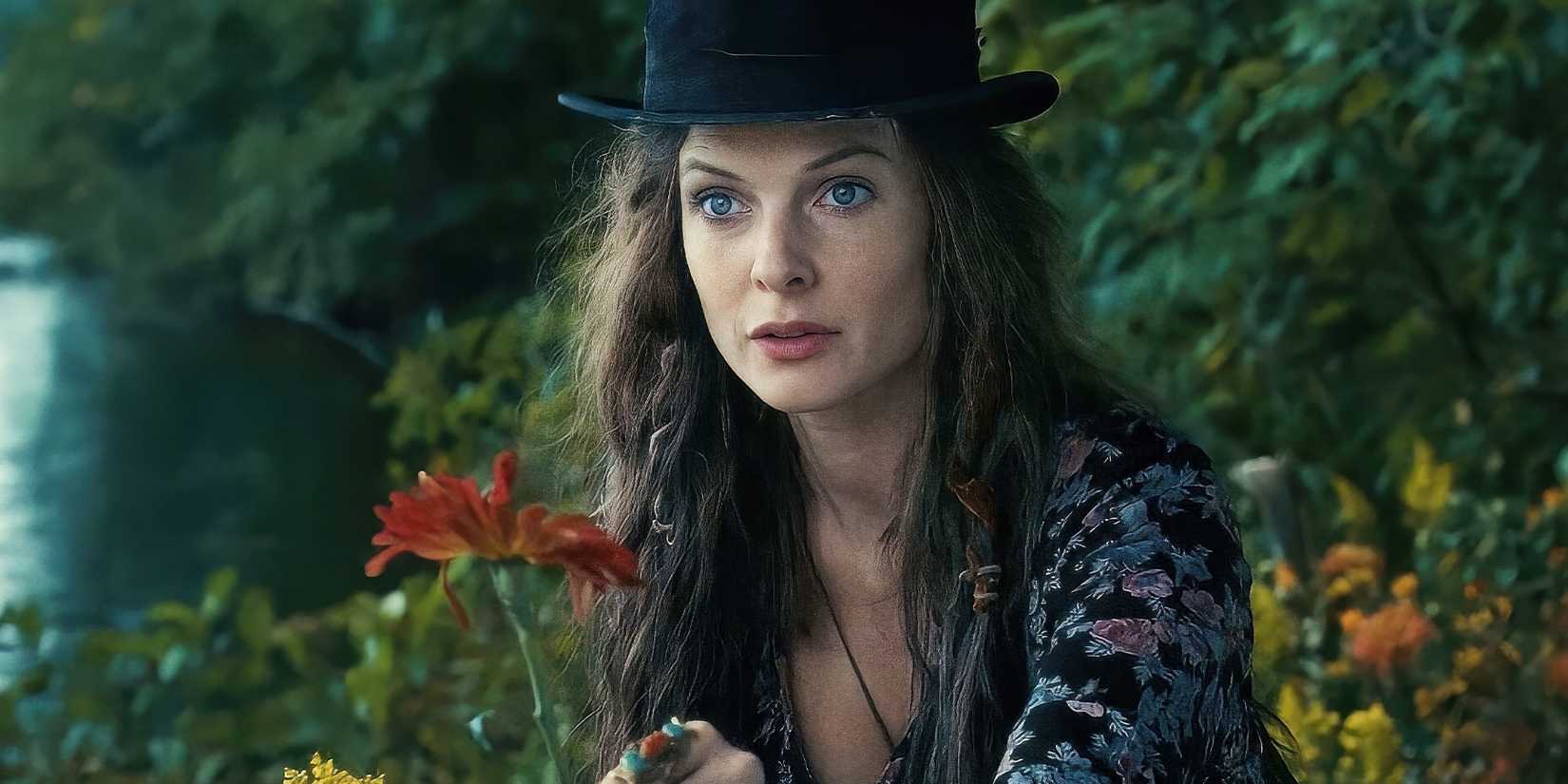 Image via Warner Bros. Pictures
"Violence is a tool." Coming up with a sequel to a classic is always risky, but King and Mike Flanagan knocked it out of the park with Doctor Sleep, the follow-up to The Shining. The opening shows the sinister Rose the Hat (Rebecca Ferguson) stalking a young girl in a forest before immediately reconnecting the audience with the aftermath of the first story, showing how the events at the Overlook Hotel continue to haunt young Danny Torrance. The film begins shortly after Danny and his mother escape the Overlook. Danny, now a child living in a modest apartment with Wendy Torrance, is still deeply traumatized by what happened.
Although he has left the hotel behind physically, the ghosts have followed him. One night, the terrifying woman from Room 237 even appears in their apartment bathroom. But so does the spirit of Danny's old mentor Dick Hallorann (Carl Lumbly), offering advice. The sequence thus establishes Doctor Sleep's central idea: that Danny’s supernatural ability is both a gift and a burden.
'Christine' (1983)
 Image via Columbia Pictures
"Show me." Christine is a very odd but still enjoyable movie, representing the creative team-up of King and John Carpenter. Basically, it's about an evil sentient car, though it spins that wacky premise into a surprisingly interesting genre flick. The movie opens in 1957 inside a Detroit automobile factory where brand-new cars are rolling off the assembly line. Workers inspect the vehicles as they move down the line, including a shiny red 1958 Plymouth Fury.
At first, things seem fine, but then grim events begin to take place, already suggesting that darkness follows the car. One work accidentally cuts his hand, then the radio turns on by itself and, moments later, the seat mysteriously moves forward and crushes the worker against the steering wheel, killing him. That sounds ridiculous, almost like comedy-horror, but the movie manages to make the scene pretty creepy. It's mysterious and menacing, and also conveys a lot about the car's personality, weird as that sounds.
'Misery' (1990)
 Image via Columbia Pictures
"I’m your number one fan." Misery is one of the very best King adaptations, with Rob Reiner turning a great novel into a delectably tense film. It opens with novelist Paul Sheldon (James Caan) alone in a quiet mountain lodge in Colorado. He has just finished writing the manuscript for his latest novel. But after he leaves and drives along the snowy mountain roads, a fierce winter storm suddenly worsens. Visibility drops, the road becomes dangerously slick, and Paul’s car eventually skids out of control and crashes down an embankment.
However, the crash is soon to be the least of his worries, as he will be rescued by his obsessed fan Annie Wilkes (Kathy Bates), who will hold him torment him and hold him prisoner. While not necessarily wildly inventive, this opening sequence tells us a lot about the main character and wastes no time in kicking the story into gear. Within minutes, we're invested in the story.
'1408' (2007)
 Image via Metro-Goldwyn-Mayer
"It’s an evil room." John Cusack carries much of this one single-handedly as Mike Enslin, a cynical writer who debunks haunted locations for a living. In the first scene, he stays in a supposedly haunted room but finds it boring and uneventful. He then receives an ominous postcard warning him about the Dolphin Hotel's Room 1408. He leaves to go there, not expecting much. This opening establishes the routines of Mike's life: another hotel, another fake scare, another dismissive assessment. The rest of the movie will then wildly defy all his expectations.
The broader plot traps Enslin inside a room that warps time, space, and memory, but the opening frames this setup as a philosophical confrontation rather than a ghost story. Mike is not a believer in the paranormal; he treats hauntings as marketing gimmicks or folklore. By showing his skepticism early, the prologue sets up a strong contrast with the terrifying events he will soon experience and the psychological toll they will take on him.
'The Dead Zone' (1983)

Image via Paramount Pictures
"The ice is gonna break!" Here, we get David Cronenberg adapting King with Christopher Walken at the helm. He plays Johnny Smith as a kind, intelligent man with a promising future, deeply in love and full of plans. The tone of the first five minutes is gentle, almost nostalgic, playing like something out of a tender romantic drama, not a thriller. Then comes the accident that changes everything, leaving him in a coma. When he wakes up, five years have passed, his girlfriend has married someone else, and Johnny has gained strange psychic abilities.
The opening is perfect because it frames the film as a tragedy first and a supernatural thriller second. The audience mourns the life Johnny could have had before the story even begins. These scenes also show that Johnny is basically a normal guy with a good heart, making the moral dilemma he will soon wrestle with even more powerful.
'The Shining' (1980)
.jpg?q=49&fit=crop&w=825&dpr=2) Image via Warner Bros.
Image via Warner Bros."Here’s Johnny!" The opening of The Shining is one of the most iconic mood pieces in horror history. An aerial shot follows a car winding through vast, ominous mountain roads, accompanied by an unsettling score that immediately suggests doom. The enormous landscapes make Jack Torrance's (Jack Nicholson) car look tiny and vulnerable. Before a single character speaks, the film has established scale, isolation, and inevitability. Things only amp up from here, with Jack soon learning that the hotel's previous caretaker killed his entire family and then himself.
These first few minutes very much showcase Stanley Kubrick's directorial skill. The camera prowls and glides unnaturally, while the shots themselves use symmetry, careful composition, and one-point perspective to amplify the unease. Possibly the most critical element is the eerie, ominous music, a Moog synthesizer reinterpretation of the "Dies Irae" (meaning "Day of Wrath"), a 13th-century funeral chant. Subtly spooky stuff.
'Carrie' (1976)
 Image via United Artists
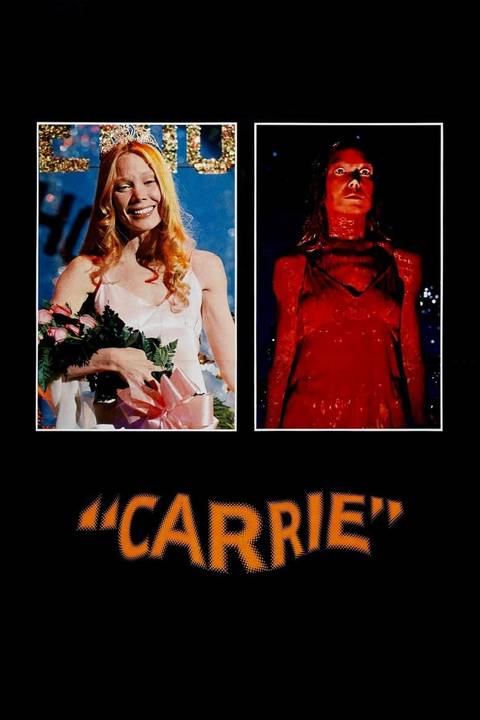
"They’re all gonna laugh at you!" Of all the screen versions of Carrie, Brian De Palma's original remains the best. It starts inside a high school girls’ locker room after gym class. Among the students is Carrie White (Sissy Spacek), a painfully shy and socially isolated girl who suddenly gets her first period but has no idea what is happening to her. She begs the other girls for help, but they merely mock and humiliate her. In the midst of Carrie’s panic, something strange occurs: a light bulb suddenly shatters above the locker room mirror.
This scene is remarkable from a storytelling standpoint, containing the whole movie in microcosm. It communicates Carrie's loneliness and the callousness of the girls who bully her. The fact that she does not know what a period is also hints at her mother's religious fanaticism and abusive parenting. Finally, the exploding lightbulb provides the first taste of Carrie's telekinetic powers, which will eventually unleash fiery retribution on her tormentors.
Carrie
Release Date November 3, 1976






 English (US) ·