


Published Feb 8, 2026, 1:00 PM EST
Zach Moser is a Philadelphia native who loves films, television, books, and any and all media he can get his hands on. Zach has had articles published on satirical sites such as Points In Case, Slackjaw, and McSweeney's.
HBO's Station Eleven shows HBO's other sci-fi phenomenon, The Last of Us, how to do a truly memorable post-apocalyptic TV show. Based on Emily St. John Mandel's 2014 novel of the same name, Station Eleven is set in a world that has been ravaged by a flu pandemic that effectively collapsed society.
Picking up the broken pieces, the survivors trudge on, keeping hold of the few things they remember from before their old lives ended. Apocalyptic fiction has always been a popular sub-genre of sci-fi, and in the past couple of years, shows like The Last of Us have prestige-ified the apocalypse, but Station Eleven puts them all to shame.
Station Eleven Shows A Hopeful Version Of A Post-Apocalyptic World
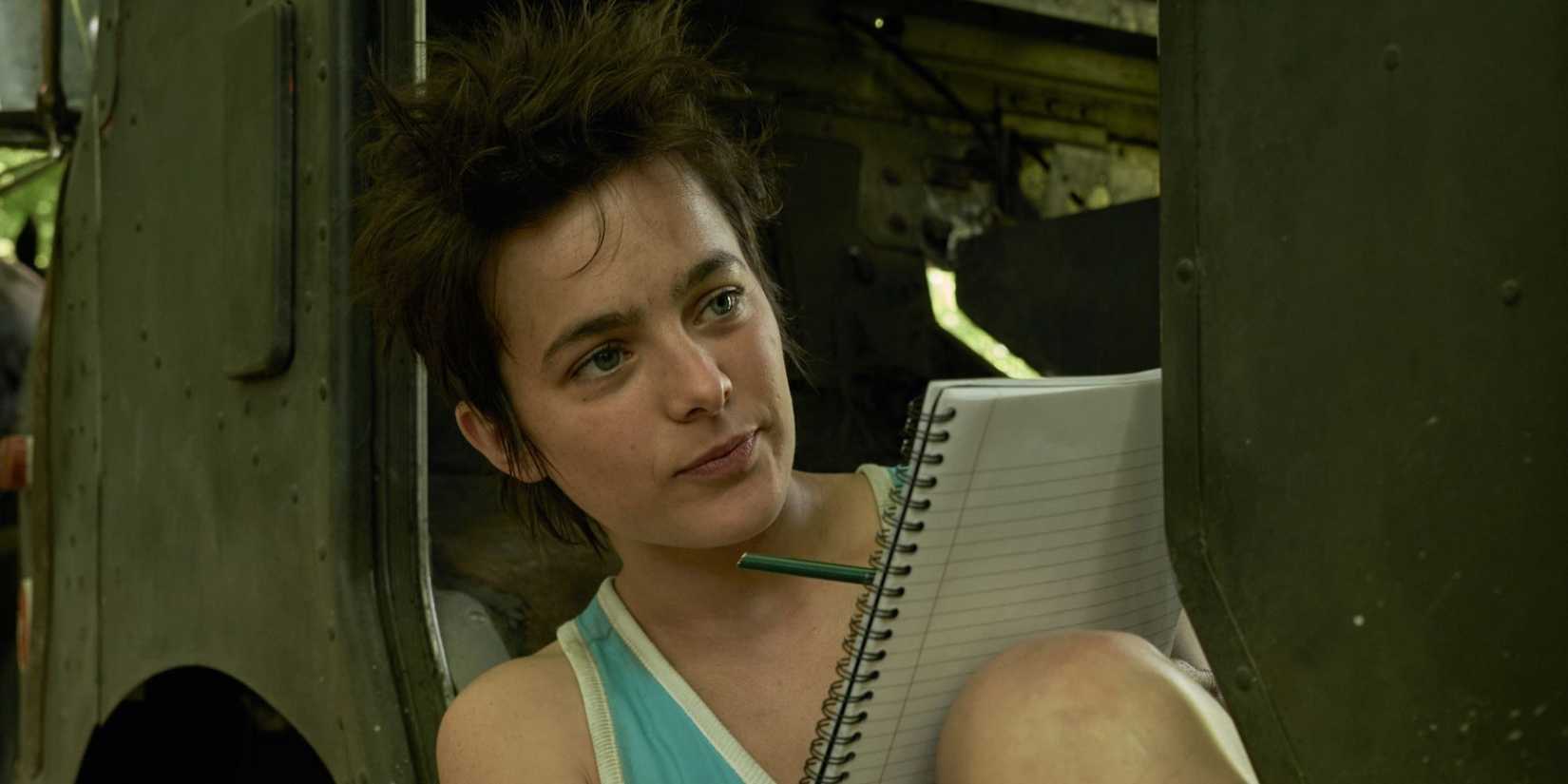
Station Eleven's vision of a post-apocalyptic world is a hopeful one. Yes, there has been tremendous loss, and there are bad actors, like a sect of brainwashed children and gangs, but the children are a one-off group, and the gang is more like a handful of bandits, easily dispatched.
In Station Eleven's post-apocalyptic world, society has reemerged. People still have the time and desire for Shakespeare, doctors can travel unimpeded, there are towns devoted to helping people give birth, and even the isolated societies are strict rather than tyrannical. Station Eleven offers a vision of the world where you can see why humanity would want to go on.
Most Post-Apocalyptic Sci-Fi TV Shows Are Overly Cynical
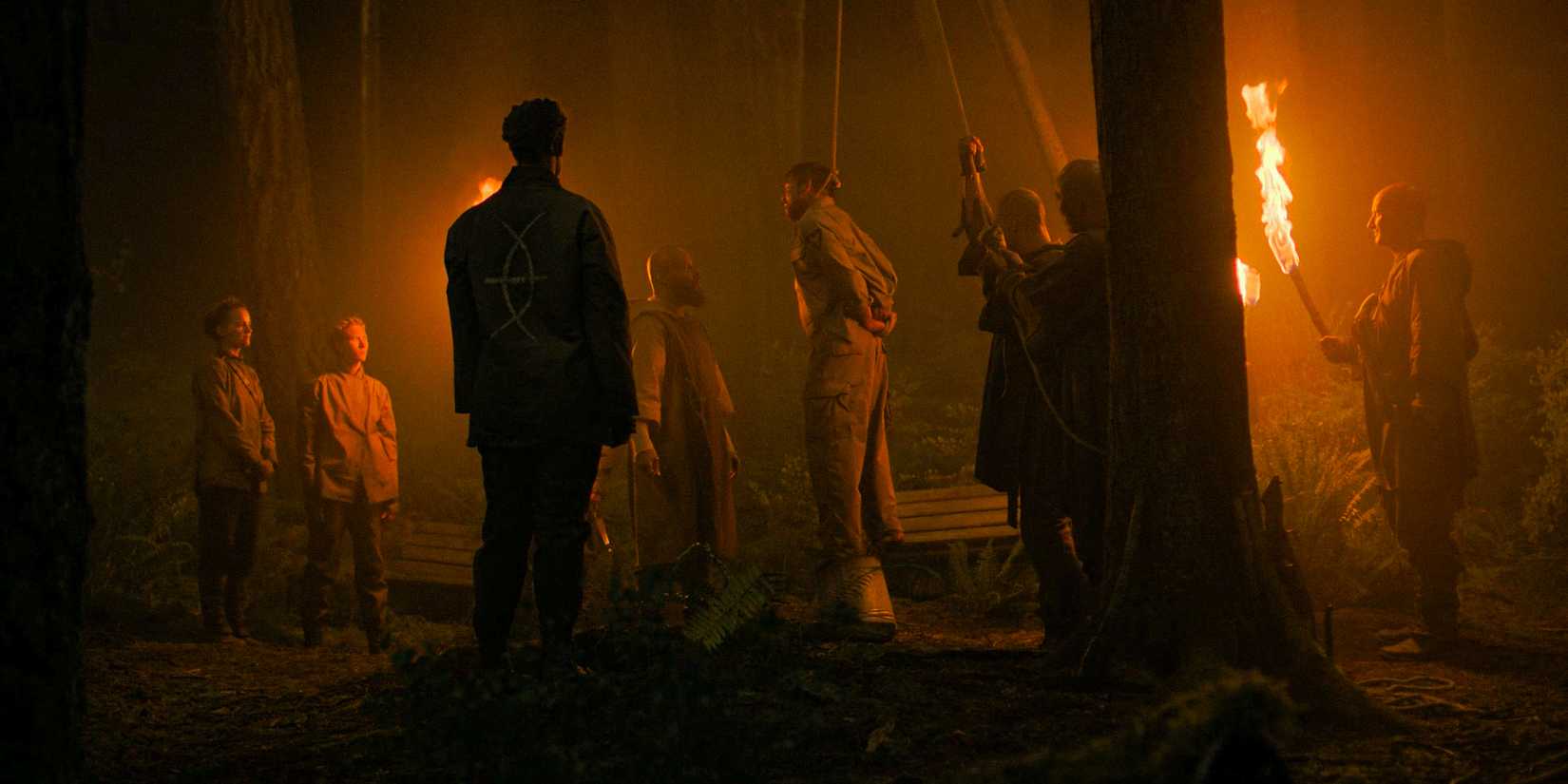
Image via Max
Most post-apocalyptic television is overly cynical. It's not always unwarranted. Station Eleven does not have speedy, fungi monsters at every turn, like The Last of Us. Society is probably a bit calmer in a world where you don't have to worry about which patch of moss you place your foot on.
However, in many of these post-apocalyptic TV shows, the cynicism becomes ridiculously over-the-top. A world where society collapses would certainly be a dangerous one, but that doesn't mean things would instantly become Mad Max. Humans are hardy; it feels more likely we'd stagger along as we always have, finding little pockets of beauty along the way.
Station Eleven's Hopeful Message Makes It A One-of-a-Kind Show

Station Eleven's message of hope makes it a standout among not just post-apocalyptic fiction, but all science fiction. Every single person in Station Eleven has a point. A cult leader believes in his mission, the arrogant head of a community wants people to be safe, a home invader is desperate for safety.
Everyone in Station Eleven is human, and that's hopeful. A lot of post-apocalyptic fiction removes the humanity to create hateable villains that you won't mind seeing brought low. Otherwise, as Station Eleven suggests, if you peel back the layers on a villain, you might find something that you can't help but relate to.

Release Date 2021 - 2022-00-00
Network HBO Max
Directors Hiro Murai, Helen Shaver, Jeremy Podeswa, Lucy Tcherniak
Writers Sarah McCarron, Kim Steele, Cord Jefferson
-

Mackenzie Davis
Kirsten Raymonde
-

Himesh Patel
Jeevan Chaudhary






 English (US) ·