
Serving tech enthusiasts for over 25 years.
TechSpot means tech analysis and advice you can trust.
First look: Sony appears to have quietly updated the PlayStation 5 Slim with a revised motherboard that changes how the console handles cooling, certain components and basic repairs. A repair technician identified the new board after opening a PS5 Slim from the Wolverine Limited Edition bundle. The internal revisions point to a routine but meaningful effort by Sony to refine the system's reliability, manufacturing costs and serviceability, with no apparent change to performance.
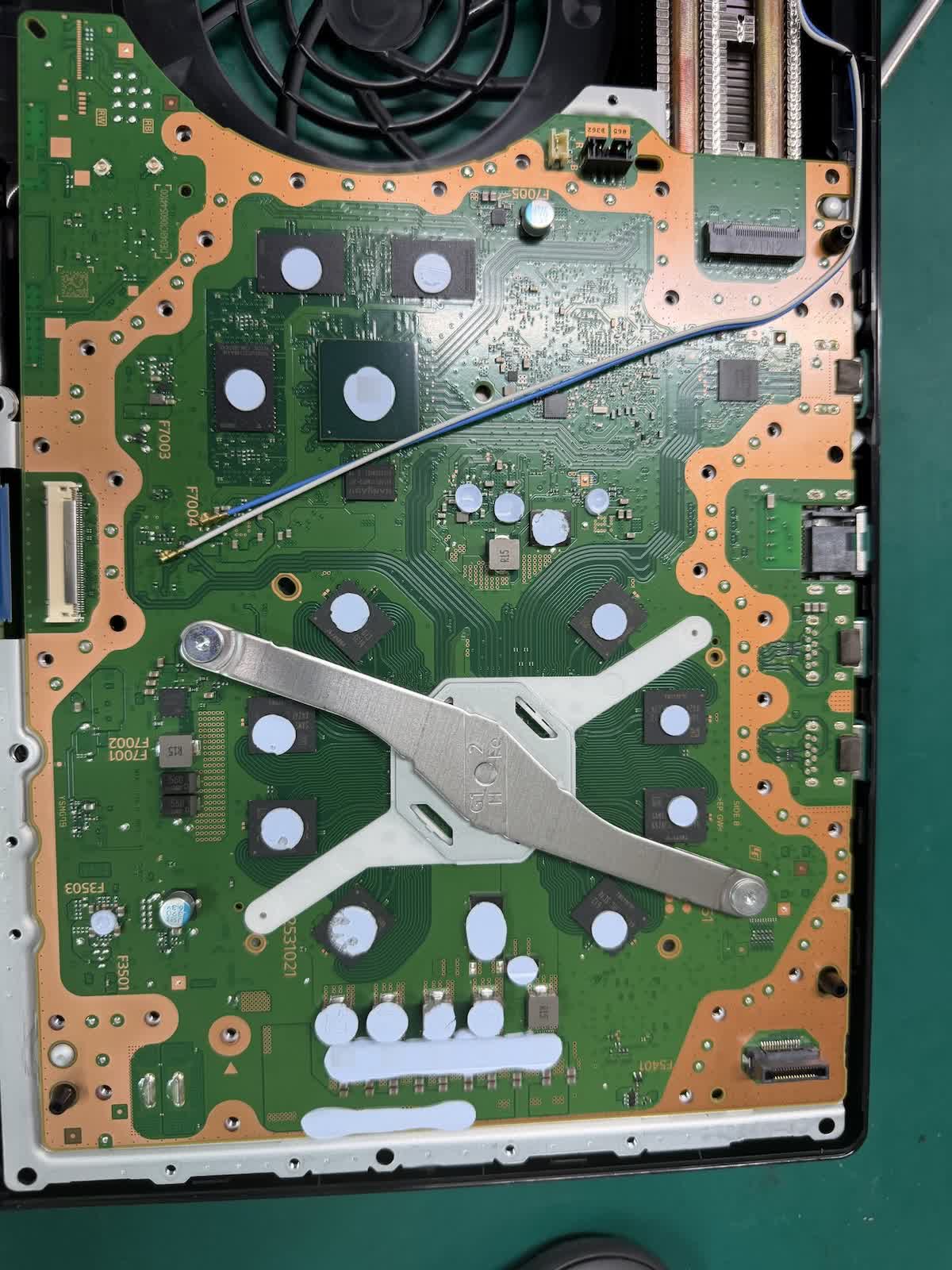
The board, labeled EDM-051, was identified by technician @Modyfikator89 inside a PS5 Slim from the Marvel's Wolverine Limited Edition Bundle. Sony has not announced the change, and it is unclear how widely the revised board has been released. But the teardown reveals several differences from earlier Slim models, including changes to the liquid-metal cooling system, the heatsink, the HDMI hardware and the placement of the CMOS battery.
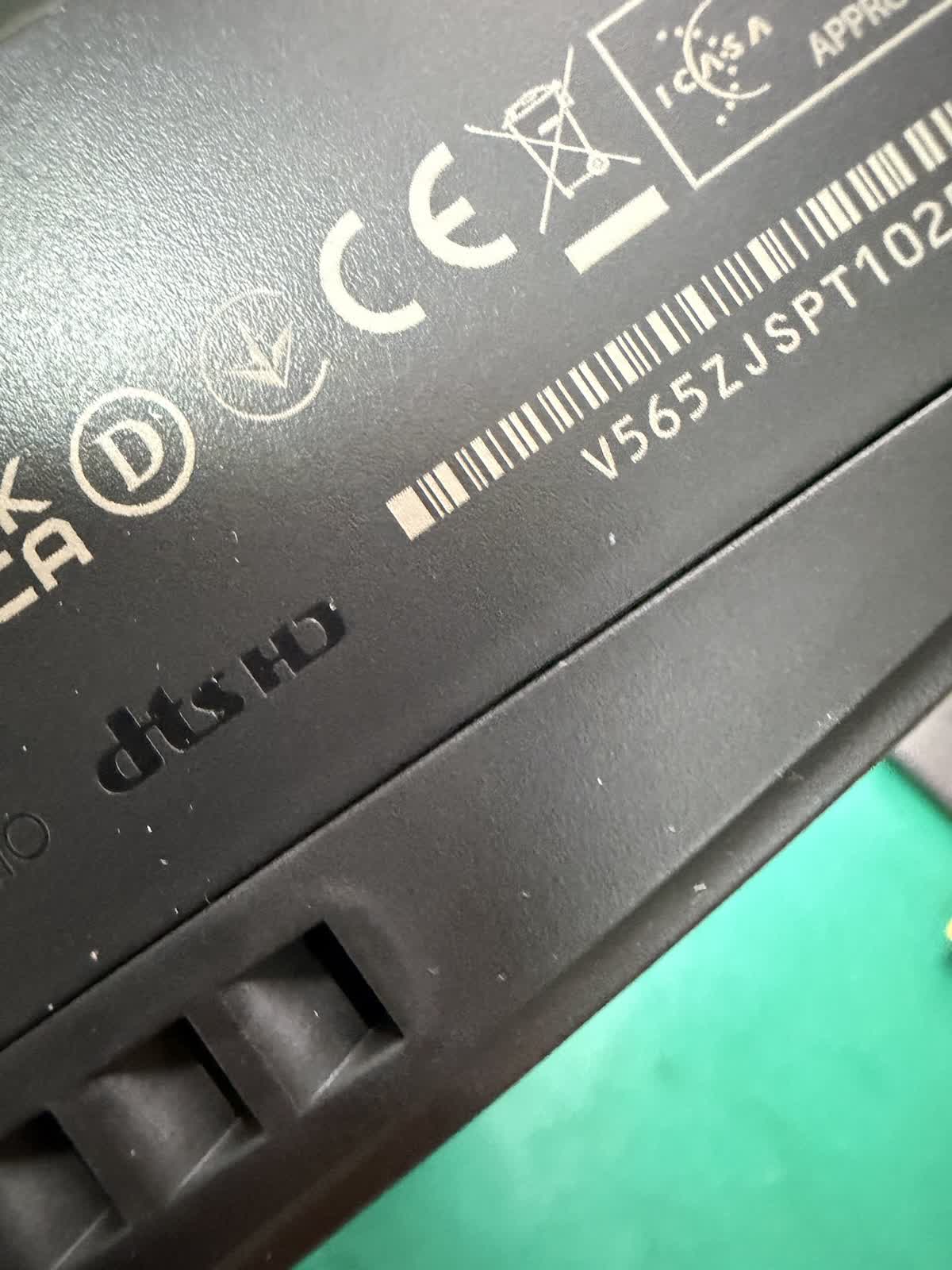
The most notable change is around the PS5's custom AMD APU. Sony still uses liquid metal between the processor and the heatsink. Liquid metal transfers heat more effectively than standard thermal paste, but it must be contained carefully: because it is electrically conductive, any that escapes the intended area could cause problems if it reaches nearby components.
– modyfikatorcasper (@Modyfikator89) September 30, 2026The EDM-051 board uses a redesigned barrier around the processor. According to the teardown photos, less liquid metal is exposed. The revised frame appears intended to keep the material contained around the APU and prevent it from spreading beyond the contact area.
Sony has used liquid metal in the PS5 since the system launched, so this is not a new cooling approach. The revision appears to be an effort to make the design more secure and easier to manufacture consistently, and it could also help preserve contact between the APU and heatsink over time. But there is no independent testing yet showing that the new board lowers temperatures or reduces fan noise, so it is too early to make claims about real-world thermal performance.
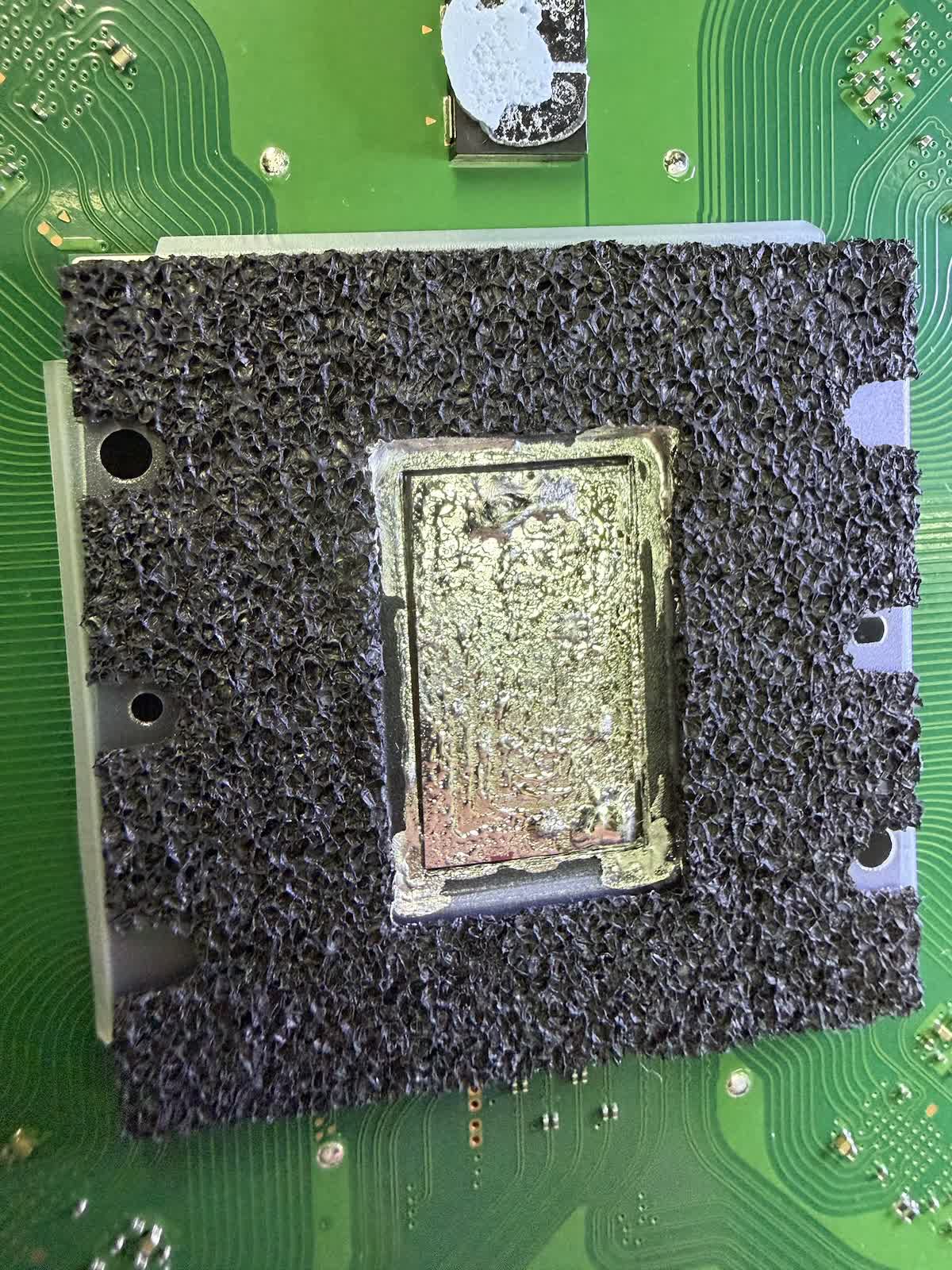
The heatsink has also been revised. Photos indicate that Sony has changed its construction and possibly some of the materials used. Sony made related cooling changes in the PS5 Pro, and the Slim revision may reflect some of the same engineering work.
Manufacturers often alter heatsinks during a console's lifespan to reduce costs, simplify assembly or improve thermal behavior without changing the product's advertised specifications.
The new board also reportedly uses a less expensive HDMI retimer chip. That component helps maintain the quality of the high-speed signal sent through the HDMI port, and it is particularly relevant for higher-bandwidth display modes. A cheaper chip does not necessarily mean reduced display capability, but it suggests Sony is continuing to look for ways to lower production costs as the PS5 Slim matures.
Another practical change involves the CMOS battery. Sony has moved it to a more accessible location, similar to the arrangement used in the PS5 Pro. The battery supports certain internal settings and timekeeping functions. On earlier PS5 Slim hardware, replacing it could require substantial disassembly. The new position should make that work easier for repair technicians and for owners who are comfortable opening their consoles.
The revised PS5 Slim is unlikely to offer any advantage in terms of gaming performance or any new software features. The changes are internal and largely concern manufacturing, cooling and maintenance.
For now, the EDM-051 is documented in only one teardown. More examples will be needed to determine whether Sony is using the board in all new PS5 Slim units or only in selected production runs and bundles.







 English (US) ·