
 3 weeks ago
40
3 weeks ago
40
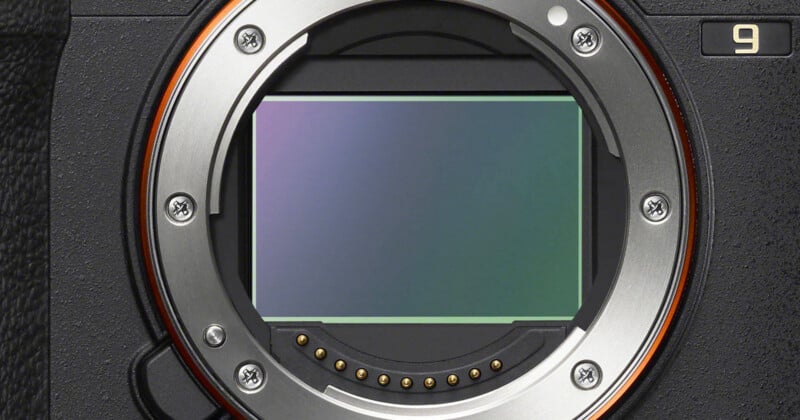
Sony Group and chip giant Taiwan Semiconductor Manufacturing Co. (TSMC) are planning to begin mass production of next-generation image sensors in southwestern Japan as soon as 2029, per Nikkei Asia.
Nikkei Asia reports that Sony and TSMC are going to jointly invest $6.3 billion on the production efforts, which Sony will own 60 percent of, with TSMC handling the other 40 percent. That is a huge sum, representing approximately three times the total profit that Sony’s image sensor business delivered last fiscal year, a particularly strong showing for the company.
While news of this joint venture is not new, PetaPixel reported it in May, there is some new information in Nikkei‘s reporting.
In May, the companies had reached only a basic agreement, and now more details are coming into clearer focus. One of the biggest pieces of new news is that Sony and TSMC’s joint venture is “expected to supply high-performance camera sensors for Apple’s iPhone.”
While it may not seem like interesting news that Sony could supply image sensors for future iPhone models, as the company has sold Apple image sensors for years, it runs counter to some reports from last year.
Apple and Samsung announced a US-based facility to create “innovative new technology for making, chips” last year, including rumored triple-layer image sensors for iPhone.
It’s possible that Apple will use image sensors it jointly develops with Samsung and sensors made by Sony and TSMC at the same time, either for different camera modules in the same iPhone model or for different phones in Apple’s lineup, but it is interesting that Nikkei specifically referred to camera sensors for iPhone in its new report. It is not especially unusual for smartphones to incorporate sensors from different makers for different cameras.
Sony is a huge image sensor supplier, too. The Imaging & Sensing Solutions (I&SS) segment is highly profitable and Sony holds over half the global CMOS image sensor market. Sony’s new strategic partnership with TSMC is designed to help Sony maintain this massive lead in the image sensor space, as Sony alluded to in May.
“Building on the trust cultivated through our long-standing collaboration with TSMC, I am delighted that we have reached an agreement to advance our partnership to a new stage,” Shinji Sashida, President and CEO of Sony Semiconductor Solutions Corporation, said in May.
“This [joint venture] is a significant initiative that brings together the strengths of both companies and aims to drive further advancement in technology and business within the next-generation image sensor field. Building on this JV, Sony intends to further strengthen its business operations with a focus on creating high added value. Rooted in the Sony Spirit that has guided us since our founding, we intend to continue to take on the challenge of creating new markets through unprecedented ideas and distinctive technologies.”
After quite a few years of relative stagnation in the mobile image sensor segment, recent advancements in LOFIC technology have made the space significantly more exciting. As PetaPixel has seen in new flagship phones like the Xiaomi 17 Ultra and even the DJI Osmo Pocket 4P, LOFIC image sensors can deliver outstanding image quality and dynamic range that, in ideal situations, rivals cameras with much bigger sensors. Sony is working on a LOFIC sensor now, which may even be the sensor in the Osmo Pocket 4P, and it thus far looks extremely promising.
It’s not clear when Apple will incorporate this type of technology in an iPhone camera, assuming it does, but it could spur a transformative leap forward in iPhone photo and video quality.
Image creditsSony
Affiliate Disclosure PetaPixel articles may include affiliate links; we may earn a commission if you buy through one.








 English (US) ·