
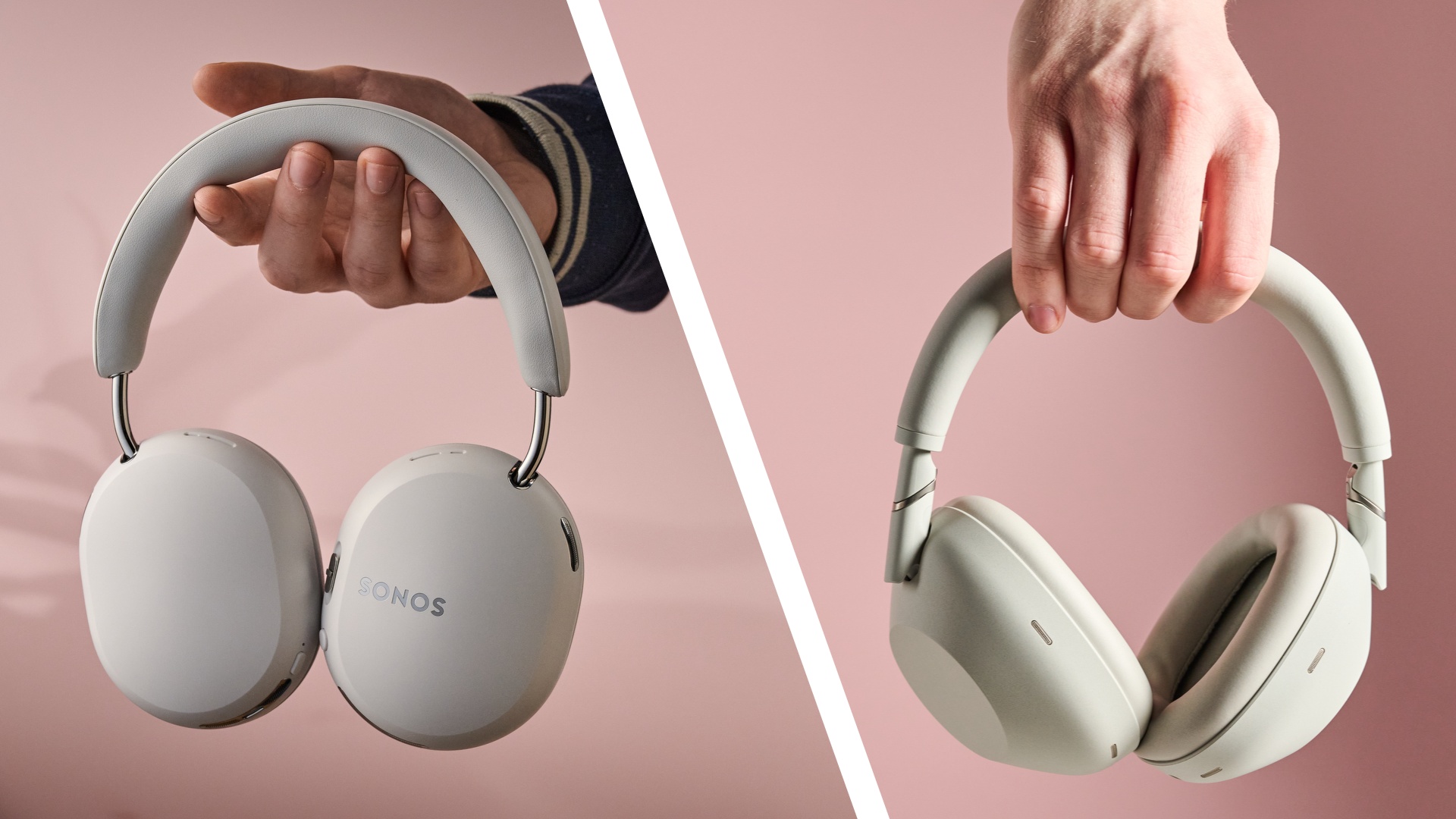
With a significant improvement in musicality, excellent Dolby Atmos performance, and a more fleshed-out feature set, the Sonos Ace Ultra feel like a big improvement over their predecessor. Incremental additions to battery life, ANC, and Sonos ecosystem interactivity only help these stylish cans to stand-out more than the original model. While the Ace Ultra may still get edged out by a few rivals in terms of sonic detail and travel convenience, they’re still easy to recommend.
Pros
- Excellent audio for movies
- Good Sonos ecosystem interactivity
- Stellar look and great build quality
Cons
- Not fully foldable, like the XM6
- No LDAC support
- Don’t sound quite as detailed
The Sony WH-1000XM6 are a fantastic pair of over-ear headphones that combine the best design elements of their predecessors, while levelling up the sonic and ANC capabilities of what came before. With super-clean touch controls, an ultra-comfy fit and a ton of features at your disposal, there’s a lot to love about these headphones – though they do look a little bulky.
Pros
- Class-leading ANC
- Fantastic sound quality
- Incredibly intuitive touch controls
Cons
- Slightly weaker battery life
- Bulkier look than the Ace Ultra
- No Snapdragon Sound/aptX support
The Sonos Ace Ultra just dropped, and they might just be my favorite headphones of 2026. They’re a considerable upgrade over the original Ace, boasting far better musicality, incredible movie audio, expanded Sonos ecosystem support, and seriously good ANC. It really feels like Sonos has made a statement with this release, and the multi-room specialist is finally ready to take on the titans of the headphone world.
But just how well do the Sonos Ace Ultra shape up against their class-leading rivals at this money? I wanted to find out for myself, so I tested them against one of their fiercest competitors: the Sony WH-1000XM6. Sony’s flagship headphones come in at the same price point as the Ace Ultra and they too supply stellar sound, noise-crushing ANC, and a swathe of fantastic features.
So, which headphones are better: the Sonos Ace Ultra or the Sony WH-1000XM6? I’ve compared them across four key areas: features, sound quality, design, and value, to help you decide which are the best headphones for you. The Sony WH-1000XM6 have been my go-to headphones for well over a year, but this contest was genuinely far closer than I’d expected. But anyway, let the battle commence — oh, and make sure to stick around 'til the end, for my verdict.
Sonos Ace Ultra vs Sony WH-1000XM6: price & availability
The Sonos Ace Ultra were released in September 2026, about two years after the original Sonos Ace headphones arrived on the scene. The Ace Ultra cost $449 / £399 / AU$699, which is cheaper than the standard model cost at launch in the UK, and the same price as the original Ace launched at in both the US and Australia.
Meanwhile, the Sony WH-1000XM6 are a little older, and hit the market back in May 2025. They cost the same as the Sonos Ace Ultra, carrying a price tag of $449 / £399 / AU$699. As they’ve been about for a little longer, it’s more likely that you’ll find these cans on sale, and we have seen them drop below $380 / £300 / AU$500 before. While neither of these models are cheap, they both offer incredible quality across the board, with excellent sound quality and features, which helps to justify the steep asking price.
Sonos Ace Ultra vs Sony WH-1000XM6: specs
Swipe to scroll horizontally
Price |
$449 / £399 / AU$699 |
$449 / £399 / AU$699 |
Drivers |
Next-gen 40mm custom |
30mm dynamic |
Active noise cancellation |
Yes |
Yes |
Battery life |
35 hours |
30 hours |
Weight |
322g |
254g |
Connectivity |
Bluetooth 6.0, USB-C |
Bluetooth 5.4, 3.5mm |
Frequency range |
20Hz-20kHz |
20Hz-20kHz |
Sonos Ace Ultra vs Sony WH-1000XM6: features
Let me be clear from the offset: when it comes to features, these two pairs of wireless headphones are arguably the very best on the market. So, as you can imagine, it’s hard to pick a winner here.
The Sonos Ace Ultra and Sony WH-1000XM6 share a lot of the same positives: they each have extensive EQ options, with multi-band custom options, wired and Bluetooth connectivity, wear detection, and impressive ANC.
When it comes to noise-cancelling specifically, both are excellent performers, and easily dispose of external sounds like surrounding chatter and traffic noise. In my testing, I found the Sony WH-1000XM6 to have a very slight edge, though, perhaps lending to their larger microphone system (12 mics to the Ace Ultra’s 10) — they dulled deep sounds like engines rumbling to slightly greater effect.
Something that the Sonos Ace supply that Sony can’t compete with, is wider ecosystem support. TV Audio Linking enables you to transfer audio from a compatible Sonos soundbar and enjoy immersive sound privately, while Headphone Linking gives you the option to hand off audio to supported speakers, including the Sonos Play (or vice versa) for a seamless listening experience, no matter where you are.
Another thing that I love about the Ace Ultra is their native Dolby Atmos support. This means you can enjoy Dolby Atmos music and movies at their very best, and with the help of head-tracking, I’ve been able to enjoy deliciously expansive movie audio with impressive height effects and clear dialogue to boot. The Sony WH-1000XM6 aren’t as accomplished for movies, and while they feature a Cinema upmix mode, which transfers a stereo signal into a more expansive format, the actual quality of this is a little disappointing.
While we’re on the topic of sound-related features, it’s worth talking about codecs. Each of these headphones possesses something the other does not. And that’s because the Sonos Ace Ultra boast aptX codec support — something Sony skips on — while the XM6 feature LDAC, which their competitor leaves out. Both of these open up higher-res Bluetooth streaming, opening up a more detailed listen than you’d get with SBC or AAC, for instance.
The key differentiator here is compatibility. Apple fans, I’m sorry, but your phone supports neither of these. Android users, there’s a very high chance that your handset can make use of LDAC, which is actually a proprietary technology developed by Sony itself. However, it’s a different story with aptX. Fewer phones support this, and although I get to enjoy it on my Xiaomi 17, a lot of models leave it out. Both models support lossless wired listening, although only Sonos has USB-C audio passthrough, which is more convenient in my view — after all, so many of us carry around USB-C cables to charge our phones and other devices
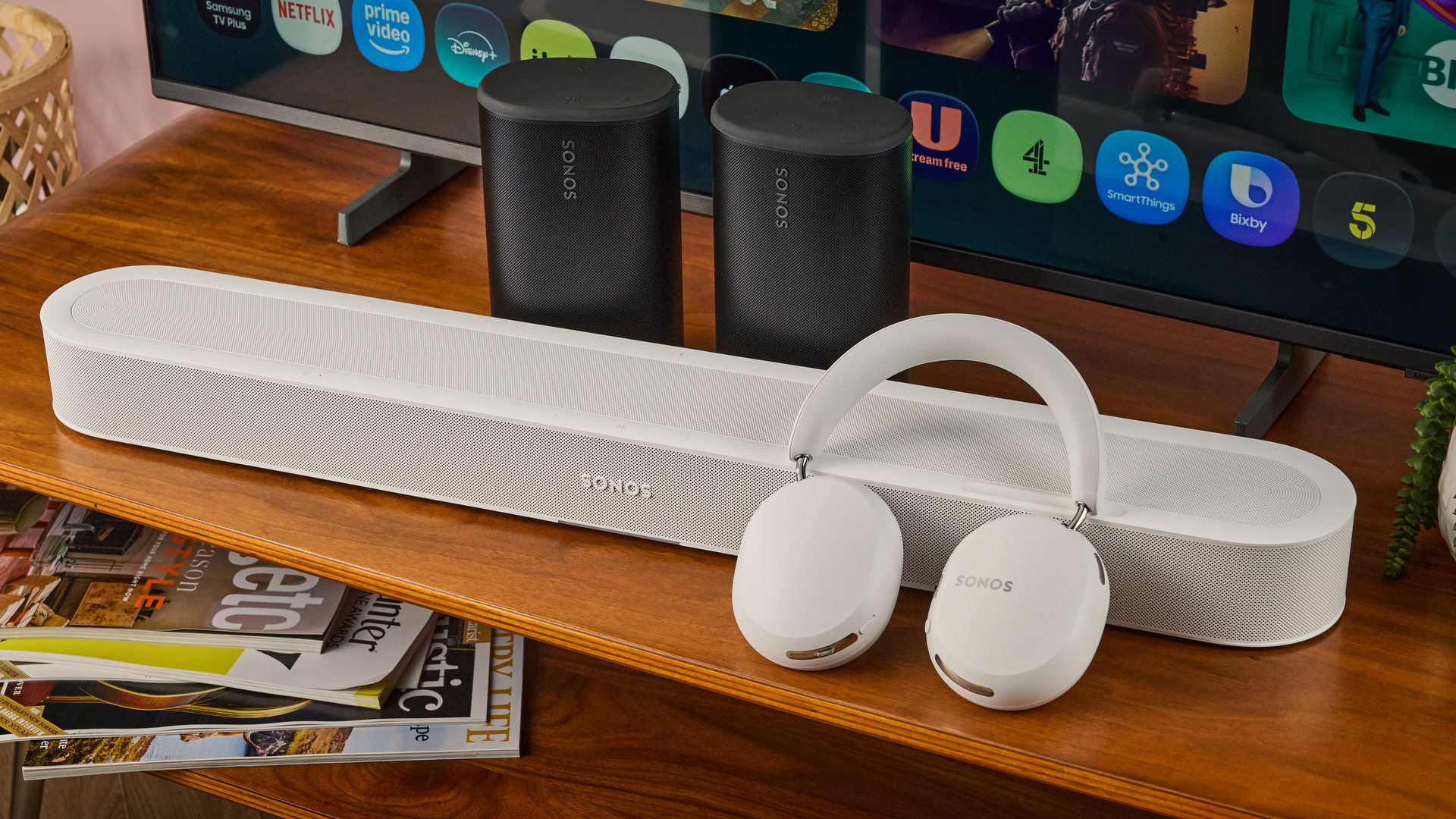
In terms of battery life, these cans are close, but Sonos is the overall winner. The Ace Ultra provide 35 hours of playback with ANC switched on, whereas Sony give you 30 hours. That’s a pretty average amount of playtime to get from headphones in this price-class, but if you do run out of charge, you can use both pairs while they regain life via USB-C.
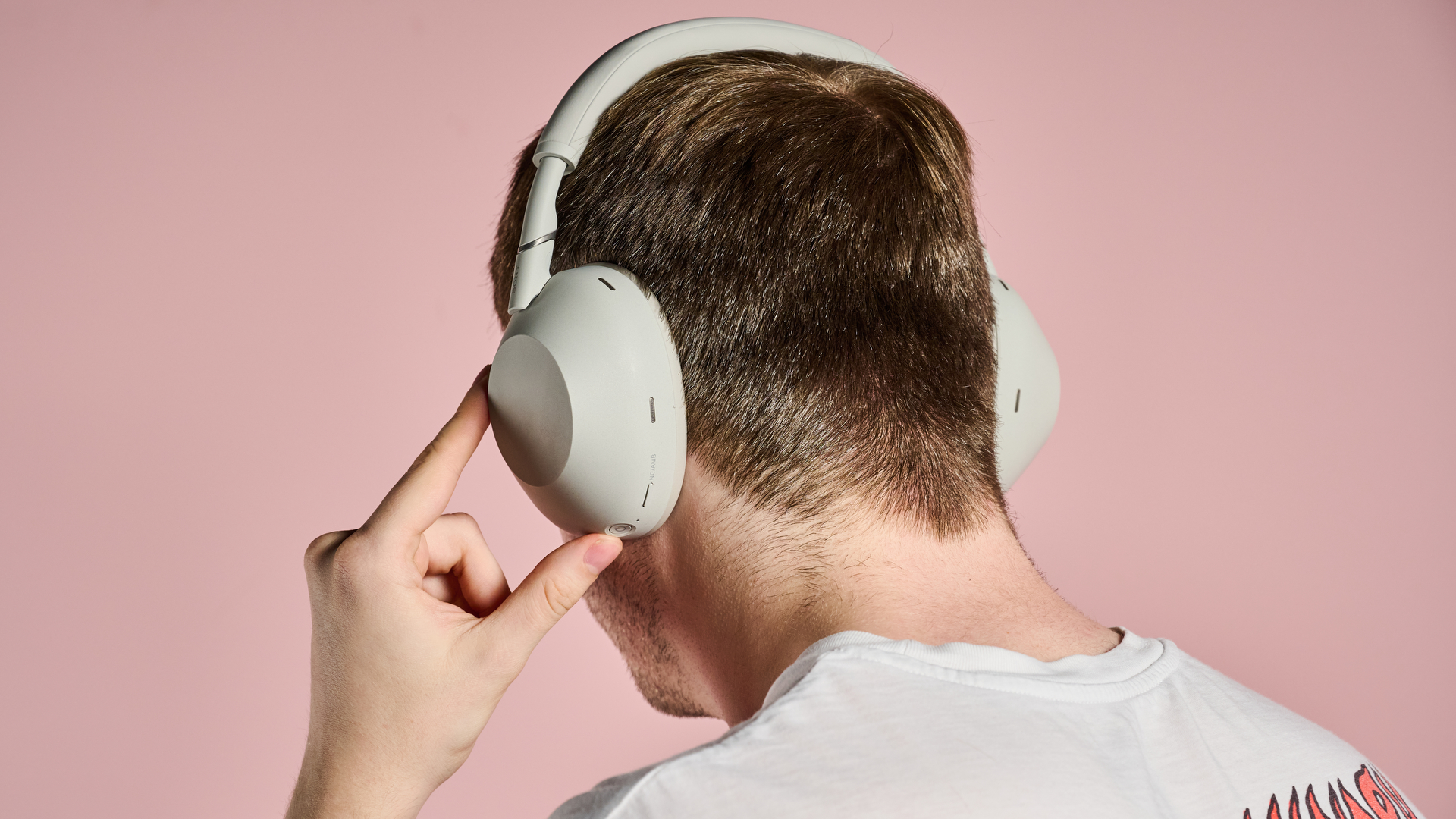
Finally, a word on controls. The Sonos Ace Ultra feature responsive, well-sized, and precise button controls. But they don’t have touch controls, something the WH-100XM6 pull off brilliantly. Sony’s cans have reactive and intuitive touch controls that I love. A single press won’t trigger anything so you can avoid accidental commands, but you can swipe on the right earcup to adjust playback and even cover it with your hand to enter into transparency mode. As much as I appreciate the reliability of Sonos’ buttons, I prefer Sony’s approach.
So, who’s the winner in the features category? It’s such a close one: I think Sony has a slight edge in ANC, I like the touch controls, and the broader compatibility of LDAC is a win. However, Sonos’ ecosystem interplay, native Atmos support, USB-C audio, and better battery life is pretty impressive too. Let’s call this category a tie.
Sonos Ace Ultra vs Sony WH-1000XM6: sound quality
While both of these headphones sound great, and there’s not a big different in quality, there’s only one winner for me.
The Sonos Ace Ultra made a big step up from the original Ace, especially when it comes to musicality. They provide well-balanced sound, with satisfyingly deep, regimented bass, clean mids, and expressive highs. But how do they compete against the Sony WH-1000XM6?
Well, allow me to reference my listening notes. In the funk tack, Joía rara by Brylho, both sets kept electric guitars well-separated from vocals and other instruments in the mid-range, almost making it sound as if they were playing in a unique pocket. Both also plated up well-weighted, clean bass, and finer details, like subtle percussive elements came through nicely. I did find, though, that the XM6 handled vocals with a bit more care — they sounded a bit more natural, and more effectively defined in the mix.
Moving onto a house track next, with Get it on by Jansons. This was a tight contest, the Ace Ultra’s deep bass came through with palpable impact, and higher-pitched drums sounded tastefully forward without getting shrill or tinny. It was the same on the XM6 — thumping yet agile bass alongside bright and precise treble, helping to capture the exciting, energetic vibe. I perhaps found that the XM6 offered slightly better dynamism, though — drops just had a bit more impact, which isn’t to say that the Ace fell flat, they were just marginally outclassed.
More generally, I found that the XM6 slightly edged out the Ace Ultra with more dynamic low-end output and better detailing, especially in the mid-range.
It’s worth noting that I do consider the Ace Ultra to be superior for movies. They have native Dolby Atmos support, and with built-in head-tracking, you can experience truly mesmerizing audio for all your movie-watching needs. When I connected the headphones up to the Sonos Beam Ultra via TV Audio Swap, I was blown away by the fidelity of height effects, the phenomenal width, and clear dialogue available. Sony’s headphones are good for movies, and they do feature some head-tracking technology (albeit more restrictive), but the Ace Ultra were clearly designed with movies in mind to a much greater extent.
Still, it’s important to have some perspective. The vast majority of people aren’t buying wireless headphones solely to watch movies. The most important thing is portable musical performance, and while the Sonos Ace Ultra get close to the Sony WH-1000XM6, they fall just short overall — and as a result, I’m handing Sony the W here.

Sonos Ace Ultra vs Sony WH-1000XM6: design
At a glance, these headphones might not look wildly different, especially as I tested two very similar colorways… but there are some notable deviations worth discussing.
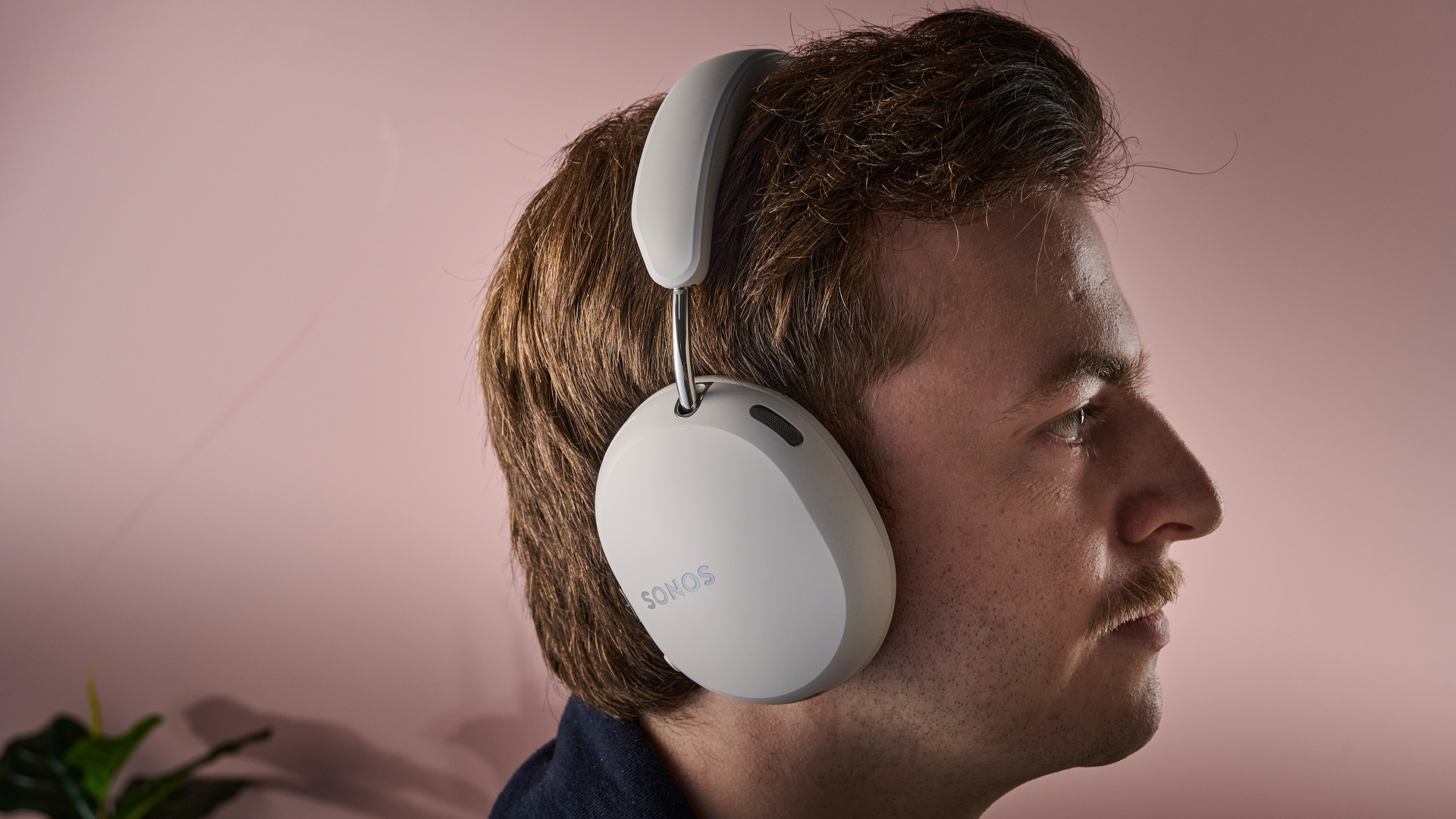
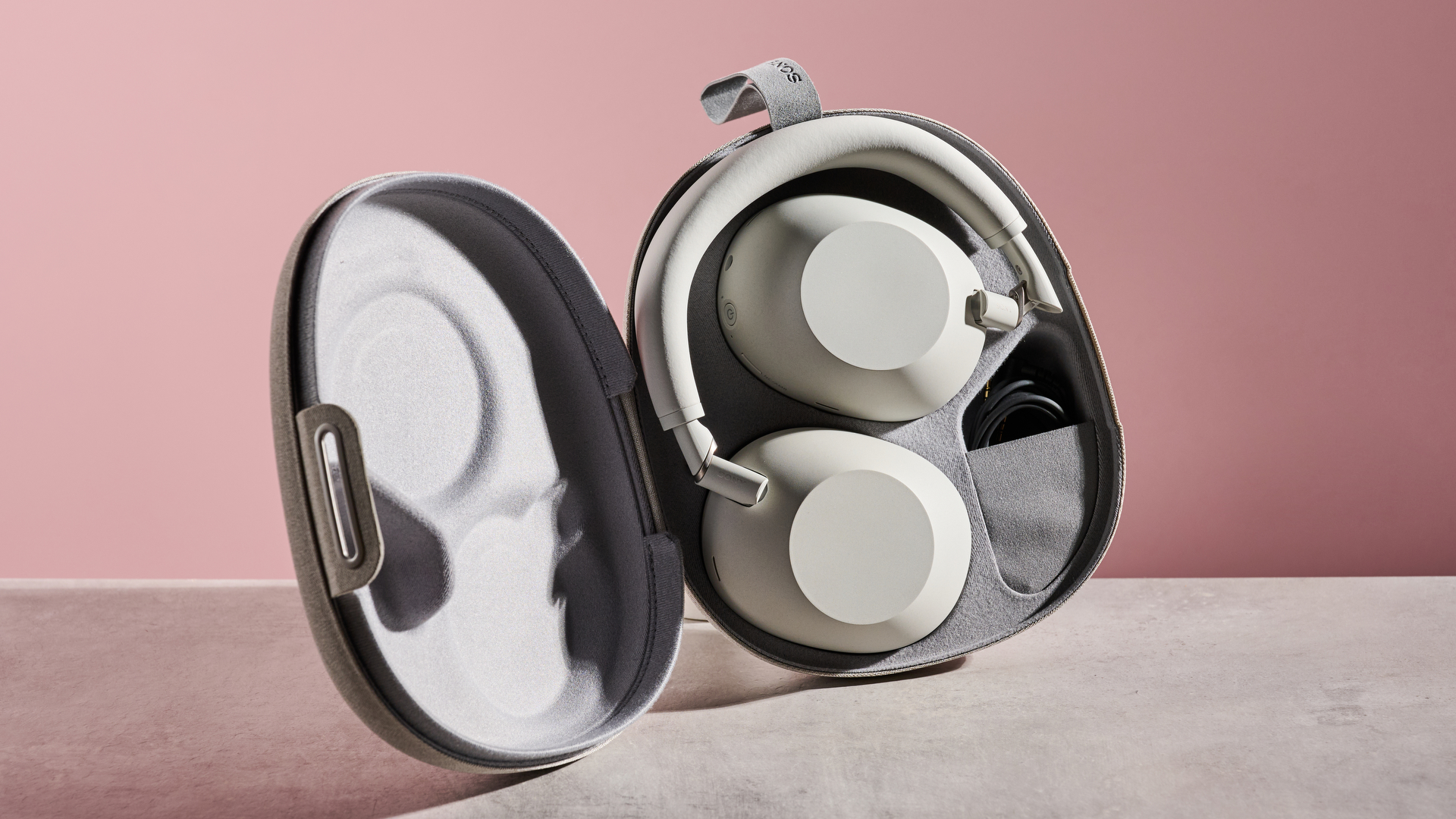
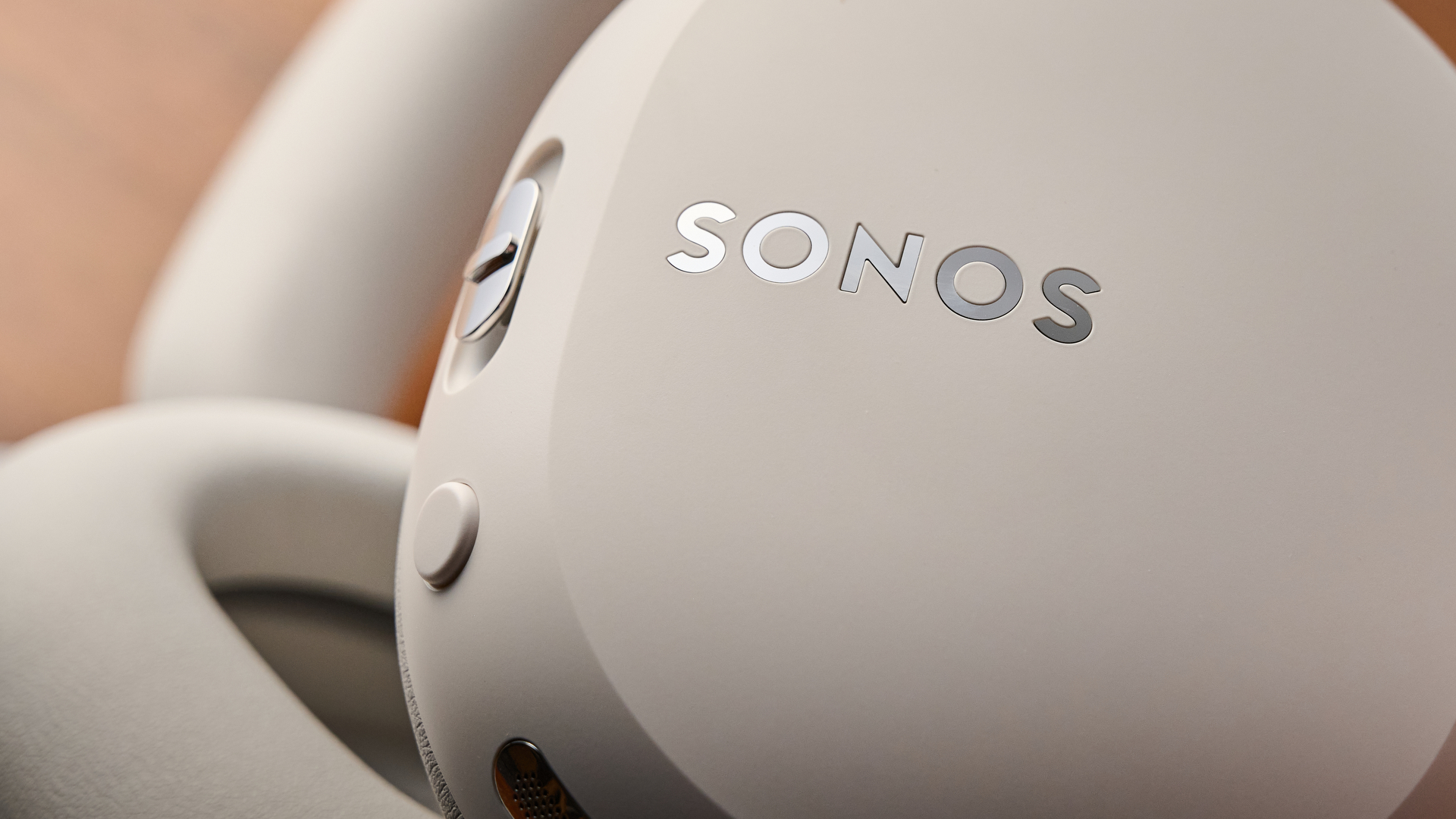
In my view, the Sonos Ace Ultra are the better looking pair of headphones. They have a slimmer form factor with flatter ear cups, which look a bit more flattering than the XM6’s bulky ones. Their metallic details and curved look also gives them a premium yet understated aesthetic which I can’t get enough of.
The XM6 aren’t bad-looking at all, I just don’t think they quite match the luxurious vibe of the Ace Ultra. But what I do like about these is that they’re fully foldable. This means they’re amazing for travel — just fold’ em up, throw them in your bag, and you’re good to go. The ear cups can fold down on the Ace, enabling them to fit in their carry case, but they’re not quite as flexible as Sony’s flagship model.
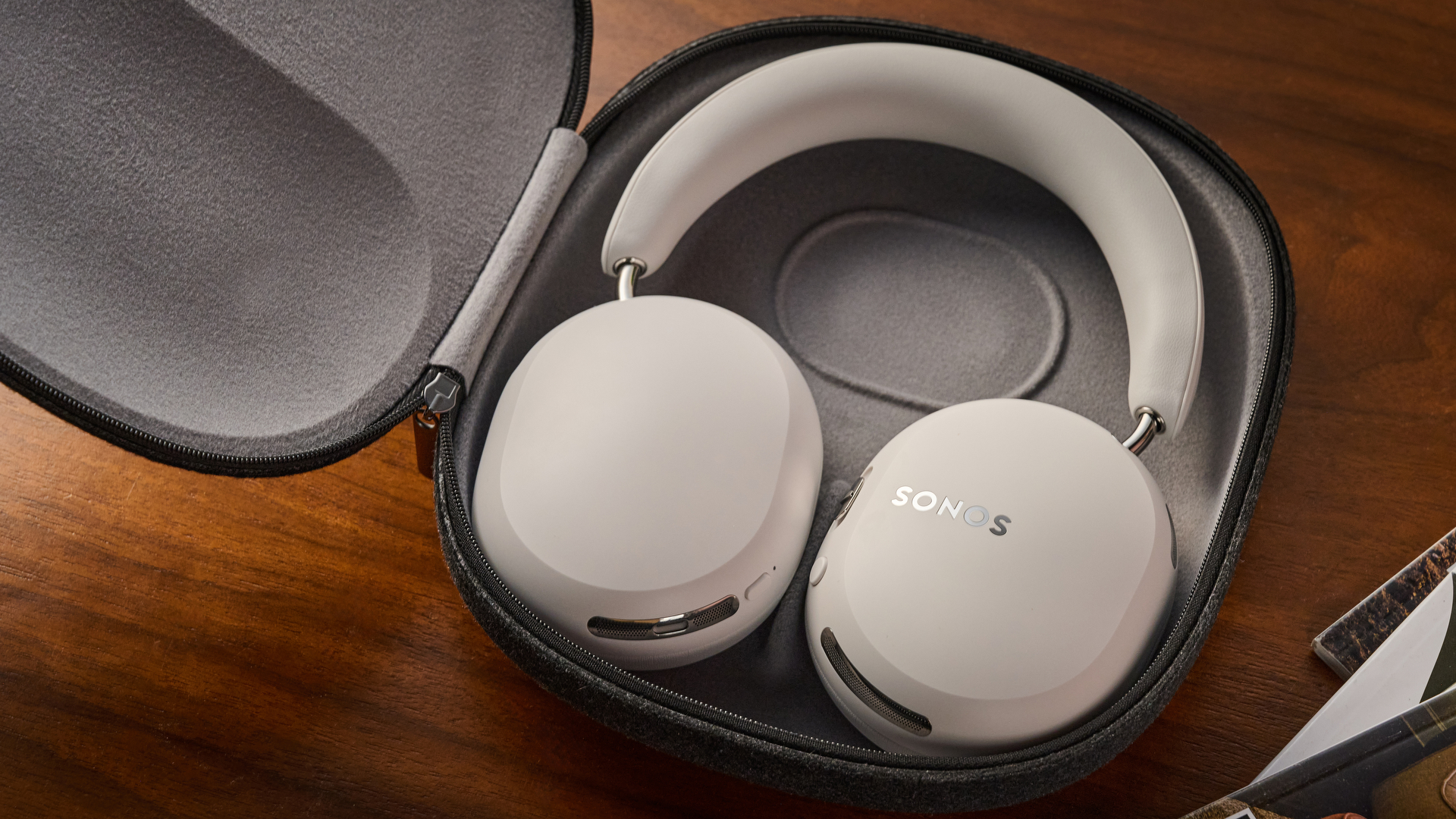
On the topic of cases, Sony takes the win here. They have an enticing hard case which uses a magnet lock, meaning it’s so quick and easy to whip them out or stow them away. The Ace Ultra’s case doesn’t have the same premium feel, and it also has a pretty low-quality zip that jams a bit too regularly for my liking.
Neither of these models have an IP rating, which denotes dust and waterproofing capabilities — something that, in fairness, is rarely seen on over-ears (though some, like the Noble FoKus Artemis, do boast an IP rating).
But both models are very comfortable and don’t clamp too hard on my head, which makes it easy to listen to music for hours on end. This means they’re pretty close overall in the design section, but personally, I’d take the sleeker look and more luxurious design of the Ace Ultra over the XM6 — even if the latter are fully foldable and have a better carry case.
Sonos Ace Ultra vs Sony WH-1000XM6: value
So, it’s been a tight contest so far. And when you consider that both the Ace Ultra and XM6 have the same list price, deciding which offers better value for money is very tough indeed.
The truth is this: the better-value model is going to be very dependent on your needs and expectations. If you already own a Sonos system, and want interplay with your speakers and maybe even a soundbar, then the Ace Ultra are incredibly attractive. Their ANC and sound quality isn’t far off the XM6’s, they’re superior for movies, and I think they’re more stylish too.
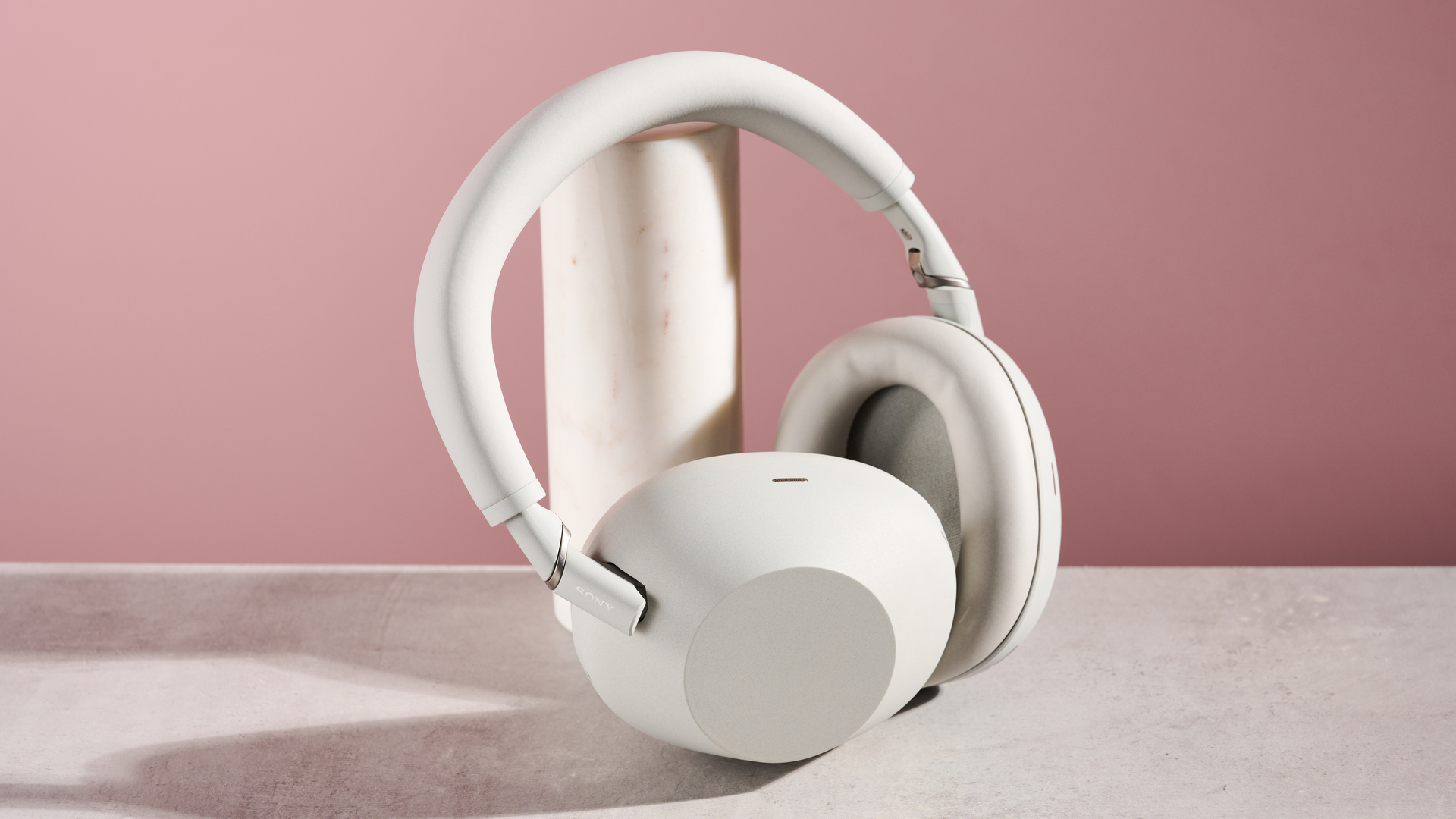
But if you want the best all-round pair of headphones in this price bracket, I still don’t think you can beat the Sony WH-1000XM6 right now. They offer slightly more detailed, dynamic audio than the Ace Ultra, their ANC is class-leading, and they have no shortage of features, a fully foldable design, and their battery life is close to that of their Sonos rival.
In the context of this showdown, the XM6’s older age also works in their favor somewhat — we’ve seen them go on sale a few times here and there, so chances are, you’ll be able to swipe them up for less than the Ace Ultra in practice. I think you’ll be exceedingly happy with either of these models, but unless you want interplay with your Sonos system and top-tier Atmos for movies, then I think the Sony WH-1000XM6 give you ever-so-slightly more bang for your buck.
Sonos Ace Ultra vs Sony WH-1000XM6: verdict
So, there you have it. As I mentioned in the value section, it’s been a close affair, but I think the Sony WH-1000XM6 are the best headphones for most people at the time of writing. Ultimately, their marginal wins over Sonos in terms of ANC, musicality, and flexibility give them the edge.
If you have a Sonos system, though, I do think the Ace Ultra are worth picking for their seamless connectivity with your speakers and soundbar. And the Ace Ultra do offer a few improvements over Sony’s cans, like higher battery life, a more luxurious look, and better sound for movies.
Both are great options, however, so you can feel confident in your choice, whether you opt for Sonos or Sony. But what do you think? Would you choose the Sonos Ace Ultra or Sony WH-1000XM6? Let me know in the comments.

Follow TechRadar on Google News and add us as a preferred source to get our expert news, reviews, and opinion in your feeds.







 English (US) ·