
The recent launch of the $599 MacBook Neo — which has just helped to break Mac sales records, according to Tim Cook — has shaken up the assumption that Apple focuses only on premium products. Yet that idea was never really true.
Steve Jobs often made the case that Apple’s desire was to make premium products attainable to more people, and in many cases its devices came in at lower prices than rival offerings with similar specs.
But before the MacBook Neo demonstrated that Apple knew how to combine top-quality touches with accessible price tags, there was another affordable Apple product on everyone’s lips: the iPhone SE.
Article continues below
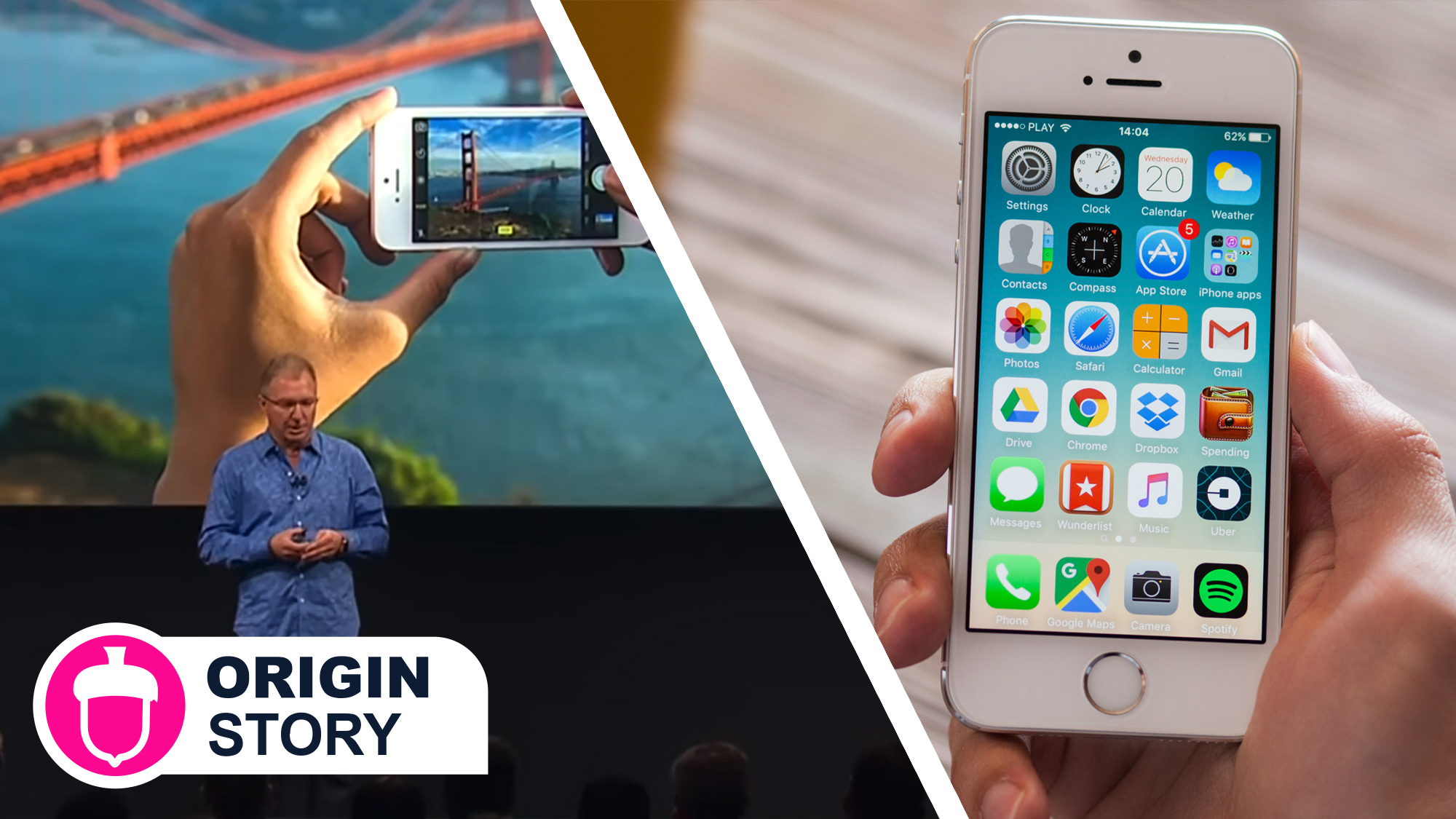
The original iPhone SE was introduced to the world on March 21, 2016, making it ten years old today. With Apple returning to its low-cost ambitions a decade later (for both the Mac and the iPhone), now is a good time to look back at the iPhone SE’s impact — and what the future might hold for cut-price iPhones now that the MacBook Neo has made such a splash.
Enter the iPhone SE
Apple - March Event 2016 - YouTube

Today, the standard iPhone 17 will set you back a minimum of $799 / £799 / AU$1,399, and entry-level iPhones have hovered around this mark for many years now. When that’s the case, it’s easy to forget that the iPhone used to be much more affordable — and you get a taste of that time by watching the iPhone SE launch segment above.
While the original iPhone was priced at $499 for 4GB of storage in the US, Apple quickly dropped the price of the 8GB model to $399 and discontinued the 4GB option. After that, the iPhone 3G was available for $199 alongside a two-year cell plan. That $199 price quickly became the norm for Apple’s most affordable iPhones, lasting right through until the iPhone 7 jacked the price up to $649 / £599 / AU$1,079 in September 2016 (although it also dropped the two-year plan requirement).
It was into this world that the $399 / £379 / AU$679 iPhone SE arrived. Because while its price tag seems odd when the iPhone 6s – an ostensibly better device released six months earlier – cost $199 up front, it also came with a potentially onerous two-year cell plan, which could rack up the costs.
The iPhone SE also offered something very different: a return to smaller phones. The iPhone had been growing in size ever since its debut. Not only were the standard iPhones getting bigger, Apple was offering the iPhone Plus range as an option with even more screen real estate. If you wanted things to shrink in the other direction, you had few options. Until the SE...
'Some people simply love smaller phones'
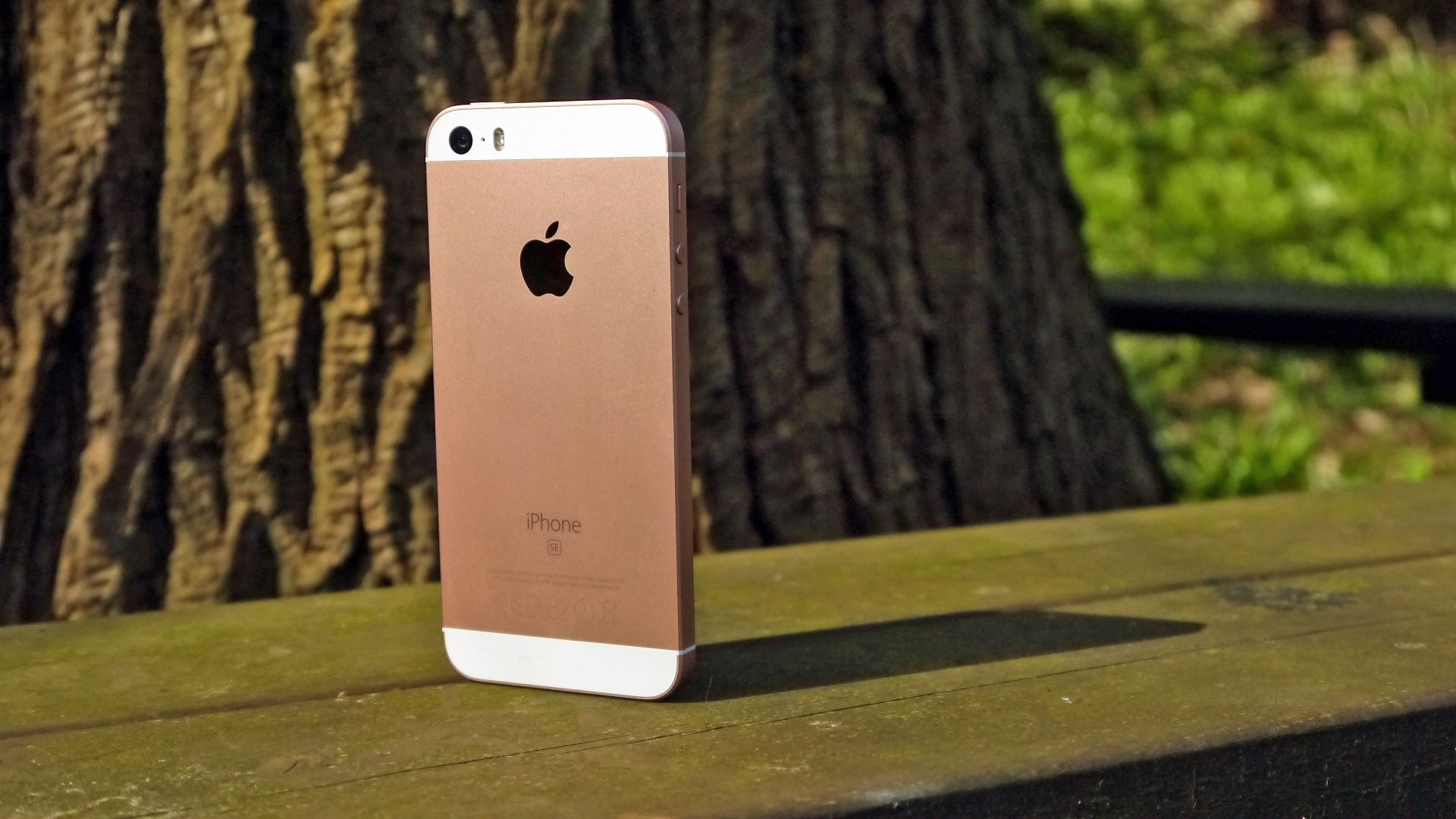
Apple was very clear when it launched the iPhone SE that small-scale simplicity was the goal. As Greg Joswiak (then VP of iOS) said at the iPhone SE launch: "While the vast majority of our customers prefer larger display iPhones, we're here today to talk about a smaller iPhone".
"So why are people buying 4-inch iPhones? Well, there's two reasons. First, some people simply love smaller phones. They want the most compact iPhone design. Second, we found that for a lot of these customers, it's their first iPhone," he added.
Cue those MacBook Neo comparisons. Tim Cook said this week that "Mac just had its best launch week ever for first-time Mac customers", and without explicitly saying why, it was a clear nod to the success of its affordable new laptop. For Apple, the Neo is a gateway drug for macOS, just as the iPhone SE once was for iOS.
Describing the SE as “the most powerful phone with a four-inch display,” the company took pains to emphasize its “beloved compact aluminum design” as a key selling point.
The same, but different
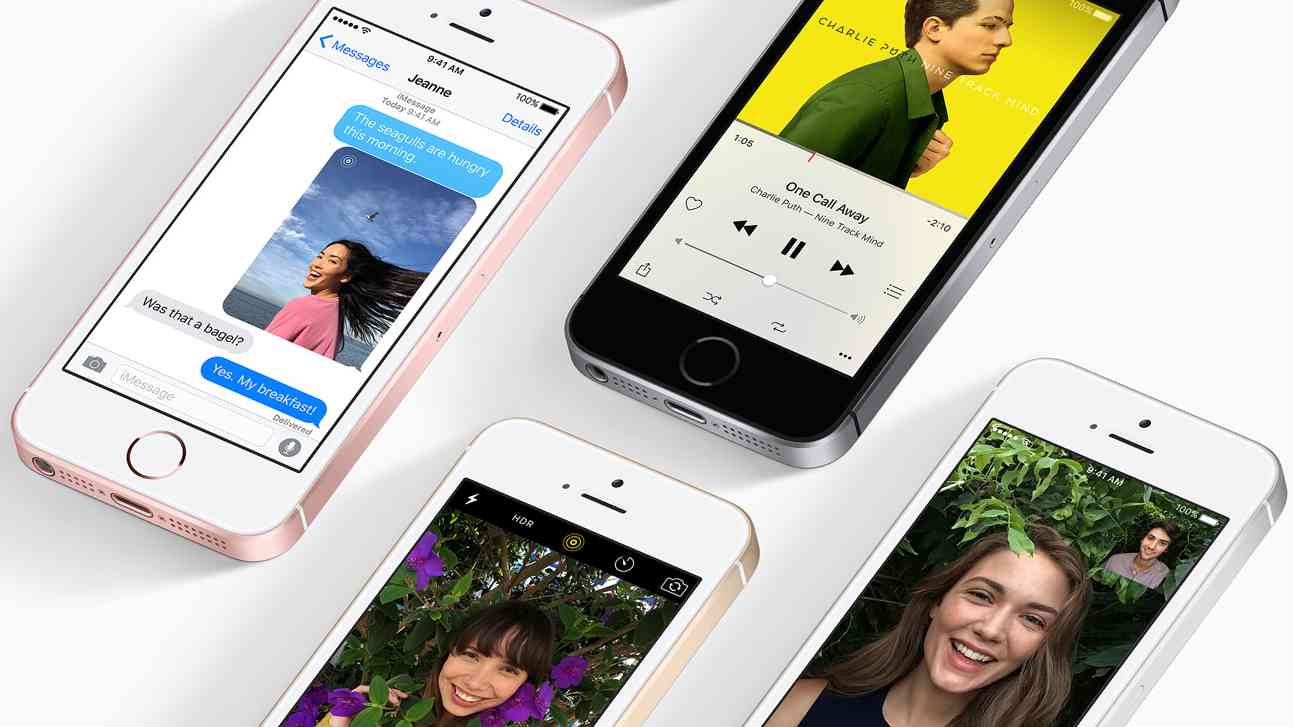
Still, compared to the MacBook Neo, the iPhone SE achieved its low price in a very different way. While the MacBook Neo cuts features but keeps roughly the same dimensions as the M5 MacBook Air, the iPhone SE kept the power and put it into a smaller frame.
For instance, the iPhone SE launched with the same A9 chip as the then-current iPhone 6s. You got just as much power as Apple’s flagship iPhone, just in a more compact package. You also got longer battery life than the iPhone 6s – up to 13 hours of video playback compared to the iPhone 6s’s 11 hours, for example – despite the iPhone SE using the same chip and a smaller chassis with less internal space for batteries.
The MacBook Neo, on the other hand, runs on an A18 Pro chip designed for mobiles, not a desktop-class M-series chip. It loses the backlit keyboard, the Force Touch trackpad, capacious memory and storage options, a few hours of battery life, and more. It’s clear that it’s a cut-back device, albeit one whose $599 / £599 / AU$899 price tag is hard to resist.
So how did Apple keep the iPhone SE’s price down? Well, it had to make a few sacrifices.
The front-facing camera was inferior to that of the iPhone 6s, offering 1.2MP photos compared to the iPhone 6s’s 5MP snaps. The iPhone 6s was also a little slimmer, despite being taller and wider. And by basing its chassis on one first used by the iPhone 5, Apple could save on the design and manufacturing costs that would have come with a new look.
But other than that, there really wasn’t much to separate the two products — reinforcing the idea that the iPhone SE focused on bringing its cost down primarily through physical means, not by cutting features.
A complicated legacy
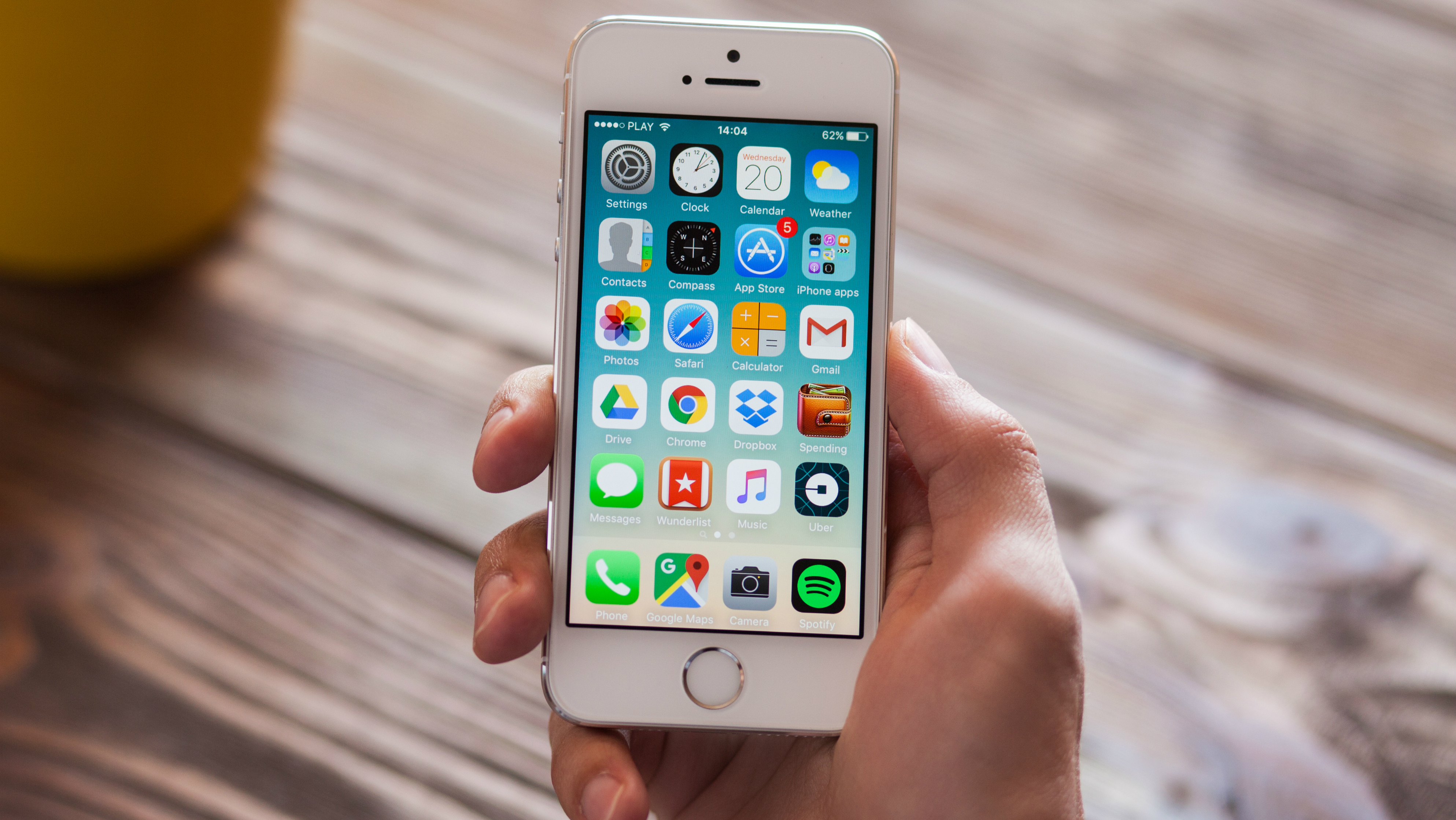
Now that Apple is returning to the world of low-cost Macs, what does that tell us about the future of affordable iPhones?
Well, the iPhone SE’s successor is seemingly in rude health. Apple has just launched the iPhone 17e, which has taken the place of the SE line. The iPhone 17e has been released one year after the iPhone 16e, which rebooted the company’s affordable iPhone range. The fact that Apple is seemingly planning on yearly releases for this device suggests that there is sufficient demand to justify frequent updates.
Yet like the MacBook Neo, the iPhone 17e is not the same beast as the iPhone SE. While the iPhone SE was an explicitly palm-sized device – its 4-inch frame was conspicuously smaller than the 4.7-inch iPhone 6s – the iPhone 17e is only a touch more compact than the iPhone 17.
If you want a true heir of the iPhone SE – that is, a shrunk-down iPhone that maintains the power and performance of its peers – then you don’t really have that choice anymore. Apple has seemingly given up on its “mini” iPhone range, with 2021’s iPhone 13 mini being the last in a short-lived dynasty of compact iPhones.
That all means that the legacy of the original iPhone SE, launched ten years ago today, is a little complicated. Because while affordable Apple devices are alive and well in the form of the iPhone 17e and the MacBook Neo, they take a slightly different approach to the one set down by the iPhone SE.
But what’s not in doubt is the fact that now is potentially the best time in decades – possibly ever – to be an Apple fan on a budget. Thanks to the iPhone 17e and the MacBook Neo, you can now grab a low-cost Apple phone and laptop for $1,200 / £1,200 / AU$1,900 combined – something that would have felt impossible even just a year ago.
And with Apple’s newly rediscovered commitment to affordable pricing, we’ve got the iPhone SE to thank for getting us to where we are today.
Follow TechRadar on Google News and add us as a preferred source to get our expert news, reviews, and opinion in your feeds. Make sure to click the Follow button!
And of course you can also follow TechRadar on TikTok for news, reviews, unboxings in video form, and get regular updates from us on WhatsApp too.






 English (US) ·