
 1 hour ago
13
1 hour ago
13

Published Jul 29, 2026, 3:00 AM EDT
And why lousy tech makes for great scares
 Image: Screen Burn / Annapurna Interactive / Konami
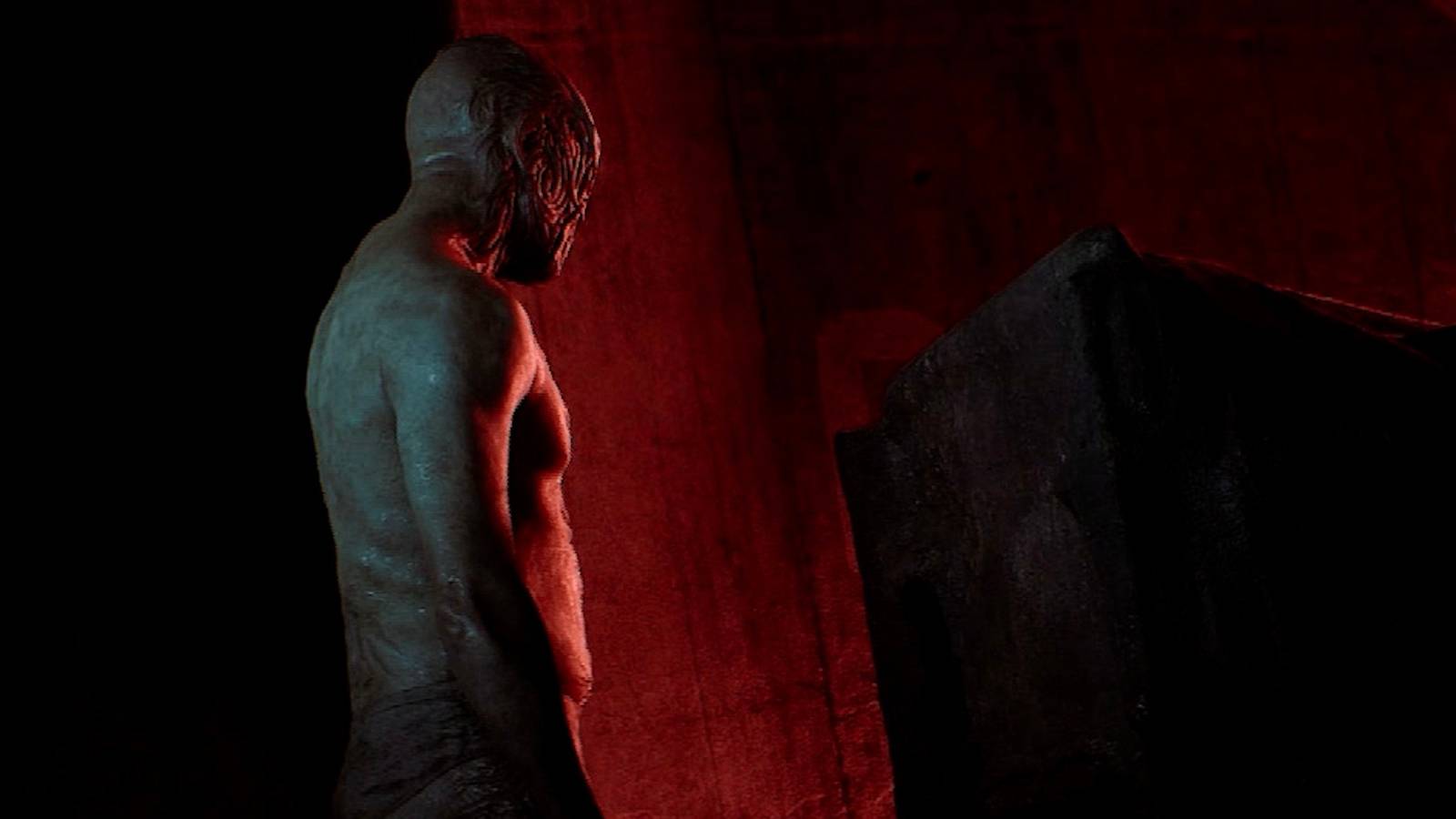
The Silent Hill series has dabbled in first-person experiences in the past, most notably with Hideo Kojima’s infamous 2014 P.T. demo. But Silent Hill: Townfall, published by Konami and developed by Screen Burn Interactive (formerly known as No Code), is the first installment of the series that places you directly in the shoes of its amnesiac protagonist, Simon Ordell. You see exactly what he sees, which means if you’re not paying careful attention to your surroundings, you’re likely to get ambushed by a terrifying, surreal monster while you’re bumbling around looking for clues.
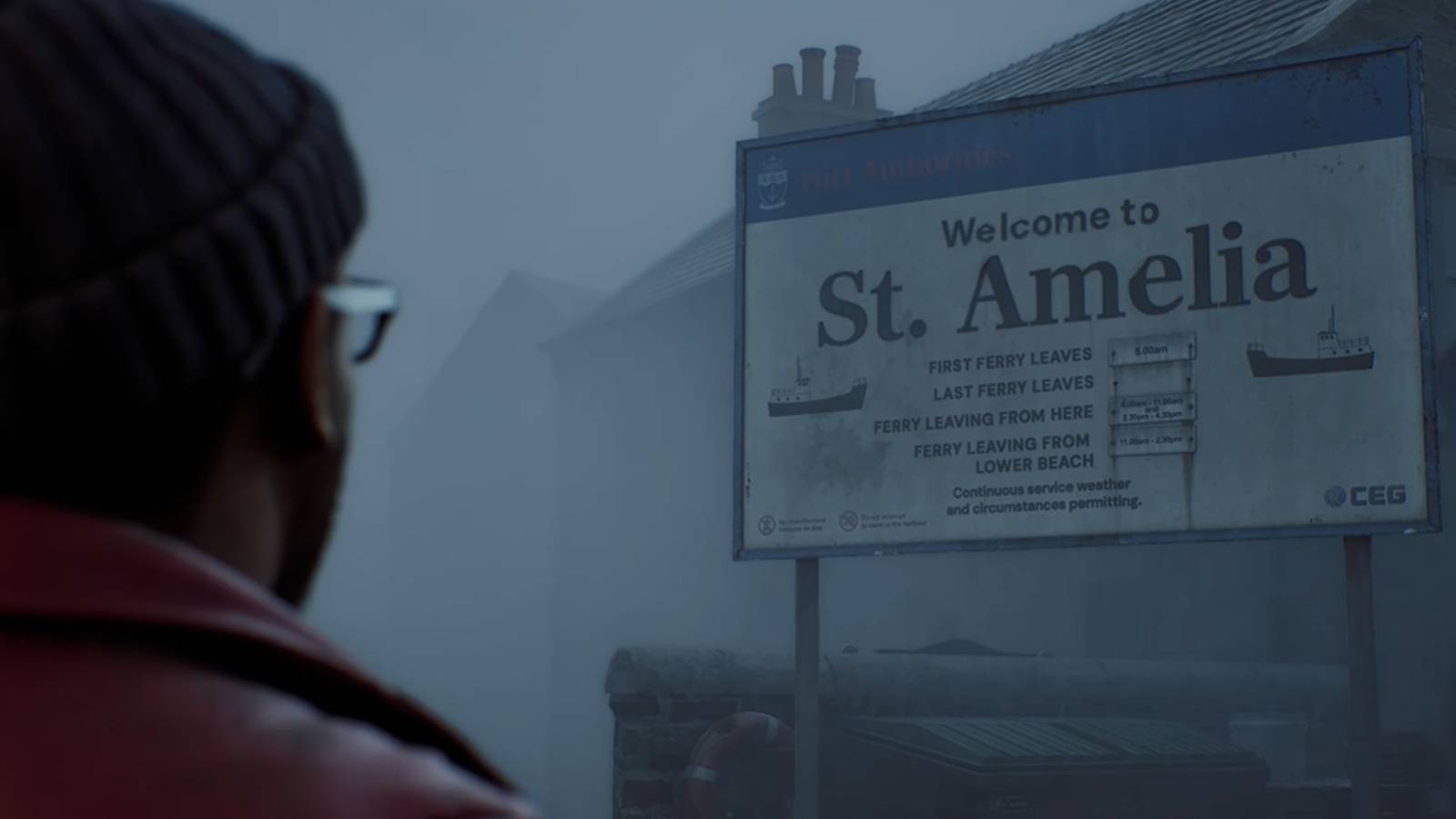
Set in the cramped and chilly Scottish port town of St. Amelia in the mid-1990s, Silent Hill: Townfall will have you anxiously looking over your shoulder at virtually every moment. At a recent roundtable interview in Los Angeles, writer-director Jon McKellan and series producer Motoi Okamoto revealed that first-person perspective was part of Konami and Screen Burn’s shared vision for the project straight from the outset.
“With the first-person perspective, we came into the game with that in mind. That was what we'd done in the past. That was our experience on our previous games,” McKellan said.
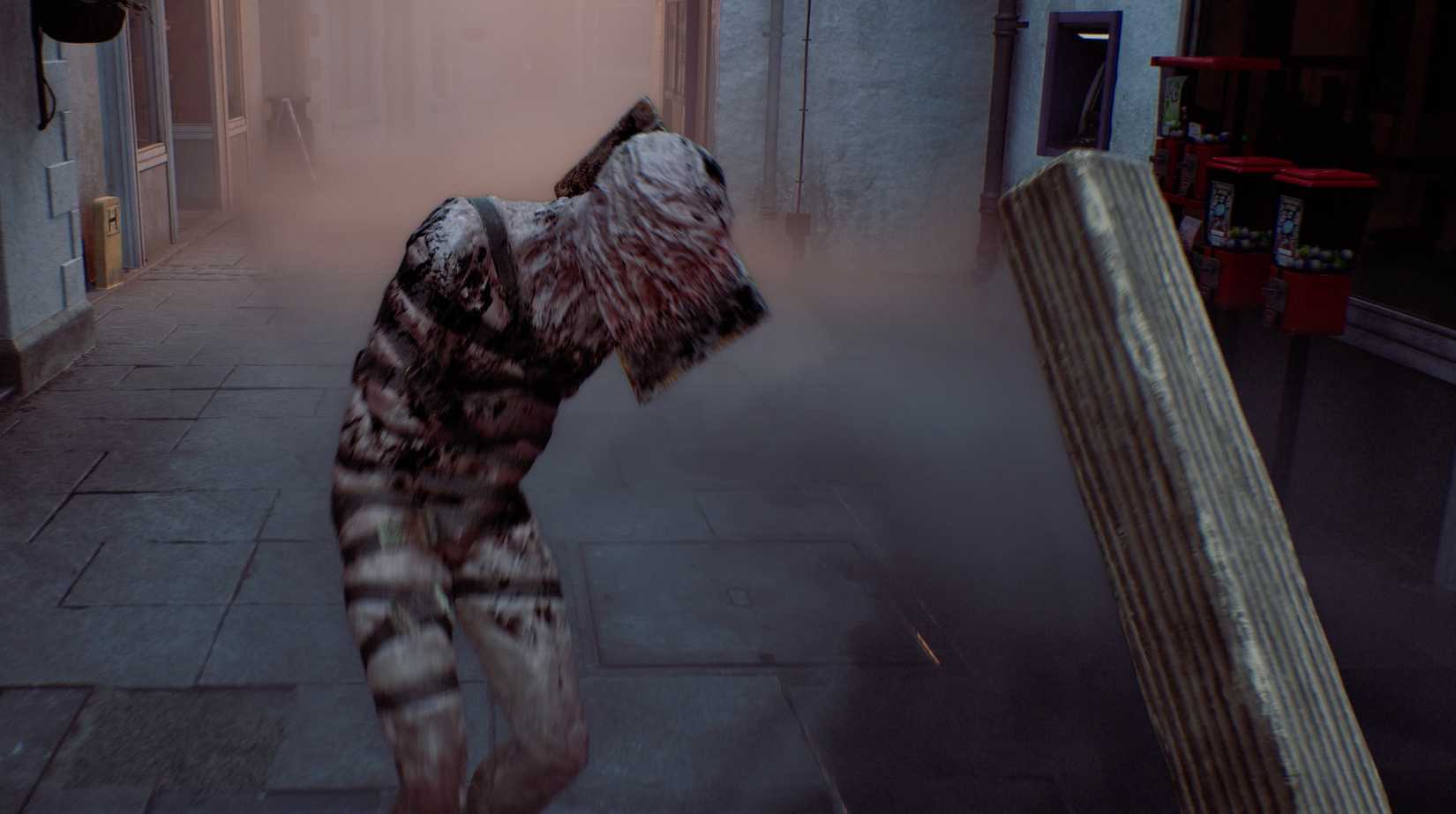 Image: Screen Burn / Annapurna Interactive / Konami
“Our team has played their [Screen Burn’s] past games. We absolutely loved the marriage of narrative and puzzle gameplay,” Okamoto said. “I think if we take those aspects and let them take full control with the first-person perspective that they feel most comfortable with, we were absolutely confident that it would turn out as a good game.”
Screen Burn wanted to do a unique take on the radio, a staple mechanic of previous Silent Hill games that alerts the player when enemies are nearby. The team landed on the idea of a small, handheld television, which shows Simon environmental clues to solve puzzles and images of the past to help jog his absent memories, in addition to tracking the movements of nearby foes. They soon concluded the feature would look terrible in third-person.
“There was no way to do that in third-person that wouldn't require rendering UI to the screen, and feeling like non-digetic UI, and looking like a mini-map, or something that felt really out of place,” McKellan explained. “So you couldn't do the CRTV in third[-person] was part one of the equation.”
Townfall’s focus on sneaking around as opposed to all-out action also made first-person feel like the proper fit. “Whilst I love third-person horror games as well, I think when you're going for stealth, evasion, tension, not having an avatar between you and the terror just makes everything that much worse, that much more personal,” McKellan said. “Using things like the peek mechanic and hiding in a cupboard in third-person does not work, right? It doesn't feel great. It feels like Splinter Cell or Metal Gear. It’s not gonna give you horror, it's gonna make you feel powerful. That's not what we're going for. So yeah, it’s those couple of features, combined with our experience, that meant that was the right way to take this game.”
Despite being mostly devoid of human inhabitants, St. Amelia is bursting with detail that creates a very specific sense of time and place. Much of that is conveyed through the period-specific electronics that Simon interacts with throughout his journey. There’s a lot more than just the CRTV: dial-up modems, home electricity meters that use prepaid cards, pay phones, and repeated references to “electronic mail.” For the team at Screen Burn, finely detailed replication of older technology — and how people interacted with it — was an essential element of crafting Simon’s intimate and psychological story.
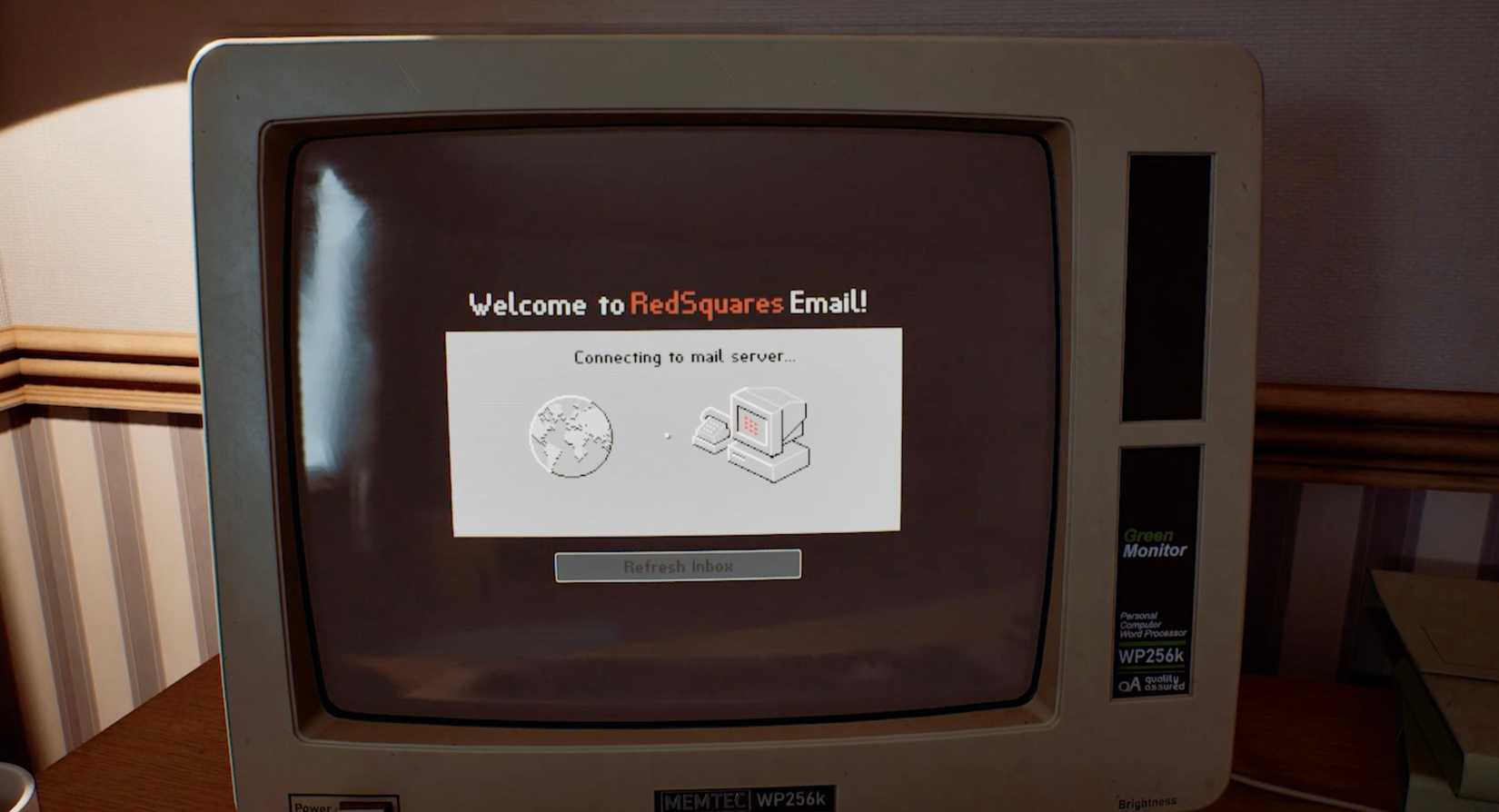 Image: Screen Burn / Annapurna Interactive / Konami
“The important thing for me is to make sure it doesn't feel like a gimmick when we're doing it. Like, the analog tech feels relevant to the story,” McKellan explained. “It's not there just to be a meme, or something like that. It feels like it's supposed to be there and it belongs in that world. I think that's kind of the hardest thing to measure: how much do we lean into that? Like, we don't want it to feel techy. You know, we don’t want players to feel like they're hacking. We want it to feel like they're using broken equipment, and that they're trying their best with what they've got. Analog tech is fundamentally unreliable, and that lends itself really well for puzzles.”
Screen Burn has developed a reputation for impeccable attention to detail, with adventure games like 2017’s Stories Untold and 2019’s Observation. That desire to capture things perfectly, just as they were, comes across throughout the early hours of Townfall. Even creating the specific grain of the CRTV was a lengthy and considered process.
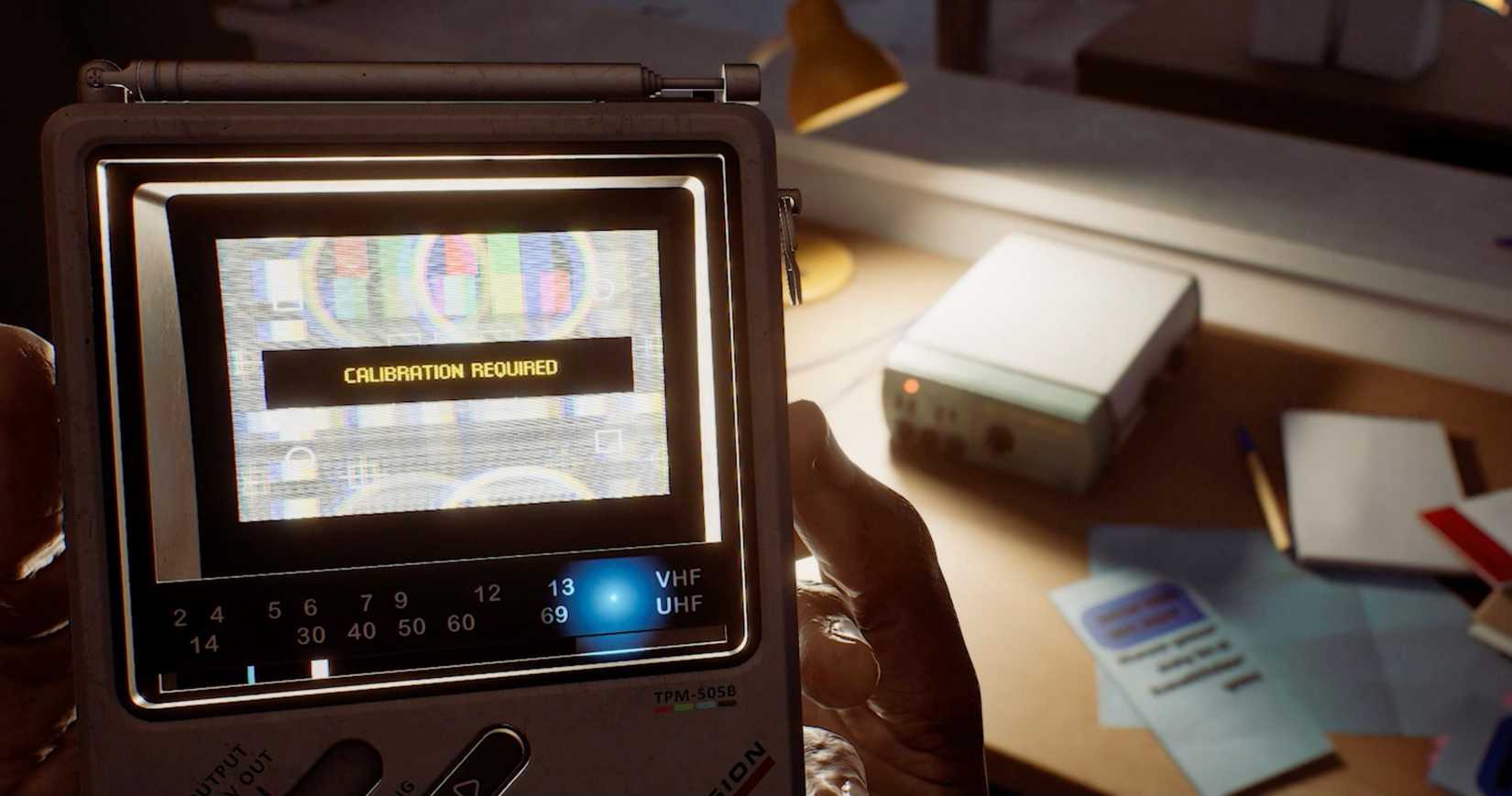 Image: Screen Burn / Annapurna Interactive / Konami
“With the CRTV, we run that footage literally through an old broadcast monitor. We film it. We bring it back, so we get the right pixels and the right type of analog noise,” McKellan said. “Depending on your age and your exposure to these things, you might not recognize when something's wrong. Or what specifically is wrong. And you might feel it, that generally it doesn't feel right, that something's off. The attention to detail can feel like you're going above and beyond at times, but I think — somewhere out there! — it matters.”
What’s more, setting a story 30 years ago opens up new storytelling possibilities. We can’t have Simon googling himself or the Silent Hill wiki page, can we? That would make for a very short game.
“With the ‘90s, it’s that sweet spot of technology was starting to be a thing, the internet was starting to be a thing. But it wasn't reliable, it wasn't particularly useful at the first stage. So it doesn't feel like a silver bullet for the player, that they're gonna be able to whip out their iPhone and find a map and find directions to somewhere,” McKellan said. “It gives you limitations on narrative and game design that help keep things interesting.”


 English (US) ·