Seagate and Toshiba battle for TDK's HDD head business, a critical hard drive component
4 hours ago
4
(Image credit: Toshiba)
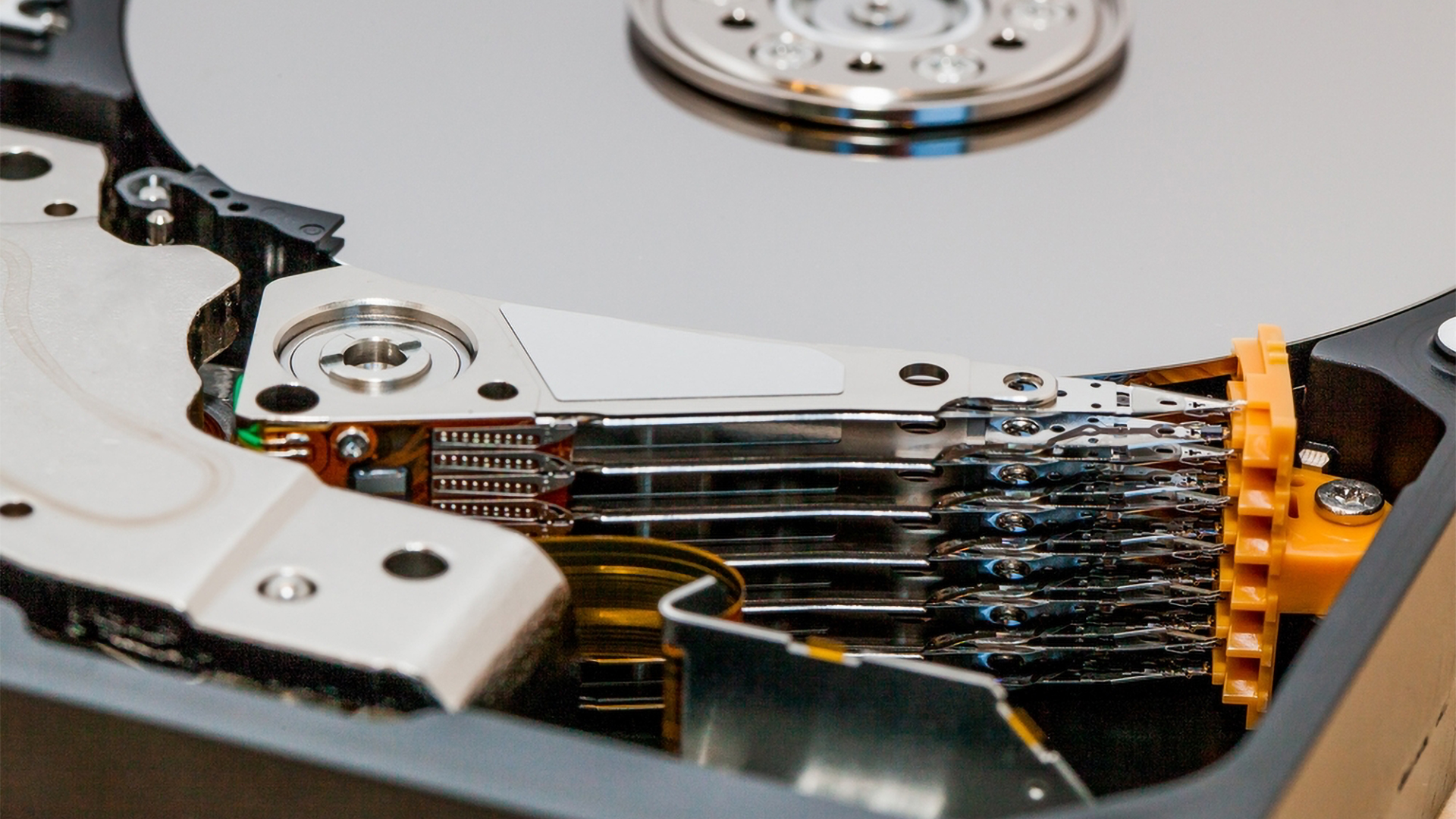
Seagate Technology and Toshiba are reportedly competing to acquire TDK's hard disk drive magnetic head business in a transaction valued at several billion dollars, reports Bloomberg. For Seagate, the acquisition would expand the supply of HDD heads that it also produces internally, but for Toshiba, TDK is the only way for it to get magnetic heads for its hard drives. If Seagate buys TDK's HDD heads operation, then Toshiba's HDD business will depend on supply from Seagate.
TDK is the world's only independent supplier of HDD magnetic heads and Toshiba's sole source of the components. By contrast, Seagate and Western Digital manufacture heads internally and also buy them from TDK if they need to. In recent years, TDK started to produce HDD heads for Seagate's drives that rely on heat-assisted magnetic recording (HAMR) technology, Western Digital's products featuring energy-assisted magnetic recording (EAMR), and Toshiba's HDDs based on microwave-assisted magnetic recording (MAMR) technology, which makes it an important supplier for all hard drive manufacturers.
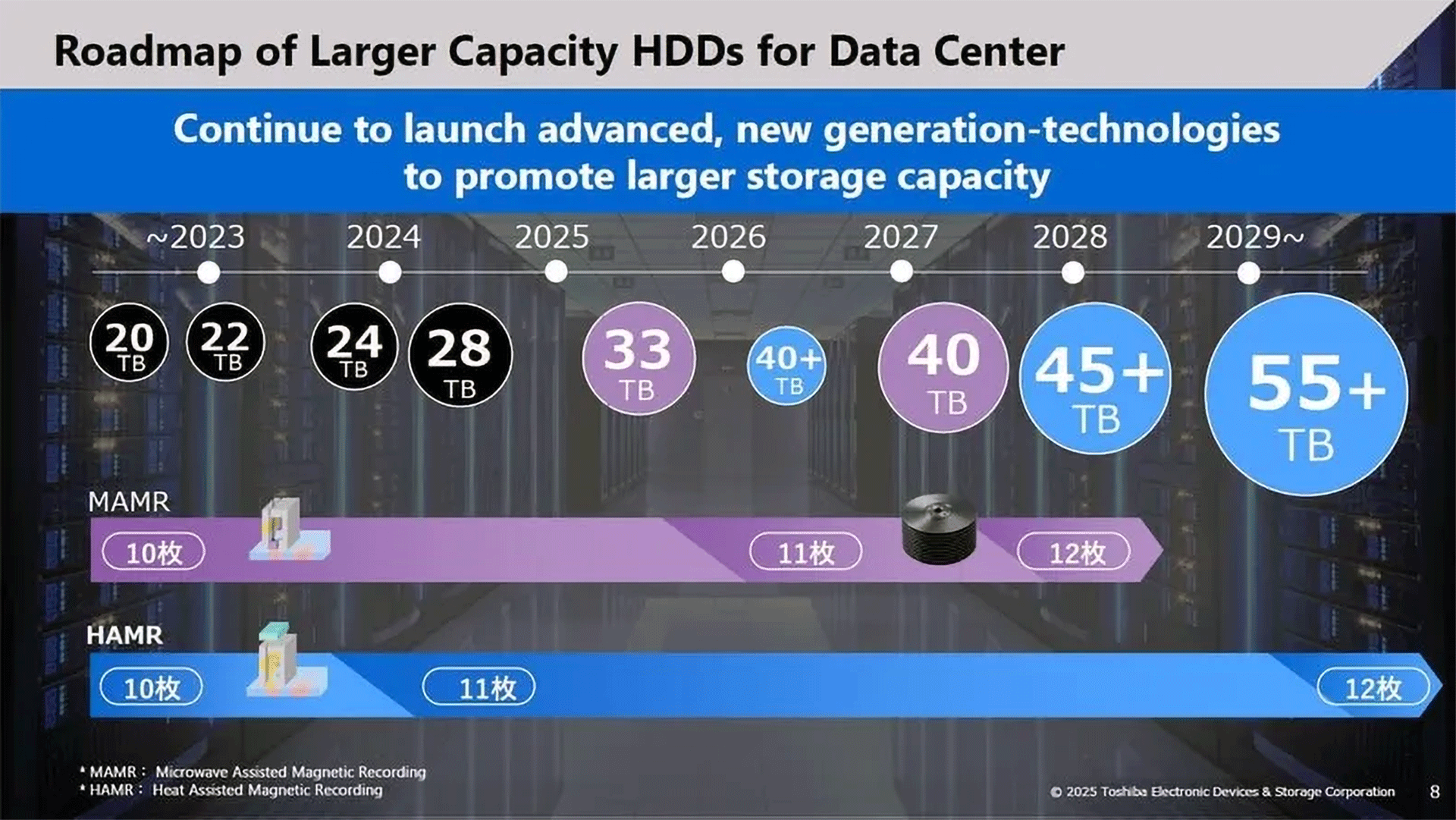
Yet, while Seagate and Western Digital produce magnetic heads internally, they also source them from TDK when they need additional supply to respond to increases in demand. Toshiba, by contrast, depends entirely on TDK for these components. Access to TDK's technology is particularly important for Toshiba as while the company's next-generation 30TB-class HDDs are expected to rely on MAS MAMR technology, their successors will rely on HAMR. Meanwhile, developing write and read heads for HAMR is particularly hard and time-consuming, which makes TDK a key enabler for Toshiba's HDD business both for existing products (for which the company probably has long-term supply agreements) and future generations of hard drives that only exist in the roadmap.
Toshiba reportedly approached TDK about acquiring its HDD head operation in spring 2026. Seagate subsequently entered negotiations in summer with a higher offer, according to people familiar with the discussions, Bloomberg said. The potential acquisition could be worth as much as several billion dollars.
Control of TDK's magnetic-head operation could significantly alter the competitive balance of the HDD industry. The successful bidder would control the industry's only independent head supplier, which will potentially give it greater influence over pricing and make it more difficult for competitors to rapidly increase HDD output. Both Toshiba and Seagate are therefore reportedly concerned about maintaining access to TDK heads if the rival bidder acquires the business.
For TDK, a sale would provide an opportunity to exit an historically volatile, relatively low-margin business that requires continuous investment as magnetic recording technologies advance. The company has been directing more resources toward batteries, passive components, and sensors in anticipation of increased AI-related demand from devices such as smart glasses. Selling the HDD-head business could provide additional capital to accelerate investments in these areas.
(Image credit: Toshiba)
Executives from Seagate, Toshiba, and TDK reportedly met in Tokyo last week to discuss mechanisms that could preserve supplies of magnetic heads, including a possibility of creating a joint venture. The negotiations remain preliminary and could ultimately produce no transaction. While Seagate and TDK reportedly declined to comment on the Bloomberg report, Toshiba denied that any meeting took place, as well as its plans to acquire HDD heads production capability.
Get Tom's Hardware's best news and in-depth reviews, straight to your inbox.
It should be noted that any acquisition would likely face regulatory scrutiny because of the concentrated nature of the HDD market and TDK's unique position in it. TrendForce estimates that Seagate and Western Digital each account for approximately 45% of HDD shipments in terms of bits shipped, whereas Toshiba controls around 10%.
Anton Shilov is a contributing writer at Tom’s Hardware. Over the past couple of decades, he has covered everything from CPUs and GPUs to supercomputers and from modern process technologies and latest fab tools to high-tech industry trends.

 4 hours ago
4
4 hours ago
4




 English (US) ·