
Serving tech enthusiasts for over 25 years.
TechSpot means tech analysis and advice you can trust.
With all the buzz of anticipation surrounding the rumored foldable iPhone that Apple is widely expected to announce this fall, it's hard not to wonder what the good people at Samsung are thinking.
After all, Samsung has had foldable phones since 2019, and at its recent Unpacked event in London, the company unveiled its 8th generation devices. That's a lot of iteration, design refinement, and technology development, yet it's not clear Samsung is getting, or will get, the credit it deserves for that work and for creating the category in the first place.
Still, the company keeps pushing the foldable experience forward, and these latest 8th generation devices show the real-world expertise Samsung has built up over the years. What's particularly interesting about this launch is the addition of a new passport-style, wider but shorter form factor, simply called the Galaxy Z Fold 8 (below), alongside the existing pocket-sized Flip and the taller, narrower flagship, now renamed the Galaxy Z Fold 8 Ultra.
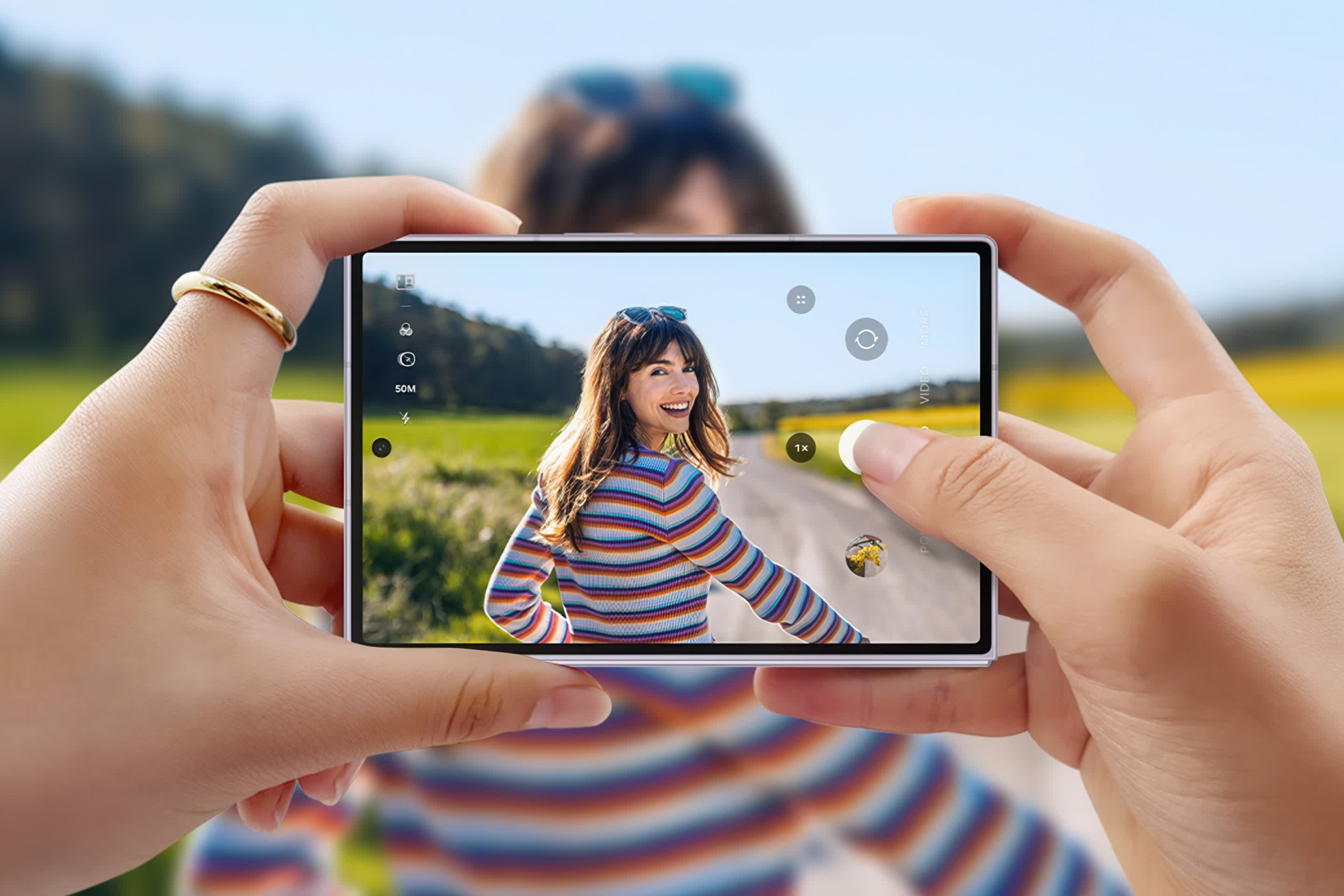
Samsung Galaxy Z Fold 8
For clarity's sake, we wish Samsung had kept "Z Fold 8" for the top-of-the-line model and called the new form factor "Z Fold 8 Wide," as was widely rumored, but that's not what happened.
The new Z Fold 8 is about 1.36" shorter and 0.36" wider than the 8 Ultra, resulting in a smaller but more tablet-like 7.6" 4:3 aspect ratio inner display and a 5.5" 16:10 outer display, versus an 8" nearly square inner display and 6.5" 21:9 outer display on the 8 Ultra.
If the rumors hold up, this passport-style design closely mirrors what Apple is expected to unveil this September with its own foldable iPhone. In other words, Samsung is essentially leading the way on foldable design and innovation and yet, there are many who believe Apple could end up getting credit for evolving or even creating the foldable smartphone category.
To be fair, an Apple foldable will almost certainly drive far more attention to the category overall, and Samsung should benefit from that halo effect, but it still doesn't feel entirely fair.
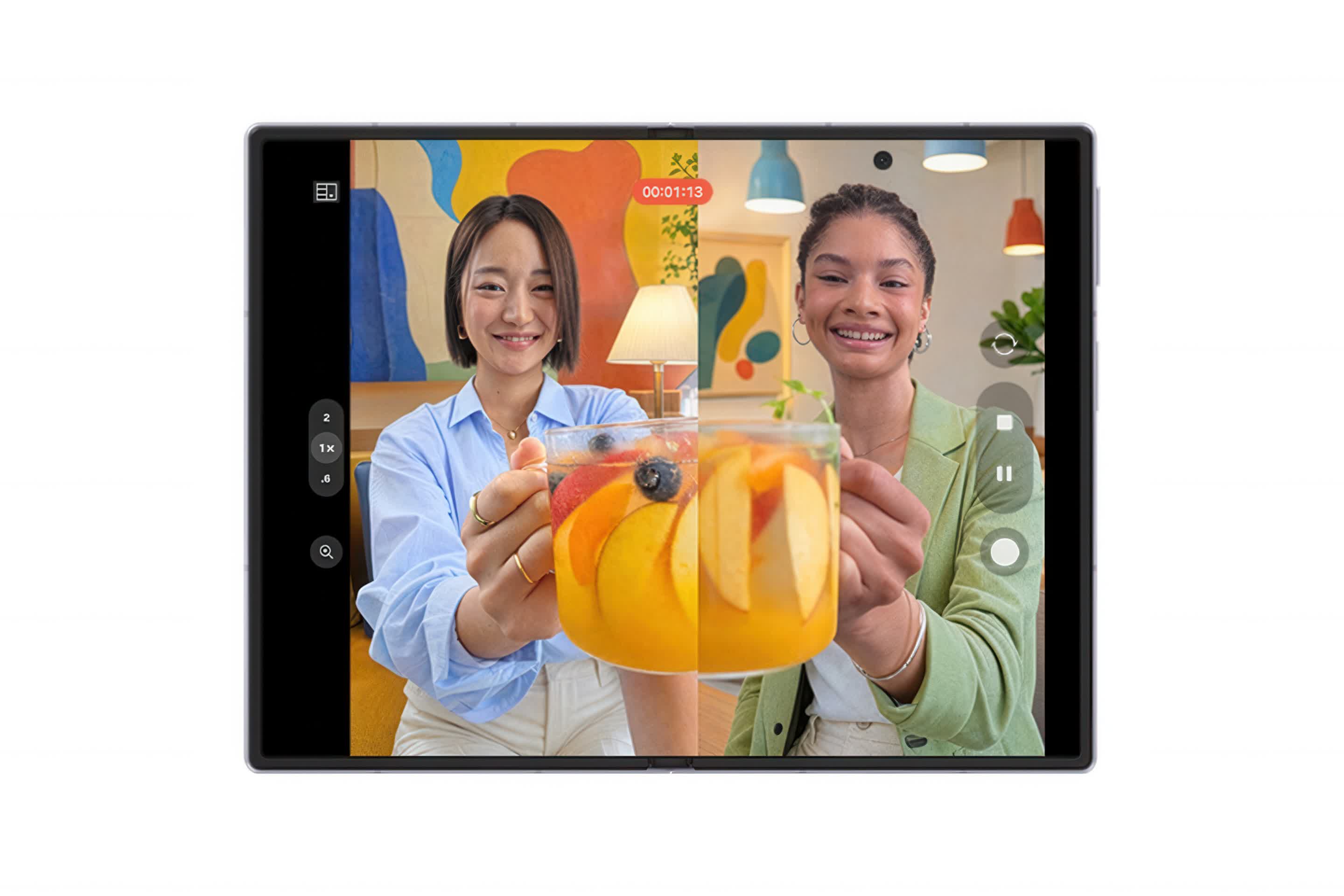
Samsung Galaxy Z Fold 8
On the technology side, Samsung packed several notable advancements into the 8th generation lineup. Chief among them is an improved screen structure the company calls Flex Titanium.
As the name suggests, Flex Titanium uses a titanium alloy, in both a durable, thinner-than-a-human-hair film beneath the OLED panel and in a plate the display attaches to, to reduce the visible impact of the interior fold line (the "crease") to almost nothing. The crease has been a sticking point in previous generations, deterring some would-be buyers uncertain how it would affect day-to-day usability.
As a longtime, loyal Samsung foldable owner, I can say from seven years of experience that in real-world use, the crease fades into the background almost immediately. Still, newcomers glancing at the devices tend to notice and point it out, so this change is an important step forward for the company. Apple's foldable is also rumored to feature similar "creaseless" display technology.
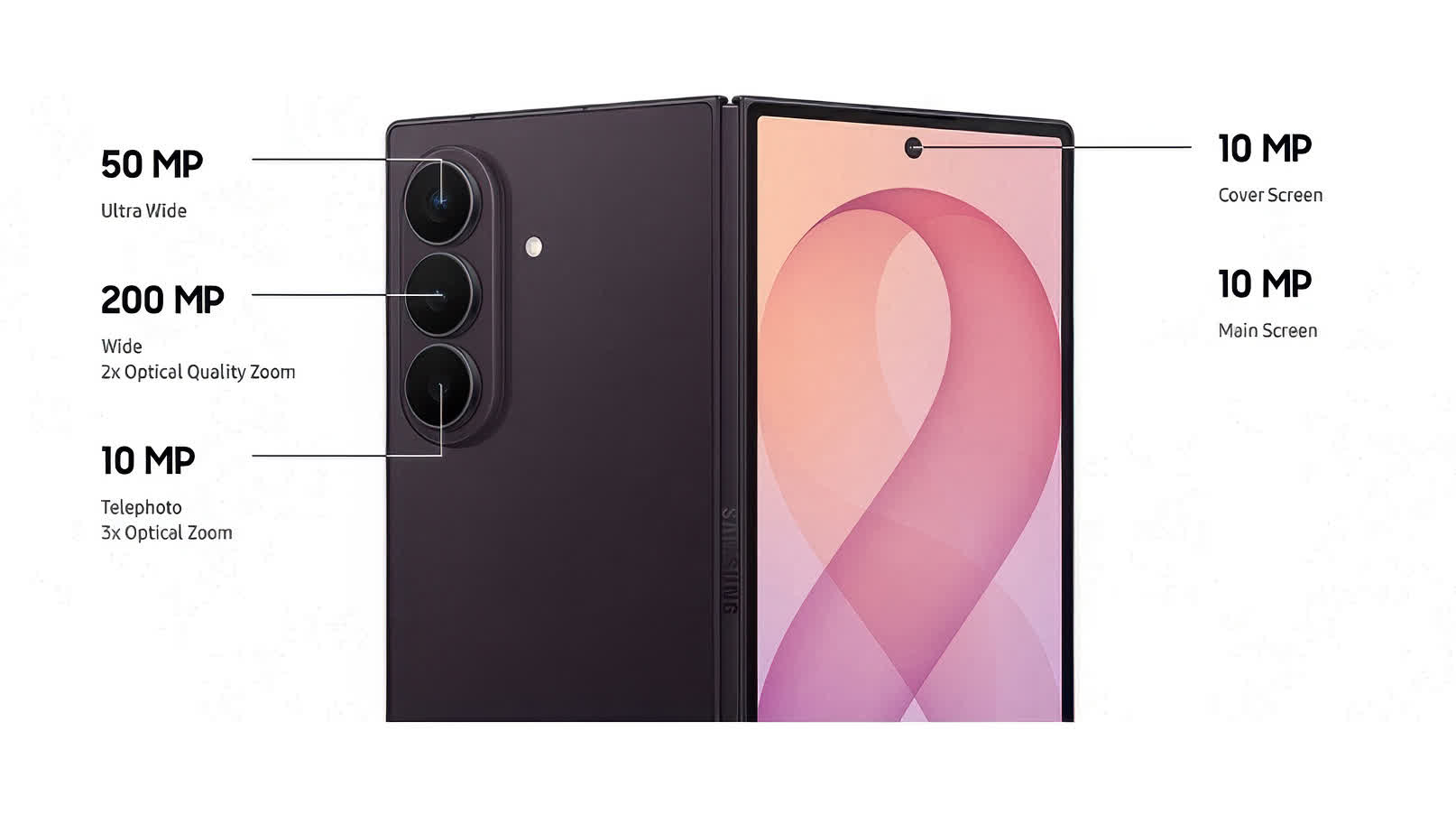
Samsung Galaxy Z Fold 8 Ultra
Samsung is also bringing camera enhancements from the S26 line to its highest-performing Ultra camera system in the Z Fold family. The Fold 8 Ultra includes the now-familiar 3-camera system, with a 200MP main camera, 50MP ultrawide, and 10MP telephoto, while the Fold 8 offers a two-camera setup with a 50MP main camera and 50MP ultrawide.
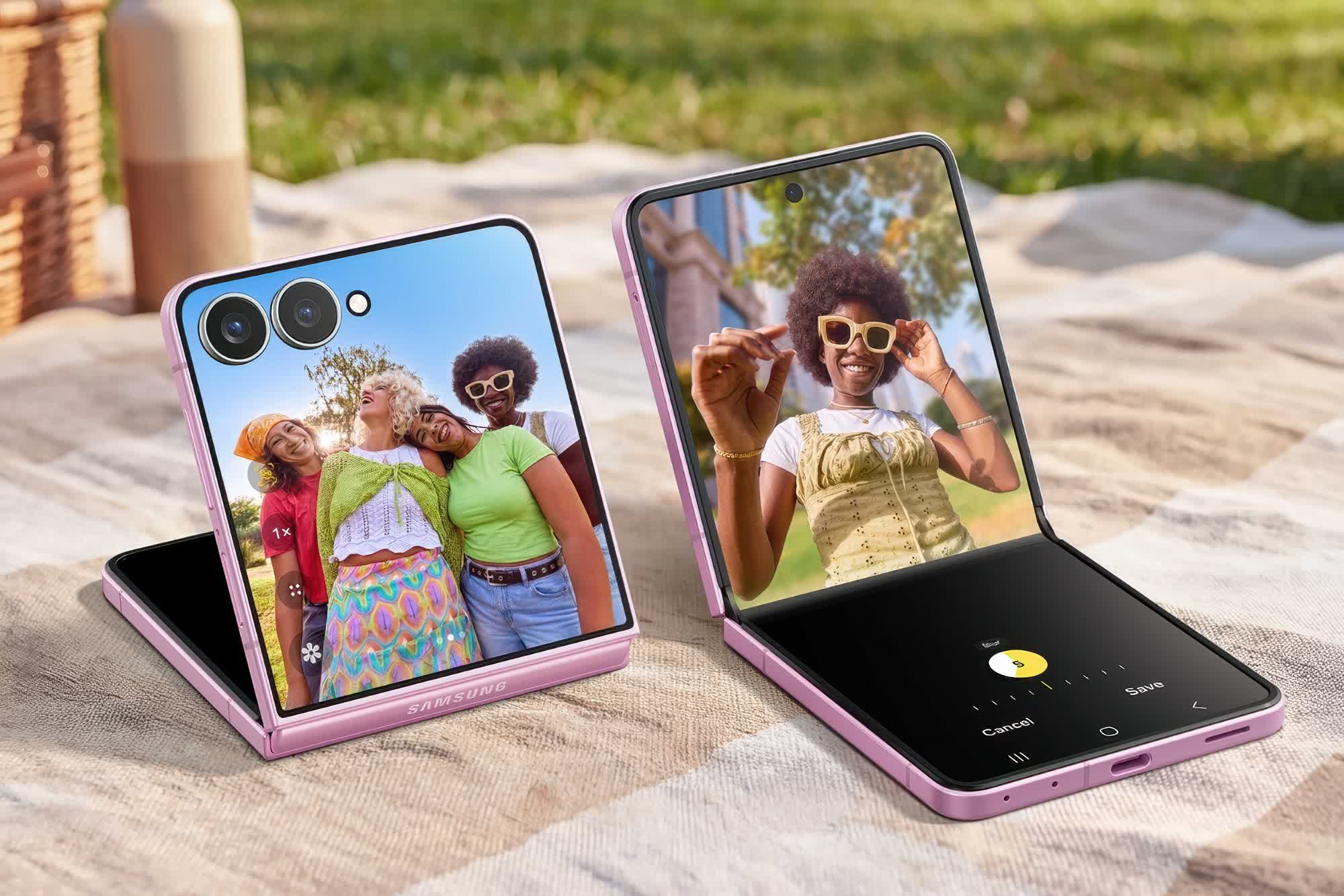
Samsung Galaxy Z Flip 8
As expected, the new devices run on the latest Snapdragon 8 Elite Gen 5 for Galaxy, the chip first introduced with the S26 family earlier this year. It delivers a 20% increase in CPU performance, a 23% increase in GPU performance, and a 37% increase in Hexagon NPU performance for AI tasks, all while cutting power consumption.
On the AI side, the new Z Fold lineup includes several on-device applications for photo editing, image creation, and more. The new Now Nudge feature adds agentic-style on-device intelligence, surfacing context from emails, messages, calendar items, and other personal content.
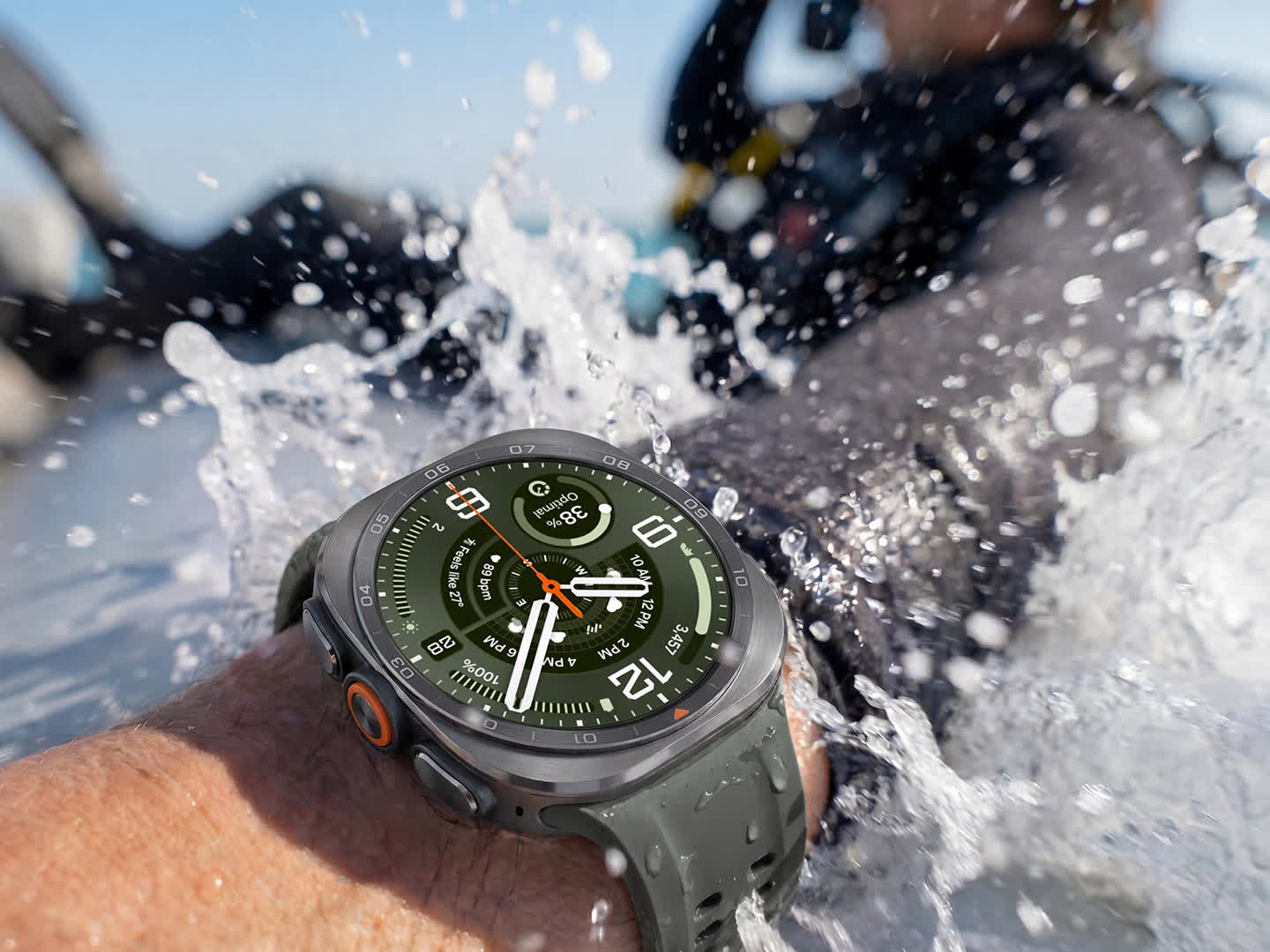
Samsung Galaxy Watch Ultra 2
Given industry-wide pressure from rising memory prices, it's no surprise Samsung raised prices on its 8th generation lineup by roughly $100 over the 7th generation: up to $2,099 for the Fold 8 Ultra versus $1,999 for the Fold 7, and $1,199 for the Flip 8 versus $1,099 for the Flip 7. The wider Fold 8 starts at $1,899 with 12GB of memory and 256GB of storage.
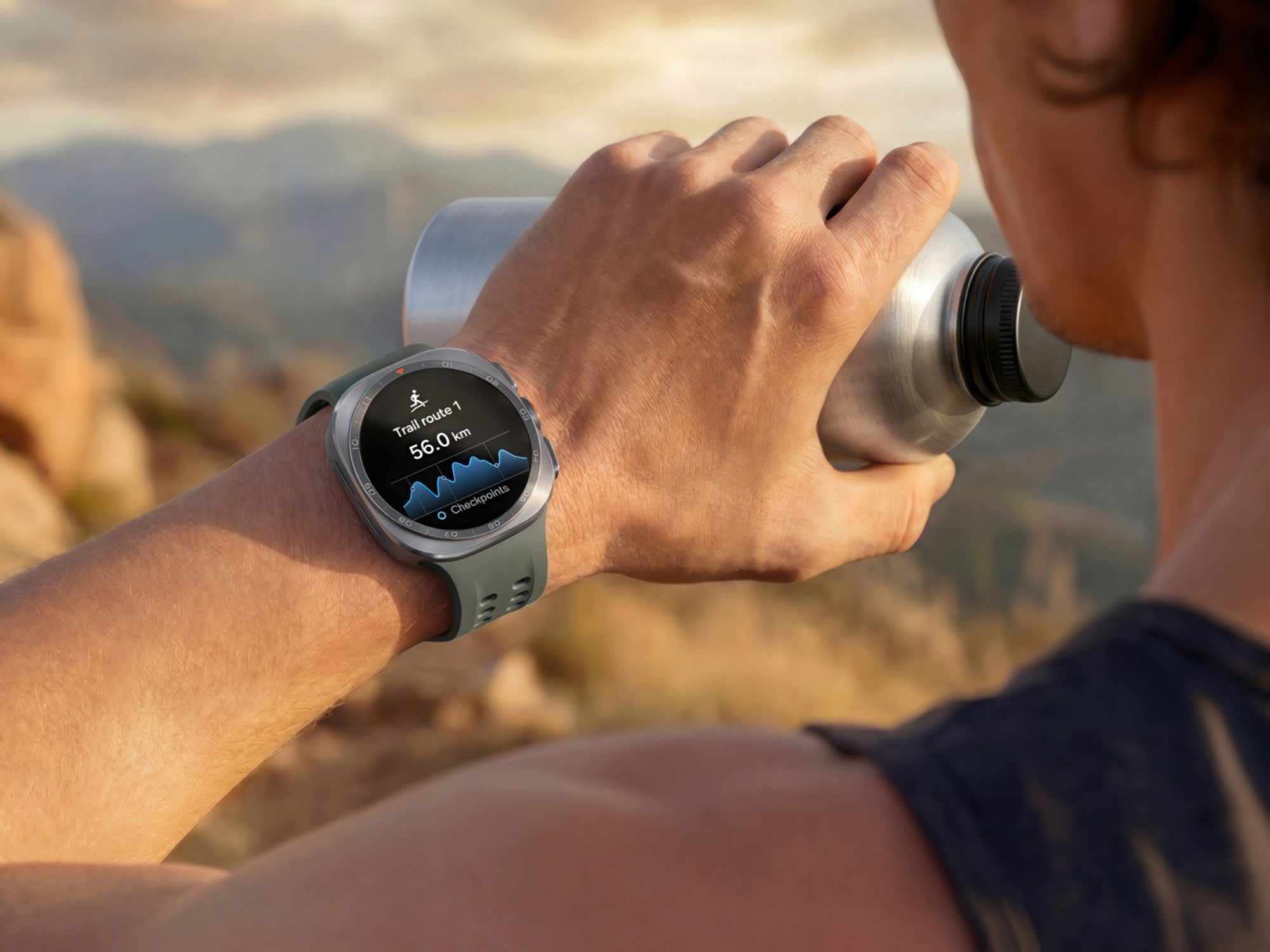
Samsung Galaxy Watch Ultra 2
Alongside the new foldables, Samsung used this year's summer Unpacked to refresh its smartwatch line with the Galaxy Watch 9 and Galaxy Watch Ultra 2, and to tease its upcoming smart glasses.
Built in partnership with Google, Warby Parker, and Gentle Monster, the new glasses will run Android XR and be powered by Qualcomm's Snapdragon AR1 Gen 1 processor. Like the Ray-Ban Meta Wayfarers, they include cameras and microphones to react to their surroundings, but no displays. More details are still to come, though AI integration with Google's Gemini will be a key feature.
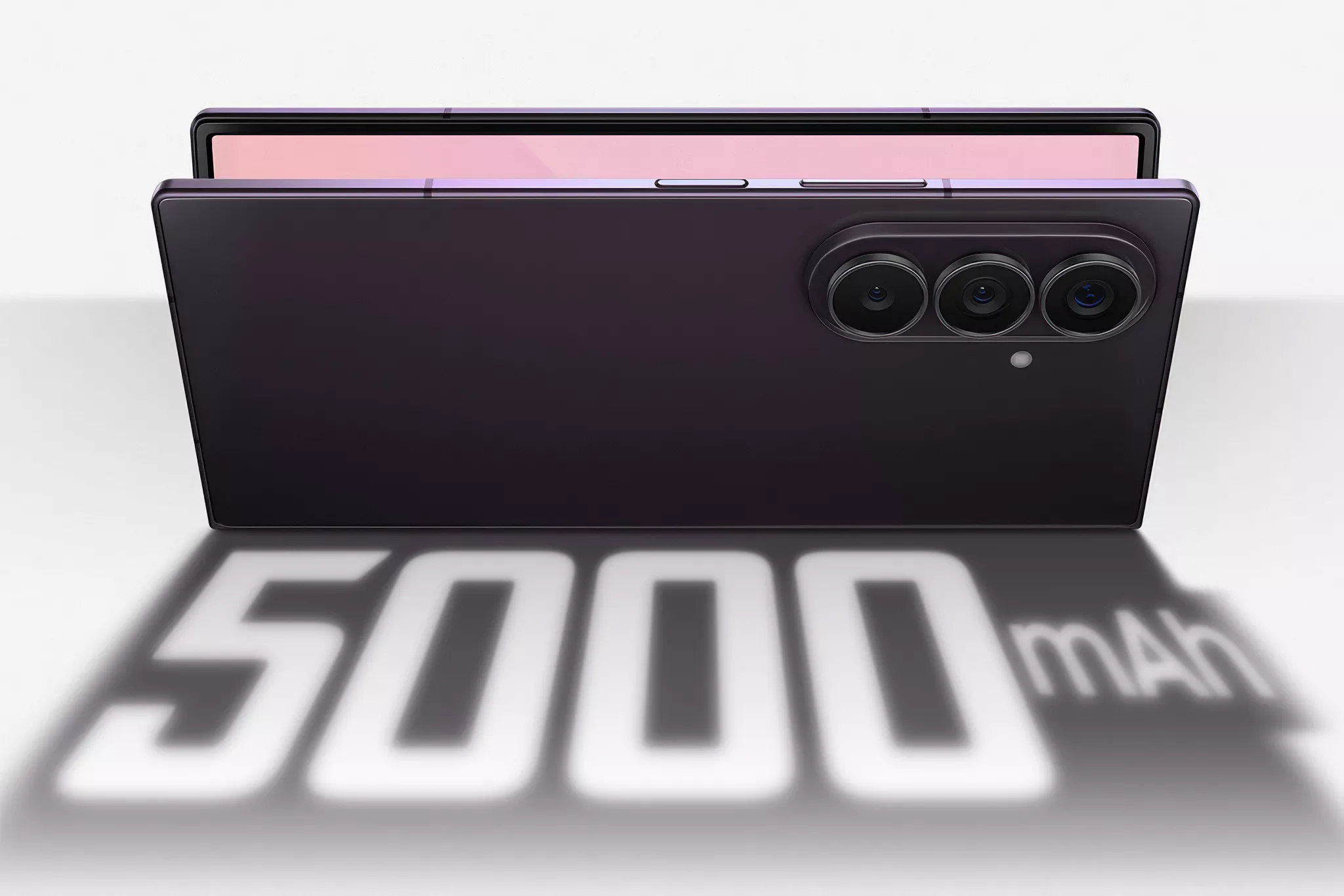
Samsung Galaxy Fold 8 Ultra
As a longtime foldable fan, it's always encouraging to see Samsung push this category forward, and the enhancements in the 8th generation, particularly the new Fold 8 form factor, are solid steps in the right direction.
Foldable smartphones have long had the flexibility and capability to go mainstream, and by continuing to refine its approach, Samsung seems to be moving them closer to that reality.
Bob O'Donnell is the founder and chief analyst of TECHnalysis Research, LLC a technology consulting firm that provides strategic consulting and market research services to the technology industry and professional financial community. You can follow him on Twitter @bobodtech







 English (US) ·