
 3 weeks ago
32
3 weeks ago
32
Memory pricing cycles are nothing new, but the way it’s being sold is changing. Over the past several months, Samsung and SK hynix have begun moving away from long-term, fixed-price supply contracts, replacing them with shorter agreements and post-settlement pricing mechanisms that allow prices to be adjusted after delivery. Micron is also understood to be following a similar path.
According to reporting cited by DigiTimes, these newer contracts are appearing at the same time as the sharp upswing in DRAM and NAND pricing we’ve been watching unfold with relentless escalation, driven primarily by AI infrastructure demand and constrained supply at advanced nodes. Memory makers are expected to make over $551 billion in revenue in 2026.
Post-settlement pricing reflects supplier confidence
Under traditional agreements, DRAM and NAND prices are set at the time of signing. Even if spot prices move sharply, quarter renegotiation typically adjusts pricing within a narrow band of roughly 10%. These arrangements gave the market’s largest buyers cost predictability and insulated them from short-term instability.
Post-settlement pricing does the opposite. While products are delivered at the agreed price during the contract term, the final payment is adjusted at the end of the term to reflect prevailing market prices. If prices rise materially — as with DRAM in recent months — customers pay the difference. On the other hand, suppliers absorb the loss if prices fall.
Now, according to industry sources cited by Digitimes, Samsung, SK hynix, and Micron have all signed such contracts, primarily with large North American technology companies. One source noted that, for major customers, securing memory supply has become a higher priority than locking in price certainty, even if that means paying more later. This is nothing more than fundamental supply and demand dynamics that were bound to come into play given the state of the market in recent months.
It’s important to note that these post-settlement pricing arrangements only work if suppliers are confident that prices will remain elevated, because why would they push for them otherwise? The willingness of all the big three memory makers to adopt post-settlement pricing, unfortunately, suggests they are.
Contract lengths shrink alongside price flexibility
Pricing is not all that's changing — contract durations are also getting shorter. Memory buyers, particularly hyperscalers, are understood to have pushed for longer-term agreements to guarantee supply as demand for high-capacity memory accelerates while supply tightens. Suppliers are obviously starting to push back against those terms, opting instead for contracts lasting mere months. DigiTimes, citing Korean-language publication ET News, gave the example of a North American data center operator failing to secure a two-year supply deal from one memory vendor, subsequently sourcing capacity from another supplier under a shorter contract that included post-settlement pricing.
These supplier-favoring terms are expected to persist at least through the second half of the year, when the pace of memory price increases is projected by some analysts to plateau somewhat. Even then, few expect a return to the long, fixed-price contracts that dominated during the initial post-pandemic years, and who's to say that pricing will start to slow down in any case?
The current state of the memory market is without precedent, strangled tighter and tighter with each passing day by the unrelenting demands of an out-of-control AI bubble. While we have seen some levelling off in recent weeks, it’s borderline impossible to make any meaningful predictions in good faith about where memory pricing may or may not be even next month; we can forget about where it might be six months or more from now because there’s simply no telling.
Operating margins now at 40-50%
Recent analysis from ZDNet shows just how favorable this market has become for suppliers. It projects that Samsung and SK hynix could post NAND operating margins of 40-50% for the first half of 2026, levels that would have seemed implausible during the oversupply conditions we saw in 2022 and early 2023. Those margins are predicated not just on higher prices, but disciplined supply management and a willingness to walk away from unfavorable contracts.
ZDNet notes that the industry expects that NAND products will reach record profitability for the first time since 2017, adding that its margins are estimated to have climbed into the 20% range in Q4 2025. NAND prices are expected to rise in stages across Q1 and Q2 of this year, with conservative capital spending continuing to tighten supply and contribute to what is becoming a chronic shortage.
Not all buyers are feeling the effects of this equally, though. Apple is one company that, according to TF International Securities analyst Ming-Chi Kuo, has shifted its memory price negotiations from a six-monthly to quarterly cadence. He expects LPDDR prices to rise in Apple’s first fiscal quarter of 2026, with further increases likely in the following quarter. NAND price increases are expected to be more modest.
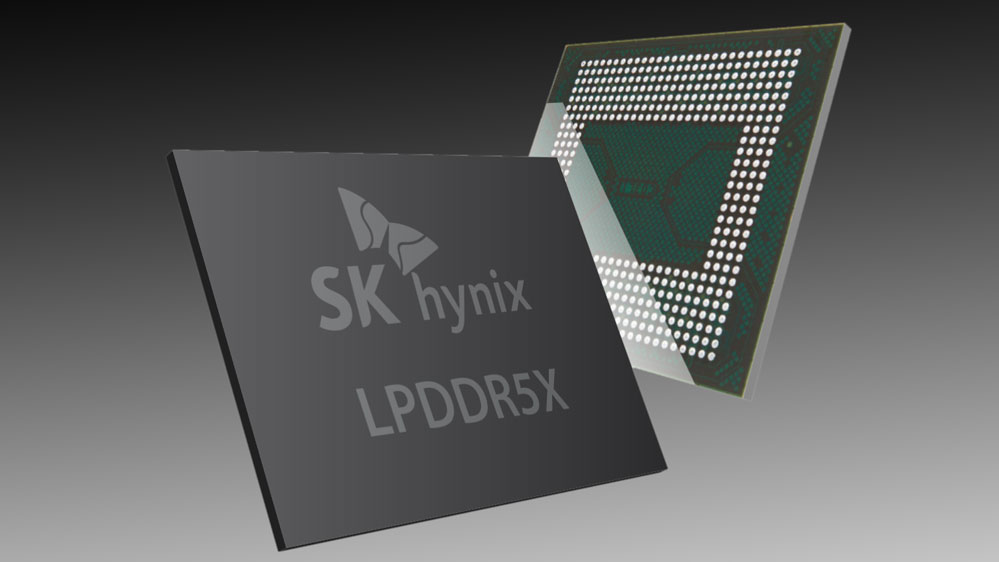
Kuo also notes that many smartphone brands are struggling to secure sufficient memory supply even when they’re willing to pay higher prices. Some Chinese vendors have reportedly delayed product launches or reduced hardware specifications as a result. But Apple’s position is different: While higher memory costs could pressure gross margins in the near term, Kuo suggests the iPhone maker is willing to absorb those costs to protect shipment volumes, adding that Apple is considering keeping its starting prices for its planned iPhone 18 lineup largely unchanged.
All these factors together demonstrate that there’s a structural shift taking place in how memory is allocated and sold. The balance of power has moved firmly back toward suppliers, and that’s causing contract terms to adjust accordingly.
This doesn’t mean that prices will rise indefinitely. Memory remains a cyclical, capital-intensive industry, and periods of high profitability tend to attract overinvestment. But the current contract changes suggest that suppliers are prioritizing margin discipline and pricing flexibility over volume stability, and will continue to do so in at least the medium term.







 English (US) ·