
 3 weeks ago
48
3 weeks ago
48
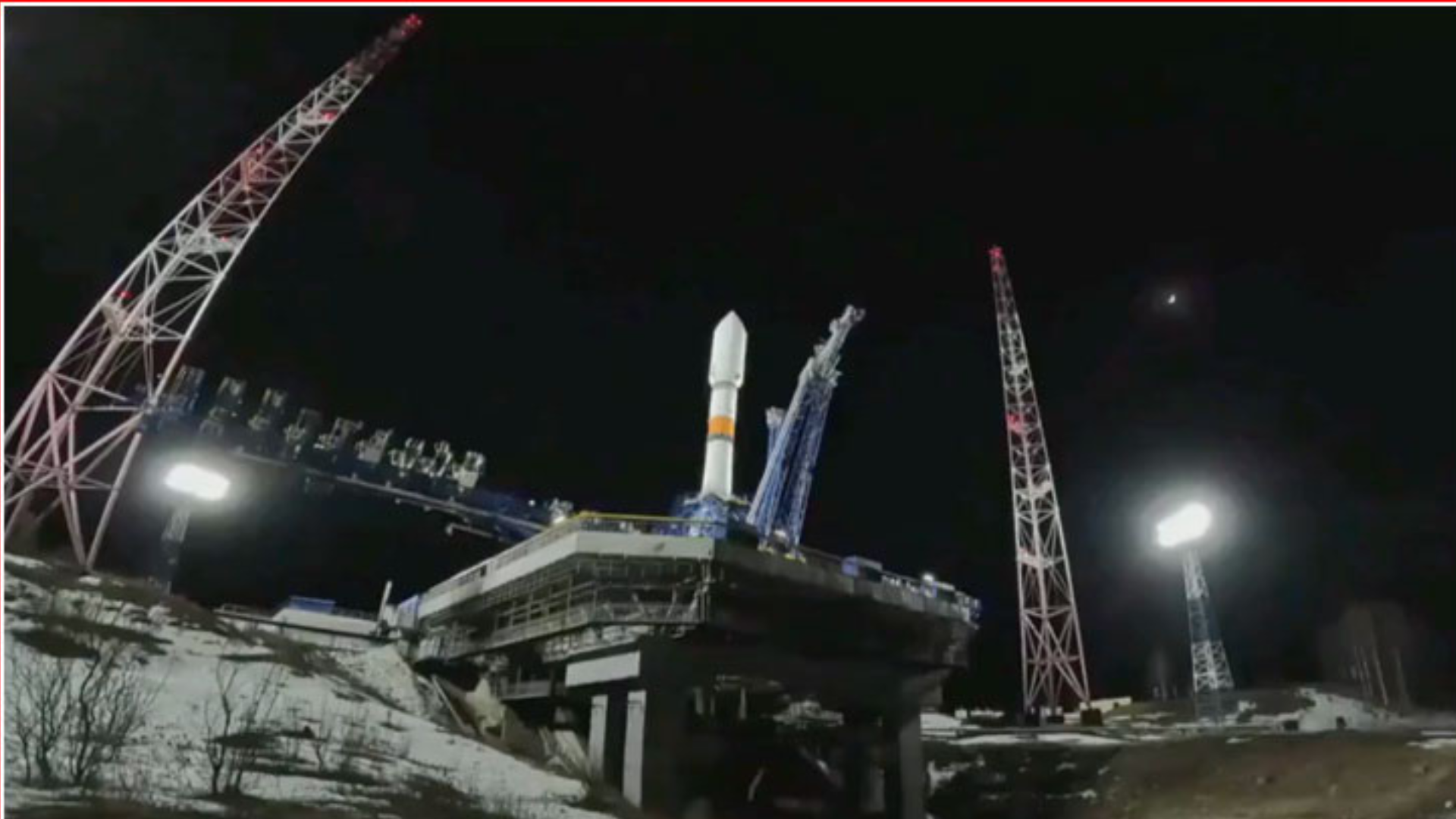
The entire second batch of Russian Rassvet satellites have failed to reach their target operational altitudes, reports the U.S.-based Institute for the Study of War (ISW), citing data from live satellite tracker N2YO. They were supposed to reach an operational altitude of 870 kilometers, but “many of these satellites ended up at altitudes between 300 and 400 kilometers, and some are experiencing orbital decay,” notes the source. Moreover, two of the second batch are already on their fiery return journey to Earth.
We’ve been watching the progress of Rassvet, the Russian homebrew alternative to Elon Musk’s Starlink, with some interest in 2026. Russia accelerated its state-funded satellite internet development after access to Elon Musk’s solution was removed, when a new whitelist user-access system was implemented (after some prior ineffective Russia-blocking efforts).
Developed by a private aerospace outfit called Bureau 1440, the Russians aim to expand the Rassvet constellation to 900 satellites by 2035. There’s still a very long way to go to hit that target. In March we reported on the launch of the first 16 Rassvet satellites. In June we followed up with news that one of them, dubbed ‘Object 4,’ had dropped out of orbit already. The ISW now says that only 12 of the first batch actually reached their anticipated altitudes. Running at lower altitudes will mean reduced lifespans as the lower-altitude satellites require more fuel.
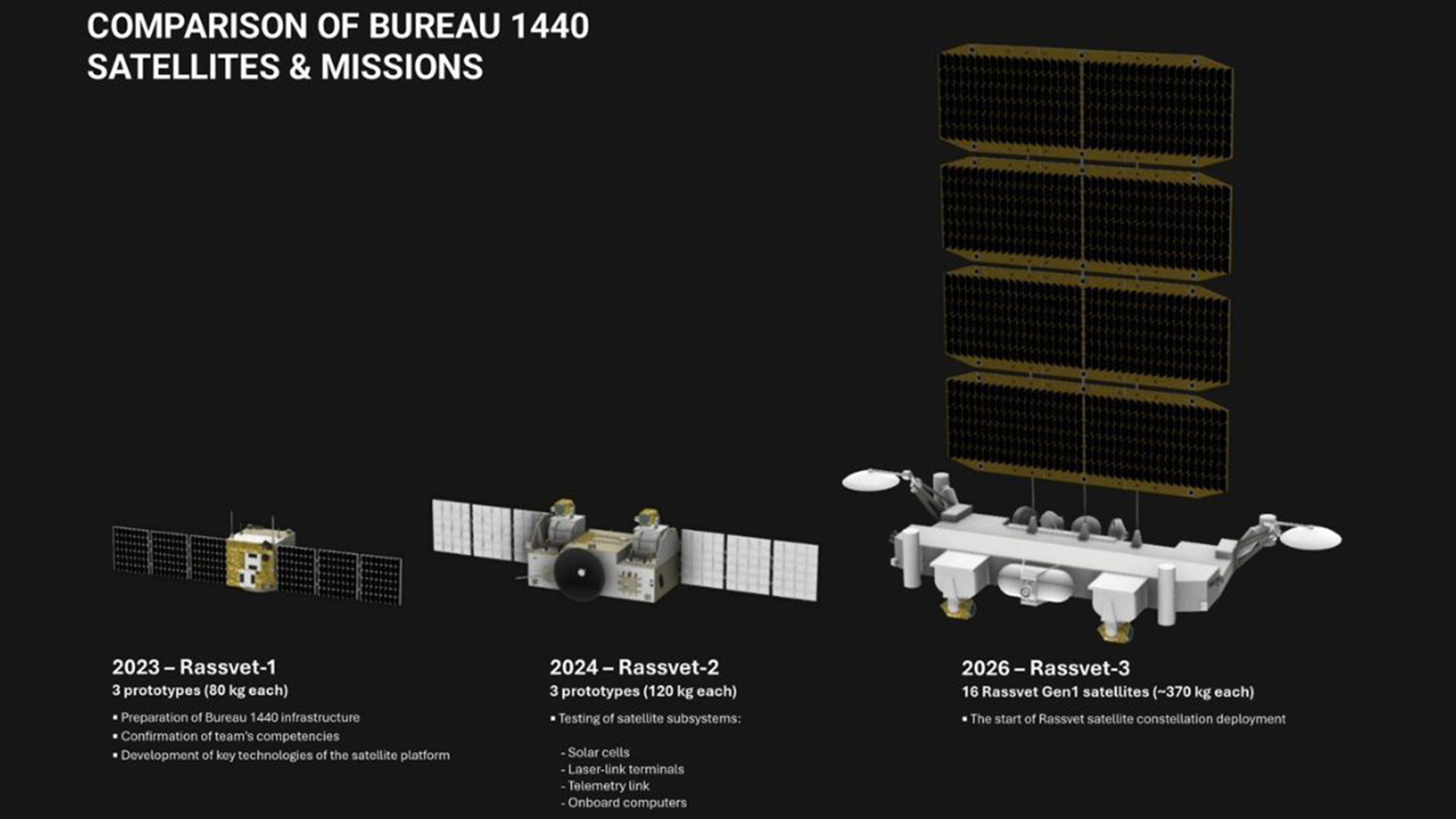
The second set of 16 Rassvet satellites was launched in mid-June. Reports indicate that none of the second batch have reached their anticipated altitudes, so things don’t look good for this project. The ISW reckons that Russia will need at least 200 to 300 fully operational Rassvet satellites to achieve stable connectivity over Ukraine 24/7. Rassvet as it stands offers two up-to-90-minute connectivity windows a day over Ukraine. Meanwhile, Ukraine’s strategists surely have Russian satellite production and launch facilities on targeting lists. It looks like Russia’s interim target of 250 operational Rassvet satellites sometime in 2027 will have to be revised.

Follow Tom's Hardware on Google News, or add us as a preferred source, to get our latest news, analysis, & reviews in your feeds.







 English (US) ·