
After suggesting stricter rules for rocket disposals, the Federal Aviation Administration (FAA) has backed off its attempt to mitigate the growing risks of space debris.
The FAA first proposed the measure in September 2023, which would have required private space companies to dispose of rocket upper stages after they’ve fulfilled their task of deploying payloads to orbit. As of January, the FAA has withdrawn its proposed rules as it conducts further study on the issue, ProPublica reported. The move aligns with President Donald Trump’s attempts to ease regulations for the private space industry and concedes to pressure by companies such as SpaceX.
Safe disposal
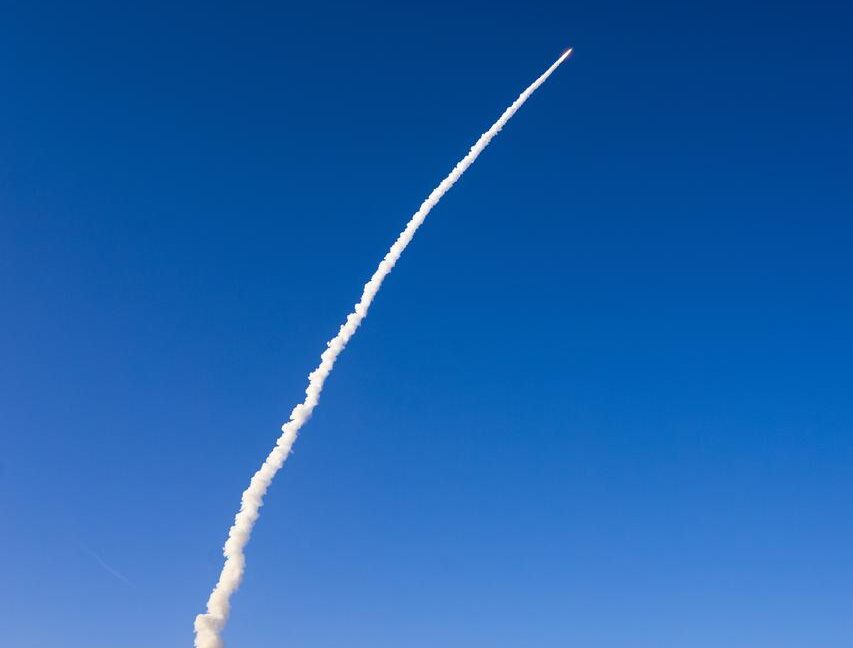
After deploying payloads to orbit, rocket upper stages are typically left behind in Earth orbit, where they remain as space debris for months or years. Their orbit decays over time, and they reenter through the atmosphere in an uncontrolled manner.
The spent upper stages account for 11% of tracked objects in orbit, according to the European Space Agency (ESA), serving as a major component of space debris.
As part of its proposed measures, the FAA suggested five disposal options for space companies to remove their discarded rocket parts. Those options included carrying out a controlled reentry of the upper stage, moving it to a less congested orbit (also known as a graveyard orbit), sending it farther into space on an Earth-escape trajectory, retrieving the upper stage within five years of launch, or performing an uncontrolled atmospheric disposal where it burns up upon reentry.
The idea behind the proposal was to align the orbital debris mitigation practices of commercial space launches with those already adopted by the U.S. government for its space missions.
SpaceX, Blue Origin, and other rocket companies heavily criticized the FAA’s proposal, questioning the agency’s jurisdiction over the matter. The companies also expressed concerns over how much upper-stage disposal would cost them.
Business as usual
In response to the pressure, the FAA decided against implementing its new rules for rocket disposal. The agency cited concerns regarding cost and the limits of its authority, adding that it would conduct further study on the issue and possibly revise the proposed measures, according to ProPublica.
The withdrawal of the proposed rules aligns with the current administration’s pandering to the private space industry. In August 2025, President Donald Trump called for an easing of regulations for commercial spaceflight and streamlining the licensing for rocket launches and reentries. Trump signed an executive order to “eliminate or expedite…environmental reviews for, and other obstacles to the granting of, launch and reentry licenses and permits.”
Meanwhile, SpaceX claims that it has been working on reducing the amount of space debris in orbit. “In 2024, 13 out of 134 upper Falcon 9 stages remained on-orbit after successful payload deploys. In 2025, we reduced this number to three out of a total of 165 launches,” SpaceX wrote in a statement.






 English (US) ·