Since Ridley Scott adapted the sci-fi thriller in 1982, Blade Runner has become a cult classic and remains one of the most underrated movies from that era. However, the classic didn't develop into a franchise until 35 years later, when Denis Villeneuve directed the critically acclaimed sequel, Blade Runner 2049. Now, the universe is expanding with the first television sequel Blade Runner 2099, set to premiere on Prime Video this month.
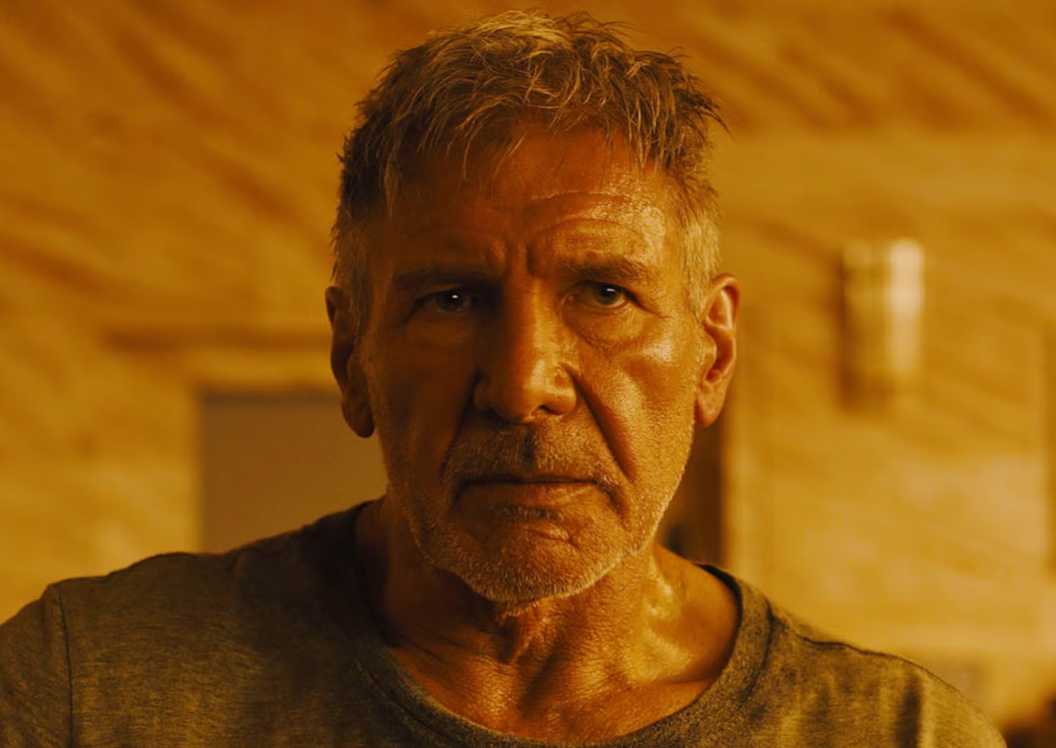
With so much rich lore expanding through sequels and spinoffs, one of the most debated mysteries is whether Harrison Ford's protagonist, Rick Deckard, is a replicant. Unfortunately, it appears that the question will remain unresolved even with Prime Video's new series. In a recent issue of Empire Magazine (via The Direct), Blade Runner 2099 showrunner Silka Luisa confirmed that the script doesn't mention Deckard at all, saying, "Why would you ask?" That lack of reference means that the series won't address his humanity.
Furthermore, she also argued that the lack of clarity about who is human or a replicant is built into the world's lore, exclaiming: "Not knowing is part of what makes the world so disorienting."
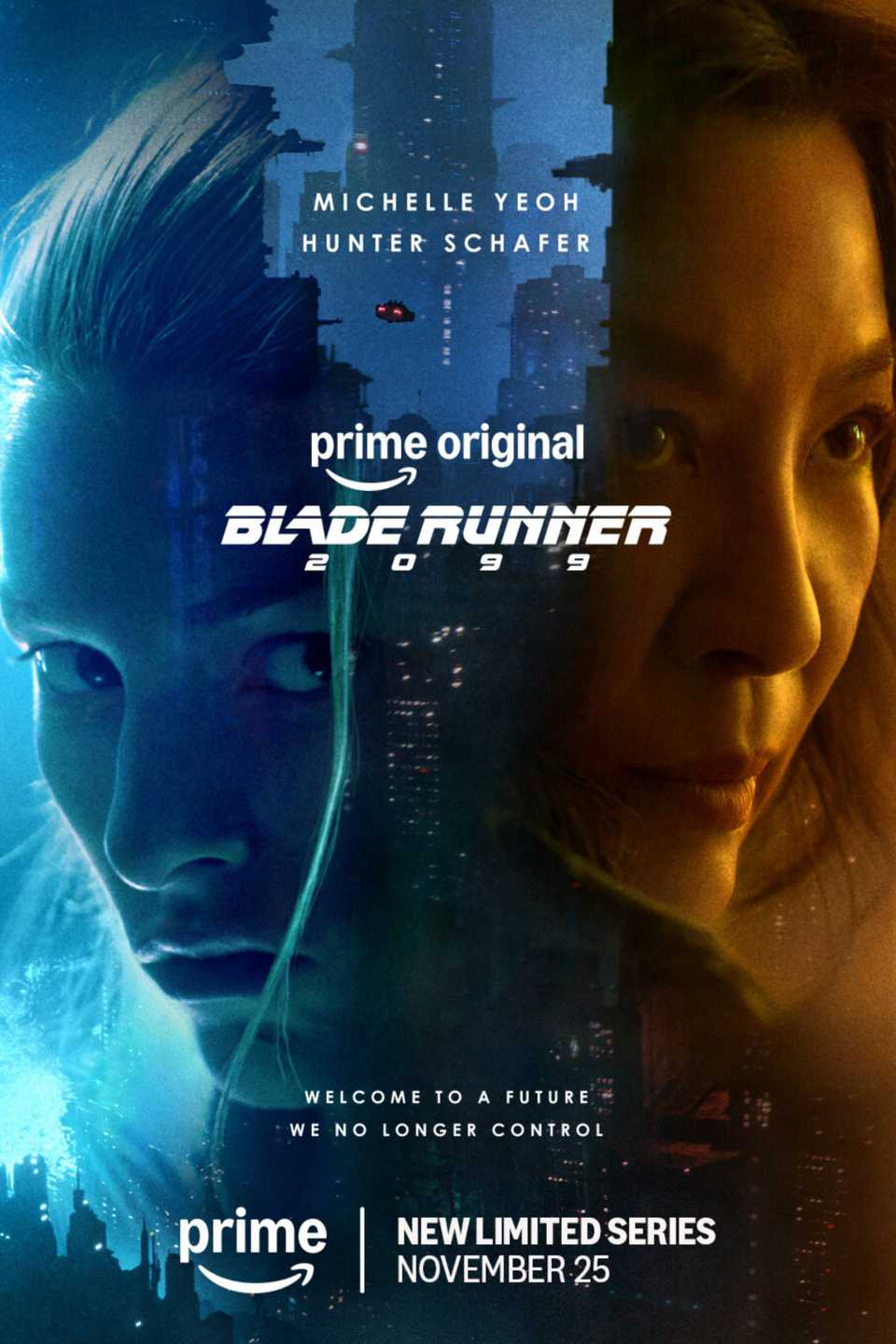
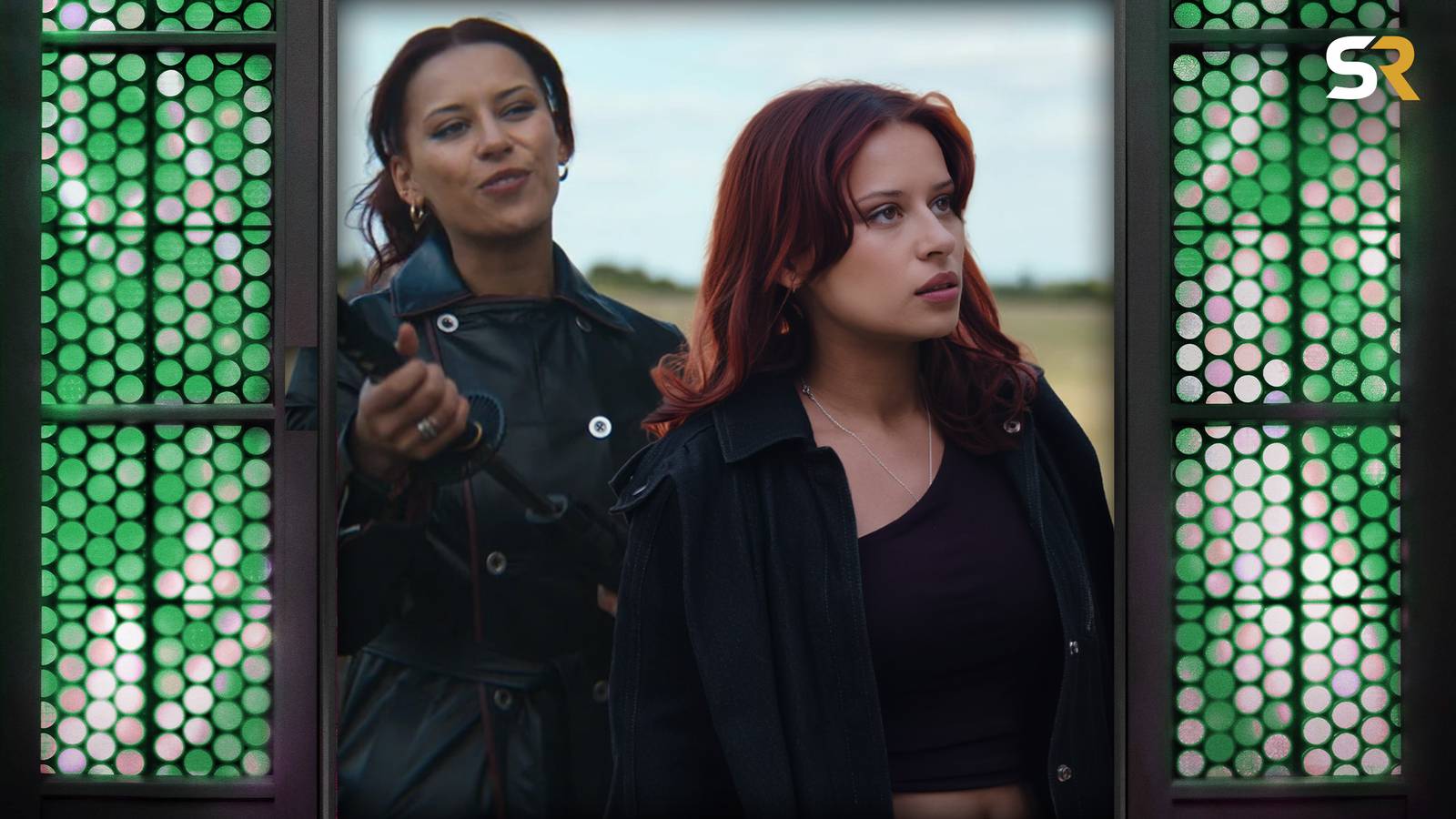
The upcoming 2099 series will take place 80 years after Scott's original movie and 50 years after the sequel. While the two epic movies saw Ford and Ryan Gosling's protagonists hunting down rogue replicants, the show turns the tables, as replicants become the ruling class after winning the war against humans. Nevertheless, the story is similar to Blade Runner's search for rogue replicants. This time, the main players are a Replicant Blade Runner, Olwen (Michelle Yeoh), and her partner, Cora (Hunter Schafer), a human posing as a replicant.

Rearrange the movies into the correct US release order.
Luisa's recent comments track with updates about the show's connection to the movies. Despite being in the Blade Runner universe, the showrunner previously said watching the two movies wasn't required, and that Ford won't appear in the series. In September 2026, she told Collider that she structured the show so that "you would understand because of the way the story evolves." The 50-year time jump from Blade Runner 2049 may be the key reason to avoid mentioning Deckard and keep the show standalone since he may be long dead.
Unfortunately, that also means the question of Deckard's humanity will continue to linger as a cold case. Although Philip K. Dick's novel, Do Androids Dream of Electric Sheep?, made it clear that the protagonist was human, Scott introduced more ambiguity about his humanity in the film.
In fact, the legendary filmmaker has argued that Deckard is indeed a replicant, with the unicorn dream sequence and Gaff's original origami serving as proof. Meanwhile, Ford countered that notion, intending for his character to be human to provide the emotional resonance as he develops romantic feelings for the replicant Rachael (Sean Young).
Blade Runner 2049 ended with Gosling's K helping Deckard reunite with his daughter after faking his death, and the sequel never took a direct position on his humanity. Now, that ambiguity will linger, allowing the debate to persist even after the 2099 series drops.
The remaining main cast includes Dimitri Abold and Lewis Gribben, while Tom Bruke, Daniel Rigby, Johnny Harris, and Amy Lennox have recurring roles. Scott is an executive producer. Luisa also confirmed that Blade Runner 2099 won't have a season 2 because it has a contained beginning, middle, and end.
Blade Runner 2099 will drop all eight episodes on November 25, 2026, on Prime Video.
Release Date
2026 - 2026-00-00
Network
Prime Video
Showrunner
Silka Luisa






 English (US) ·