


Published Feb 23, 2026, 3:58 PM EST
Tom is a Senior Staff Writer at Screen Rant, with expertise covering everything from hilarious sitcoms to jaw-dropping sci-fi epics.
Initially he was an Updates writer, though before long he found his way to the TV and movies team. He now spends his days keeping Screen Rant readers informed about the TV shows of yesteryear, whether it's recommending hidden gems that may have been missed by genre fans or deep diving into ways your favorite shows have (or haven't) stood the test of time.
Tom is based in the UK and when he's not writing about TV shows, he's watching them. He's also an avid horror fiction writer, gamer, and has a Dungeons and Dragons habit that he tries (and fails) to keep in check.
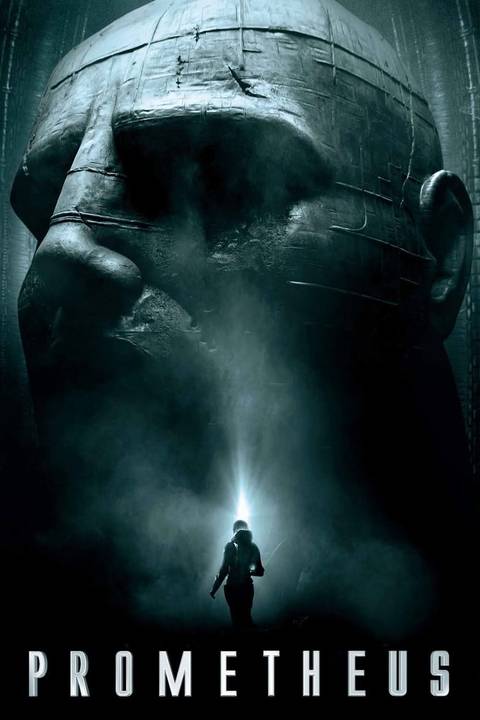
If there’s one sci-fi blockbuster from the last few decades that truly deserves to thrive in the streaming era, it’s Prometheus. Directed by Ridley Scott, the 2012 epic grossed over $403 million worldwide (via Box Office Mojo). Yet despite that impressive haul, its theatrical run was defined by heated debate and sharply divided reactions.
Audiences and critics couldn’t quite agree on what they had just seen. Was it a bold reinvention of the Alien mythos or a frustrating near-miss weighed down by unanswered questions? That tension defined the legacy of the movie for years. However, time has a way of reshaping reputations, and streaming has given Prometheus the second lease of life it always deserved.
Now, more than a decade later, Prometheus is experiencing a major resurgence. At the time of writing (via FlixPatrol), it sits at #2 on Netflix globally (though in the US it remains on HBO Max). That kind of performance proves something important: Ridley Scott tapped into a sci-fi story that resonates far beyond a simple Alien prequel.
Prometheus Is One Of The Most Divisive Sci-Fi Movies Of All Time
A Visually Daring Epic That Split Audiences Down The Middle

At first glance, the premise of Prometheus is a straightforward, albeit ambitious, sci-fi story. It follows a team of scientists and explorers who travel across the galaxy in search of humanity’s creators. Led by archaeologists Elizabeth Shaw (Noomi Rapace) and Charlie Holloway (Logan Marshall-Green), and funded by Peter Weyland (Guy Pearce), the crew arrives on a distant moon with more questions than answers.
What they find is both awe-inspiring and horrifying. It’s also here that Prometheus distinguishes itself from other sci-fi movies about intrepid space explorers. The film blends existential philosophy with body horror, cosmic mystery, and franchise DNA. For many viewers, that ambition was exhilarating. For others, it was maddening.
The praise was loud and deserved in many respects. Visually, Prometheus is stunning. From the cavernous Engineer structures to its sterile spacecraft interiors, Scott’s direction delivers scale and atmosphere that few modern sci-fi films can match. The philosophical undercurrent, asking who created humanity and why, gives the film a weight that elevates it beyond sci-fi monster-movie expectations.
What’s more, Michael Fassbender’s performance as David stands out to such a degree that it warrants singling out for individual praise. His android is unsettling, curious, and quietly menacing. Fassbender gives David layers of intrigue that reward repeat viewings of Prometheus, turning him into one of the Alien franchise’s most compelling figures.
However, criticisms of Prometheus were equally persistent. Plot holes, questionable character decisions, and ambiguous ties to the larger Alien universe frustrated many viewers. Some expected a direct prequel; instead, they received something more abstract. Even so, the $403 million global box office proved that curiosity was strong. Plus, its sustained streaming popularity almost 15 years later suggests that time has softened even its harshest critiques.
Why Prometheus Continues To Be So Popular
Its Scale, Mystery, And Performances Make It Perfect For Streaming

Despite its divisive reception in 2012, Prometheus has become a dependable streaming performer whenever it lands on a platform. Its current #2 global position on Netflix is far from an isolated spike. Over the years, it has repeatedly drawn in viewers who may have skipped it theatrically or who want to reassess it with fresh eyes.
Part of that staying power comes down to spectacle. The visuals in Prometheus remain striking even in today’s CGI-heavy landscape. On the high-definition screens of today, its sweeping alien vistas and detailed production design feel immersive. Streaming in the 2020s allows audiences to revisit the jaw-dropping sights of Scott’s movie from the comfort of their living rooms with cinema-grade quality.
Outside of the polished aesthetics, the slow-burn dread of Prometheus also translates perfectly to at-home viewing. Ridley Scott builds tension patiently, letting unease settle before unleashing bursts of horror. The atmosphere is thick, deliberate, and absorbing. That tone makes it easy to sink into for two hours.
Then there’s the film’s enigmatic nature. Prometheus doesn’t hand over clear answers. Instead, it invites interpretation. That ambiguity makes it endlessly discussable and highly rewatchable. Viewers return to parse clues, reconsider motivations, and rethink the Engineers’ intentions.
This latest surge of streaming popularity for Prometheus is also probably partly fueled by renewed franchise interest. The success of Alien: Romulus, Alien: Earth, and even Predator: Badlands, which features a Weyland-Yutani synthetic at its center, have driven fans back to Scott’s ambitious prequel.
Ridley Scott Never Concluded His Alien Prequel Saga
The Story Prometheus Began Was Never Fully Finished

The real tragedy of Prometheus isn’t that it divided audiences. It’s that it began a story that was never allowed to properly conclude. Ridley Scott returned to this narrative with Alien: Covenant in 2017, deepening the connection between Shaw’s journey and the established Alien mythology.
Alien: Covenant pushed David’s arc into darker territory and tied the prequel saga more explicitly to the origins of the Xenomorph. The film’s ending clearly set up a third installment. The pieces were in place for a final chapter that could bridge the gap fully.
Sadly, that chapter never materialized. The Alien franchise shifted direction, exploring new creative avenues like the story that became 2024’s Alien: Romulus, while Scott moved on to projects like Napoleon and Gladiator II. The prequel storyline was left suspended, its biggest questions unresolved.
Still, the door is not completely closed. Speaking to The Guardian, Ridley Scott made his position on a return to the Alien franchise to complete his trilogy clear:
“Another Alien prequel - yeah, if I get an idea, for sure.”
It’s may not be a confirmation that the story will get the conclusion it needs, but it’s still a spark of hope. As Prometheus continues to thrive on streaming and draw in new generations of sci-fi fans, that spark feels increasingly significant. Its ongoing popularity proves the appetite is still there. Plus, if the right idea emerges, Ridley Scott’s cosmic saga may yet find the ending it deserves.
Release Date June 8, 2012
Runtime 124 minutes
Writers Jon Spaihts, Damon Lindelof, Ronald Shusett, Dan O'Bannon
Producers David Giler, Walter Hill






 English (US) ·