
 1 hour ago
8
1 hour ago
8
Replit CEO and co-founder Amjad Masad took the stage at TechCrunch Disrupt 2026 and addressed his company’s relationship with Anthropic, one of the most important supplier ties in AI coding. Replit has not publicly announced any termination of that collaboration.
What Masad did make clear is that Replit does not intend to bet the company on any single model provider. That matters, because the labs supplying the models are increasingly becoming the competition.
The self-driving company pitch
Masad spoke at Disrupt, which ran October 15–16, 2026. He used the appearance to lay out what he calls the “self-driving company.”
The idea is simple to describe and harder to execute. AI agents handle the repetitive first pass on operational work, and people step in where judgment is required.
Support tickets are his showcase example. At Replit, AI agents now perform the initial triage on incoming tickets, digging through GitHub, the company’s codebases and Linear before a human ever looks at the issue.
Replit has run this model internally since early 2026. Masad framed it as a shift in how work gets divided, with employees freed up for strategic decisions rather than sorting through queues.
The numbers behind the confidence
Replit’s financial trajectory explains why people listen when Masad talks. The company’s revenue stood at $2.8 million in 2024.
By 2026, its projected annual run-rate is approaching nearly $1 billion. That is more than a hundredfold increase in roughly two years.
Replit’s valuation climbed from $3 billion to $9 billion earlier this year, tripling on the back of a $250 million funding round.
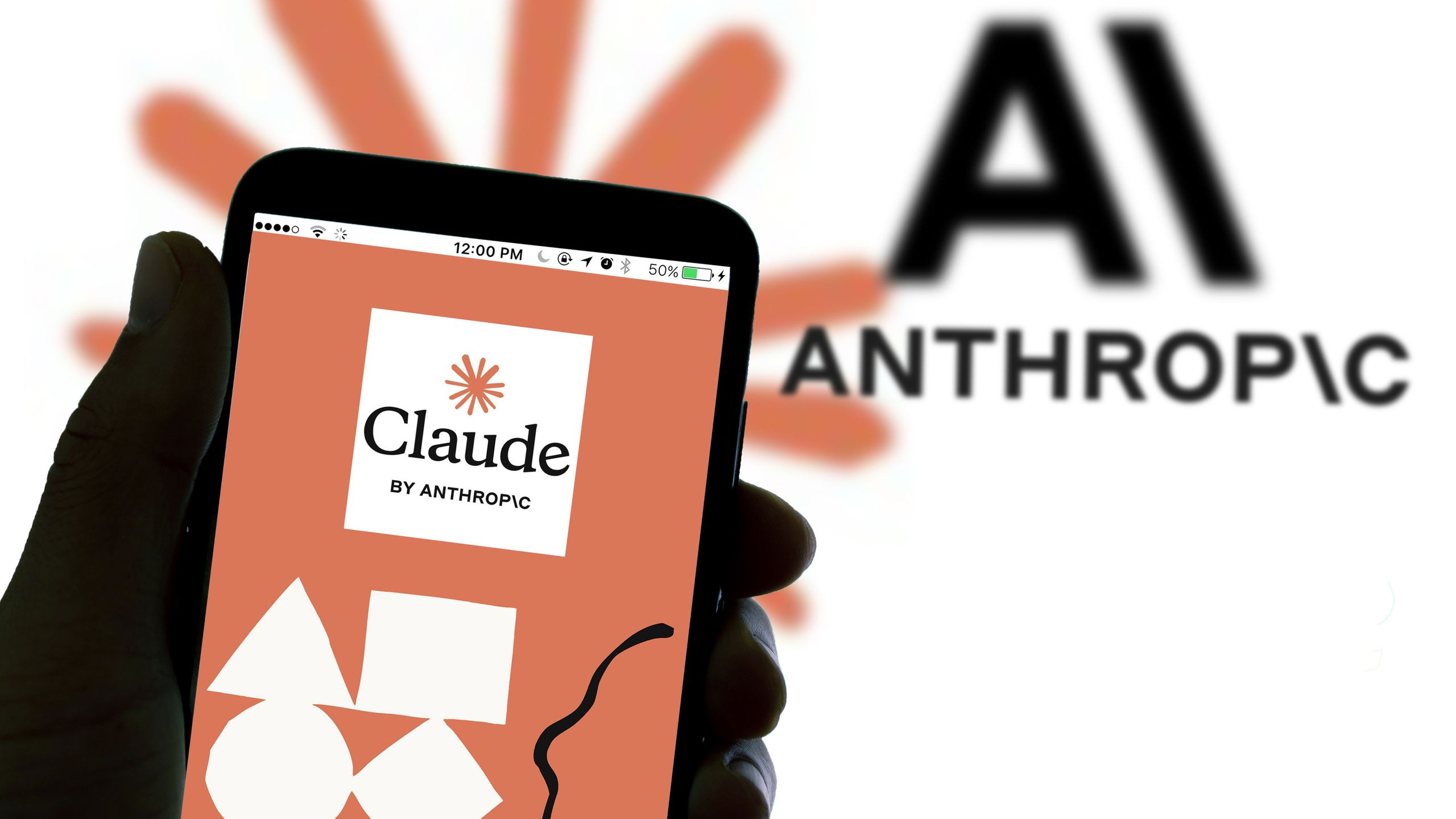
Much of that growth rides on Replit’s Agent product, which lets users describe what they want and have AI build it. Anthropic’s Claude models have been central to Agent since 2024, and the integration remains active.
Why the Anthropic question keeps coming up
The tension is structural. Replit depends on frontier AI labs for the models that power its product, and those same labs are building their own coding tools.
Masad acknowledged the risk directly. He pointed to Anthropic and OpenAI as potential competitors that could launch tools aimed at the same users Replit serves.
Replit’s answer is multi-model flexibility. Masad emphasized that the company is steering clear of reliance on any one AI provider, keeping the ability to swap or combine models as the market shifts.
What this means for the AI coding market
Model providers control the most expensive and hardest-to-replicate layer of the stack. Application companies like Replit control the user relationship, the workflow and the product experience.
For now, both sides need each other. Anthropic gains a high-growth distribution channel through Replit’s Agent, and Replit gains access to models its users rely on.
That is why vendor lock-in has become a board-level concern across AI software. Masad’s emphasis on flexibility reads as a hedge against exactly that scenario, and it may resonate with enterprise buyers who share the same worry about depending on one provider.
For investors, Replit’s numbers signal strong demand for AI-driven coding products. Revenue approaching nearly $1 billion in run-rate terms suggests that businesses and individuals are paying real money for software that writes software.
The flip side is concentration risk. A company whose flagship product leans heavily on a third party’s models carries exposure that a traditional software firm would not, and a $9 billion valuation prices in a lot of continued execution.
For the moment, Replit and Anthropic remain linked through the Claude integration that has powered Agent since 2024. Masad’s message at Disrupt was less about ending relationships and more about making sure no single relationship can end Replit.
Disclosure: This article was edited by Diego Almada Lopez. For more information on how we create and review content, see our Editorial Policy.




 English (US) ·