

Published Oct 27, 2026, 1:00 AM EDT
Dhruv is a Lead Writer in Screen Rant's New TV division. He has been consistently contributing to the website for over two years and has written thousands of articles covering streaming trends, movie/TV analysis, and pop culture breakdowns.
Before Screen Rant, he was a Senior Writer for The Cinemaholic, covering everything from anime to television, from reality TV to movies.
After high school, he was on his way to become a Civil Engineer. However, he soon realized that writing was his true calling. As a result, he took a leap and never looked back.
What was labeled as a fictional dystopian thriller just a decade ago has now turned into realism in 2026. Most TV shows offer pure escapism. They immerse viewers into worlds and scenarios they would rarely face in the real world. A rare few, however, do not shy away from reflecting on real-world concerns and anxieties. It is these shows that eventually stand the test of time and get labeled as documentaries.
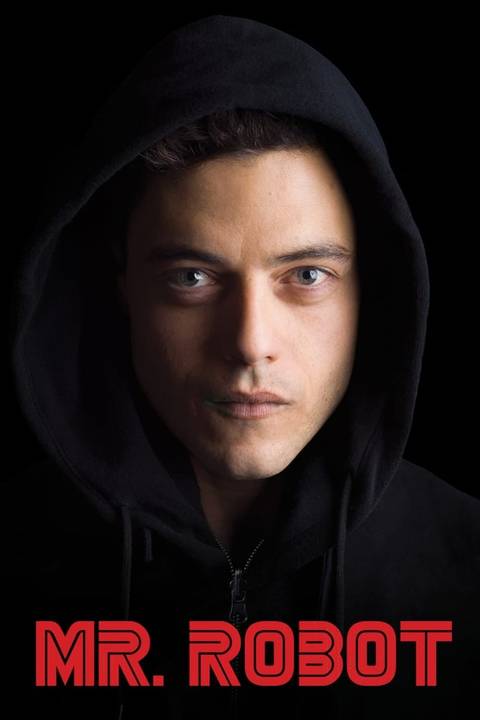
Created by Sam Esmail, Mr. Robot is an incredible tech-thriller that feels more and more relevant as the years go by. In early moments, Mr. Robot's episodes almost seem to follow a familiar narrative. It features Rami Malek as its lead, Elliot, who is a cybersecurity engineer by day and a vigilante hacker by night.
However, as the show progresses and expands its world, it becomes an alarming reminder of many things in the real world we choose to ignore on a regular basis. It is almost surprising that Mr. Robot never became a mainstream viral sensation despite delivering one brilliant season after another.
After all these years, though, it should be essential viewing because of how accurately it predicts the present world.
Mr. Robot Feels Like An Eerie Modern-Day Documentary In 2026
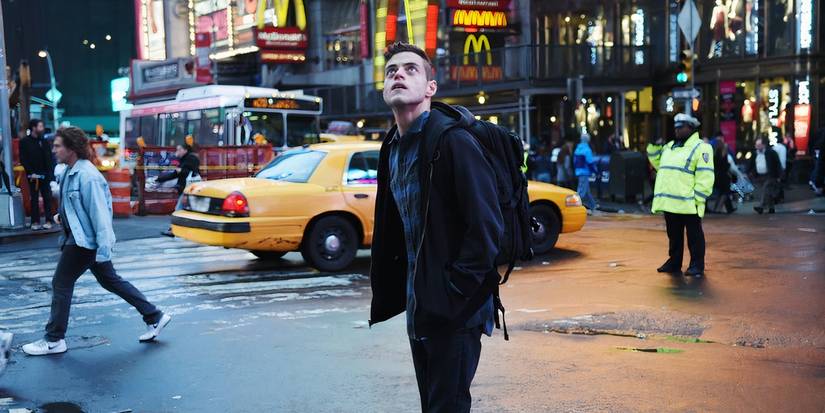
From its opening episodes, Mr. Robot sets itself as one of the most realistic tech-thrillers out there. While focusing on all the technical details of real-world hacking, it establishes that the weakest link in any security system is nothing but human psychology. Then, the show introduces E-Corp ("Evil Corp"), a corporate conglomerate that controls everything from consumer credit to cloud infrastructure.
In hindsight, Mr. Robot's portrayal of E-Corp's influence and control is a bleak reminder of how data and infrastructure are becoming increasingly centralized. Only a handful of conglomerates control the vast majority of payment pipelines, consumer data, and global cloud computing.
Mr. Robot also introduces a villain, a hacker collective called the Dark Army, that manipulates human behavior by accessing the all-pervasive global network. We already live in a world where human consciousness is being mediated by algorithms and state-sponsored cyber operations.
Even the show's portrayal of the main character's isolation is a reflection of the anxiety and displacement we experience in a hyperconnected world.
Very specific moments in the show also feel like real-world scenarios.
For instance, Mr. Robot season 1's finale shows how the central hacker group, fsociety, executes a "5/9 hack." They encrypt E-Crop's financial database, leading to digital payments' failure and supply chain collapse. The episode seems reminiscent of real-world cyber incidents like the Colonial Pipeline attack and the NotPetya Attack, which exposed how we rely on fragile systems.
Mr. Robot Is Packed With Eerily Prophetic Storylines
 Elizabeth Fisher/©USA Network/Courtesy Everett Collection
In season 2, Mr. Robot shows how a woman, Susan Jacobs, is driven out of her own home after fsociety hacks into her IoT system and manipulates everything inside her home. Smart home terrorism and digital domestic terrorism was unheard of when the show came out, but it is now becoming increasingly common.
Even the show's portrayal of digital moral vigilantism and weaponization of social media bots to manipulate the masses is not too far from reality.
The opening episode of Mr. Robot's season 3 also shows how the Dark Army uses voice-cloning to bypass security protocols. When the show was on air, audio synthesis was still not advanced enough to allow one to manipulate phone conversations. In today's world, though, AI voice cloning and generative deepfakes are routinely used for everything from scams to spreading misinformation.
Given how prophetic Mr. Robot seems after all these years, it seems fair to say that the Rami Malek thriller almost qualifies as a documentary today.


 English (US) ·