
For as long as humanity has envisioned a future co-existing with machines, there have been fears that labor could be displaced. These fears first sparked during the Industrial Revolution in the 1800s, but have continued in the years since. Most recently, the rise of generative AI has raised these fears once again.
Rage against the machine
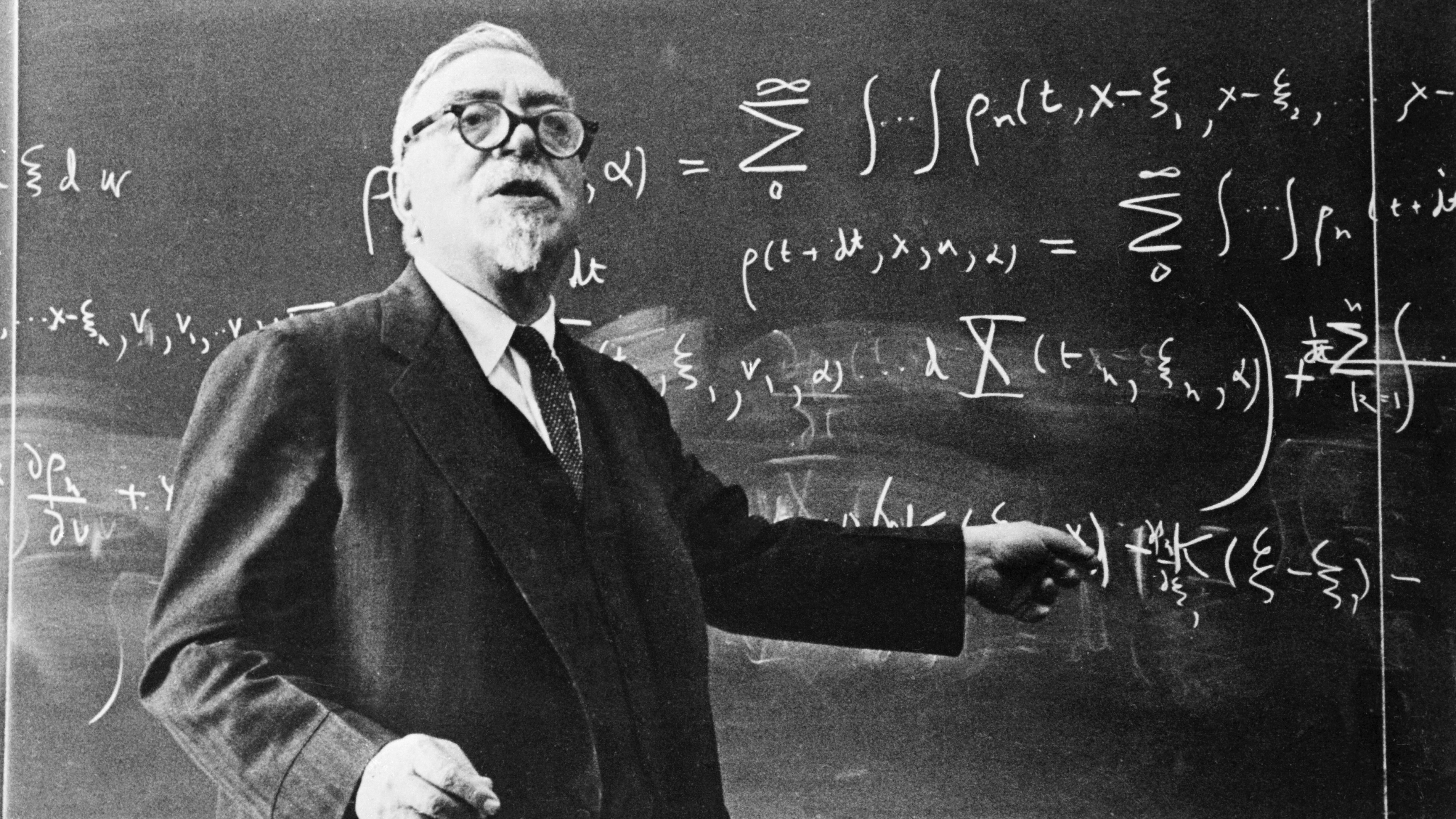
The American mathematician Norbert Wiener pioneered cybernetics and summarized his thoughts on the subject in his famous 1948 book 'Cybernetics or Control and Communication in the Animal and the Machine'.
Quote of the day
This article is part of TechRadar Pro's QOTD project to provide an insight into the minds of the brightest and most recognized figures in the technology industry today and in years gone by. Read the full series here.
Cybernetics was a branch of science that studied the mechanisms of control in animals and machines, focusing on feedback loops, self-regulation, and system behavior. It was a precursor to the field that we now know as artificial intelligence.
In this book, he opined on the consequences of replacing human judgement and decision-making across the economy with machines. In particular, he likened an employer using machines to using slave labor, with humans required to compete in this new arena in a race to the bottom.
This time, it's different
Fears around the displacement of humans in the workplace, largely in industrial contexts, were ripe, but ultimately didn't exactly pan out due to the fact that new forms of labor were required. This is a trend that has persisted to this day, with advances in automation and robotics doing nothing to meaningfully increase the unemployment rate.
However, the rise of generative AI and large language models (LLMs), as well as newer forms of the technology like agentic AI, can for the first time demonstrate attempts to mimic cognitive competency.
Although unemployment hasn't dramatically increased in recent years, analysis shows that AI adoption has impacted the number of entry-level roles available in the labor market. Research also shows the effect won't be felt uniformly, with some job roles likely to be more at risk of redundancy than others.








 English (US) ·