
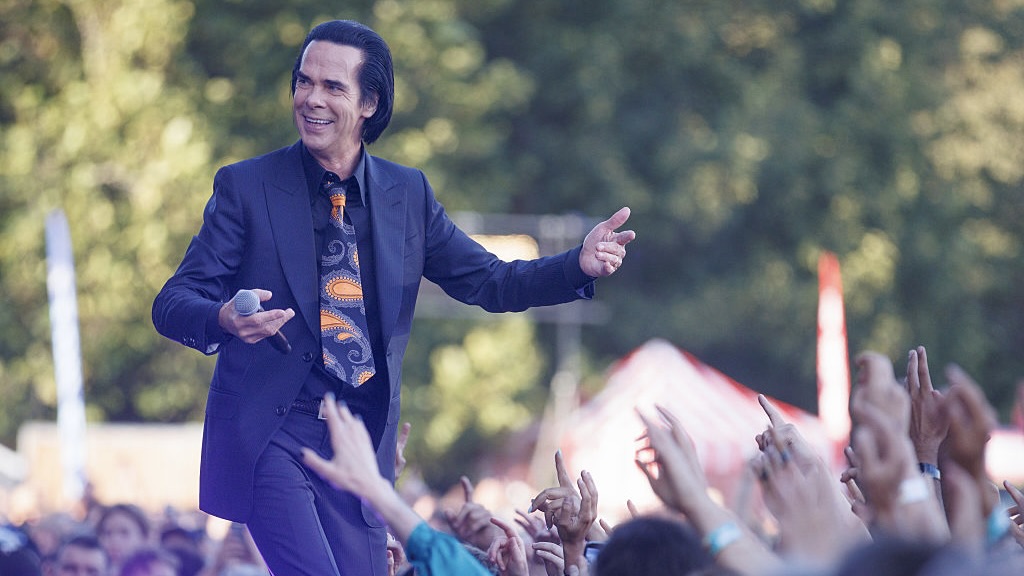
Australian singer-songwriter Nick Cave has enjoyed a long and successful career as a frontman, musician, and vocalist. His influence is far-reaching, and he's attracted many fans through the decades, although one online encounter prompted a massive response to the rise of AI-generated impersonations of his style and work.
Art through suffering
Months after OpenAI launched ChatGPT for the first time, Nick Cave wrote a lengthy critique on his blog about the use of this tool by fans in replicating some of his work.
Quote of the day
This article is part of TechRadar Pro's QOTD project to provide an insight into the minds of the brightest and most recognized figures in the technology industry today and in years gone by. Read the full series here.
In his blog, Cave opined about the origins of music and the conditions needed to generate genuinely human-centric music – and suffering, namely the "internal human struggle of creation" – is the key ingredient.
As far as he's concerned, he added, algorithms don't feel. He admitted that ChatGPT was, at the time, in its infancy and will always have further to go. But he was steadfast in his views that any AI-generated lyrics, or even full songs, would never capture an audience's attention in the same way that innate human artistry could.
Cloud sounds
Despite Cave's views, that hasn't abated the world from experimenting with AI-generated music – and there's been an explosion in both 'slop' as well as catchy machine-made music.
There's been a huge rise in the number of tools that can generate music, including tools like Canva's built-in generator, Gemini's Lyria 3, and specialist tools like Suno AI.
It's no surprise that Deezer suggested in November last year that a third of songs uploaded to its platform were AI-generated. The situation has escalated recently, however, with its in-house AI detection tool now finding that figure rising to more than 50% of daily uploads, amounting to 90,000 songs.



 English (US) ·