
 3 weeks ago
38
3 weeks ago
38
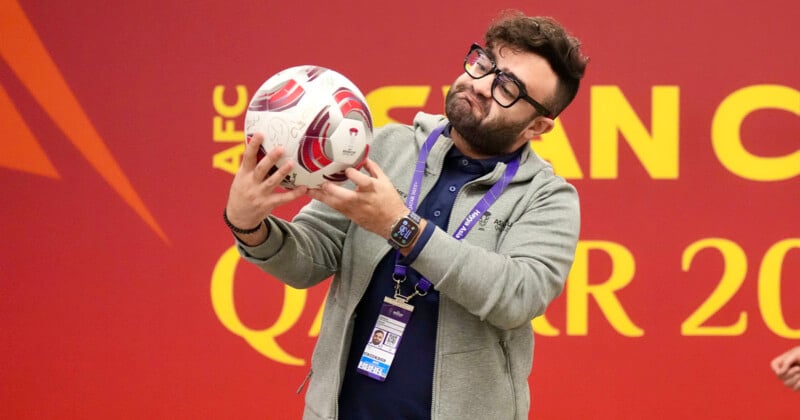 Sajad Imanian at the last World Cup.
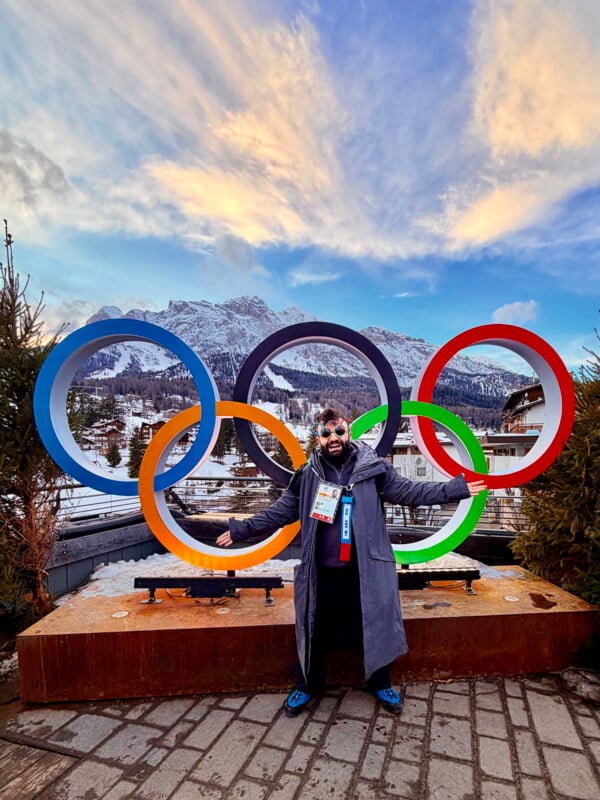
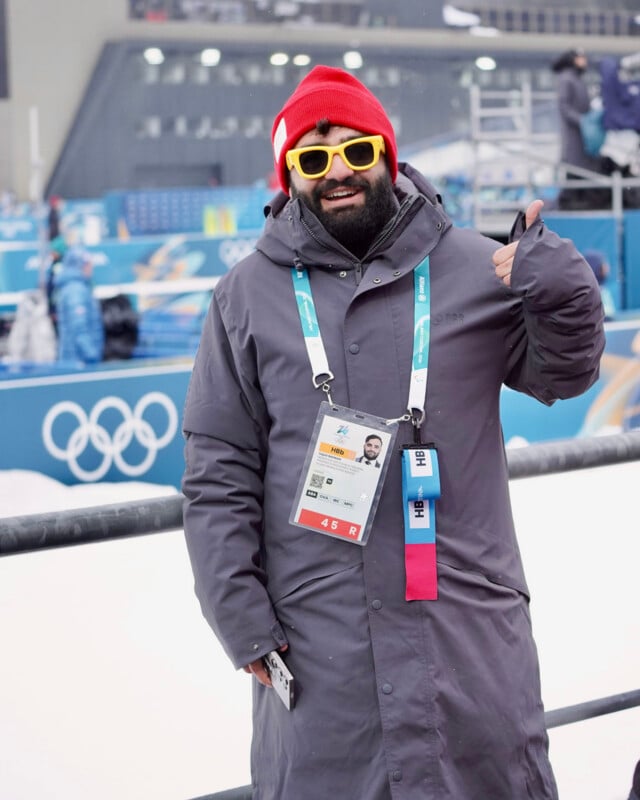
Sajad Imanian’s Instagram page is full of photos showing the 26-year-old Iranian smiling with his camera at the Paris Olympics, the AFC Women’s Asian Cup, or joking around with soccer manager Jürgen Klopp.
As part of his social media role with the Asian Football Confederation, frizzy-haired Imanian was expected to travel to this year’s World Cup, co-hosted by the U.S.
But Imanian, who has lived in Australia for the past six years, was denied entry to the tournament after a grueling interview at the U.S. Consulate General in Sydney in which he was questioned over his conscription status in Iran and whether he had ever taken any trips to Gaza or Lebanon.
Nieman Reports, a journalism institution based in Harvard University, reveals that Imanian had his U.S. visa application rejected because he was born in Iran.
“I said I hadn’t even set foot in those places,” Imanian tells Nieman over the officials’ questioning in the consulate.
Imanian says he had no issues when traveling to France and Italy for the Paris Olympics and the Winter Olympics, respectively.
“They’d send us an invitation letter on letterhead that I’d use together with my Iranian passport, and that would be my travel authorization,” Imanian tells Nieman Reports.
“If you’re covering the Olympic Games, you present the invitation or ID card at the airport. The airlines recognize that letter, and the immigration officials recognize it, too.”
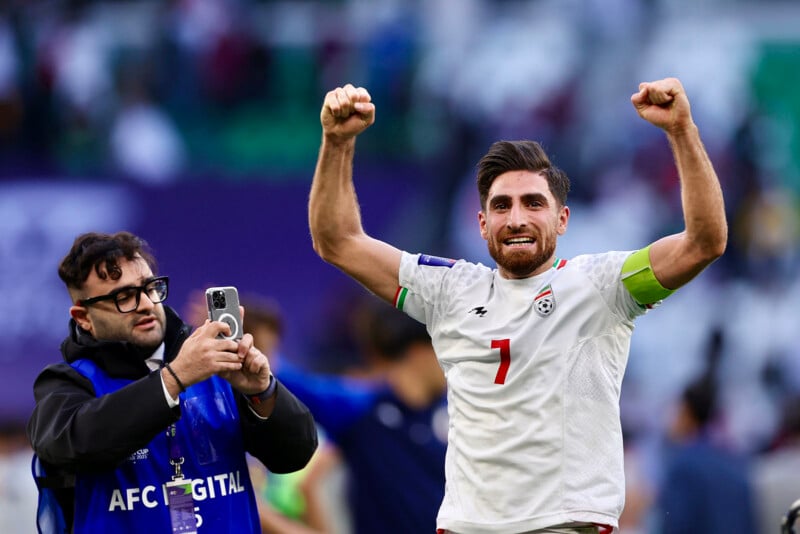 As well as shooting photos, Imanian creates content on his phone.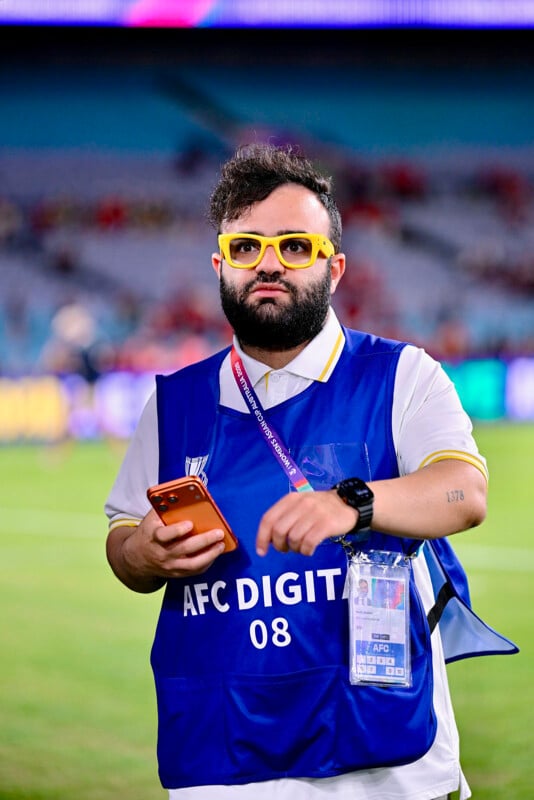
It was a similar story for Iraqi team photographer Talal Salah, who traveled to the U.S. with the soccer players only to be denied entry when the group arrived at Chicago’s O’Hare airport before the tournament began.
The Iranian soccer team felt as if their tournament was compromised after they were ordered to switch bases from Tucson, Arizona, to Tijuana, Mexico, after the U.S. government denied them the right to stay overnight on American soil. It meant the players had to immediately fly after playing a game on U.S. soil — hurting their recovery time.
“Our team is the most oppressed one in the whole World Cup. Our federation isn’t here, our media isn’t here, our management isn’t here,” said Iran’s head coach Amir Ghalenoei after his team’s opening game against New Zealand.
Image creditsCourtesy of Sajad Imanian.







 English (US) ·