
 4 weeks ago
10
4 weeks ago
10
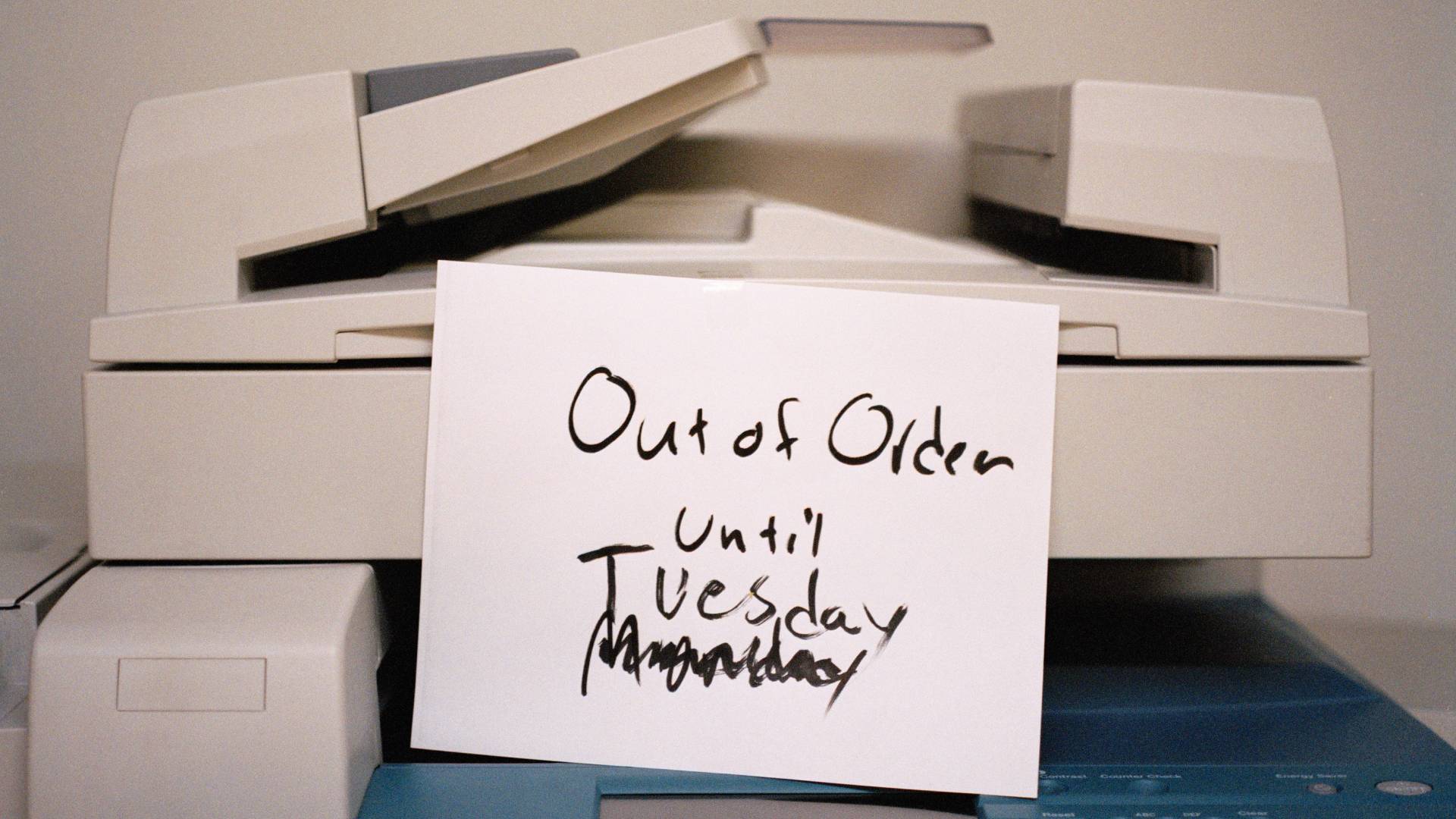
I'm all for finding fresh use for ancient hardware, but not quite like this: this week, a 47-year-old man from Victoria, Australia, has been sentenced to nine years in prison after participating in a plot to smuggle cocaine into the country inside printers.
The scheme attempted to smuggle 22.4kg of cocaine inside a consignment of five printers. Australian Federal Police intercepted the shipment when it arrived in Melbourne back in 2017, discovering 10 bricks of the white stuff hidden within the printers' paper trays (if you've ever worked in an office, you know that's the last place anyone would ever look).
One of these men was sentenced to 10 years imprisonment in 2022, with another also sentenced to 10 years back in 2025. The aforementioned 47-year-old was sentenced on May 8, and is the third conviction in the case. A fourth man was ultimately found not guilty at trial.
Now, for the most pressing detail—what type of printers did this group use to smuggle the merchandise? 9News reported back in 2019 the printers in question were Xerox machines...oh, and that the payload inside them had an estimated street value of up to $12.4 million AUD (or $8,967,742 USD).
That's a lot of moolah, but smuggling doesn't pay. Earlier this year Yih-Shyan “Wally” Liaw, the co-founder of major datacenter company Supermicro, was arrested alongside two others for allegedly smuggling $2.5 billion worth of AI chips into China. This is still a developing story, but so far Liaw has been placed on administrative leave from Supermicro.
AI chips don't really qualify as 'the hard stuff,' but they've definitely become harder to find in China due to strained export relations with the US; while China has reportedly approved imports of Nvidia's H200 GPU, the US government may choose to cap exports to individual Chinese companies. Will that lead to more alleged smuggling stories? Time will tell. As for me, I'm content to keep my criminal empire within the playful confines of Schedule 1 and GTA Online.





 English (US) ·