


Published Mar 17, 2026, 11:00 AM EDT
Cathal Gunning has been writing about movies, television, culture, and politics online and in print since 2017. He worked as a Senior Editor in Adbusters Media Foundation from 2018-2019 and wrote for WhatCulture in early 2020. He has been a Senior Features Writer for ScreenRant since 2020.
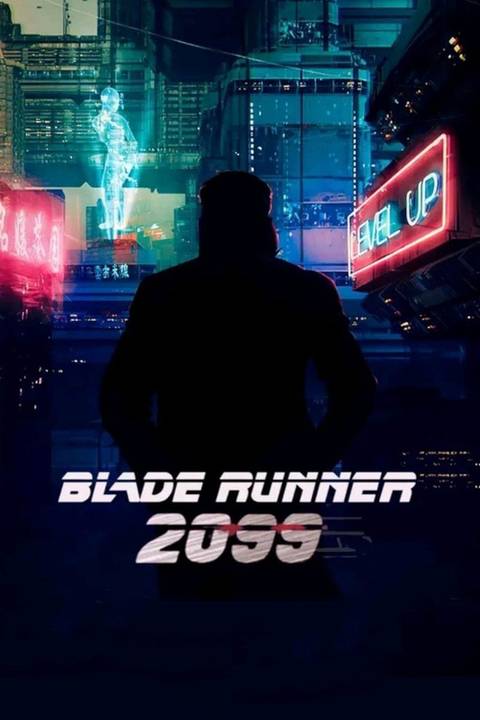
While the arrival of Prime Video’s Blade Runner 2099 would always have been exciting, this new addition to the Blade Runner franchise is particularly well-timed thanks to the rise of AI. The many different cuts of Blade Runner, along with the tepid box office of the original movie and its 2017 sequel, Blade Runner 2049, illustrate an awkward reality.
While both Blade Runner movies are brilliant, the franchise isn’t the most commercially viable series in the history of the sci-fi genre. Based on author Philip K. Dick’s sci-fi noir novel Do Androids Dream of Electric Sheep?, director Ridley Scott’s original Blade Runner was considered almost impenetrable by many critics when the cyberpunk classic was first released.
The Rise of AI Makes Blade Runner 2099’s Release Perfectly Timed

While critics were kinder to 2017’s Blade Runner 2049, director Dennis Villeneuve’s belated sequel still struggled to win over viewers. Fortunately, the next addition to the franchise may have solved this issue. Prime Video’s Blade Runner 2099 will see the next installment of the series go straight to streaming.
This means the new series can bypass the box office struggles that hampered the first two movies, while the show’s longer runtime means Blade Runner 2099 can offer a more immersive vision of the sci-fi franchise’s reality. Both movies needed a lot of fast-paced exposition to establish their complex futuristic stories, whereas Blade Runner 2099 can take its time.
Blade Runner 2099 is also perfectly timed as it arrives at an era when AI is one of the hottest topics in the news. The rise of AI, its ethical concerns, and the question of whether the entire trend is simply an economic bubble have all been major news stories since 2024, and show no sign of being resolved any time soon.
Prime Video’s Blade Runner 2099 Can Explore AI’s Future

Ever since Blade Runner introduced viewers to the Voight-Kampff test, the series has been concerned with AI at its core. While humanity is still a long way away from sentient AI, despite what shows like Scarpetta might depict, Blade Runner’s story begins in a reality where sentient autonomous replicants are commonplace.
The original movie and its sequel both force the viewer to question what makes people human and whether a machine will ever be able to achieve true consciousness, as well as ask the ethical question of how humanity would need to treat these machines if they did exist. These are knotty, morally complex issues.
Fortunately, the series has been tackling them since long before Blade Runner 2099’s release was announced, making this Prime Video series uniquely well suited to addressing the issue. There is no franchise that is more suited to take on questions of AI and its ethics than Blade Runner, and there couldn’t be a better time to take on these topics than right now.
Blade Runner 2099’s story of Michelle Yeoh’s Olwen, a replicant who is reaching the end of her life cycle, seems set to humanize the franchise’s AI-powered characters more than ever before. Thus, this latest addition to the Blade Runner franchise could see Blade Runner 2099 make the series even more morally fraught and complex than before.
Network Prime Video
Directors Jonathan van Tulleken
Writers Silka Luisa
Franchise(s) Blade Runner






 English (US) ·