

Published Jun 1, 2026, 8:30 PM EDT
Ben Sherlock is a Tomatometer-approved film and TV critic who runs the massively underrated YouTube channel I Got Touched at the Cinema. Before working at Screen Rant, Ben wrote for Game Rant, Taste of Cinema, Comic Book Resources, and BabbleTop. He's also an indie filmmaker, a standup comedian, and an alumnus of the School of Rock.
Prime Video’s hit new Spider-Man series is, of course, a superhero show, but it also revives another classic genre of pulp fiction. Spider-Noir stars Nicolas Cage as Ben Reilly, a private investigator in 1930s New York who moonlights as a spider-powered vigilante. He’s essentially reprising his role as Spider-Man Noir from the Spider-Verse movies, but this time in live-action with eight episodes to explore the character in much more depth.
Spider-Noir has quickly shot up to the top of the charts on Amazon’s streaming library, and it deserves all its success. The conceit of Cage doing Bogart by way of Spider-Man and even a little bit of Brundlefly was an awesome hook, but the series itself goes above and beyond that hook. You get drawn into this old-school crime caper, and in episode 6, a fun genre experiment is elevated to must-see television with a flashback to Ben’s origin story. This episode is a trip; it feels like an old William Castle haunted-house movie crossed with Cronenbergian body horror and a David Lynch nightmarescape.
I cannot recommend this show highly enough. It might sound a little gimmicky, but it quickly transcends the gimmick and becomes a truly great TV show in its own right. Cage gives one of the most varied performances of his career, and the noir aesthetic is spot-on. This is what Sony should’ve been doing with its standalone Spider-Man universe all along — it’s a unique cinematic vision, a story worth telling, and it actually has a Spider-Man — but it’s not just a straightforward superhero show; it also brings back the P.I. genre.
Spider-Noir Represents A Revival Of The Private Investigator Genre
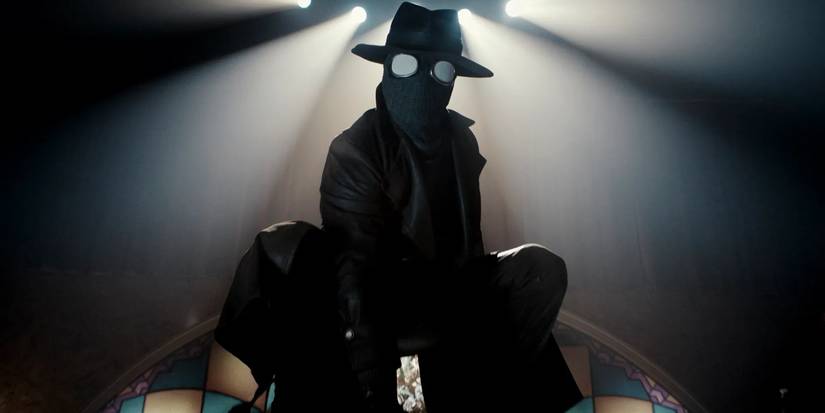
When we catch up with Ben, he’s retired from his vigilante career as The Spider in favor of a career as a private investigator. He’s eventually forced to resume his career as The Spider when a bunch of supervillains start popping up around town, but what draws him into the main mystery is his work as a private eye.
In Spider-Noir, just like in dozens upon dozens of classic noirs just like it, a private detective’s life is turned upside down when a beautiful femme fatale comes into his office to hire him. We’ve seen it happen in The Big Sleep, The Long Goodbye, Chinatown, and Honey Don’t!; it’s a tale as old as time, and Spider-Noir brings it back. The P.I. is a great archetype for a noir storyline, because private eyes aren’t quite cops, and they’re not criminals either, but they sort of have one foot in both worlds. They chase clues across the criminal underworld, rubbing shoulders with the city’s least law-abiding citizens.
Private Investigator Movies & TV Shows Have Slowed Down Since The 1970s

Movies and TV shows about private investigators were huge in the post-war era. As audiences reeled from the horrors of World War II, they took comfort in the grisly crime stories of Sam Spade and Philip Marlowe. The American New Wave of the 1970s brought in a bunch of young, hungry filmmakers who’d grown up on classic genres like film noir and wanted to do their own version, so this led to a resurgence in P.I. movies: Chinatown, The Long Goodbye, Night Moves, Klute — you couldn’t escape private eyes in the ‘70s.
We still see the occasional neo-noir about a private eye’s dirty work, from Shane Black’s The Nice Guys to Paul Thomas Anderson’s Inherent Vice — plus, Benoit Blanc from the Knives Out movies is technically a private investigator — but the genre seems to have died a death. Hopefully, the massive success of Spider-Noir can lead to yet another resurgence, and we could have the Spades and the Marlowes back on our screens in the space of a couple of years.
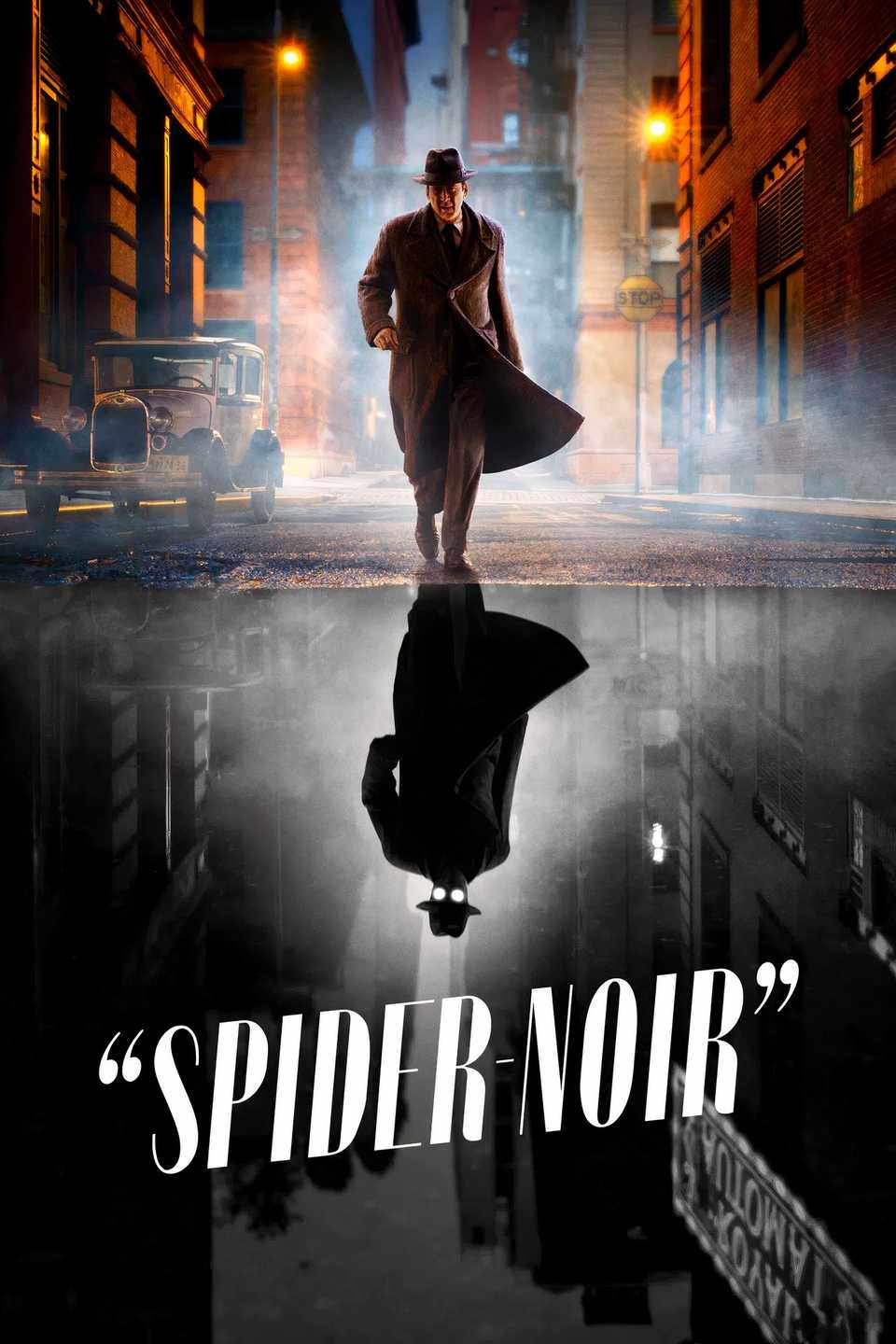
Spider-Noir
Release Date May 27, 2026
Network MGM+
Showrunner Oren Uziel, Steve Lightfoot
Directors Harry Bradbeer
-

-

Lamorne Morris
Robbie Robertson








 English (US) ·