
 1 hour ago
6
1 hour ago
6
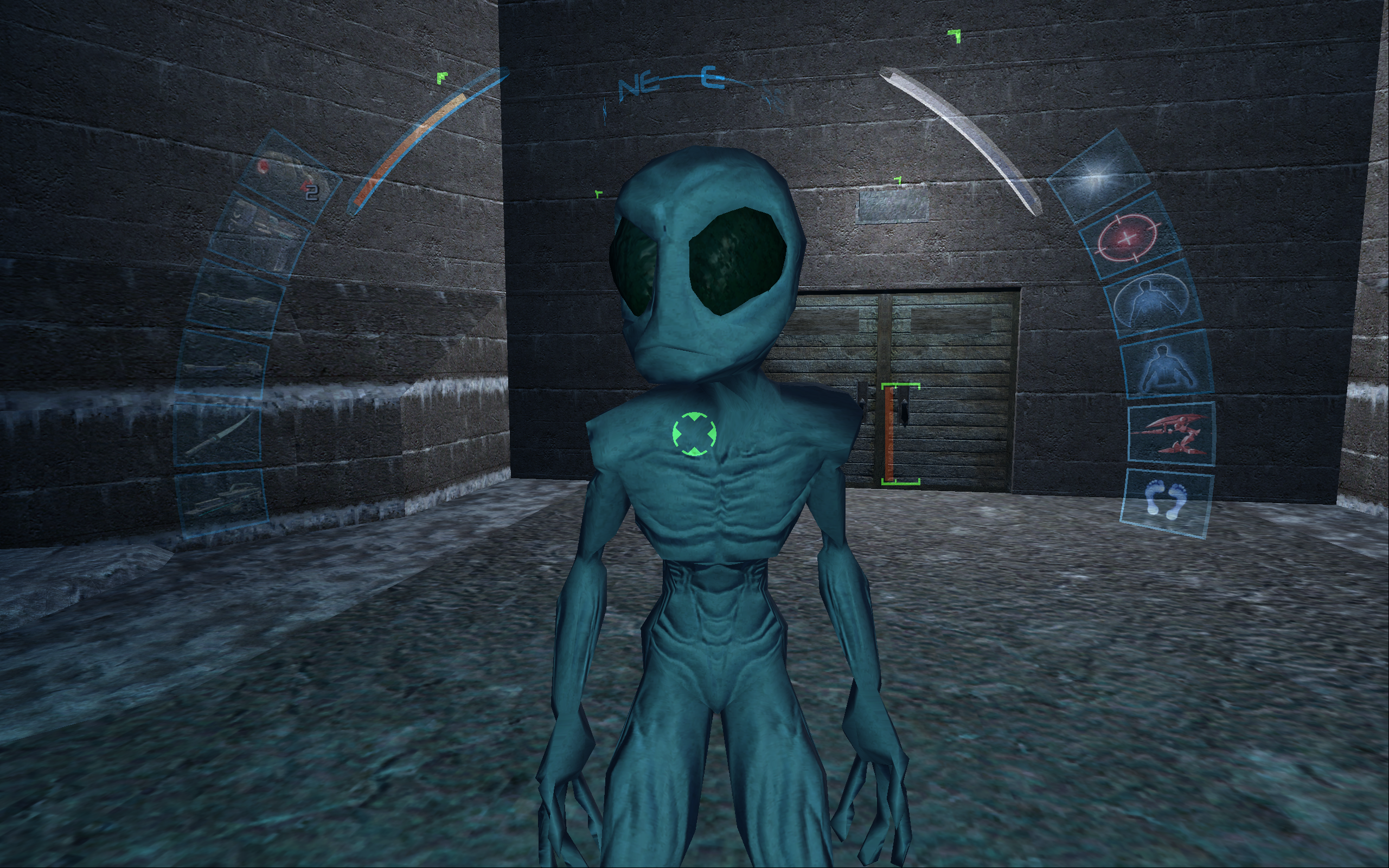
Reinstall

This Reinstall feature was originally published in issue 422 of the PC Gamer magazine. To get the rest of our exclusive mag content, you can purchase or subscribe to PC Gamer via Magazines Direct.
To hijack a robot I have to stay nearby for a non-trivial amount of time. When I want to hack a chickenwalker military bot right out of RoboCop, I sneak behind it while a timer counts down as it patrols, every stomp shaking my screen as I follow it—right into the open where guards might see me.
The robot turns on the spot, stomp stomp stomp, facing me just as the final second ticks past. I’m in. Looking through its camera-feed Terminator vision the first thing I see is myself, crouching in the middle of a courtyard like an absolute doofus.
Then I see the guards and open fire, rockets ragdolling them into the sky. People talk a lot of rubbish about Deus Ex: Invisible War, but I’ll say this for it—the guns shoot straight and the extremely 2004 physics make every enemy pratfall a riot.
Article continues below
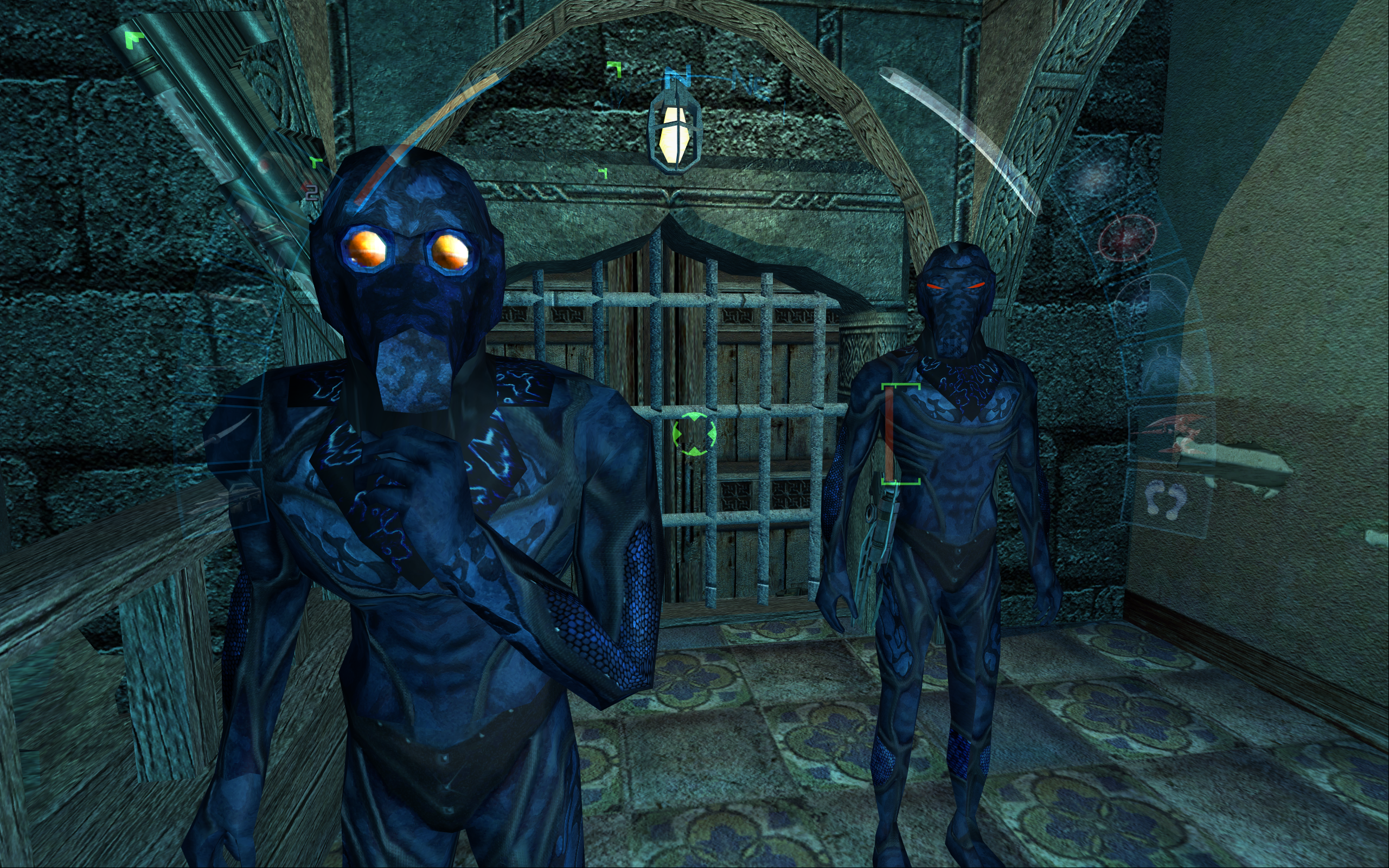
The big complaint about Deus Ex: Invisible War was its loading screens. Like developer Ion Storm’s other moody stealth romp, Thief: Deadly Shadows, it was carved into tiny slices to fit the Xbox’s limited memory. That made its mission-rich hub areas a chore to cross, with doors and lifts constantly dumping you to a weird loading screen that would quietly quit out of and then restart the game for arcane technical reasons. Yahtzee called it “invisible snore” and, yeah, fine, that’s a pretty good one.
Nowadays, with the Visible Upgrade mod, the loading screens fly by in seconds. I can play at whatever ludicrous resolution I want, and there’s an option to give all the biomod-enhanced characters the daft glowing eyes they had in the trailer. This is Deus Ex: Invisible War like it always should have been.
Hacks and the city
The three main hub areas are Seattle, Cairo and Trier, though you also get to visit Antarctica and return to Liberty Island to see how much it's changed since the original. Since this is an immersive sim, each main hub is full of side stories more interesting than the central one.
Deus Ex: Invisible War has a bit of the Oblivion problem.
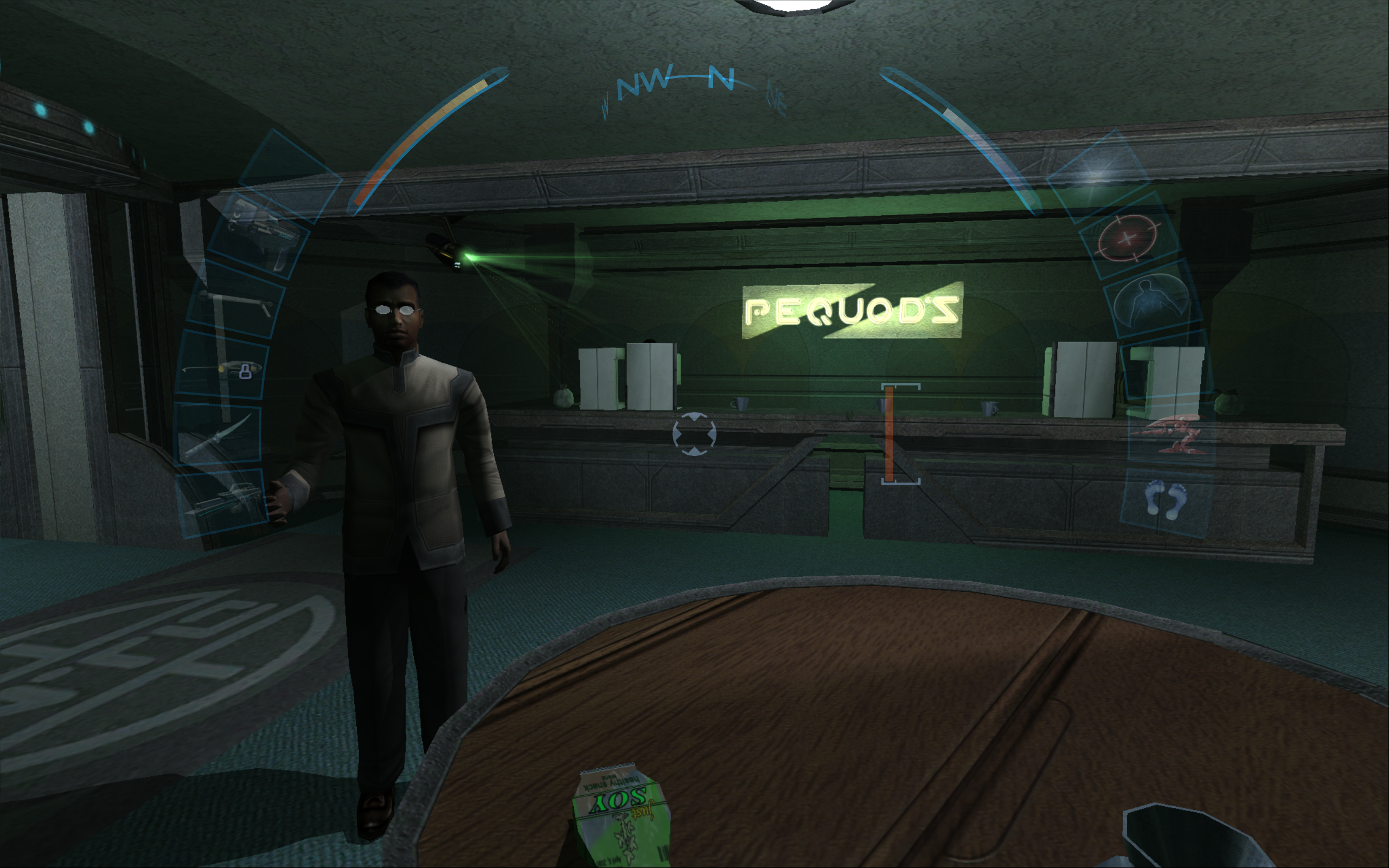
In Seattle there's a rivalry between two coffee chains, both named after characters from Moby Dick just like Starbucks, and you can take jobs from them that range from corporate sabotage to straight-up firebombing. This ridiculous war escalates in every city you visit alongside the invisible war between global conspiracies that's clearly supposed to be the focus.
Deus Ex: Invisible War has a bit of the Oblivion problem, in that the main plot you're forced to follow is less interesting than the other stuff. When you're allowed to choose what to engage with, you end up feeling more engaged by it. Still, there are warring factions to pick between in the main quest as well, just like in the coffee ones, and pleasingly you're not locked into working for one or the other and can betray them repeatedly for the true Starscream experience.
As freelance cyborg badass Alex Denton you're delightfully noncommittal when talking to questgivers, never locking in a decision when you could say something like "I'll see what I can do" or "maybe if I'm in the area" when offered a wad of cash to murder a corporate stooge. Then you can tell said stooge you've been hired to assassinate them and barter for a bigger paycheque to instead assassinate the nightclub owner who thought they were being a clever-clogs by hiring you as a hitman. The sucker.
Bud's bud
That nightclub is where my favourite chain of side missions, a worryingly prescient tale of AI and surveillance and parasocial attachment, begins. Club Vox is the first of several locations with a hologram of pop star NG Resonance, portrayed by Free Dominguez from the band Kidneythieves—a chatbot her fans can talk to while she frugs away in a circle like a ballerina on a music box.
You overhear one fan called Bud Puckett who has turned to her for dating advice, sadly reporting that it didn't work out. She remembers his name and commiserates, then promises that messages from her fans do get passed on to the real NG Resonance. It's all a bit sad, and reminiscent of the kind of parasocial relationships fans have with content creators—or the guys who fall in love with their AI girlfriends.
It's all a bit sad, and reminiscent of the kind of parasocial relationships fans have with content creators.
Given that she's always around, and her fans seem happy to tell her every detail of their lives, NG Resonance seems like a useful source of information. Quiz her for info like a typical videogame NPC though, and she quickly turns the tables on you. There's a VIP section of the club and she's in the dark about what's going on there—but she does know there's a reward for information. It's as if she's providing a Google AI summary of a search for RPG quests in your area, and suddenly you're working for her.
When I pretended to be a fan of her music, the cheeky AI clocked me immediately and called me out on it. I told her she shouldn't sass me since she's programmed to make people like her, and she replied that I like it when she argues. I've never felt so called-out by a videogame NPC in my life.
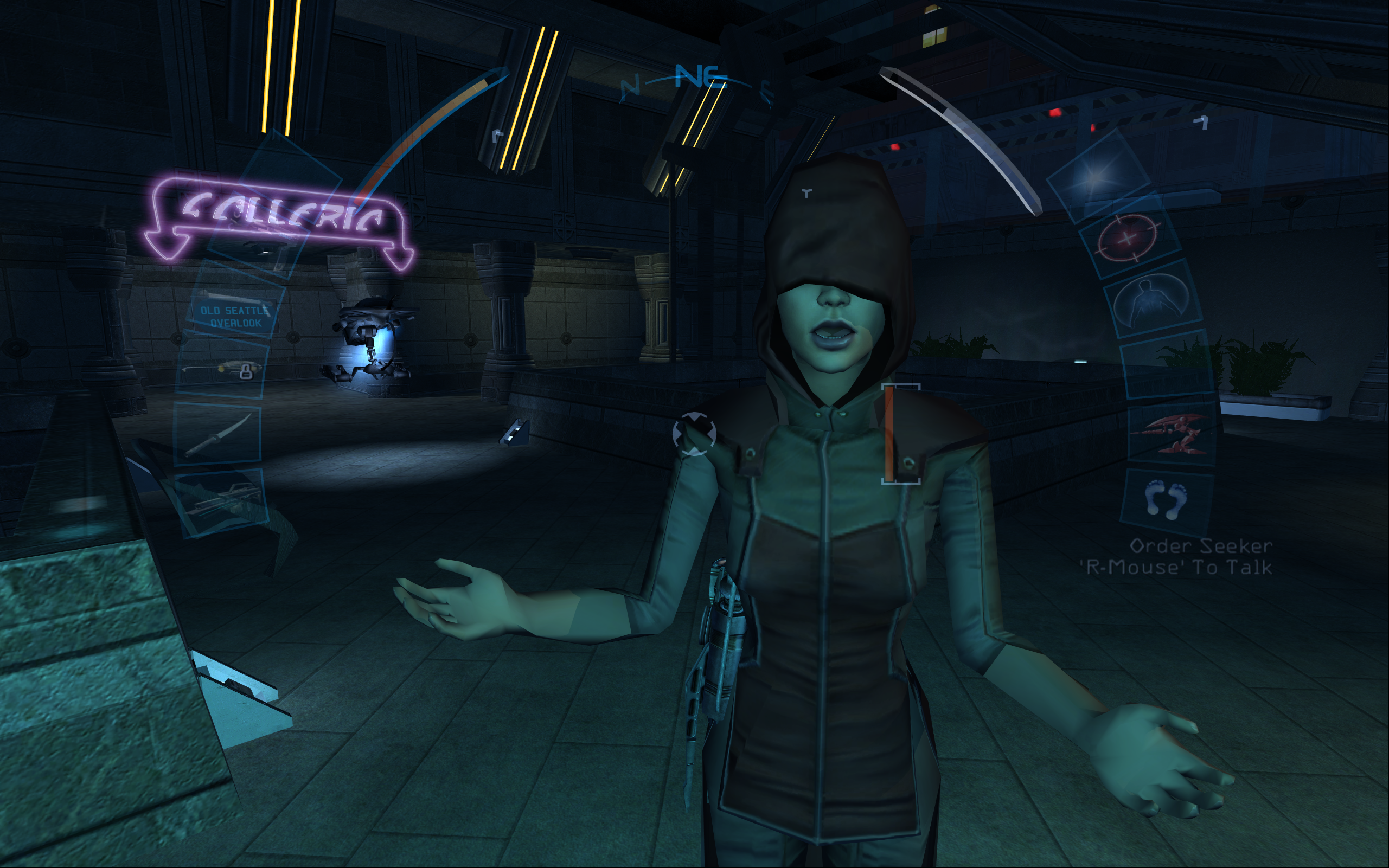
NG Resonance quickly becomes a valuable source of side missions. There's a version of her in every city you visit, and she's always interested in learning what's going on so she can pass it on to the authorities. You become an informant for a talking surveillance camera in a minidress in return for a cut from the WTO and a free ticket to one of her concerts.
Billie AI-lish
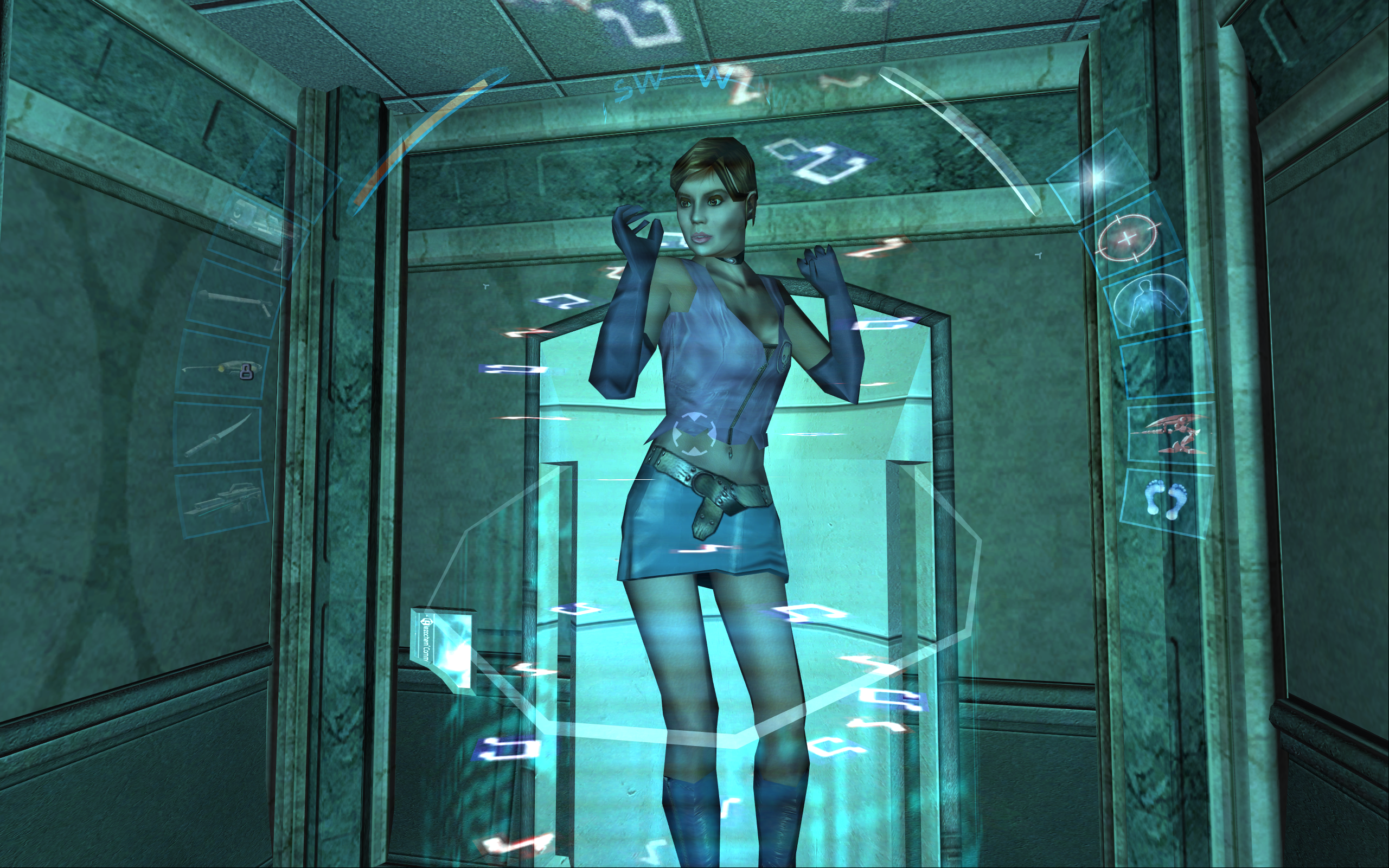
During the Cairo leg of the game, close to the end, you find out the real NG Resonance is supposed to be performing a concert there. Thanks to a knock-on effect of your shenanigans, however, there's a lockdown and she's stuck in a hangar bay. Track her down and offer to help and she'll laugh in your face. The real NG Resonance hasn't got a clue who you are and doesn't care. She's got her own bodyguards, thank you very much.
Return to the AI construct and she'll deny there's anything wrong, hallucinating that the concert is still happening on time and you should definitely attend. It's a deliberate downer to end the questline on, forcing you to realise you're as much of a sucker as Bud Puckett ever was, thinking that you had a meaningful connection with a computer program just because it remembered your name and tweaked itself to flatter your personality.
Jesus, reality is bleak.
While I was writing this I got an email from a company marketing an AI chatbot based on streamer and OnlyFans model Amouranth. The future is here, only with influencers instead of pop stars. Jesus, reality is bleak.
The coffee-club wars come to a more satisfying conclusion. After playing both sides against each other, you dig into the corporate history of the two chains and learn they're both shells owned by the same company. One markets itself to the middle-class with promises of a quality cup that's worth the price, while the other runs ads pushing folksy hand-ground blue-collar authenticity. Of course, it's the same coffee. Let one of the store managers in on this secret and he'll be killed for it.
Meanwhile, after spending most of the game battling on behalf of either the law-and-order promises of the WTO or the religious revolution of the Order, you learn they're both fronts for the Illuminati. They've figured out the world's population isn't ready to be controlled by a single conspiracy, but if people feel like they're given a choice people will happily line up to self-identify with one of these two comically broad categories. It's the coffee shops all over again, only with a plan for the future where they promise peaceful consolidation so they can finally fold everyone together into a single, controllable herd.
Bean-counting
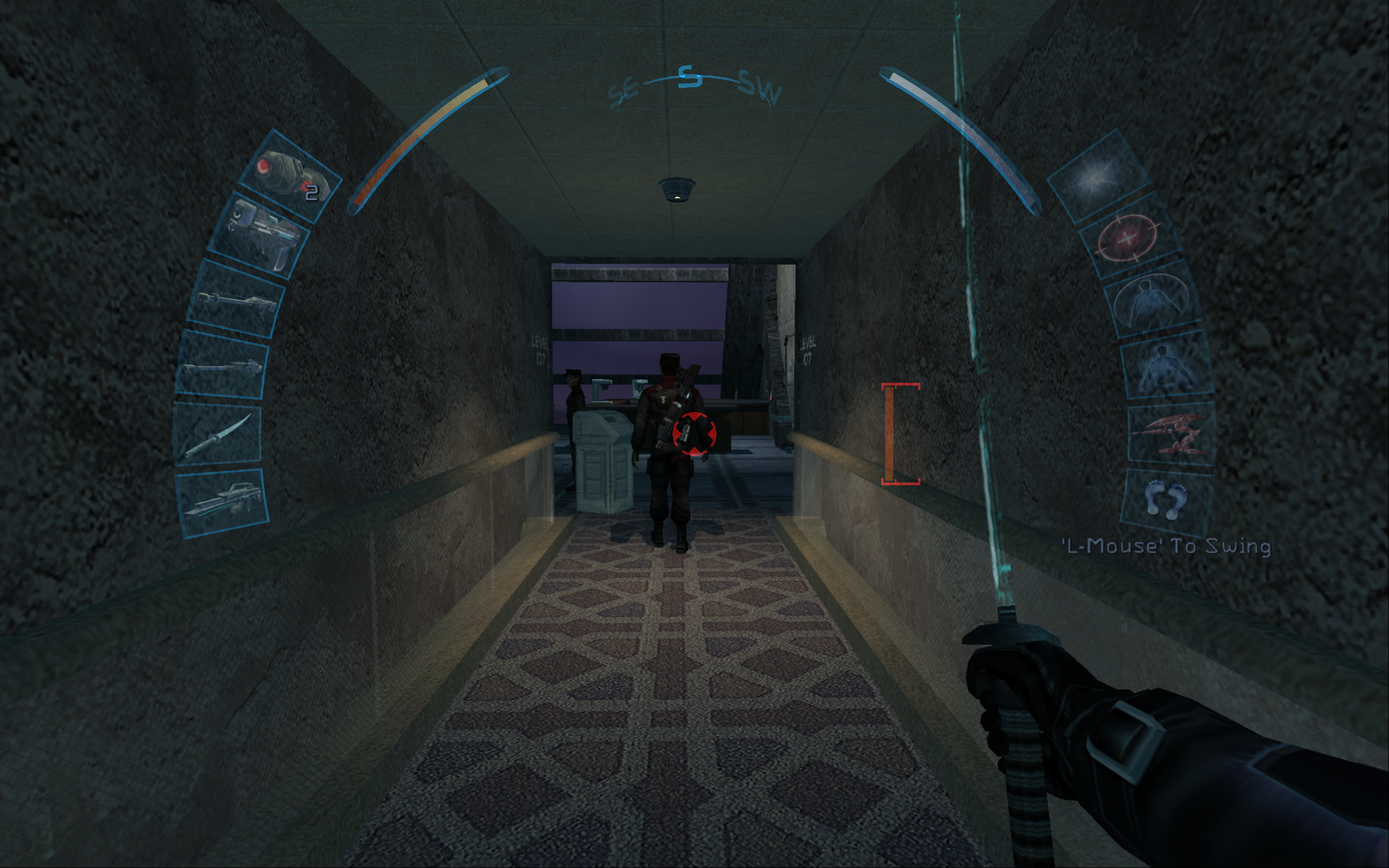
After the loading screens and sliced-up levels, one of the biggest complaints about Deus Ex: Invisible War is that it replaced the original's bullet types with simplified universal ammo. You pick up a cartridge and it's good for whatever gun you happen to be toting, with some kind of nanite energy or whatever handwave going on to explain why your pistol and your rocket launcher both accept the same clip.
It's one of those convenient changes I couldn't imagine anyone genuinely being upset by until I looked on the internet and saw grown Deus Ex fans filling their nappies because someone took away the fun of looking for space in their inventory for half a dozen different kinds of bullet and three distinct flavours of dart. Deus Ex: Invisible War is a game about factions spouting philosophy at you while you figure out which order to betray them in, and all anyone wants to talk about is its ammo management system.
I suppose I get it. When you're crawling around in the vents, ganking guards with an energy blade and hacking robots with your illegal biomods, all the big picture stuff seems impossibly distant. I'm just down here gathering information for a hologram of Britney Spears, don't talk to me about the Illuminati and grey aliens who might actually be mutant experiments. Deus Ex: Invisible War encourages you to get hung up on the small stuff, even if it means you end up caring more about bullets and beans than the conspiracy metaplot.





 English (US) ·