
 5 hours ago
19
5 hours ago
19
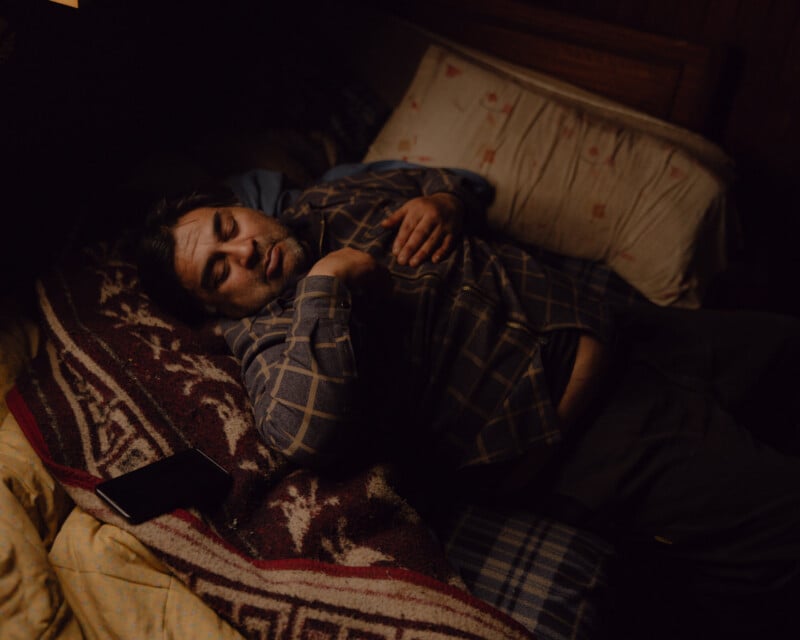 Worn down by wind, snow, and rain, and often in decay, these puestos have become symbols of strength and resilience. Originally built as simple shelters for nomadic farmers, these puestos hold deep emotional and cultural significance in the wider region.| © Pie Aerts
A photographer spent six years documenting Chilean ranchers, known as “puesteros,” who live and work alone on vast private lands for months at a time for a new photography book.
GOST Books is publishing Dutch photographer Pie Aerts’ first monograph Coirón in September this year. For the book, Aerts followed aging gauchos known as puesteros, who live and work alone for months at a time across vast private ranches in the Chilean region of Magallanes.
These puesteros, often silent, are shaped by distance, physical labour, and long periods of solitude, on land they do not own and with little security once their bodies begins to fail. Aerts spent nearly six years embedded in the puesteros’ way of life — a way of life that is on the brink of disappearing in Chile.
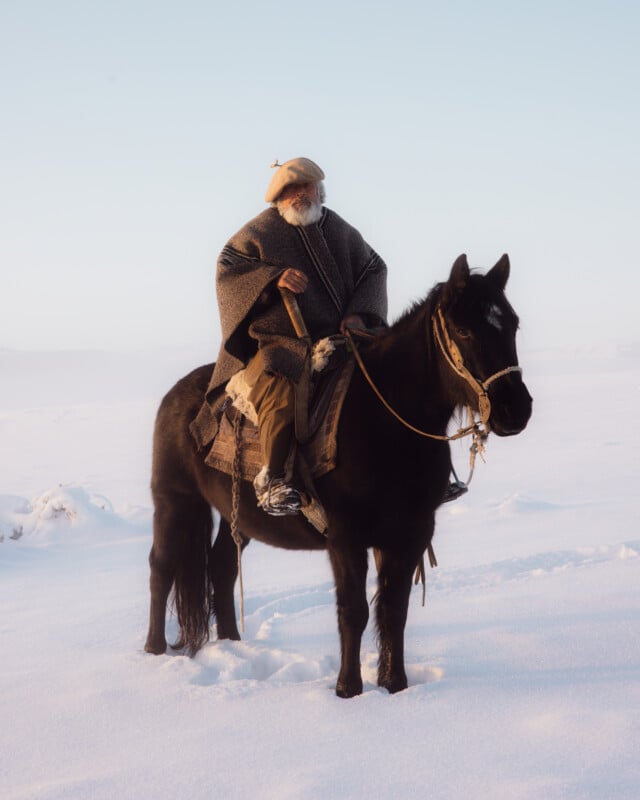 Luis, who often goes for months without speaking to anyone other than his dogs, struggles with the mental toll of living a life in isolation. His traumatic family history and the consequences of his adoption drove him, at the age of 20, as far away from home as possible. After living alone for more than 40 years, he recently survived a severe fall from his horse, which nearly left him disabled. | © Pie Aerts
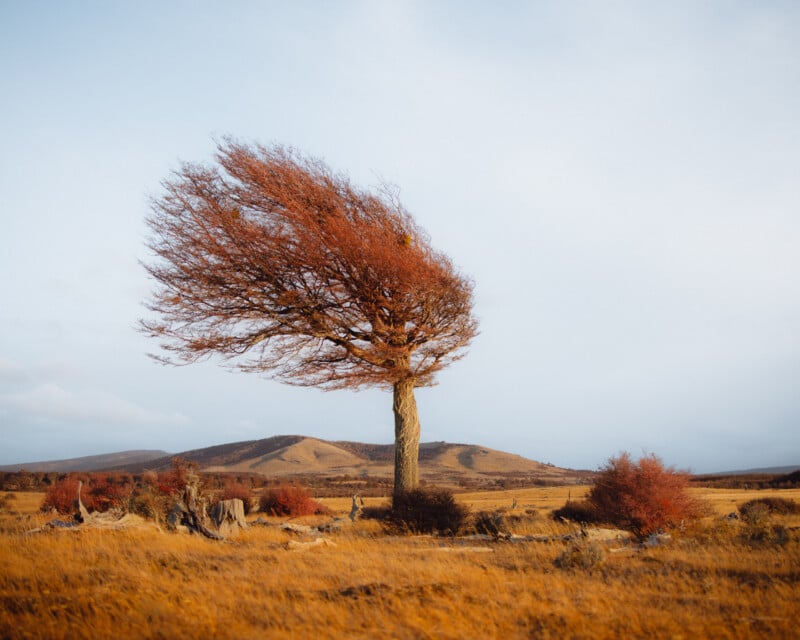 In a world that becomes more and more connected, the younger generation no longer finds the necessity or desire to pursue a life on the land, instead opting to follow ambitions of big city living or moving into ‘gaucho tourism’ and thereby breaking a generational cycle of farm life. | © Pie Aerts
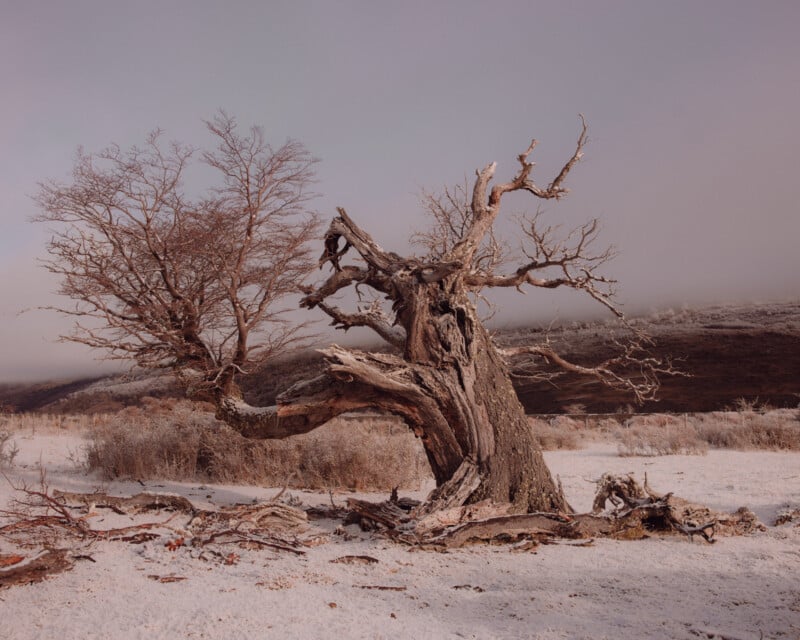 Unprecedented drought is putting more tension on the region year by year. | © Pie Aerts
The wider region of Magallanes is undergoing rapid social, cultural, and economic change, and fewer young people feel the desire to pursue a life on the land, breaking a generational cycle of farm life. Caught in the middle, many puesteros move between embracing change and resisting it. Their interweaving stories in Coiron form an intimate, complex portrait of a tradition that is now nearing extinction in Chile. and invites the viewer to pause within a world moving too quickly to keep up.
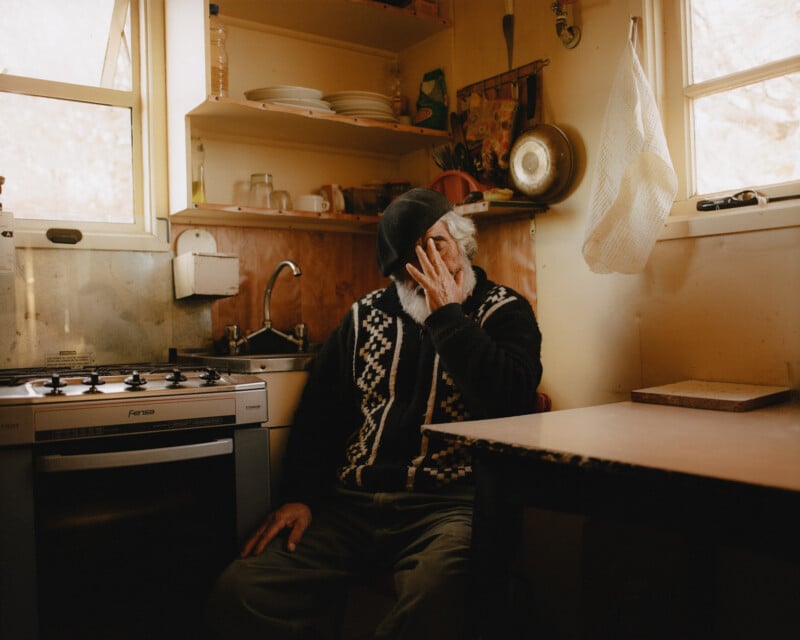 In a culture rooted in strength, endurance and the denial of emotion, these puesteros oscillate between preserving their heritage and accepting its gradual disappearance. | © Pie Aerts
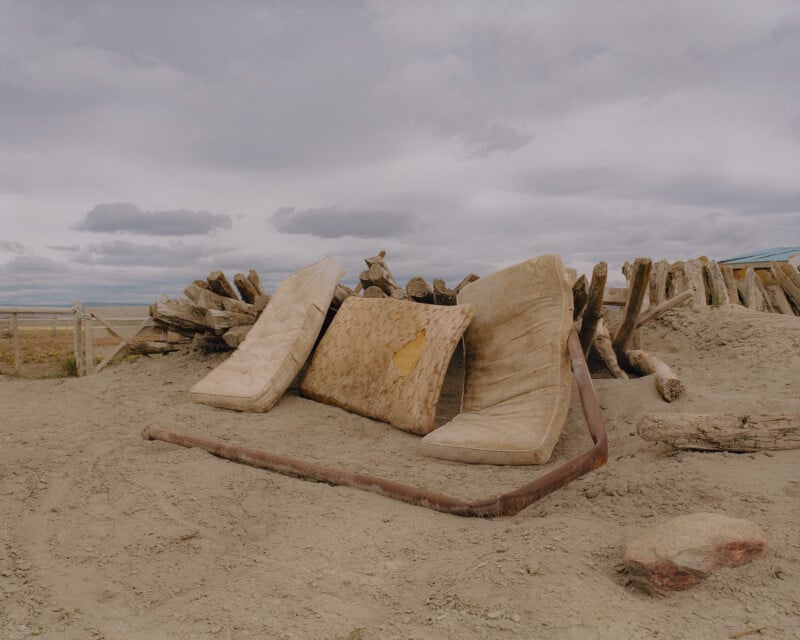 Conversations about mental health are uncommon among Chilean men of this generation. After decades of silence, some of these men are becoming more open about the impact this lifestyle has had on their mental health. In doing so, they break the stigma surrounding the stoic character of the traditional gaucho. | © Pie Aerts
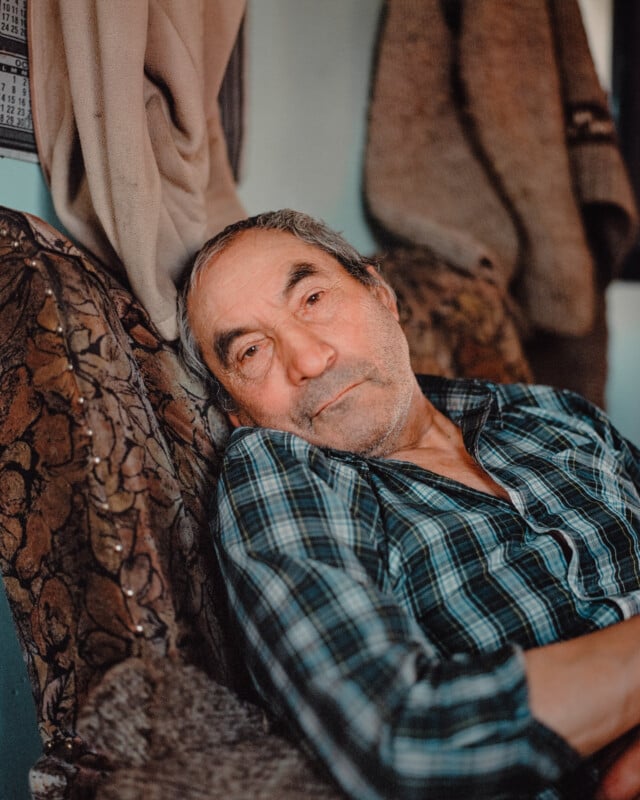 Oscar’s outpost recently burned to the ground, leaving him without a home. | © Pie Aerts
Aerts says his time with the puesteros helped him rethink his fear of loneliness, realizing that the fears he’s carried for years may have actually shaped his identity more than he previously understood.
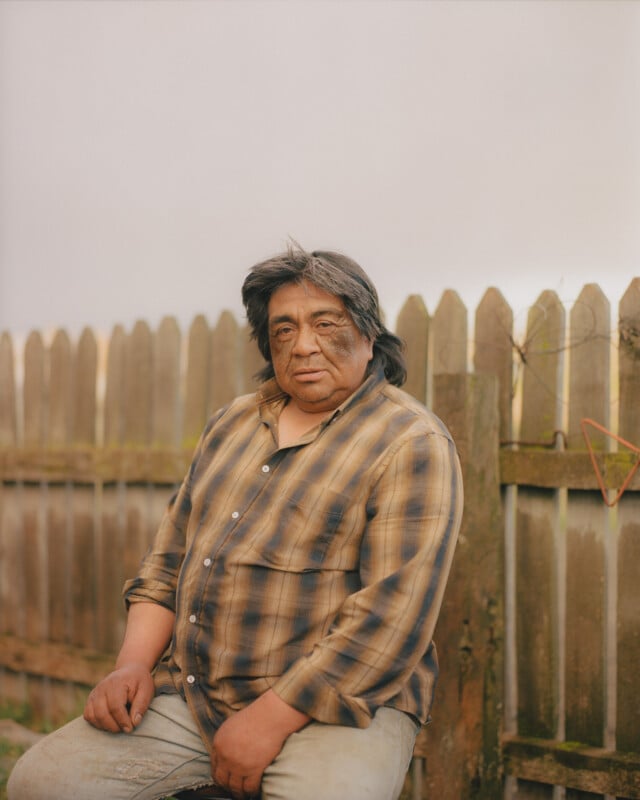 Barely any social interaction, backbreaking physical labor, a shifting climate and a lack of retirement provisions, fuel alcoholism and suicide within the community. Yet, at the same time, these men face the erosion of their culture and fading identity with dignity, resilience and pride. | © Pie Aerts
“As long as I can remember, I’ve always feared being alone. Partly in a physical sense, but mostly in a deeper existential sense.” Aerts says. “Spending time in the presence of these puesteros, while seeing them sit through a life of silence, hardship and endurance, I started to open up to a different perspective on the silence I’ve always feared.
“As a result, and for the first time in two decades of self-discovery, I’m starting to embrace the idea that some of my fears have perhaps shaped who I am far more than I ever realized.”
Coirón by Pie Aerts will be published by GOST Books in September and is available to pre-order here.
Image credits: All photos © Pie Aerts.
PetaPixel articles may include affiliate links; if you buy something through such a link, PetaPixel may earn a commission.
Love PetaPixel? Go Premium.
PetaPixel is the world’s largest independent photography publication and we’re only able to continue our work with your help. Become a PetaPixel Member now and support our mission to bring you regular, high-quality reviews, features, news, and more.
- Remove banner ads
- Gain access to full-resolution RAW and JPEG Sample Galleries
- Get 5% off orders from KEH.com
- Get a $15 coupon to spend at Moment
- Get 10% off lighting equipment from FJ Westcott
- Get 10% off film development, scanning, and printing from Blue Moon Camera and Machine




 English (US) ·