
 3 weeks ago
48
3 weeks ago
48
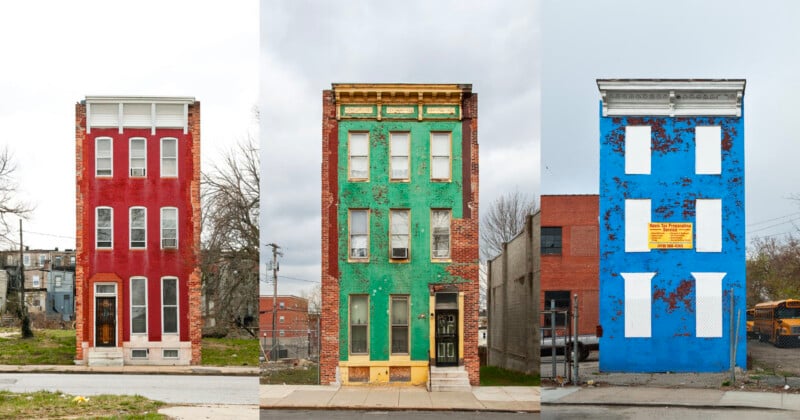 © Ben Marcin
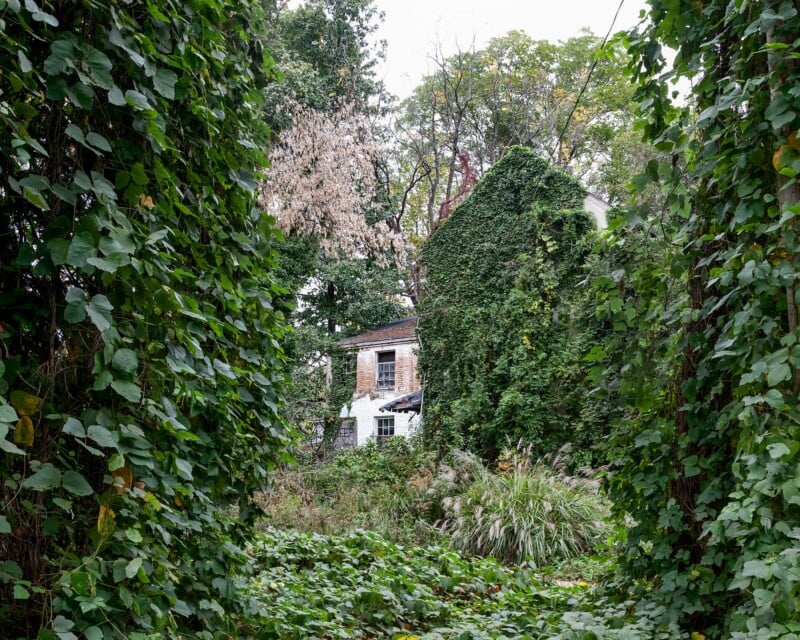
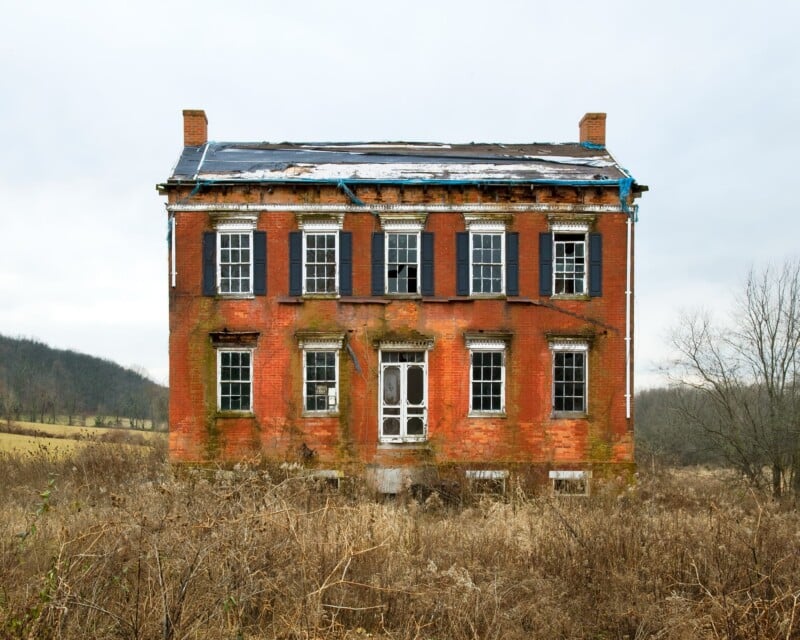
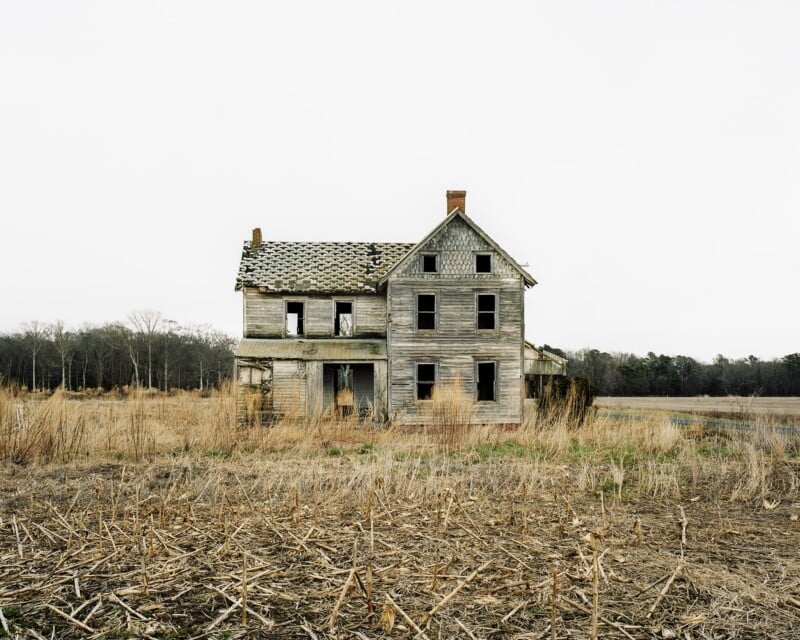
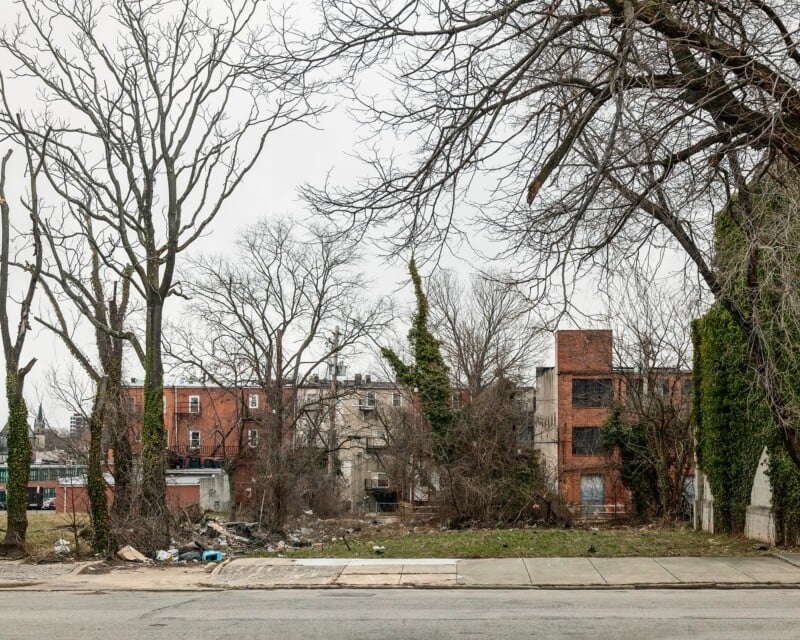
A photographer has been capturing abandoned homes in Baltimore and the surrounding areas for the past 16 years — dodging ticks, copperheads, drug dealers, hunters with high-powered rifles, and farmers on ATVs.
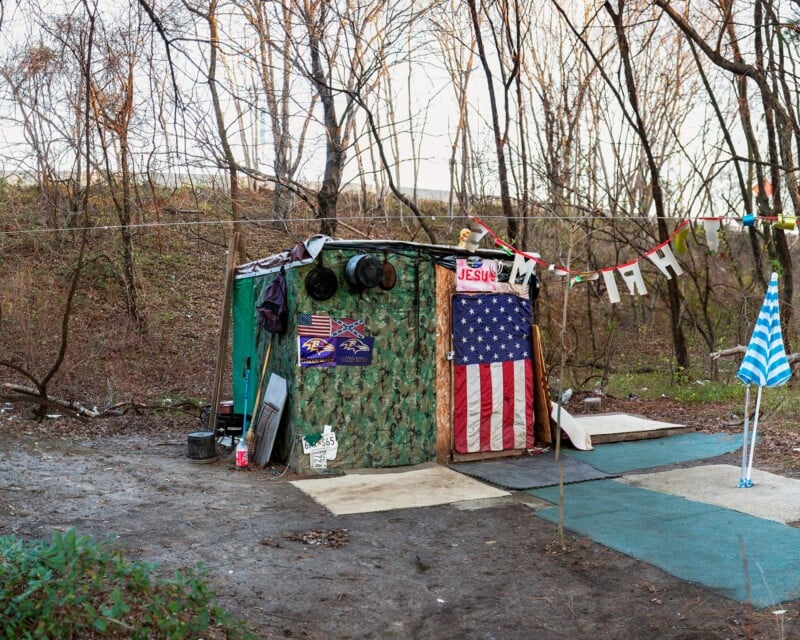
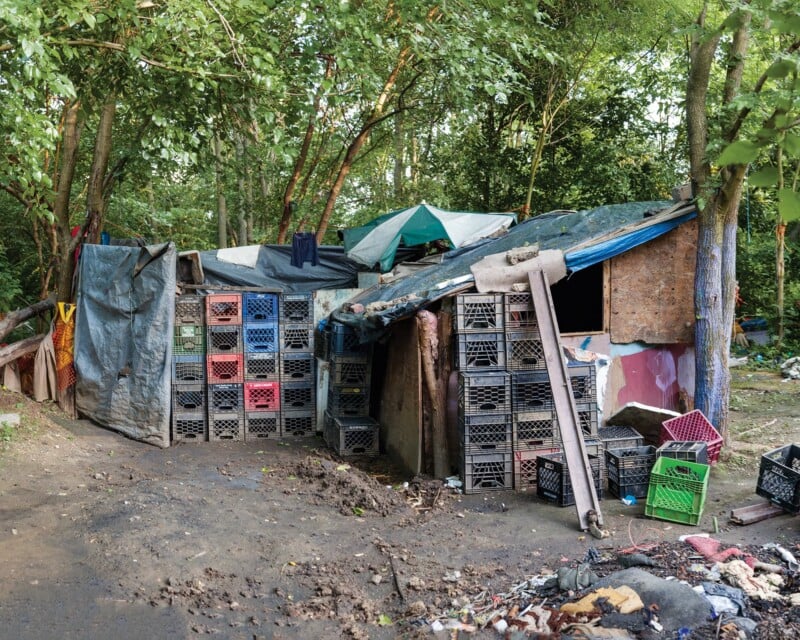
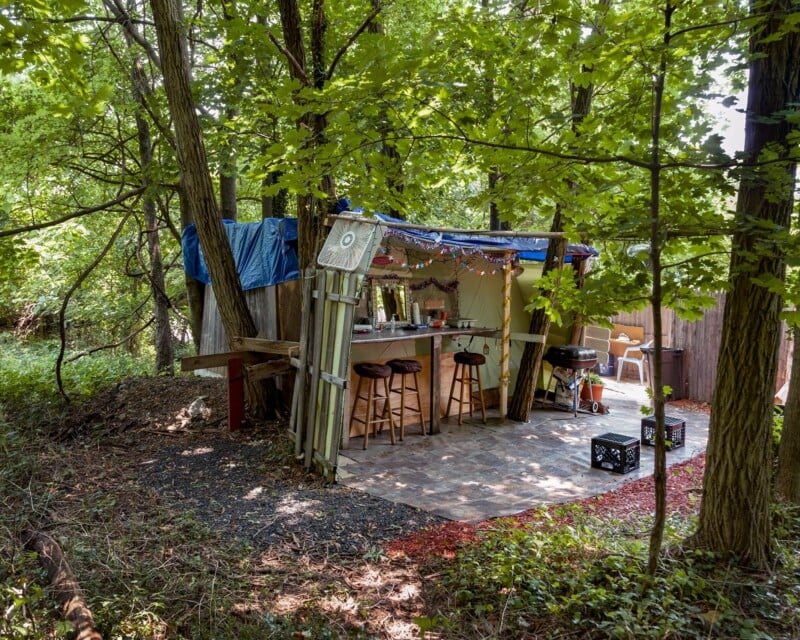
Ben Marcin has documented crumbling row houses in the inner city that somehow survived the wrecking ball, to abandoned houses on the Eastern Shore, where the last generations of families either passed away or moved on after decades of farming the land. He’s also photographed temporary homeless camps in the city, none of which have ever survived for more than a year.
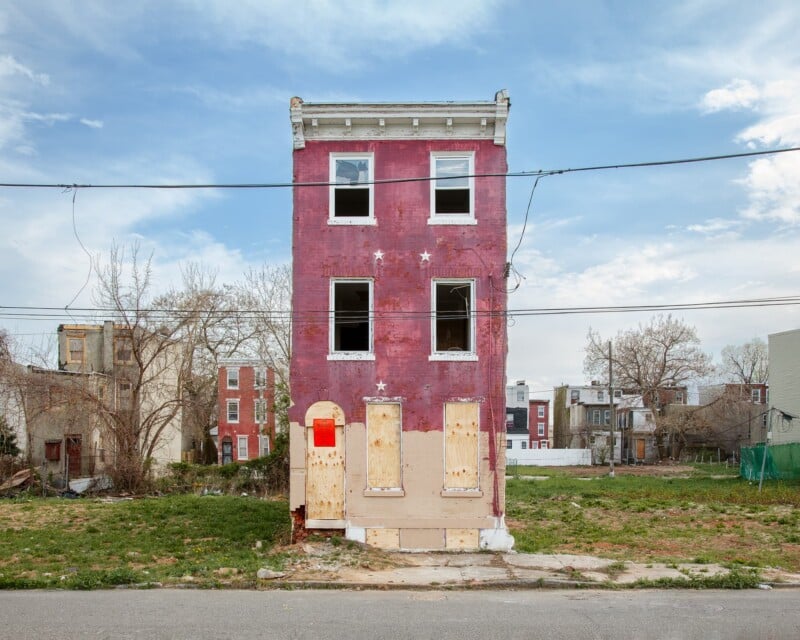 © Ben Marcin
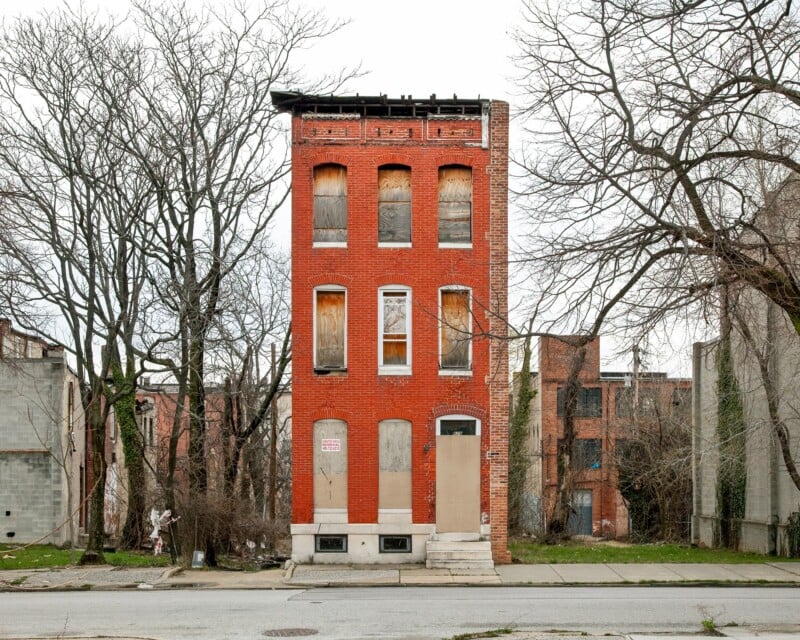 © Ben Marcin
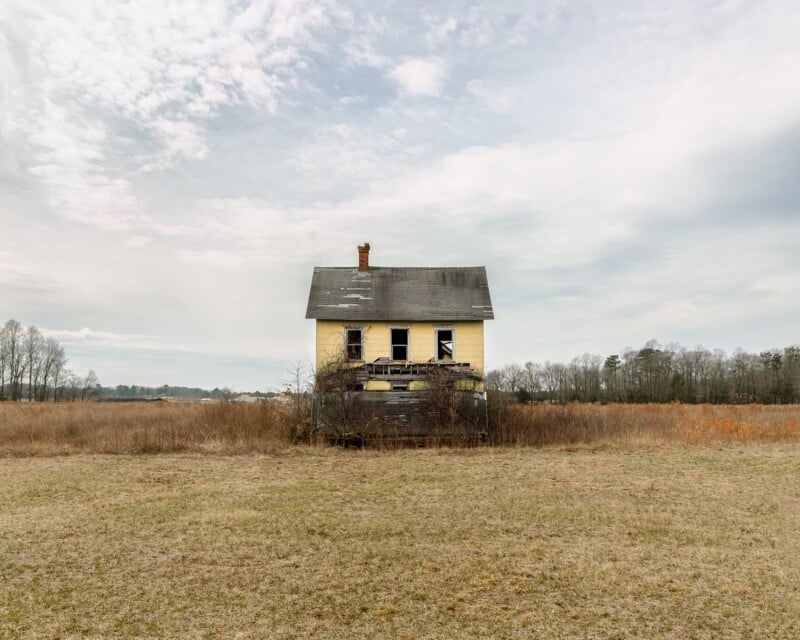 © Ben Marcin
 © Ben Marcin
 © Ben Marcin
Marcin has curated his project for a debut photobook titled The Holdouts, which references a common real estate term that describes a property owner who refuses to sell a building or lot to a developer, thus greatly hindering the completion of a larger, community-based project.
“I either found them by the side of the road or stumbled upon them while hiking in the woods,” Marcin tells PetaPixel about how he discovered the properties. “It was important to show as much of the surroundings as possible in order to achieve a strong sense of isolation and context.”
Marcin says that in the case of an abandoned home, it was evident that the homeowner or farmer wanted to be left alone.
“I also decided not to photograph any of the people who lived in the campsites or row houses. I frequently talked to them but I felt that the series would be more mysterious without them in it,” he adds.
 © Ben Marcin
 © Ben Marcin
 © Ben Marcin
 © Ben Marcin
 © Ben Marcin
Marcin, who likes to explore the idea of home and the passing of time in his work, says that strictly speaking, none of the houses or campsites would be considered real estate holdouts.
“No shopping center, highway overpass, or gambling casino ever took their place. However, they do personify a more straightforward definition of what a holdout is, namely, the act of resisting something or refusing to accept what is offered,” Marcin says.
“I have been photographing the places where people live for almost 40 years. At first, I did this primarily on my trips around the world but, over time, I withdrew closer and closer to home until I found myself working on sites just a short distance from my own house (in Baltimore). In short, I began to understand where I live.”
The Holdouts by Ben Marcin is published by Gost.
Affiliate Disclosure PetaPixel articles may include affiliate links; we may earn a commission if you buy through one.







 English (US) ·