
 4 weeks ago
28
4 weeks ago
28
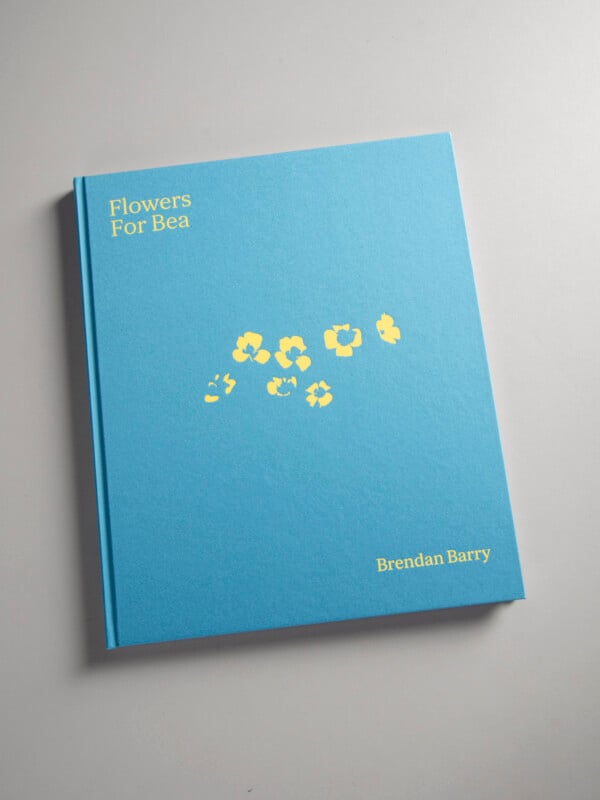
Through hand-built cameras and room-sized camera obscuras, Brendan Barry slows photography down to its most elemental processes. His latest project, Flowers for Bea, reveals how that practice can hold memory, ritual, and transformation within a single body of work.
Brendan Barry is a photographer, educator, and camera builder whose analogue practice is rooted in process, construction, and participation. Working almost exclusively with camera obscuras and hand-built photographic systems, he transforms ordinary spaces and objects into functioning cameras, inviting others into the physical and temporal experience of image-making. Alongside his artistic work, Barry is the founder and director of Positive Light Projects, a not-for-profit organization using the visual arts to engage and inspire.
Photography has been central to Barry’s life for as long as he can remember. Although photography was not offered as a subject at school, his interest in art led him to study at college, where he first encountered photography as a serious pursuit. What had previously been an intuitive and personal interest began to take shape as a viable professional path.
Barry went on to study photography at university, worked professionally for six or seven years, and later returned to education to complete a Master’s degree. He subsequently became a teacher, a role that marked a significant turning point in his career. Teaching redirected his practice toward socially engaged creative work and laid the foundations for the collaborative, participatory approach that now defines his work.
“I’ve been interested in photography for as long as I can remember — it’s a medium that always seemed to make sense to me. Teaching was a really important turning point for me. It led me towards developing a more socially engaged creative practice,” Barry says.
Inside the Camera: Process as the Work
Barry’s practice is fundamentally process-led. He works exclusively with analogue photographic techniques and is motivated by the act of making itself, favoring hands-on, tangible approaches to photography over speed or efficiency. His work brings together construction, education, performance, and participation, often collapsing the boundaries between these disciplines.
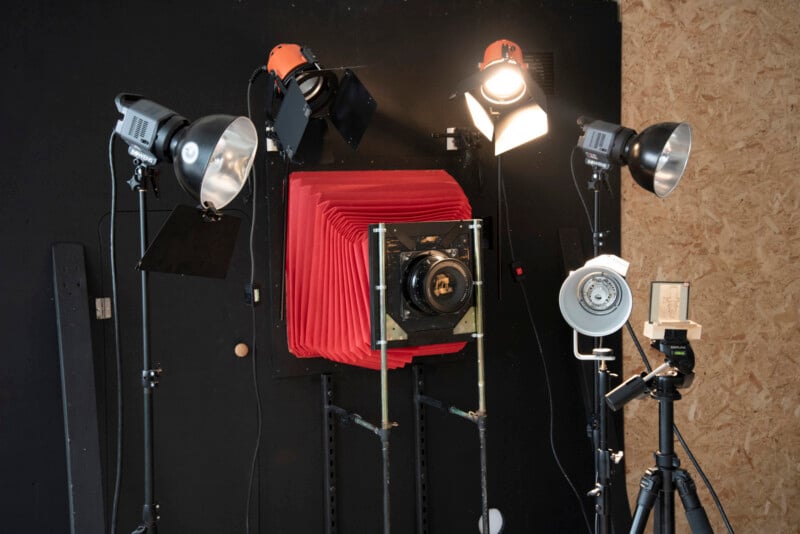
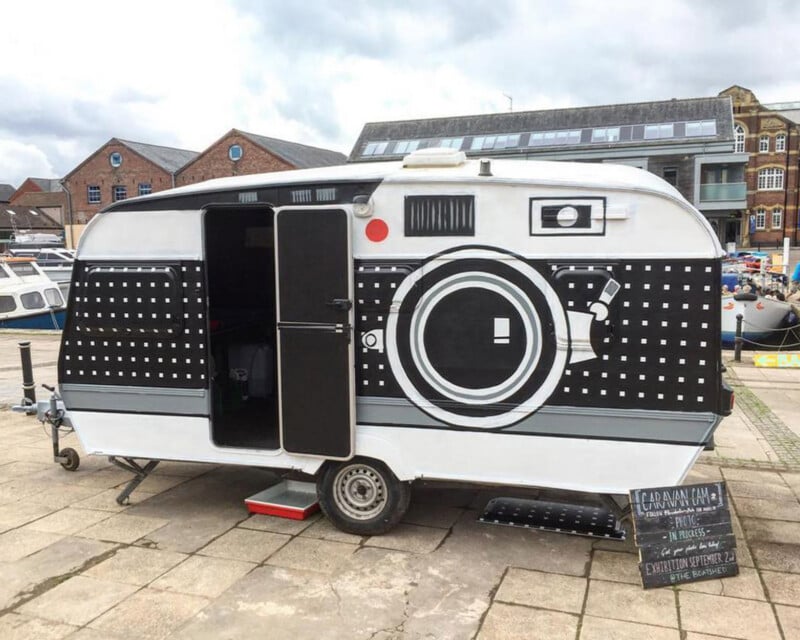
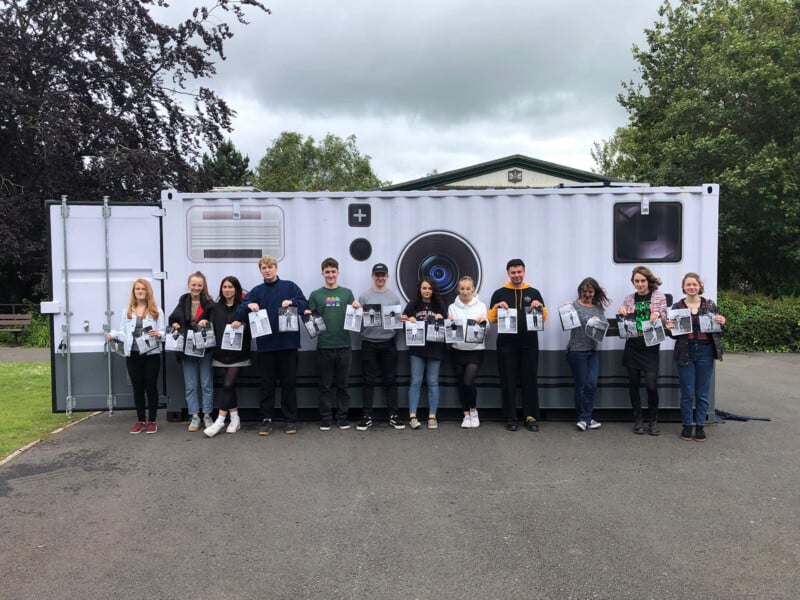
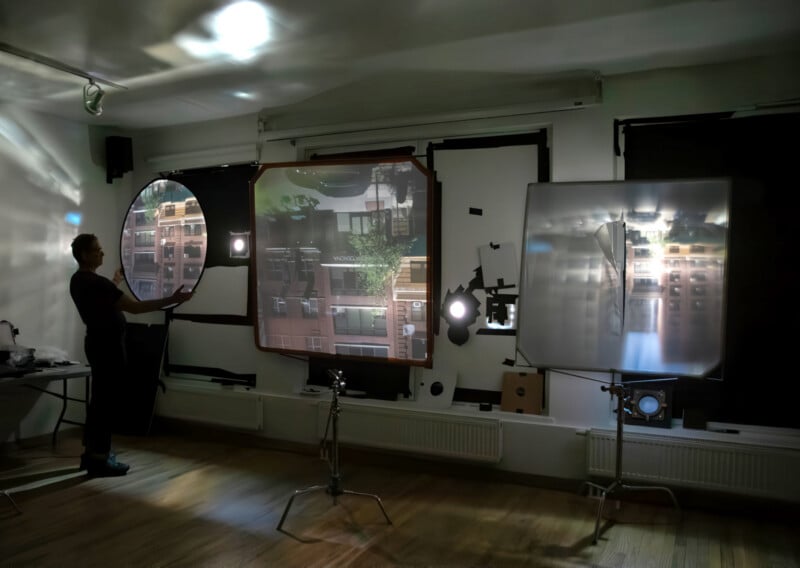
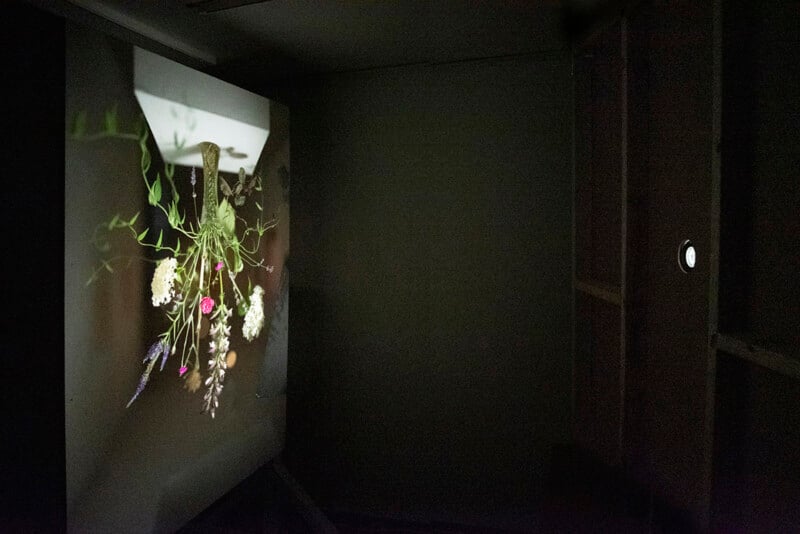
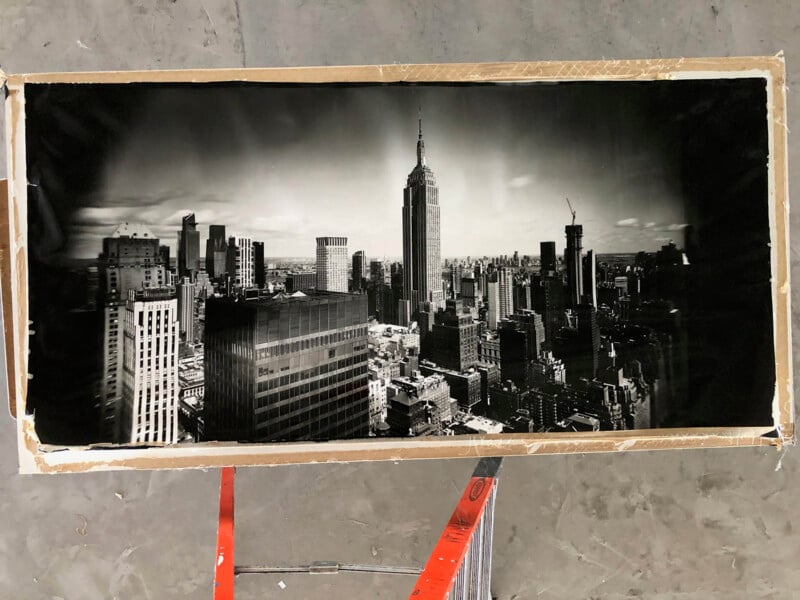
At the center of this practice is the camera obscura. Barry constructs these spaces within highly specific environments, converting sheds, lifts, shops, balconies, caravans, shipping containers, abandoned buildings, and even the entire floor of a New York skyscraper into functioning cameras. He has also transformed everyday objects into cameras, including pineapples, logs, accordions, and loaves of bread.
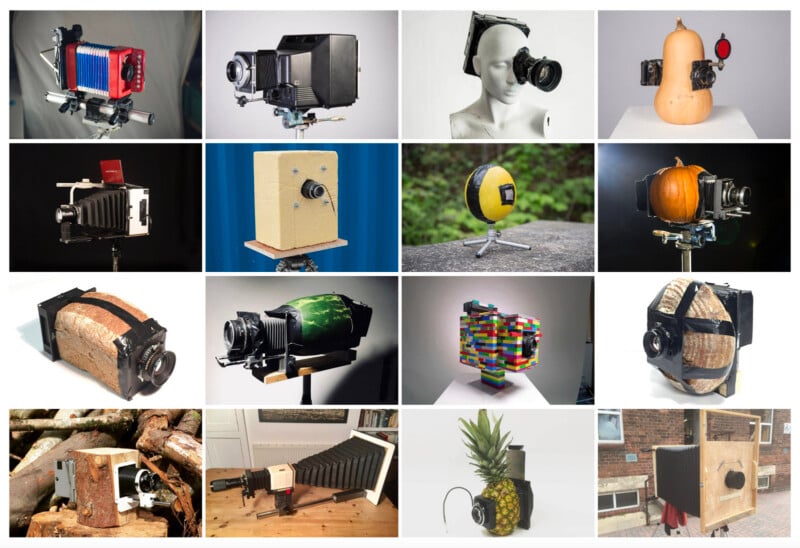
“A key shift came through making cameras, initially with my students. We built simple pinhole cameras and transformed classrooms into camera obscuras, which massively expanded my understanding of photography’s potential as a tool for engagement. Those early experiments led to much larger projects. In recent years I’ve converted a lift, a shed, a shop, an alcove, a balcony, a caravan, a shipping container, a flat in an empty London tower block, and even the entire floor of a New York skyscraper into cameras. I’ve also turned existing objects into cameras — including a pineapple, an old black-and-white darkroom enlarger, a log, an accordion, and even loaves of bread — and built cameras from scratch using materials ranging from plywood and sterling board to cardboard and Lego,” Barry says.
Each camera shapes not only the resulting image but also the experience of encountering it. The physical constraints of the space, the materials used, and the time required to make a photograph all influence how participants engage with the process. These environments frequently operate simultaneously as studios, darkrooms, classrooms, and meeting points, shaped by the histories and concerns of the places and people involved.
“The relationship between form, process, image, and experience sits at the heart of my practice. I’m fascinated by the mechanics of vision and analogue photographic processes — the action of light through a lens, the heightened awareness that comes from being inside a camera obscura,” Barry says.

Flowers for Bea: Family, Ritual, and Time
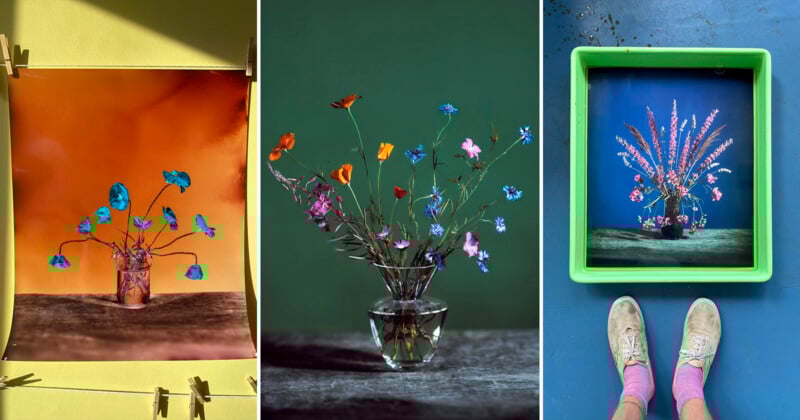
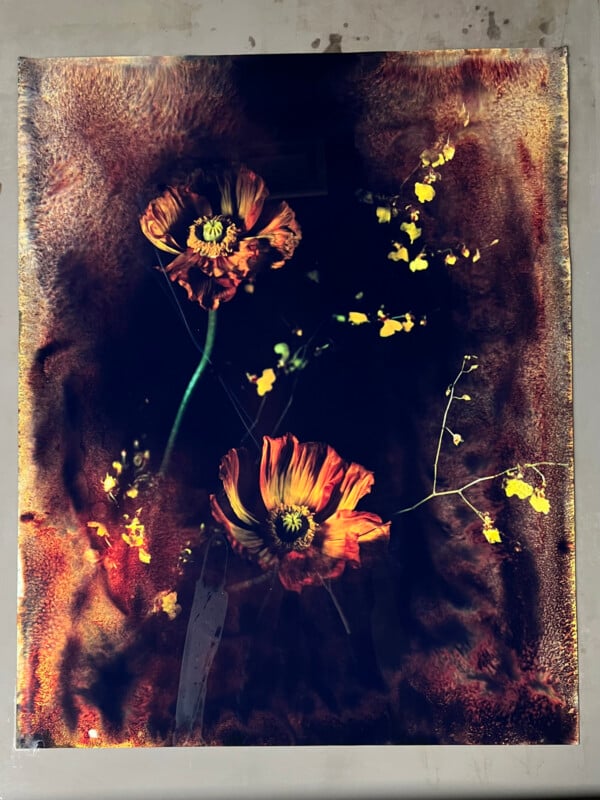
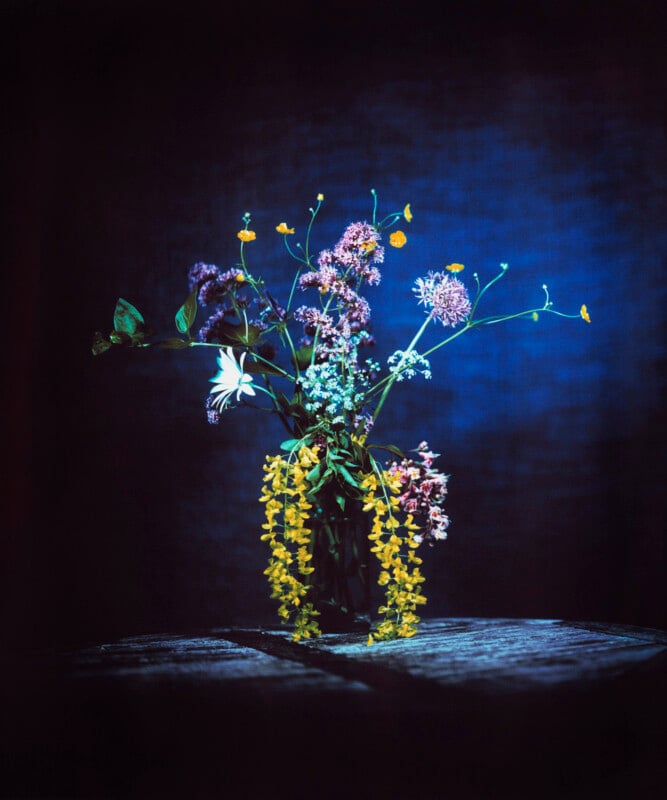
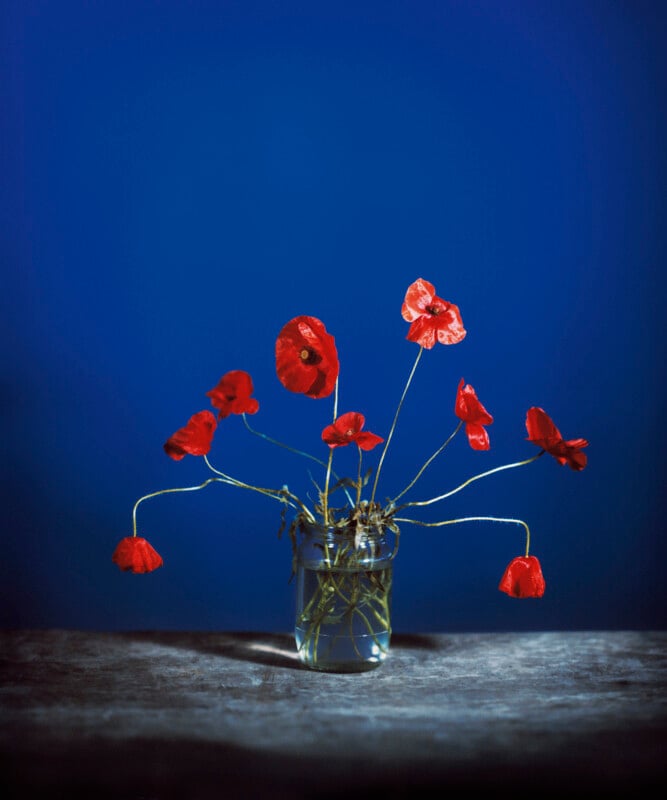
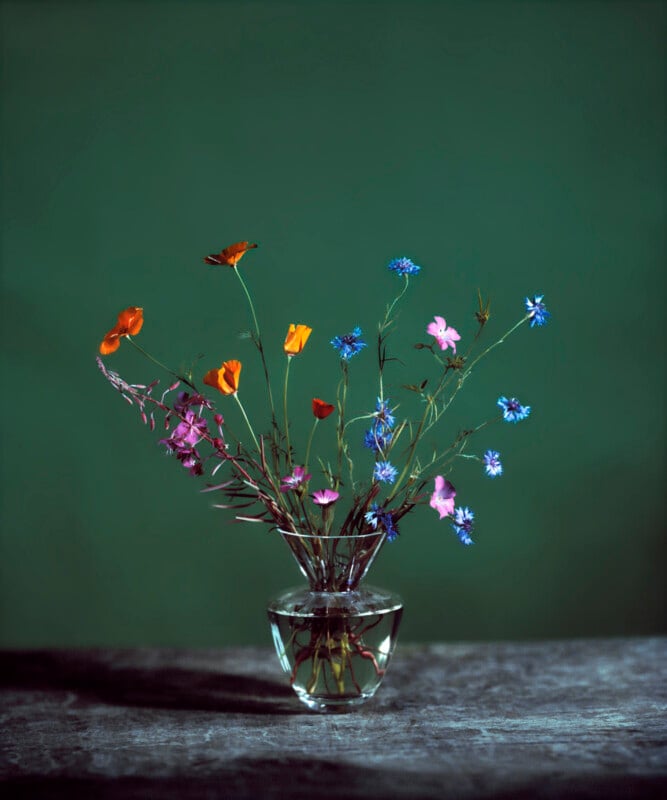
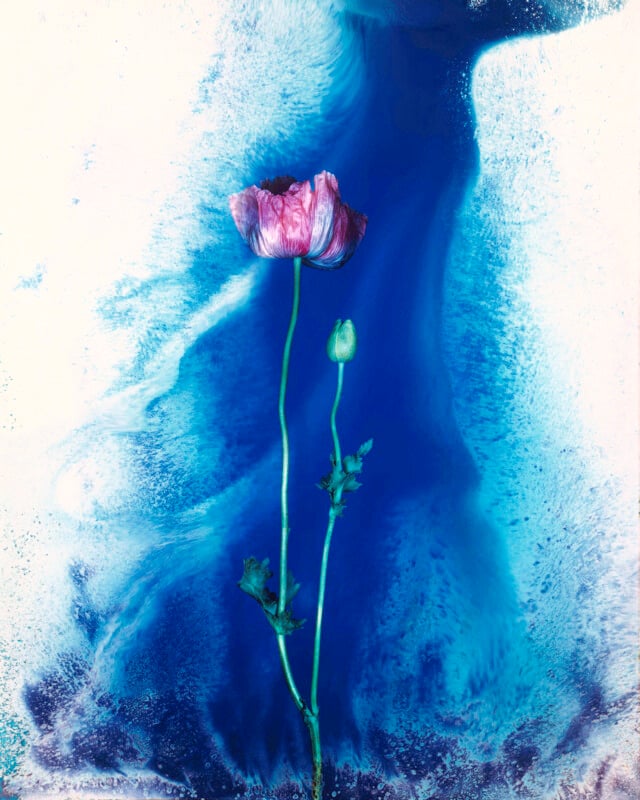
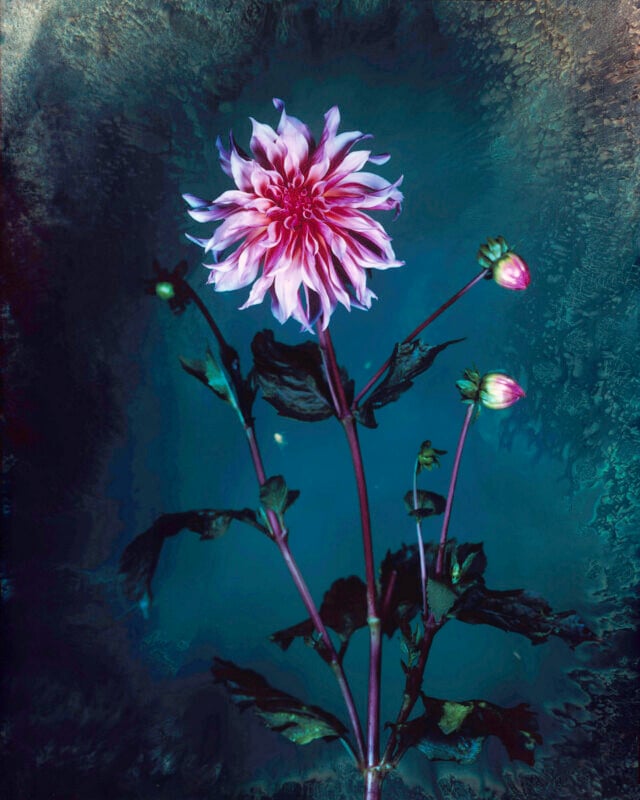
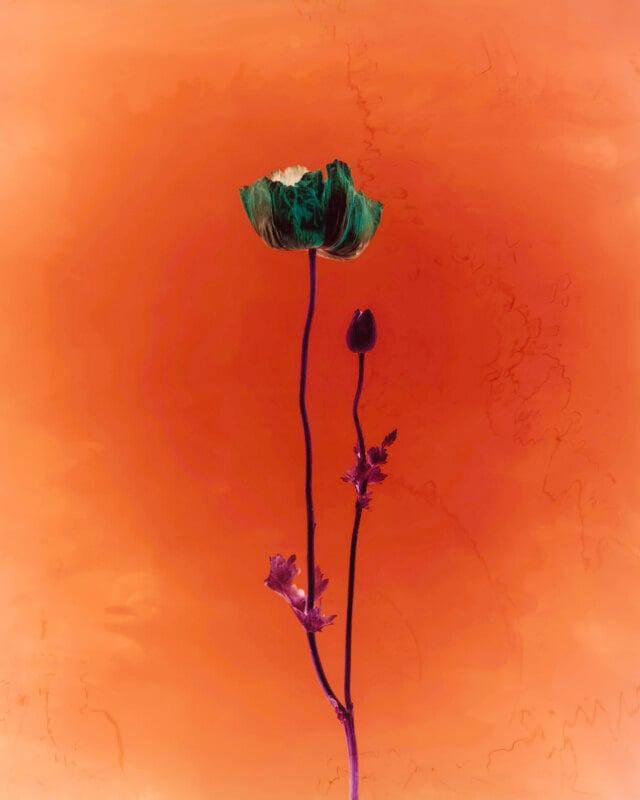
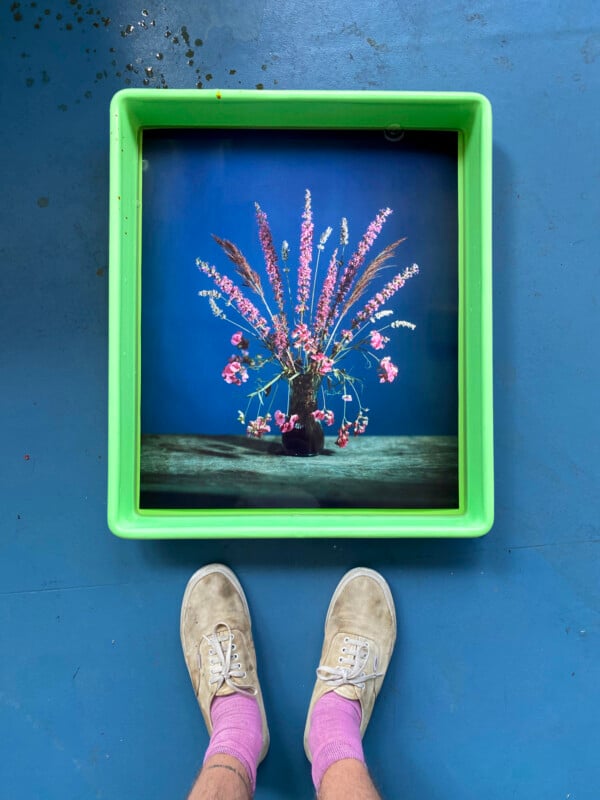
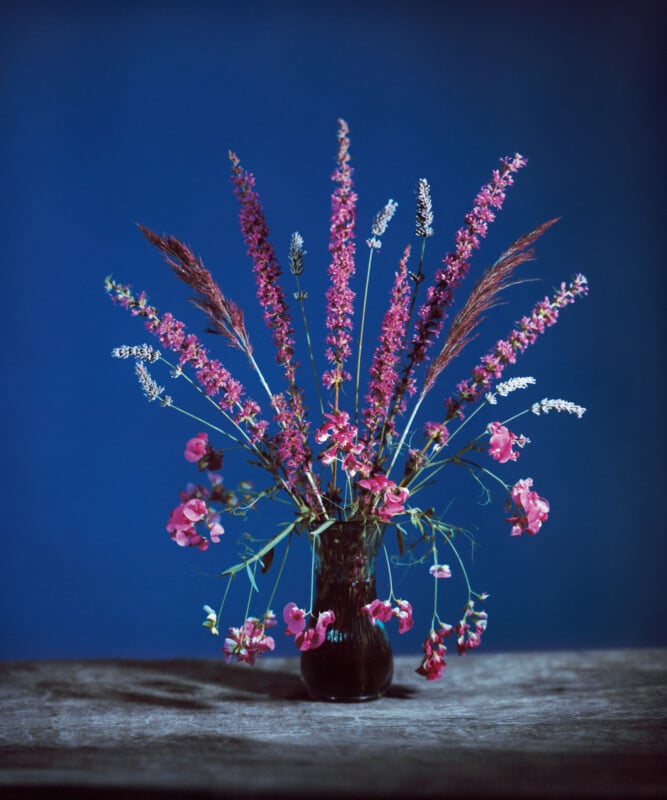
Flowers for Bea is a book of still life photographs of wildflowers collected close to Barry’s home in Devon. The images were created inside a room-sized camera obscura using two distinct analogue processes, each requiring extended exposure times and careful chemical control. In some cases, a single successful photograph required up to eight hours of exposure.
The work was made during the spring, summer, and early autumn of 2020. During the Covid lockdowns, Barry took daily walks with his daughter around their neighbourhood. Over time, these walks developed into a shared ritual of gathering wildflowers, including California poppy, cow parsley, cornflower, Queen Anne’s lace, hogweed, field scabious, dove’s foot, crane’s bill, and meadow buttercup, which were then brought home, arranged in vases, and photographed.
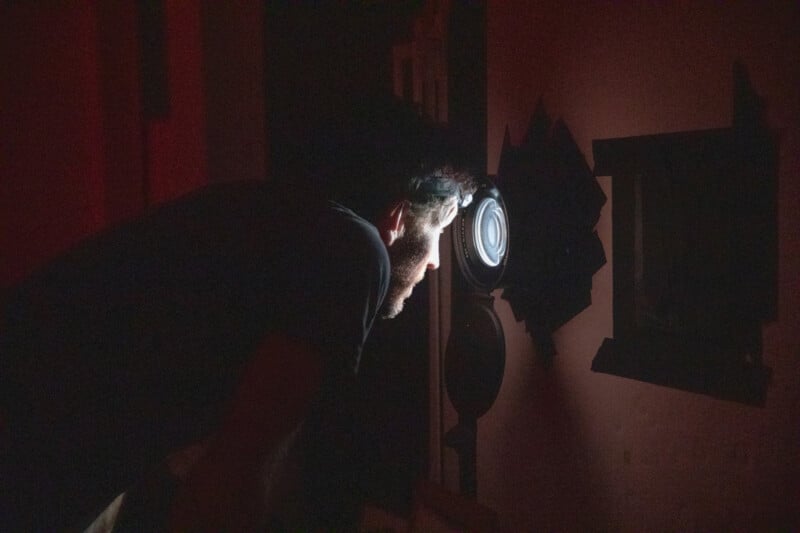
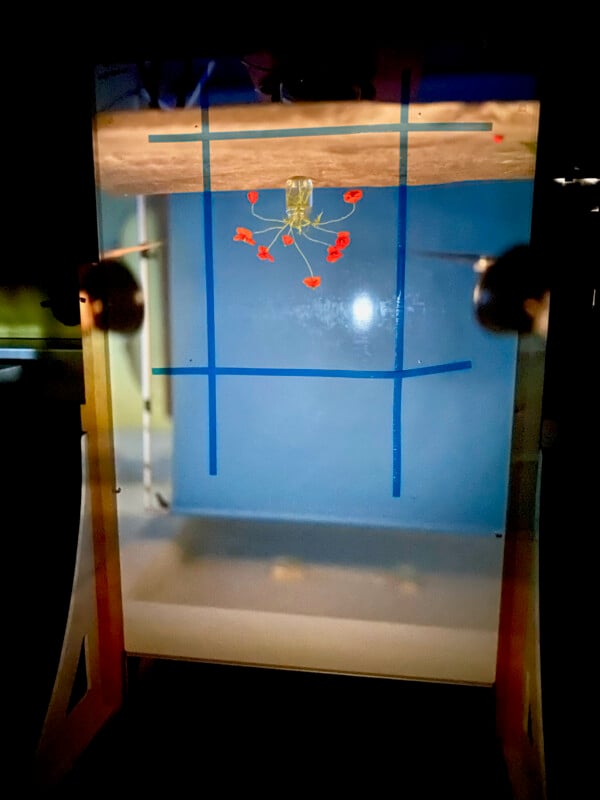
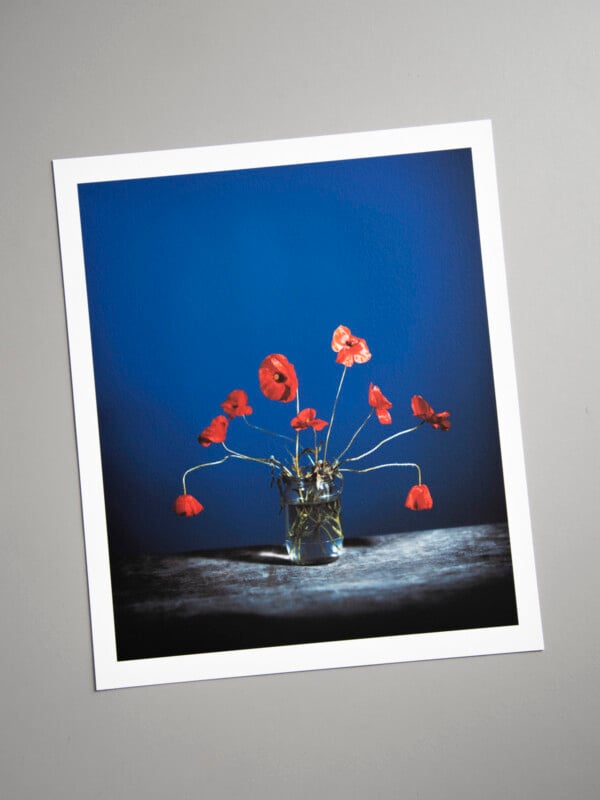
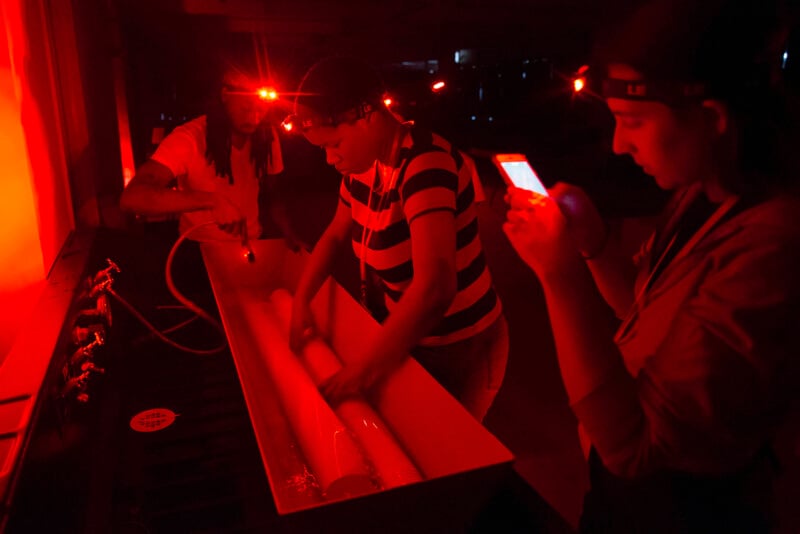
Barry initially built a camera obscura and a darkroom in his garden shed. When restrictions eased, he moved the project into a disused gym in town. Some images were made using simple paper negatives, while others employed a complex color reversal process he pioneered. All photographs were captured directly onto photosensitive chromogenic paper, with shifts in ambient temperature and chemical concentration affecting color balance and exposure, making each image singular and impossible to repeat.
“This work is, at its heart, about family. These are representations of flowers, of course, but they are also signs of complex improvisations with chemicals, paper, light, and time. I do not know what the image is going to be like at the start of the process: each one is a small revelation,” Barry says.
Scale, Slowness, and Shared Discovery
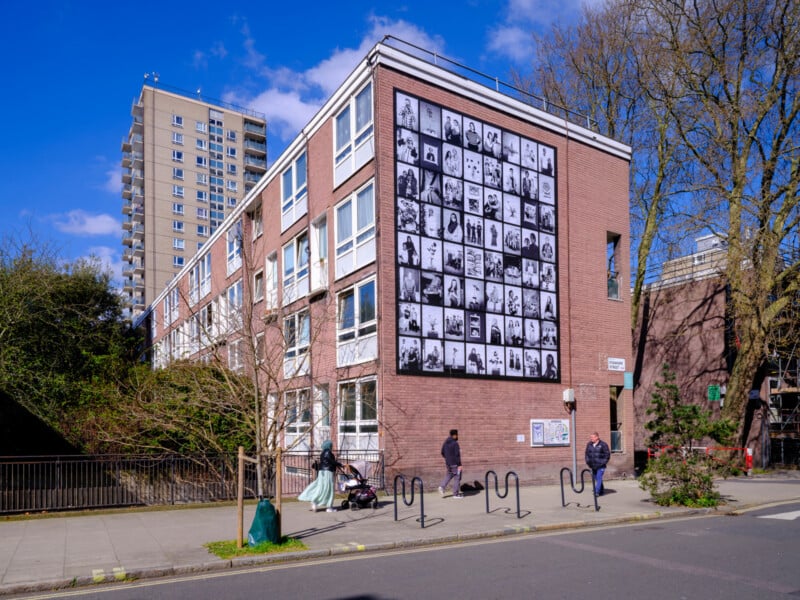
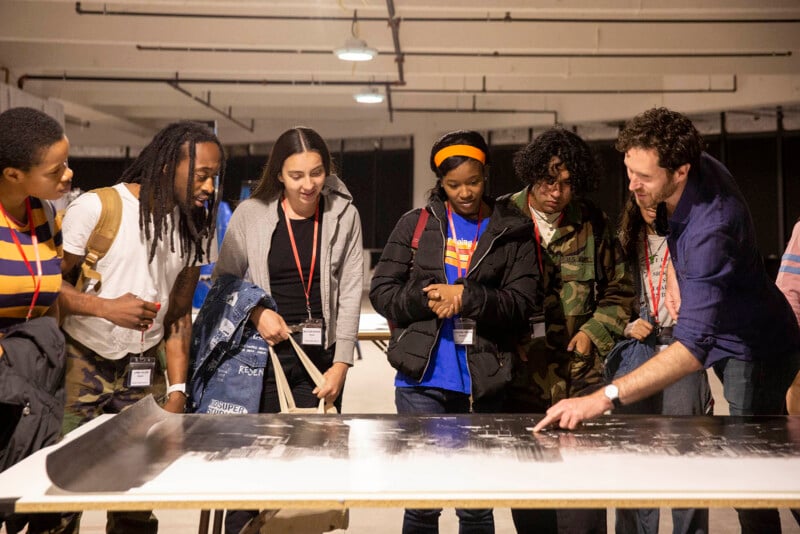
Barry frequently works at an ultra-large scale, producing photographs ranging from 8×10 inches to as large as 50×100 inches. At these dimensions, conventional photographic equipment is often unavailable, requiring him to design and build cameras, lighting systems, and support structures from scratch. This necessity is central to the work, slowing the photographic process and demanding sustained attention and care.
The resulting images register extraordinary levels of detail, often revealing elements beyond the limits of human vision. At scale, the photographs take on an uncanny quality, suggesting the presence of something that was always there but previously unnoticed. Barry emphasizes that this quality can only be fully understood through direct, in-person viewing.
Collaboration remains integral to this way of working. Barry regularly invites others into the camera itself, encouraging participation in analogue photographic processes. The moment an image appears in the developer tray becomes a shared experience, transforming the photograph into a record not only of a subject, but of collective learning, problem-solving, and discovery.
“The photograph becomes not just an object, but a record of a shared experience — of learning, problem-solving, and making something together. The moment when an image appears in the developer tray is often shared, and that collective sense of discovery and transformation is incredibly powerful,” Barry says.
Looking Ahead: Curiosity, Collaboration, and Connection
Alongside Flowers for Bea, Barry has begun developing a new body of abstract work shaped through controlled encounters with light. These images foreground surface, color, and spatial complexity, and are intended to exist as complete visual objects rather than illustrations of ideas or narratives.
At the same time, Barry remains deeply committed to socially engaged practice through education and collaboration. Through his own work and through Positive Light Projects, he continues to build accessible routes into photography, recently establishing a community darkroom that officially launches in February.
Across all aspects of his practice, Brendan Barry’s aspirations remain consistent: to create work that connects people, opens new ways of seeing, and sustains spaces where curiosity, experimentation, and collaboration can thrive. In Flowers for Bea, those values come together quietly and precisely, transforming a daily ritual into a body of work shaped by time, care, and shared attention.
“Ultimately, my aspiration is to create work that connects people and opens up new ways of experiencing the world,” Barry says.
Image credits: Brendan Barry




 English (US) ·