
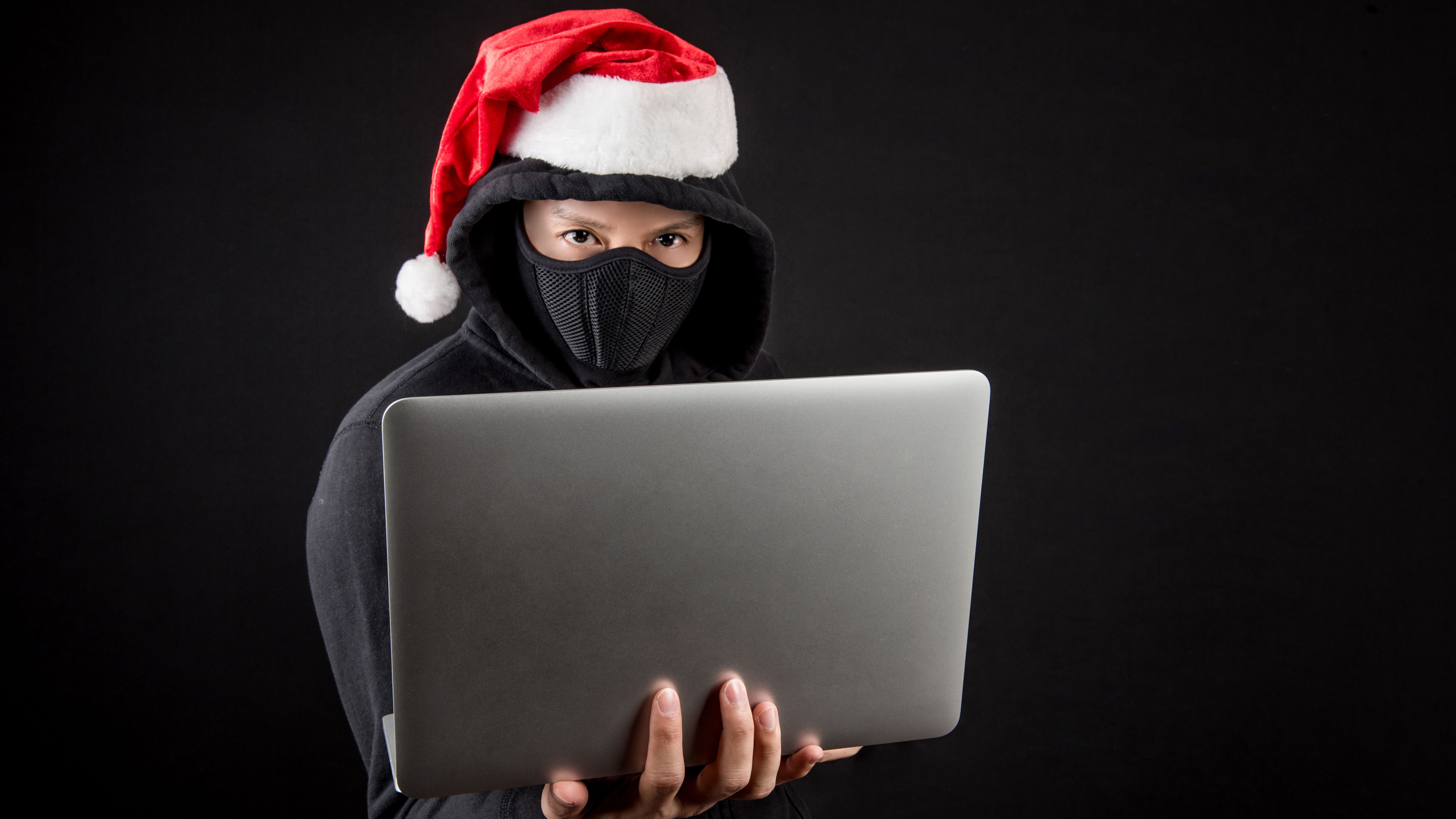
- Study finds Christmas parcel scams have doubled year-on-year
- Over 33,500 phishing attacks have been distributed so far
- Parcel scams, fake giveaways, and false retailer sites are ones to look out for
The holiday season always provides serious opportunities for scammers, who take advantage of the existing sale season, rise in legitimate ads, and general urgency to buy - but this year though, that’s been accelerated by (you guessed it) AI.
Previously, scammers had to take time and effort to create convincing looking phishing attacks or fake web pages - requiring a certain level of skill to trick unsuspecting internet users. But now, all criminals need is AI.
New Check Point research found this Christmas season has already seen over 33,500 holiday-themed phishing attacks distributed, as well as over 10,000 seasonal-themed social media adverts flagged as suspicious.
What to look for
The researchers identify three particularly common scams this time of year; postage phishing attacks, fake retail sites, and social media ‘giveaways’. AI has enhanced the effectiveness of each of these attacks, but there are still ways to identify a scam.
Most of us will have experienced a parcel scam in recent years, and admittedly, even I have come close to falling for some of these - so be careful, as researchers have seen these scams double since last year.
It usually consists of a fake text or email from a number claiming to be Royal Mail, FedEx, UPS, or the like - letting you know you’ve missed a parcel, or need to provide more information to the courier. It will provide a link, which will eventually lead to credential theft or even payment fraud.
There’s been a similar rise in fake retail sites with huge ‘Christmas deals’, often with AI-driven chat assistants to feign real customer service. These will urge you to take advantage of deals while they last, ultimately stealing your payment information and personal data.
Similarly, social media ‘giveaways’ spike in and around the holidays, promising enticing prizes, but winners (everyone) must pay a ‘delivery fee’ which they will steal, alongside your card details.
Staying safe
The trick to staying safe from these is to understand them, be vigilant, and be wary of anything you’re not expecting, or that feels too good to be true.
Most of us will be ordering a parcel in some form or another, so make sure to check the official retailer’s correspondence to check on the tracking and order progress - don’t click any links sent in texts.
If you see a great deal on a website, then be careful. Do a separate search for the website to find the deal, and if you can’t it’s most likely fake - don’t follow ads on social media straight to the retailer’s site.
Giveaways are common around Christmas, but be sure to check the age of any account giving away prizes - anything under 180 days is unlikely to be legitimate. Also, if they can afford to be sending stock in giveaways, they can probably afford to cover the shipping fee.




 English (US) ·